UGA College of Agricultural & Environmental Sciences Field Report
  • Stories
    Almanac

    Science in service of humanity and the environment

    Read our annual magazine here

    READ


    Dive into engaging stories that showcase our statewide, national and global impact.

    Check out our written stories here

    LOOK


    Browse curated photo galleries capturing the people, places and programs that bring CAES to life.

    Check out our photo galleries here

    WATCH


    Experience our stories through videos that highlight our people, projects and passions in action.

    Check out our video library here

    LISTEN


    Tune in to “Cultivating Curiosity,” our podcast featuring in-depth conversations with CAES experts.

    Check out our podcast here
  • Expert Resources

    Expert Resources


    From farms and gardens to families and finances, our expert resources empower Georgians with trustworthy, practical science.

    Gardening
    Invasive species
    Food and food safety
    Ants, termites and other pests
    Pollinators
    Livestock
    Emergency preparedness
    Home safety and maintenance
    Health, family and finances
    Nutrition
    Water quality
    Lawn maintenance and landscaping
    Turfgrass
    View all topics

    What is an Expert Resource?


    We publish unbiased, research-backed expert advice to empower Georgians with practical, trustworthy information they can trust.

    These resources are written and reviewed by experts in the UGA College of Agricultural and Environmental Sciences and the UGA College of Family and Consumer Sciences.

    Learn how we produce science you can trust
  • Events
  • Contact
  • Read
  • Look
  • Watch
  • Listen
Subscribe
  • LinkedIn
  • Facebook
  • Instagram
  • Stories
    Almanac

    Science in service of humanity and the environment

    Read our annual magazine here

    READ


    Dive into engaging stories that showcase our statewide, national and global impact.

    Check out our written stories here

    LOOK


    Browse curated photo galleries capturing the people, places and programs that bring CAES to life.

    Check out our photo galleries here

    WATCH


    Experience our stories through videos that highlight our people, projects and passions in action.

    Check out our video library here

    LISTEN


    Tune in to “Cultivating Curiosity,” our podcast featuring in-depth conversations with CAES experts.

    Check out our podcast here
  • Expert Resources

    Expert Resources


    From farms and gardens to families and finances, our expert resources empower Georgians with trustworthy, practical science.

    Gardening
    Invasive species
    Food and food safety
    Ants, termites and other pests
    Pollinators
    Livestock
    Emergency preparedness
    Home safety and maintenance
    Health, family and finances
    Nutrition
    Water quality
    Lawn maintenance and landscaping
    Turfgrass
    View all topics

    What is an Expert Resource?


    We publish unbiased, research-backed expert advice to empower Georgians with practical, trustworthy information they can trust.

    These resources are written and reviewed by experts in the UGA College of Agricultural and Environmental Sciences and the UGA College of Family and Consumer Sciences.

    Learn how we produce science you can trust
  • Events
  • Contact
  • Read
  • Look
  • Watch
  • Listen
Subscribe
  • LinkedIn
  • Facebook
  • Instagram
Subscribe
  • LinkedIn
  • Facebook
  • Instagram
  1. Home
  2. Expert Resources
  3. Topics
  4. Weeds, Diseases and Pests
  5. Animal Diseases and Parasites

Animal Diseases and Parasites Resources

Use the Advanced Search
  • SB 48-08

    Public Health Insect Control Outdoors and Parasites of Humans

    This section of the Home & Garden Edition covers pests of public health concern such as mosquitoes, bed bugs, gnats, fleas and ticks, house flies, lice, and more. Beginning in 2022, the Home & Garden Edition has been updated biennially. When purchasing a product based on a first-year recommendation of the Handbook, check the current product label before purchase to be sure it is still labeled for the use for which you are buying it. For pesticide products you have on hand from earlier purchases, you are allowed to use them until they are depleted without penalty under the law. Always follow label instructions before use. Contact the product’s manufacturer for the most up-to-date label.

    Elmer Gray

    |

    March 18, 2026
  • SB 48

    Georgia Pest Management Handbook — Home and Garden Edition

    The Georgia Pest Management Handbook gives current information on selection, application and safe use of pest control chemicals. The handbook has recommendations for pest control on farms, around homes, urban areas, recreational areas, and other environments in which pests may occur. Cultural, biological, physical, and other types of control are recommended where appropriate.

    Allison Johnson and Victoria McCurley

    |

    March 18, 2026
  • C 1336

    The Spotted Lanternfly: A Potential Nuisance Pest on Trees in Ornamental Landscapes

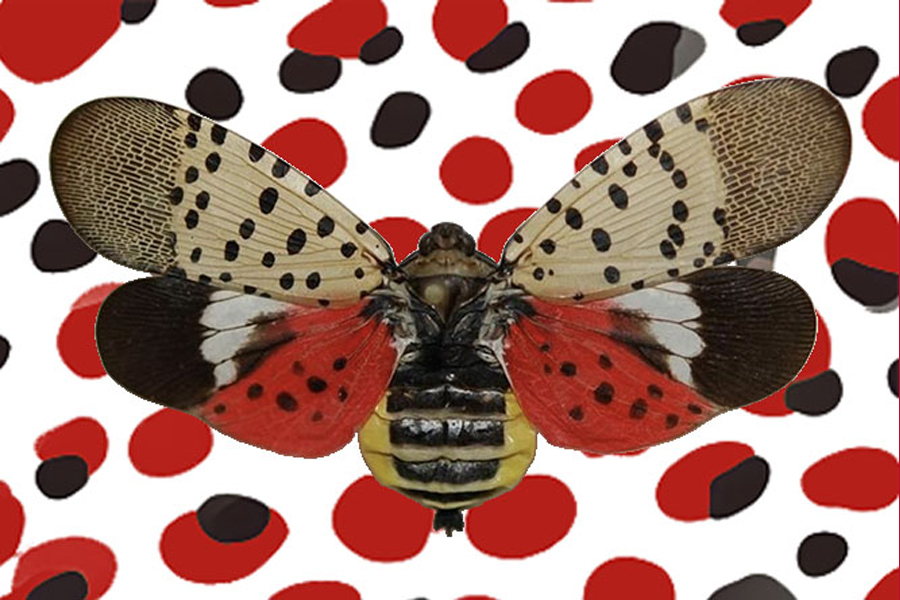
    The spotted lanternfly is an invasive planthopper that can feed on a wide range of trees in the United States. The potential economic and environmental impact of spotted lanternflies is alarming, and threatens not only the livelihoods of many but also the biodiversity and beauty of our landscapes.

    Shimat V. Joseph and William G. Hudson

    |

    Feb. 26, 2025
  • C 1193

    Equine Parasite Control: Moving Beyond Rotational Deworming

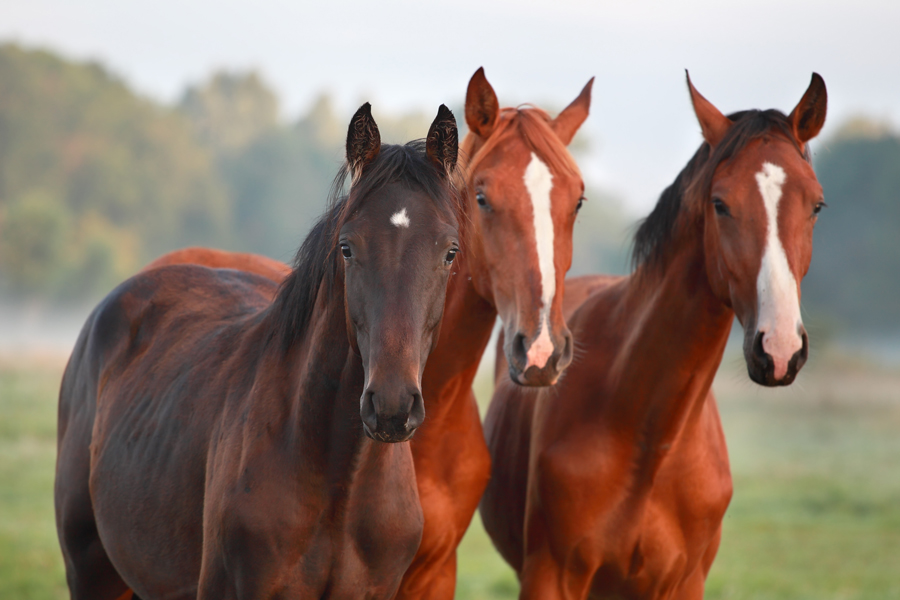
    Parasite resistance is an increasing problem in livestock species, including horses. Equine deworming practices have historically involved a six-week rotational deworming schedule. However, these practices have led to parasite resistance to many of our available dewormers. This publication addresses the current recommendations for deworming based on fecal egg counts, including why parasite resistance is increasing and how and when to assess fecal egg counts in horses.

    Kylee Jo Duberstein

    |

    June 9, 2023
  • C 1266

    Mosquito Control Around the Home

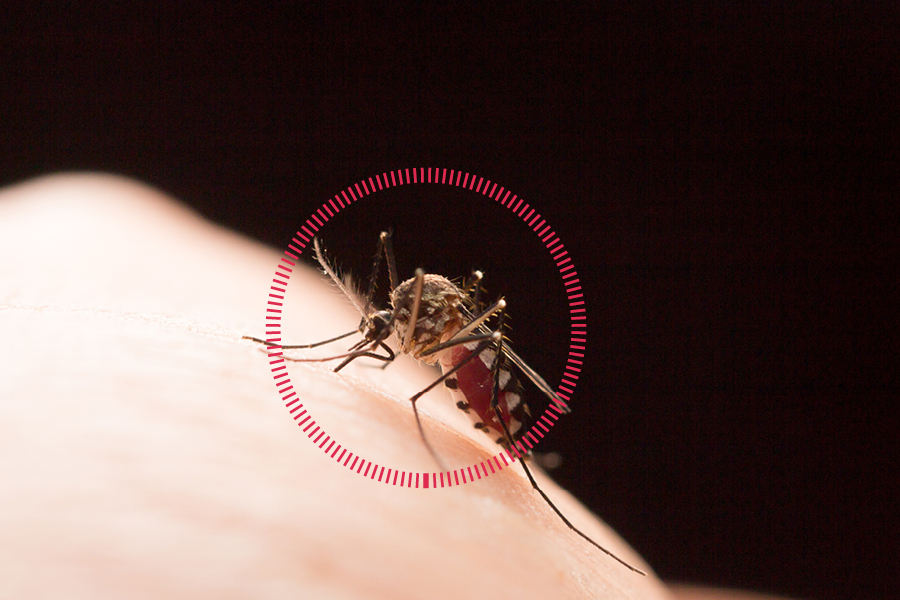
    Mosquitoes are one of the most common insect pests that homeowners encounter. This circular introduces a few of the basic techniques and materials that homeowners can use to safely reduce mosquito populations around the home. Becoming familiar with mosquito biology is the first step in using an integrated pest management approach to efficiently and effectively reduce mosquito populations. By learning about mosquito biology, source reduction, surveillance and control, homeowners can become active participants in their own mosquito control program. An integrated approach is the most effective way for homeowners to reduce mosquito populations and reduce the need for pesticide applications in their community.

    Elmer Gray

    |

    April 28, 2023
  • C 937

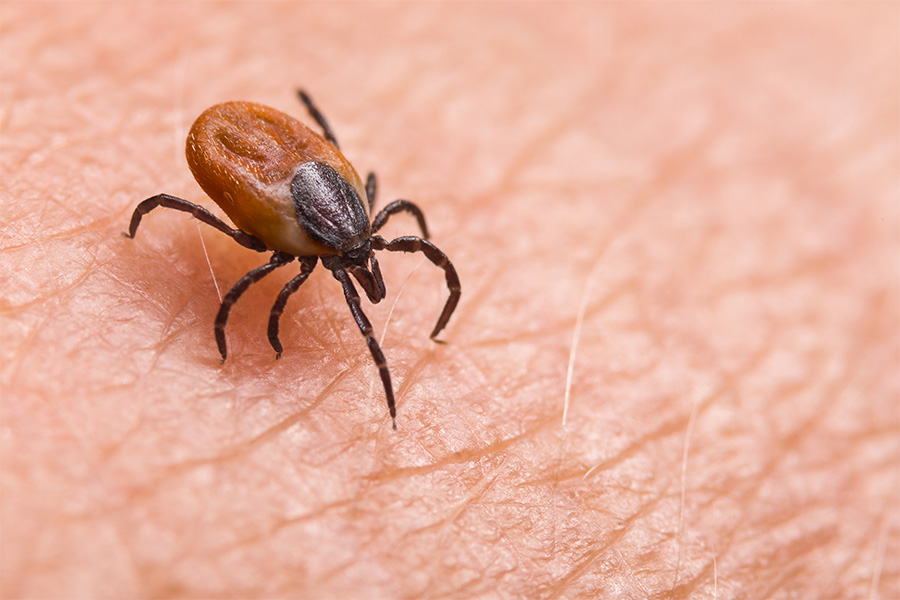
    Protect Yourself from Ticks

    This publication discusses how to protect yourself and the areas around your home from ticks. It also includes information on common tick-borne diseases, such as Rocky Mountain Spotted Fever and Lyme disease.

    Elmer Gray

    |

    Oct. 31, 2022
  • Nutritional and Metabolic Disorders of Southeastern Beef Cattle

    B 1503

    Nutritional and Metabolic Disorders of Southeastern Beef Cattle

    In the Southeastern U.S., beef cattle producers focus on forage management and maximizing the grazing season. To that end, Southeastern cattle spend the vast majority of their lives either grazing or consuming stored forage. Cereal grains and coproduct feeds are also commonly used nutritional supplements for cattle in times of elevated nutrient requirement. Any disease or disorder in the beef herd represents a nutrient drain and subsequent economic inefficiency. Sudden shifts in dietary composition as well as mineral imbalances are the primary causes for most nutritional and metabolic disorders. This publication contains an overview of the common nutritional and metabolic disorders that may affect beef herds in the Southeast along with management strategies that can be used to minimize the effects of these disorders in beef cattle production systems.

    Jacob R. Segers and Lawton Stewart

    |

    July 21, 2022
  • Horn Fly Control to Increase Productivity in Dairy Heifers

    B 1474

    Horn Fly Control to Increase Productivity in Dairy Heifers

    The implementation of horn fly control measures, such as aerosols, bait, strips, foggers, dust bags, traps, oilers, ear tags, pour-ons, natural predators, and insect growth regulators is instrumental in reducing the new infection rate, while existing mastitis cases can be eliminated with antibiotic therapy. Such management practices will promote animal health and well-being, enhancing producer profits by ensuring that heifers calve with low sec and the potential for maximum milk yield.

    Steve Nickerson

    |

    April 18, 2017
  • Managing Mastitis in Dairy Heifers to Improve Overall Herd Health

    B 1416

    Managing Mastitis in Dairy Heifers to Improve Overall Herd Health

    Prevalence of mastitis in unbred, breeding-age and pregnant dairy heifers is higher than formerly realized. Infected
    mammary quarters, especially those with Staph. aureus IMI, exhibit reduced mammary gland secretory
    potential, marked leukocyte infiltration and the accompanying inflammation. Both nonlactating and lactating
    commercial antibiotic infusion products have been used successfully to cure existing infections and reduce SCC,
    and nonlactating therapy prevents new IMI with environmental streptococci. However, the goal is to prevent
    new infections from occurring in these young dairy animals through management strategies aimed at vaccination,
    use of teat seals, fly control and dietary supplementation. As global milk quality standards
    become more stringent, management practices based on curing existing infections and preventing new IMI
    in heifers will ensure that these young dairy animals enter the milking herd free of mastitis and with low SCC.
    Such practices should be considered for incorporation into dairy herd health programs in herds suffering from a
    high prevalence of heifer mastitis, especially mastitis caused by Staph. aureus. Not only do these practices reduce
    new infections in first-calf heifers at parturition, they also reduce the introduction of Staph. aureus to the milking
    herd.

    Steve Nickerson and Felicia Kautz

    |

    Feb. 28, 2013
Previous Page
1 2

About CAES

CAES Home

Overview

History

Administration

Jobs

Personnel Directory

Privacy Policy

Accessibility Policy

AI Guidelines

Affiliations

UGA Cooperative Extension

Tifton Campus

Griffin Campus

University of Georgia
  • Schools and Colleges
  • Directory
  • MyUGA
  • Employment Opportunities
  • Copyright and Trademarks
  • UGA Privacy Policy
  • Report an Accessibility Barrier
  • Submit a Student Complaint
#UGA on
© University of Georgia, Athens, GA 30602
706‑542‑3000