Animal Diseases and Parasites Resources
-
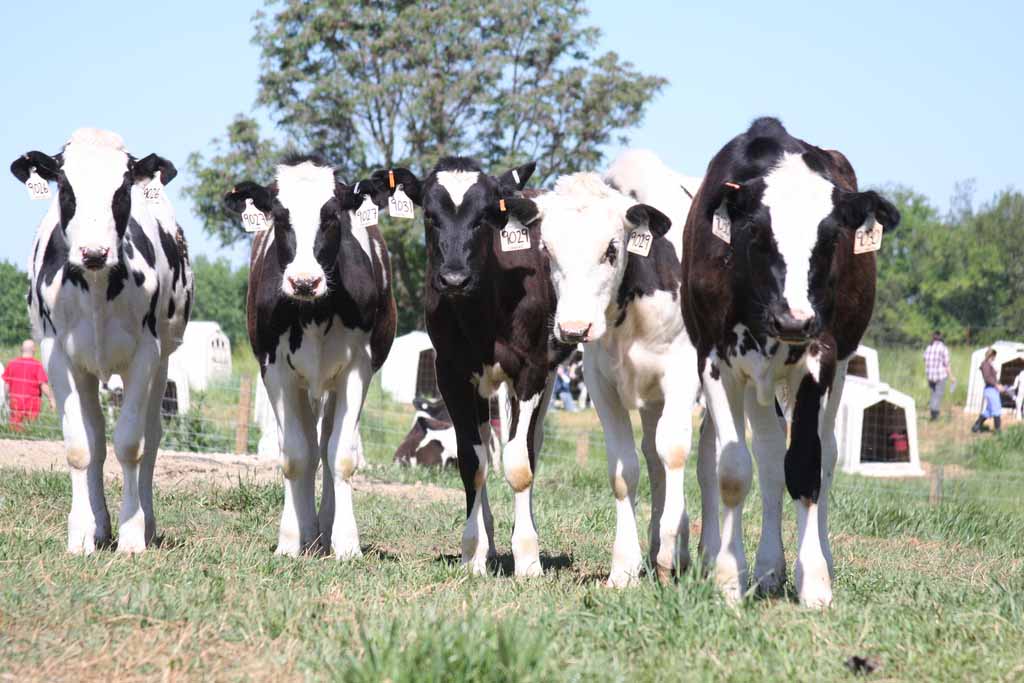
Prevalence of mastitis in unbred, breeding-age and pregnant dairy heifers is higher than formerly realized. Infected mammary quarters exhibit reduced mammary gland secretory potential, marked leukocyte infiltration and the accompanying inflammation. Both nonlactating and lactating commercial antibiotic infusion products have been used successfully to cure existing infections and reduce SCC, and nonlactating therapy prevents new IMI with environmental streptococci. However, the goal is to prevent new infections from occurring in these young dairy animals through management strategies aimed at vaccination, use of teat seals, fly control and dietary supplementation. Not only do these practices reduce new infections in first-calf heifers at parturition, they also reduce the introduction of Staph. aureus to the milking herd.
|
-

This resource provides concise and accurate information describing mosquito biology and behavior, including the history of mosquitoes in Georgia and ways to prevent mosquito-borne diseases. Mosquitoes affect a large segment of the public, and mosquito control is most efficiently conducted in an integrated manner. This information will help homeowners address mosquito problems on their own property and provide insight into the intricacies of larger, community-based control programs.
|
-

This circular provides a basic summary of the best management practices of integrated mosquito management. These practices begin with education and communication and progress through surveillance, source reduction, larviciding, and adulticiding. The circular presents guidelines that communities can use to help develop the most effective mosquito management program possible with the resources available. Using these practices will help to minimize pesticide exposure to pollinators and other non-target pests.
|
-
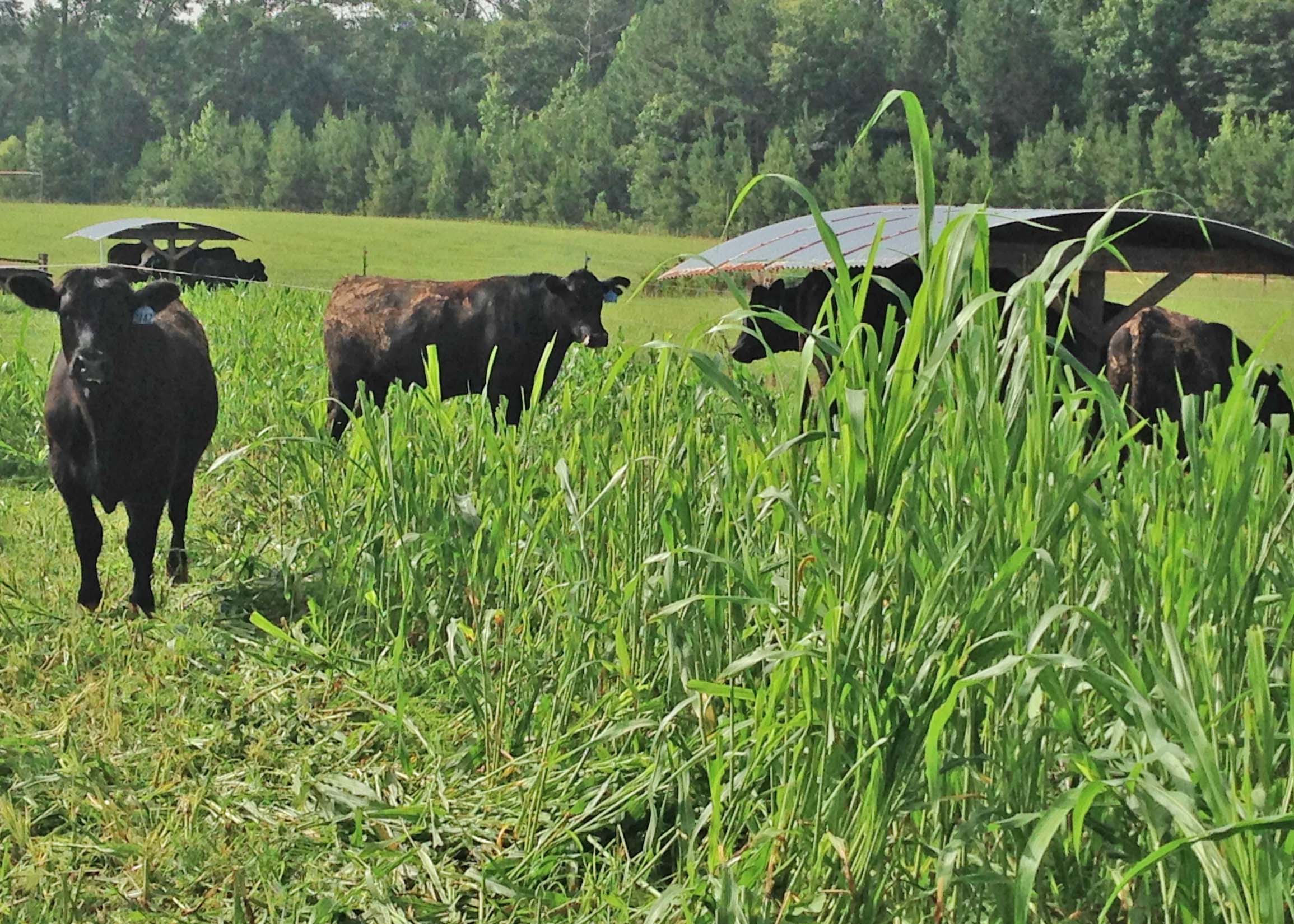
Stressful plant growing conditions may result in high concentrations of nitrates in forage and plant species commonly found in pastures and hayfields. Animals consuming high-nitrate material will experience symptoms associated with nitrate toxicity or poisoning. This resource answers the most-asked questions about nitrates in forage systems.
|
-

The Georgia Pest Management Handbook gives current information on selection, application and safe use of pest control chemicals. The handbook has recommendations for pest control on farms, around homes, urban areas, recreational areas, and other environments in which pests may occur. Cultural, biological, physical, and other types of control are recommended where appropriate.
|
-
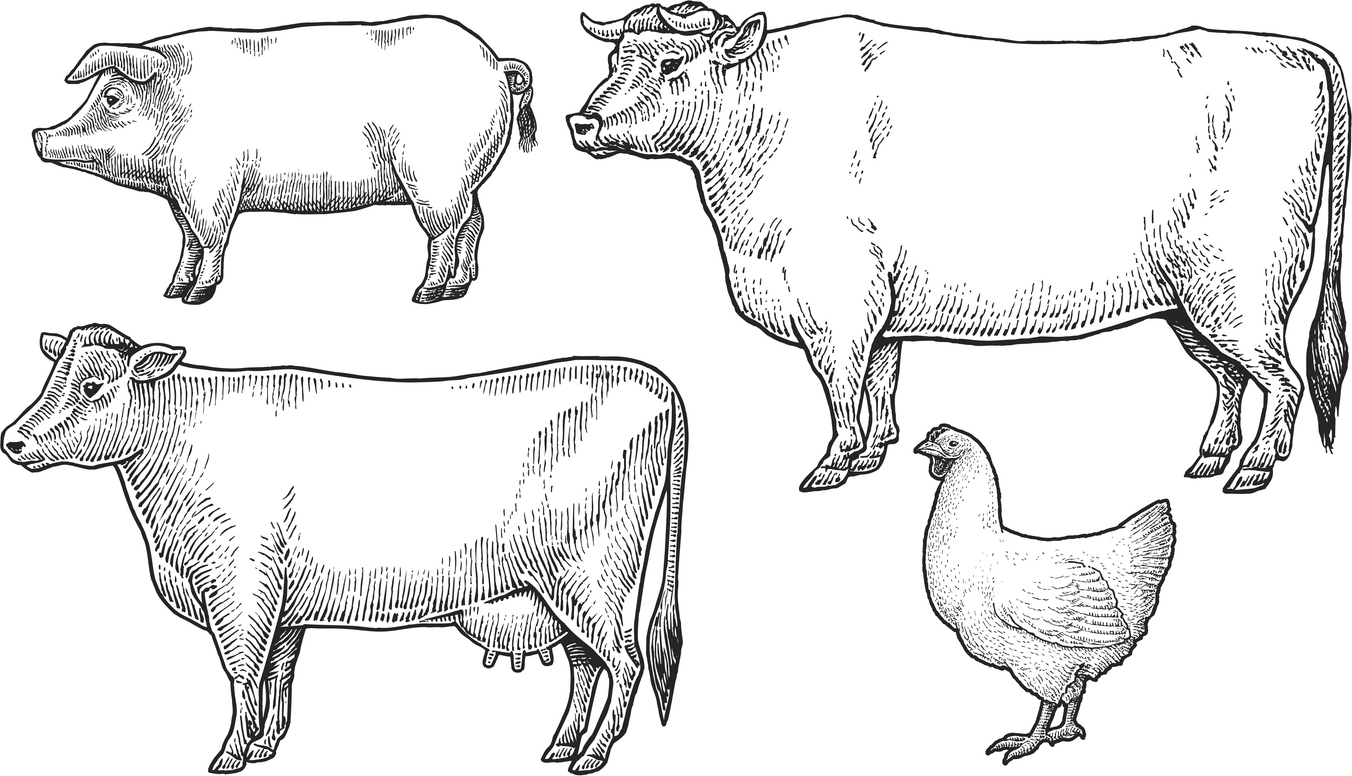
Commercial insect and parasite control in animals. Updated annually.
|
-
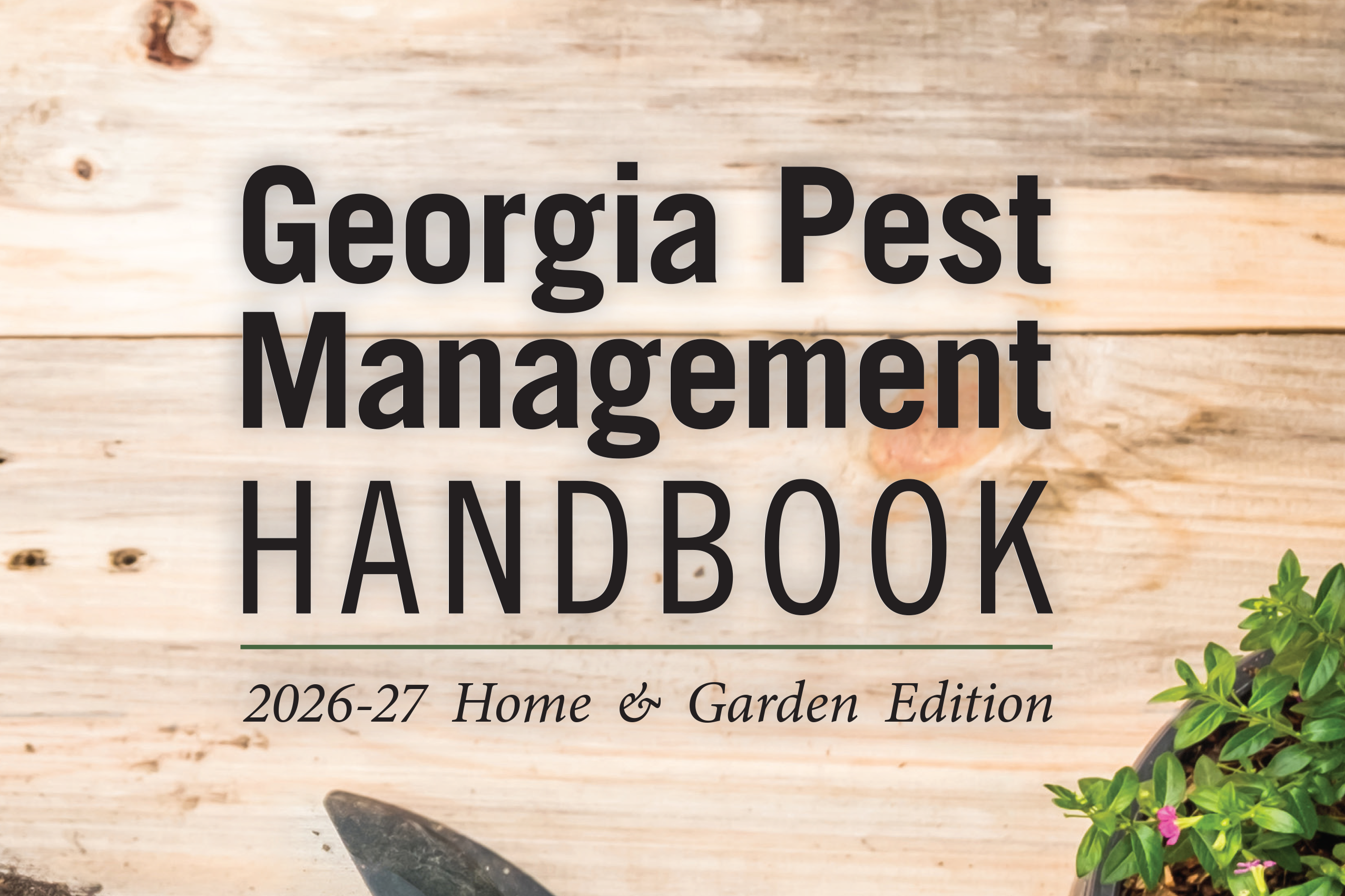
SB 48-01
Introduction and Table of Contents
Beginning in 2022, the Home & Garden Edition has been updated biennially. When purchasing a product based on a first-year recommendation of the Handbook, check the current product label before purchase to be sure it is still labeled for the use for which you are buying it. For pesticide products you have on hand from earlier purchases, you are allowed to use them until they are depleted without penalty under the law. Always follow label instructions before use. Contact the product’s manufacturer for the most up-to-date label.
|
-
This section of the Home & Garden Edition covers what to do in the event of a pesticide emergency, important contacts such as poison control, frequently asked pesticide questions, abbreviations and equivalents, submitting specimens for identification, and instructions for calibrating various types of sprayers. Beginning in 2022, the Home & Garden Edition has been updated biennially. When purchasing a product based on a first-year recommendation of the Handbook, check the current product label before purchase to be sure it is still labeled for the use for which you are buying it. For pesticide products you have on hand from earlier purchases, you are allowed to use them until they are depleted without penalty under the law. Always follow label instructions before use. Contact the product’s manufacturer for the most up-to-date label.
|
-
This section of the Home & Garden Edition covers external parasite control in companion animals, flea control products, and honey bee disease and pest control. Beginning in 2022, the Home & Garden Edition has been updated biennially. When purchasing a product based on a first-year recommendation of the Handbook, check the current product label before purchase to be sure it is still labeled for the use for which you are buying it. For pesticide products you have on hand from earlier purchases, you are allowed to use them until they are depleted without penalty under the law. Always follow label instructions before use. Contact the product’s manufacturer for the most up-to-date label.
|