Animal Production Resources
-

B 1290
Africanized Honey Bees
Honey bees are among the most well-known and economically important insects. They produce honey and beeswax, and pollinate many crops. In spite of the alarm surrounding Africanization, these bees have not caused widespread or permanent chaos. Dramatic stinging incidents do occur, but the quality of life for most people is unaffected. Typically, the commercial beekeeping industries of Africanized areas suffer temporary decline and then eventually recover.
|
-
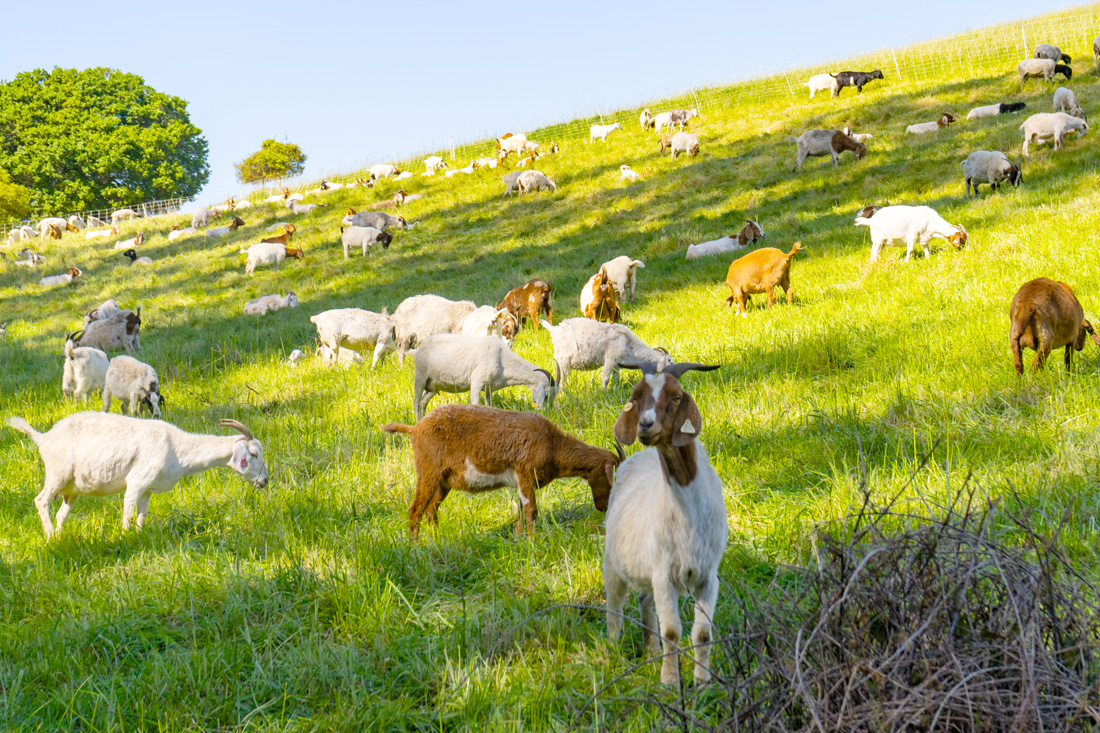
Goats are the most widely-dispersed meat animals and have been raised for centuries to provide meat, milk, fiber, cashmere and leather. Due to their small size, adaptability to harsh environments and availability, they have been more popular in nations lacking refrigeration, animal management skills and modern transportation. This publication deals solely with Spanish or meat-type goats in Georgia and covers their history, selection and management—from predator and disease control to reproduction and marketing.
|
-

An Excel workbook, Nutritional Response Determination Optimization (NuRDO). has been developed to simulate the optimal number or nutrient levels and replicates per level when planning nutritional requirement studies. With NuRDO, researchers can simulate data from what they think is the real shape of the response curve. They can then run up to 1,000 simulated experiments to see the combination of levels and replications that minimize the standard error or the requirements and other parameters for the broken-line models. SK and hyperbolic models. For example, consider the BLL model with a “true” requirement (REQ) of 5.2, a maximum of 99 units, a rate constant of 18.6 and a CV of 10%:For 5 input levels and 10 reps per level, the estimated REQ ± SD is equal to 5.196±0. 106, for 10 levels & 5 reps each, the REQ is 5.231±0 .157. The workbook can be used in this manner to determine the best combination of levels and reps to improve the chances or getting the best results possible from experiments.
|
-

New feed ingredients are evaluated and introduced to the feed industry every year. The evaluation process is necessary and includes feeding birds different levels of the test ingredient to estimate the maximum safe level (MSL). The MSL is usually estimated with a multiple range test, ignoring the fact that this test is inappropriate for this type of feeding trials where the independent variable is continuous. This paper describes the use of the Maximum Ingredient Optimization Workbook (MIOW) in estimating the MSL and determining the optimal combination or ingredient levels and replications for most efficient experimental design of future feeding trials. The MIOW calculates the results and the related descriptive statistics (SD, SE, Cl, and R2) based on simulation and non-linear regression models (broken-line linear and broken-line quadratic models).
|
-
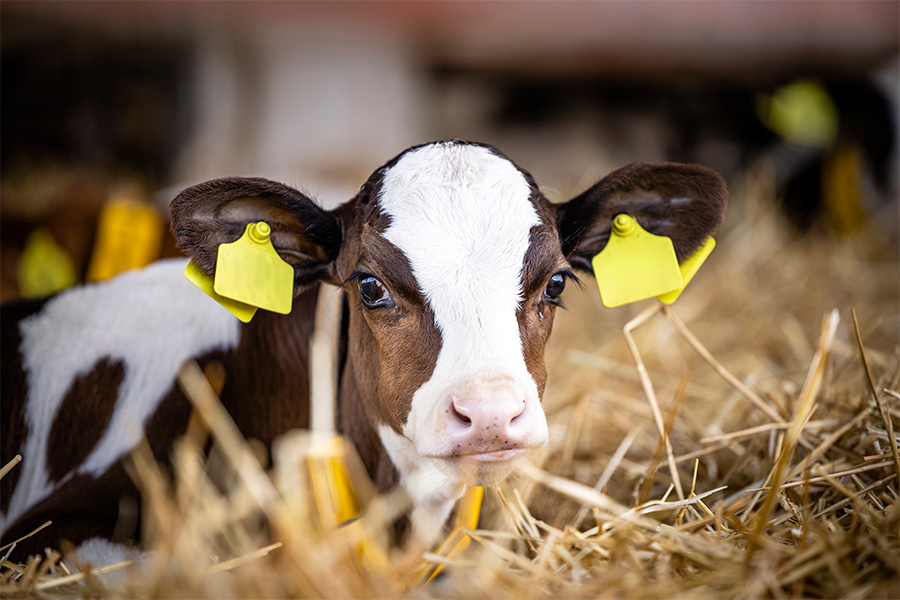
Profitable cattle marketing means producing the most profitable calf, selling through the most profitable market outlet and pricing at the most profitable time. Unfortunately, most cow-calf producers simply sell their calves. Marketing means choices on how or what to put on the market, where to market and when to price. The first step in becoming a cattle marketer is to recognize all your alternatives and evaluate each in light of potential cost and returns, selecting the most profitable rather than the most convenient alternative.
|
-

Drought does not develop overnight but progressively over time. Proper management during a drought period can make or break a producer’s ability to stay in the cattle business. One main concern during a drought period is feeding and nutrition of the cow herd. Several problems could arise due to drought conditions. A good producer should stay alert for warning signs and avoid potentially damaging situations.
|
-

The number of calves sold is a major source of income from a cow/calf operation. A high percent calf crop increases profit. Reproductive efficiency is the first factor to consider in a breeding program. A beef cow must conceive in the first 40 to 60 days of the breeding season, have a live calf unassisted, breed back to calve every 12 months, and raise a calf that is heavy enough to be profitable. To accomplish this, she must be managed correctly.
|
-

Adjust rations for the dry matter (DM) content of each feed, especially when wet feeds, such as silage, are fed. Small changes in the DM content will change the nutrient profile of the ration. The potential results of not monitoring the DM content of wet feeds and adjusting rations accordingly are a combination of problems including decreased animal performance and feed efficiency and increased health problems and feed cost.
|
-

Research has demonstrated that proper dry-off methods are vital in promoting udder health during the nonlactating period and at calving. For high producing cows, it may be necessary to decrease dietary energy over the last 1-2 weeks of lactation by increasing fiber and eliminating grain. Abrupt cessation of milking is probably as good as intermittent milking with a diet change for low and medium producing cows; however, intermittent milking is recommended for high producing cows to decrease milk yield and minimize leakage at dry-off, which could lead to mastitis. First lactation cows should be given a 50- to 60-day dry period, but multiparous animals fare well with a 35- to 45-day dry period. Selective dry cow therapy with non lactating cow antibiotics plus teat seal is as effective as blanket dry cow therapy with non lactating cow antibiotics plus teat seal for cows with SCC less than 200,000/ml. However, blanket dry therapy with both products is recommended for cows that dry off with greater than 200,000/ml. It is important to follow recommended infusion techniques to preserve the protective components of teat canal keratin and the sphincter muscle. And lastly, use of coliform vaccines will enhance immunity over the dry period and reduce clinical coliform mastitis in early lactation. This publication address these topics in more detail in order to help producers prevent mastitis in their dairy herds.
|