Animal Production Resources
-
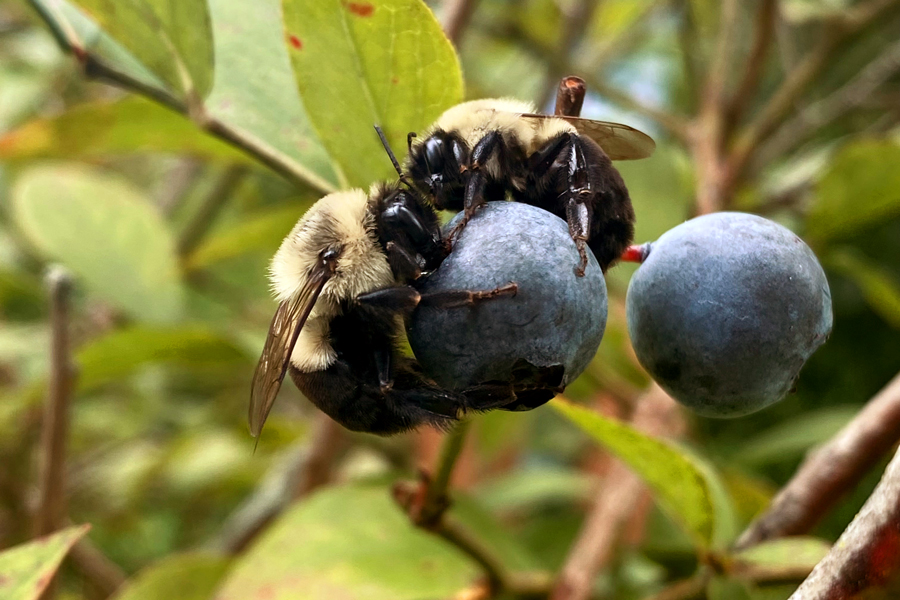
Esta guía muestra las abejas silvestres más comunes de las plantaciones de arándanos en el sur de Georgia. El material presentado aquí es un resumen visual del muestreo de 2021 y 2022 en campos comerciales de arándanos de los condados productores más importantes: Bacon, Pierce y Ware. En total, se encontraron más de 70 especies de abejas. La contribución de las abejas silvestres a la polinización de los arándanos es cada vez más reconocida. La identificación adecuada de estos insectos en el campo es una parte fundamental de los esfuerzos de conservación.
|
-
B 1500
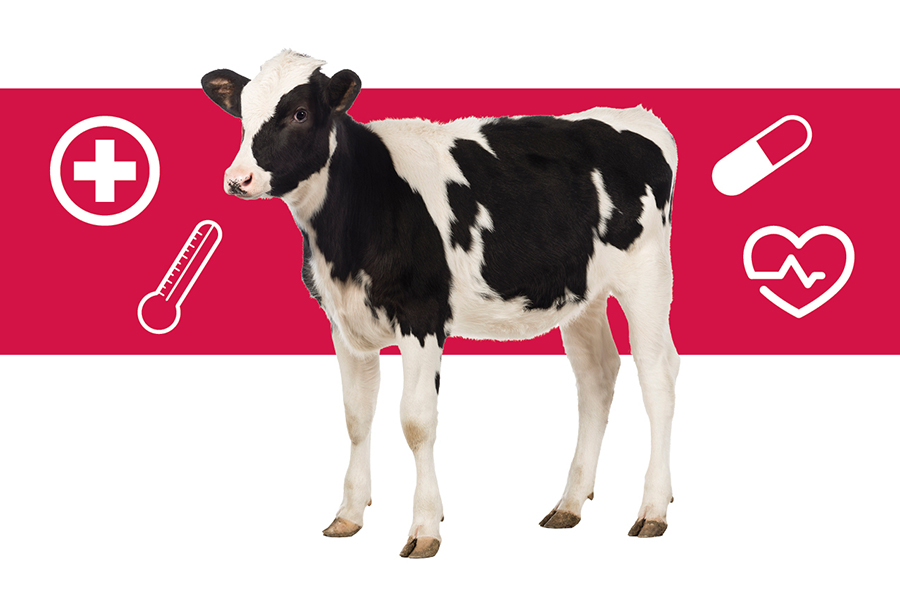
Calf Health Basics
Calf health is a key variable for calf growth and performance. Producers should not expect to know all calf health issues, causes, and the most successful treatments. Instead, a producer’s main goal should be to accurately identify and differentiate normal from abnormal in a calf’s physical state and behavior. The topics discussed in this publications are intended to help producers notice key areas of observation while also helping to identify normal and abnormal health parameters in calves. This information can also be used to develop calf management protocols and treatment strategies.
|
-
C 553
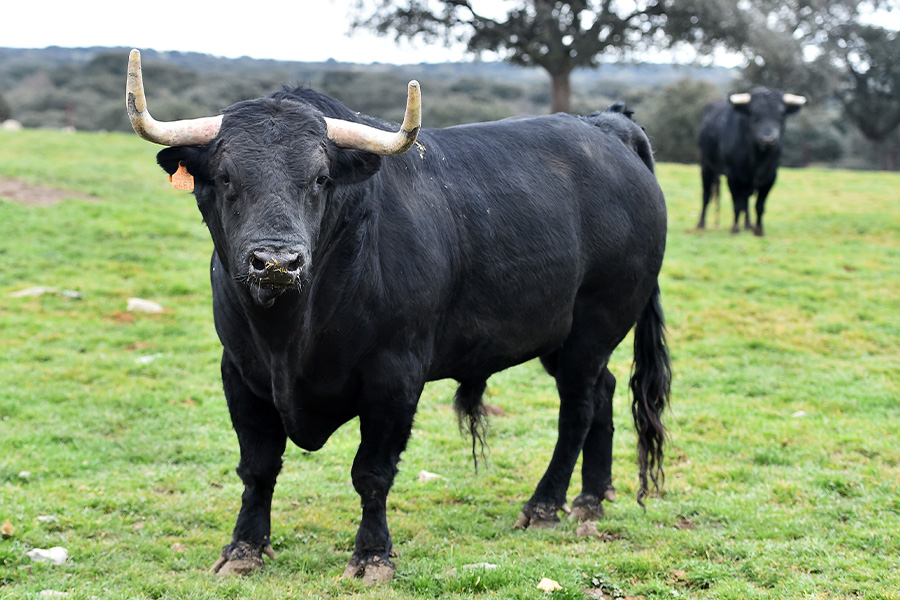
Bull Buyer’s Guide
Bull procurement decisions can greatly impact your future calf crops and herd genetics for many years. Selecting and buying a herd bull is the quickest way to make genetic improvement in your herd. The selection process must include looking for those traits that are economically important and highly heritable. Demand and buy bulls with total performance that will improve your herd. This publication discusses factors to consider when purchasing a new bull.
|
-
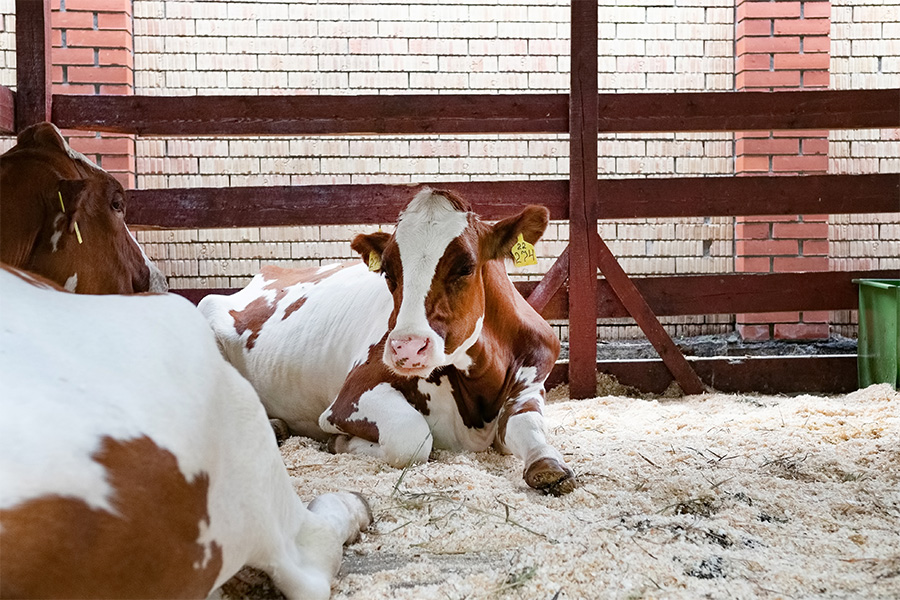
Cow behavior is critical for animal well-being and performance and influenced by many factors, such as heat stress. Under thermo-neutral conditions, cows spend half a day lying down and the rest of the time is distributed into standing, feeding and milking. However, when cows are exposed to heat stress, they spend less time lying down but more time standing up. The altered cattle behavior by heat stress may be associated with impaired productive and reproductive performance and an increase in disease incidence.
This publication focuses on the impacts of environmental heat stress on cattle behavior and the possibly related consequences.
|
-
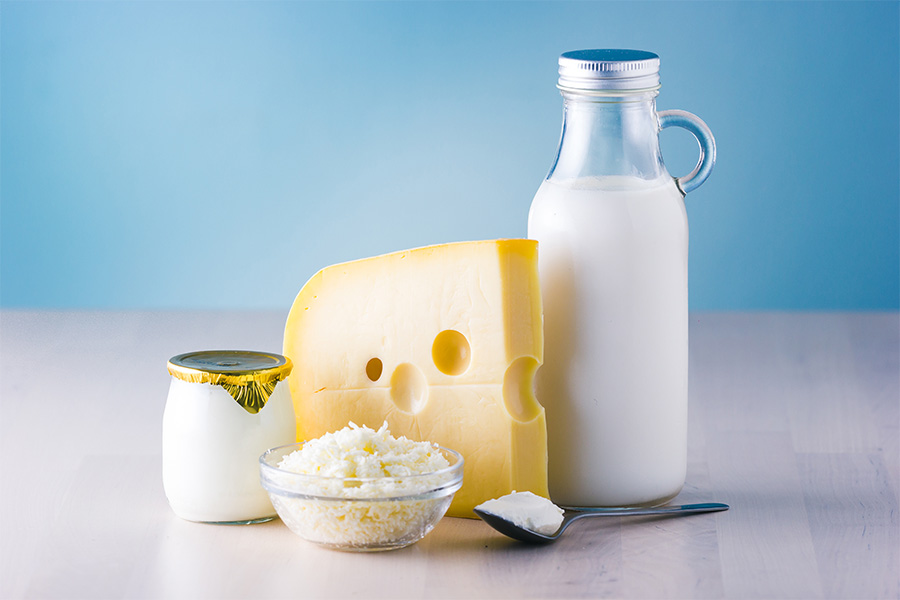
This bulletin provides information for producers, nutritionists, and feed industry personnel on formulating diets to maintain or improve milk composition. The value of milk components is increasing more than skim milk, so this topic impacts all dairy farmers. The publication provides information on feeding dairy cows for improved yield of milk components, providing background on how the cow synthesizes milk components and the dietary factors that affect milk component yield.
|
-

Infectious Bovine Rhinotracheitis (IBR), commonly referred to as “Rednose,” is a disease resulting from bovine herpesvirus type 1 (BHV-1). The detriment of the disease, as well as the positive benefits vaccination can have on a reproductive program, needs to be on the forefront of a producer’s herd health program.
|
-
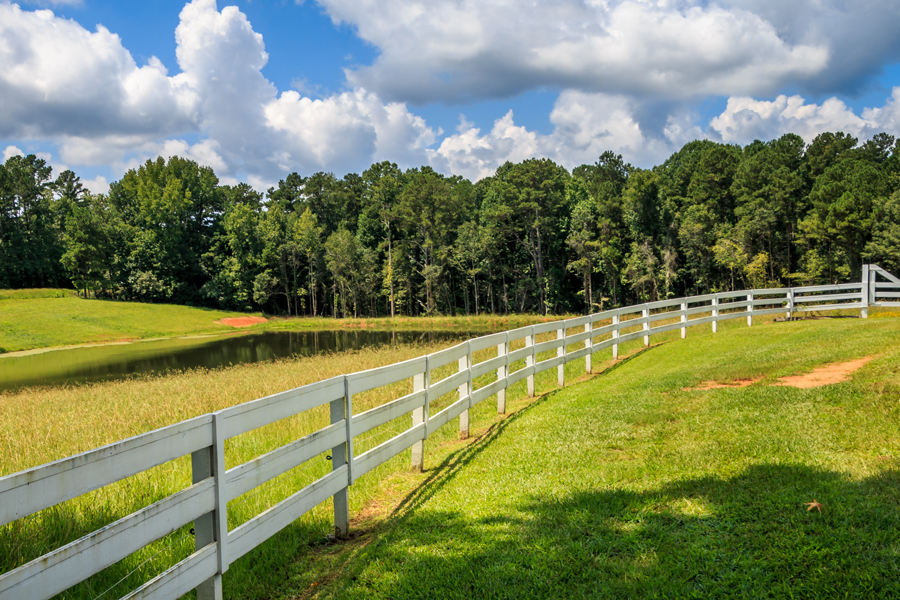
C 774
Fences for the Farm
Fences may be used to protect or divide property, to improve its appearance, to confine animals, or to exclude animals. This publication covers the planning for, type of, materials for, and maintenance of permanent and temporary fences.
|
-
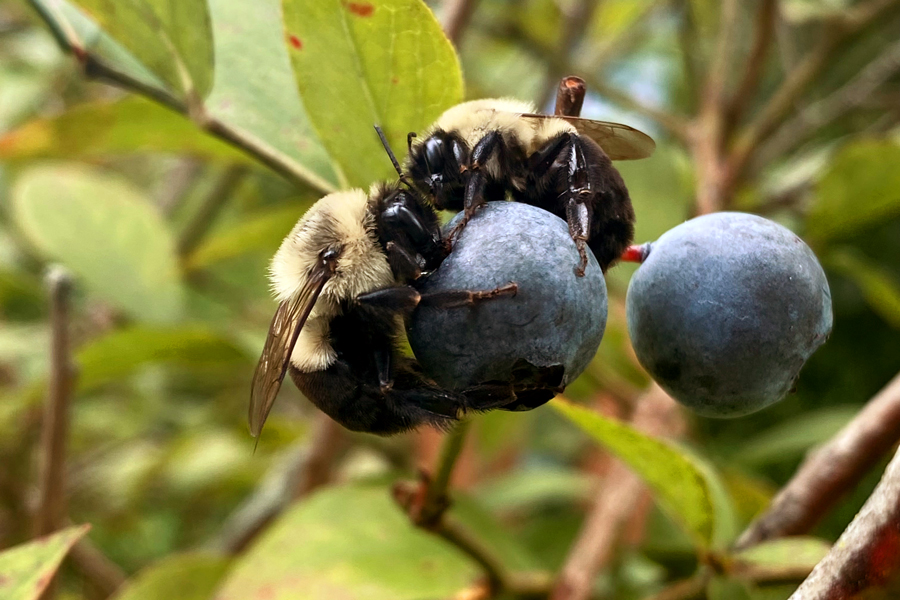
This visual guide helps people identify common wild bees encountered in blueberry systems. The contribution of wild bees to blueberry pollination has is becoming widely recognized. Proper identification of these insects in the field is critical part of conservation efforts.
|
-
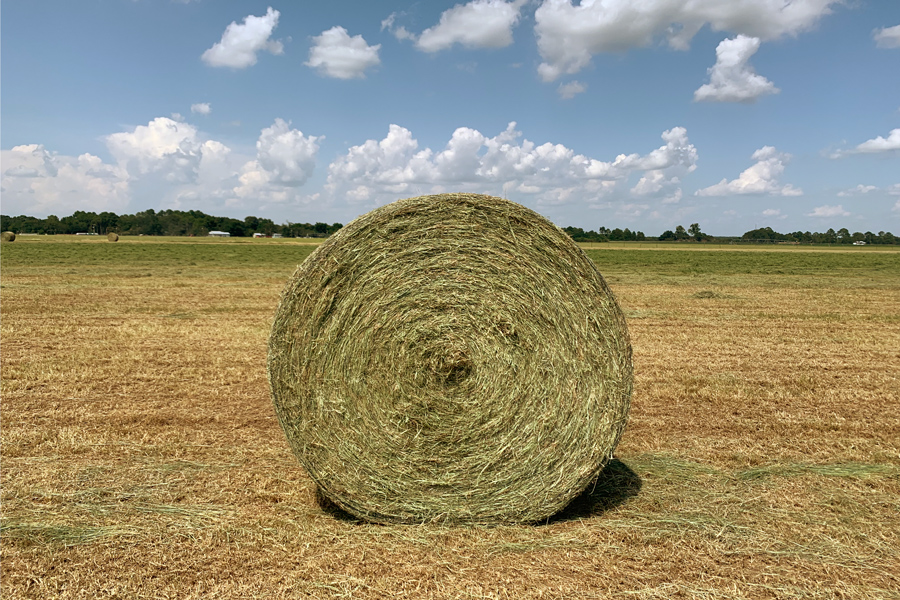
This resource is useful for anyone working directly with livestock producers to interpret and use forage reports. It also provides a “checklist” for taking forage samples from hay or baleage bales. It summarizes how to properly collect a forage sample, read the basic components of the lab’s report, and use the report for developing a basic feed plan.
|