Blueberries Resources
-
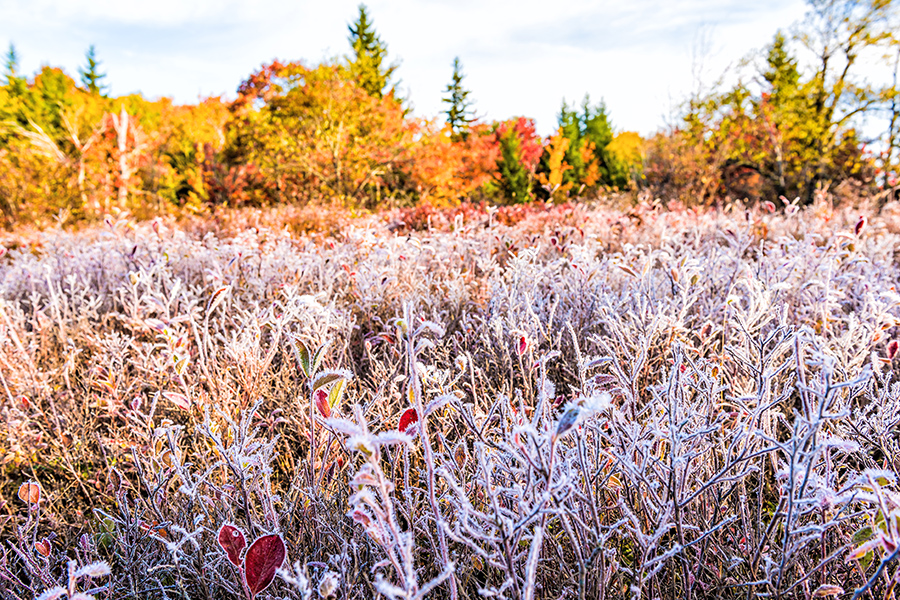
Frost protection systems tremendously benefit commercial blueberry production in Georgia. These systems are expensive and usually configured as overhead irrigation systems. For the system to provide protection, it must operate as soon as it’s needed. The best practice for maintaining a frost protection system is to perform preventative maintenance service every late fall or early winter. This publication offers blueberry growers suggestions on how to prepare their frost protection systems for future operation. Recommendations include a check-off list for maintenance and inspection of overhead irrigation systems, important considerations when preparing for freeze events.
|
-
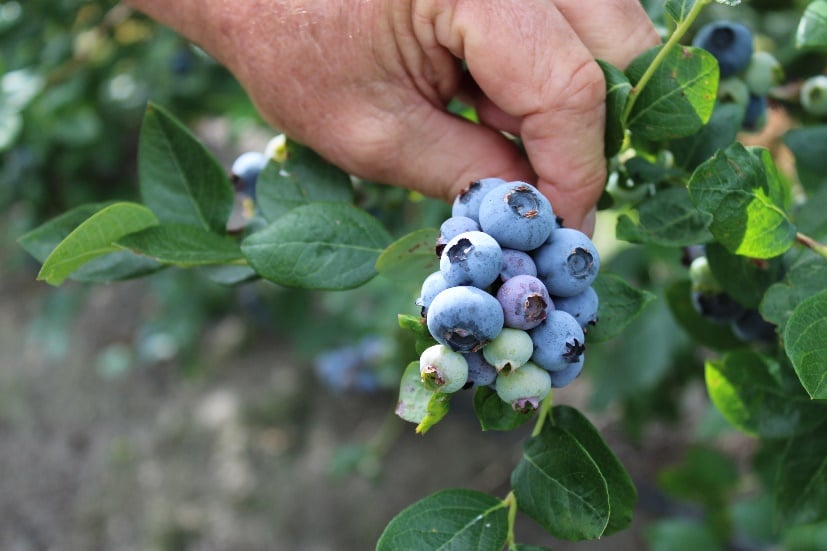
Calcium is an important nutrient if blueberry production. Calcium deficiency can cause fruit quality issues. This resource focuses on quantifying the calcium concentrations at different stages of berry development and within the berry.
|
-
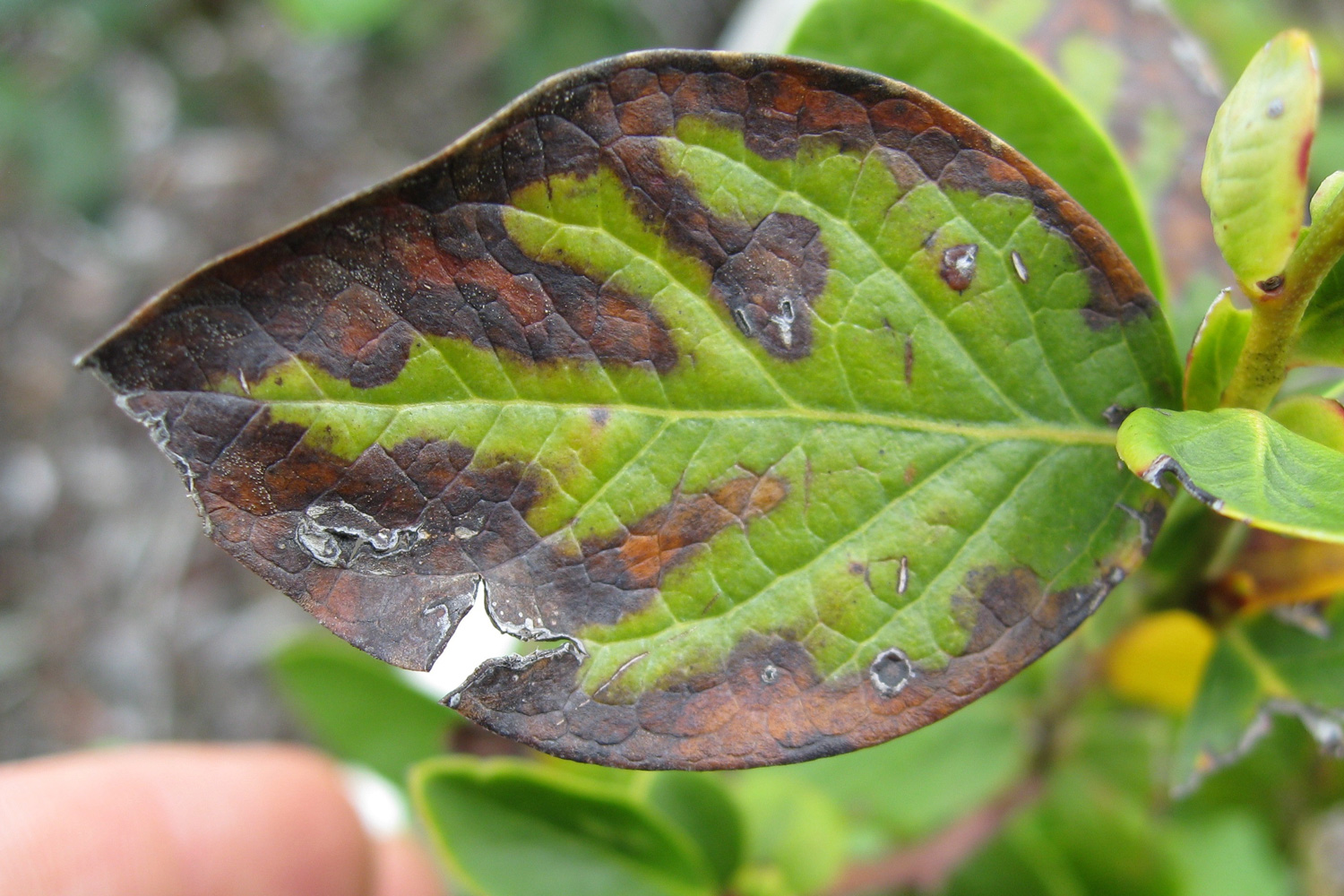
A new disease has been identified in the Georgia blueberry production region. This disease has been named “bacterial leaf scorch.” This resource covers identification and control methods.
|
-

This field guide is based on a 2-year study of ground-dwelling spiders in blueberry farms in southeastern Georgia and shows the most common spider families and genera found. This guide is for farmers, students, and educators to help them recognize these groups. Spiders are helpful organisms that feed on insects and other small creatures. In many cases, they are among the most effective natural controls of pest insects in gardens, farms, forests, and even inside homes.
|
-
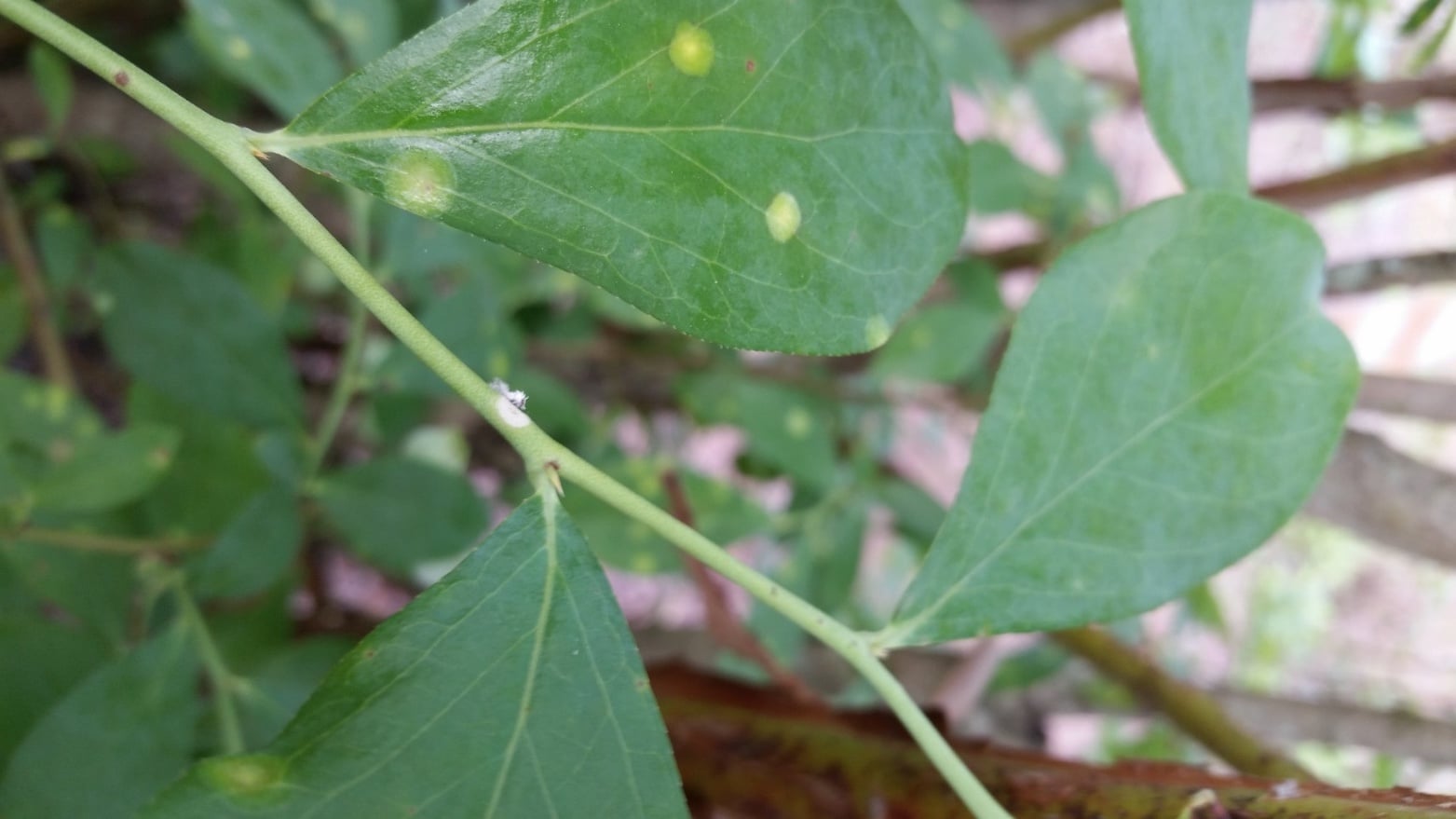
Exobasidium leaf and fruit spot, caused by the fungus Exobasidium maculosum, is an emerging disease affecting both southern highbush and rabbiteye blueberries. In addition to direct yield loss due to fruit drop, lesions on remaining fruit compromise the aesthetic qualities of the fruit as well as the taste, rendering them unmarketable. This circular provides the most current knowledge of this important pathogen/disease of blueberry and its management.
|
-
SB 48-05
Home Orchard Pest Management
This section of the Home & Garden Edition covers pest control in home orchards, including apples, peaches, bunch grapes, muscadines, strawberries, blueberries, and other fruits. Beginning in 2022, the Home & Garden Edition has been updated biennially. When purchasing a product based on a first-year recommendation of the Handbook, check the current product label before purchase to be sure it is still labeled for the use for which you are buying it. For pesticide products you have on hand from earlier purchases, you are allowed to use them until they are depleted without penalty under the law. Always follow label instructions before use. Contact the product’s manufacturer for the most up-to-date label.
|
-

To be more competitive, Georgia blueberry producers have to increase their yields to match or better the average U.S. values. This increase can occur through an improvement of the agricultural practices and a better mastery of blueberry cultivation. This publication contains information to help Southern Highbush blueberry growers in Georgia maximize their profits.
|
-
AP 130-4-10
2026 Fruits and Tree Nuts Outlook
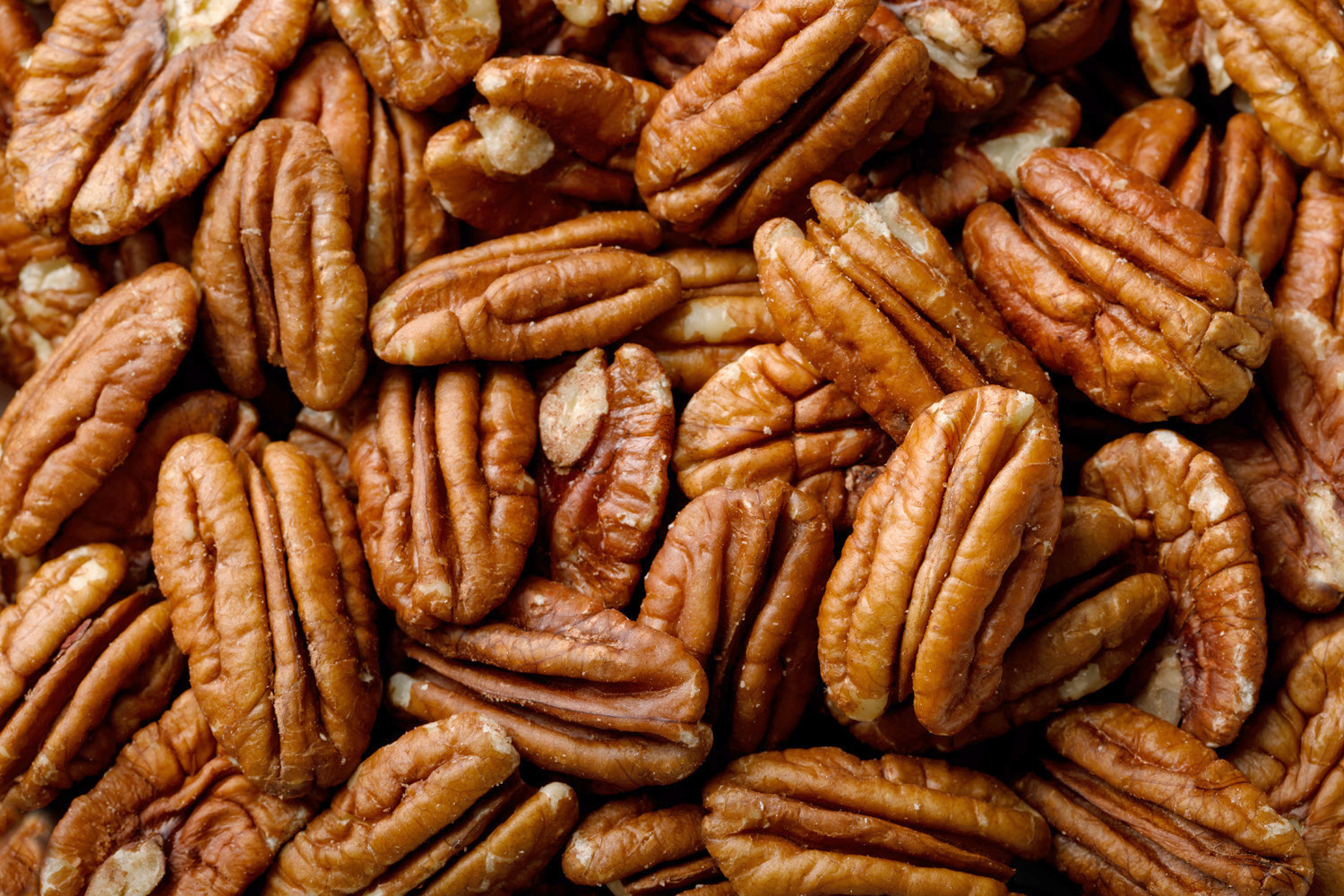
The key points for 2026 are: Blueberries will continue to lead the Georgia fruits and tree nuts industry in 2026 and subsequent years; it will be challenging for the Georgia pecan industry to regain its leadership position in the fruits and nuts category, but the industry will remain strong in 2026; consumer and grower price indexes will remain strong in 2026.
|
-

The southeastern blueberry bee is an economically valuable pollinator in commercial blueberry production in Georgia. Researchers see a need for conservation of this species, and this resource provides detailed information on its identification, biology, nesting habitat, and floral hosts. It also incorporates research data from recent study in commercial blueberry system in south Georgia.
|