Center for Urban Agriculture Resources
-
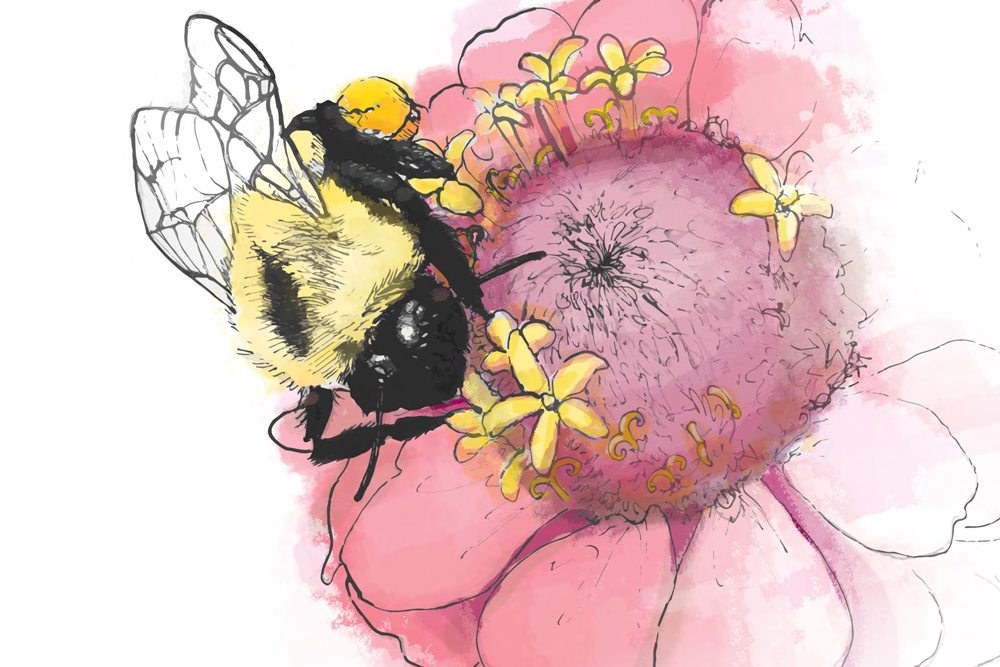
A pollinator-friendly and ecologically sustainable garden is both beautiful and able to attract and sustain beneficial insects, reducing the need for pesticides. This publication is based on new research in habitat management for purposes of planting insect-attracting plant species in order to intentionally draw insects to garden areas and urban landscapes. This is done by providing a refuge for the insects during winter and nectar and pollen resources. Plant selection directly affects beneficial insect populations, those insects that can provide ecological benefits such as biodiversity and natural pest control. This concept of “habitat management” can lead to potential increases in pollinating and other beneficial insect populations. An increase in these populations in landscapes will contribute to improved pollination of plants and biological pest control and reduce the need for pesticides.
|
-
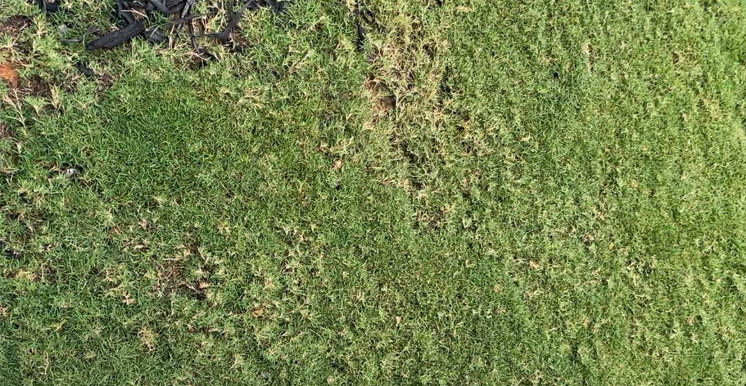
Turfgrass is an important component of many landscapes. Research has shown that landscapes support diverse, abundant, and intact bee communities in New York, California, and Ohio. In fact, the abundance and diversity of bees visiting home landscapes have been observed to approach, and even exceed, numbers in nearby natural and/or agricultural systems. If the turfgrass has been treated or is being treated with insecticides, the pollinators can be exposed directly or indirectly to the insecticides on the weeds. This can cause lethal or sublethal effects on these pollinators. The guidelines in this publication will reduce insecticide exposure to pollinators as they seek nectar and pollen from plants around lawns.
|
-
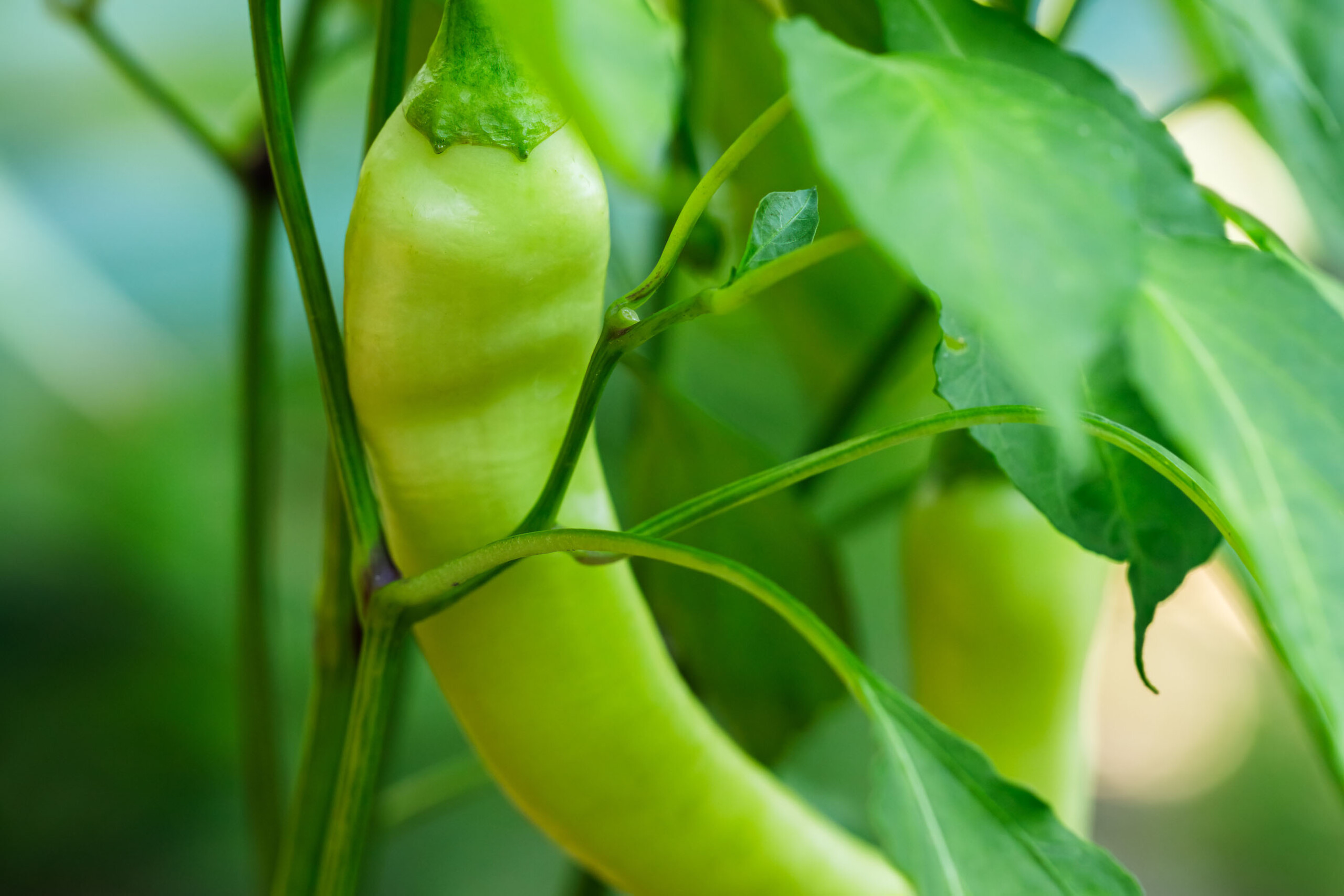
This publication discusses heirloom vegetable choices and some of the common issues that growers may encounter when growing heirloom vegetables in a home garden setting. Additional author: Whitney Richardson, University of Georgia Center for Urban Agriculture, with technical assistance from Makenzie English, University of Georgia Department of Horticulture Program Assistant.
|
-
C 1208
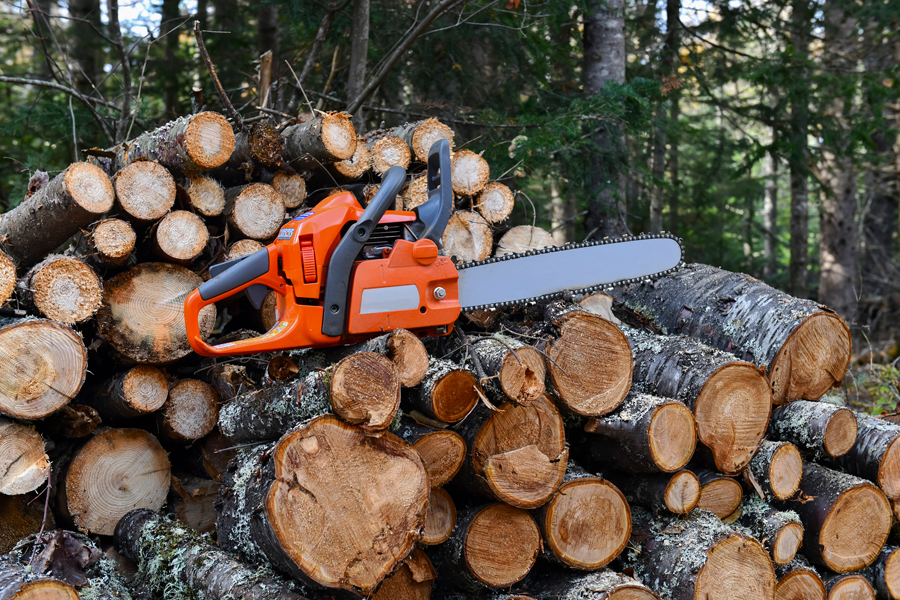
Chainsaw Chains and Bars
The action end of a chainsaw, or the part that cuts, is made of the bar and the chain. Chainsaw chains come in many sizes and configurations and not all saws can handle all bars. To make the right choices for the job, a saw operator should be aware of the cutter type, pitch, gauge, and cutter configuration when purchasing a chain or a chainsaw.
|
-

Homeowner associations strive to provide attractive and functional landscapes for HOA members. Your county Cooperative Extension agent is a valuable collaborator in this quest. UGA Extension agents can provide access to university resources and scientific information that may help you manage the community water features, troubleshoot pest problems, update covenants, and more.
|
-
C 1100
Is My Tree Dying?
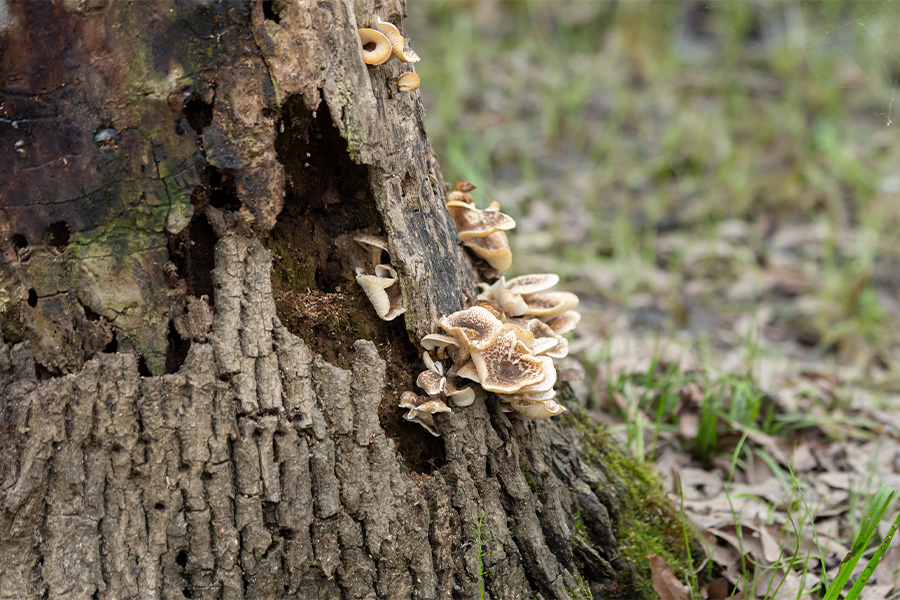
This publication outlines a tree inspection process that will help the homeowner identity potential problems and more effectively discuss the tree’s condition with an Extension agent or certified arborist. The inspection begins at the base of the tree and moves to the canopy, highlighting potential tree health problems.
|
-
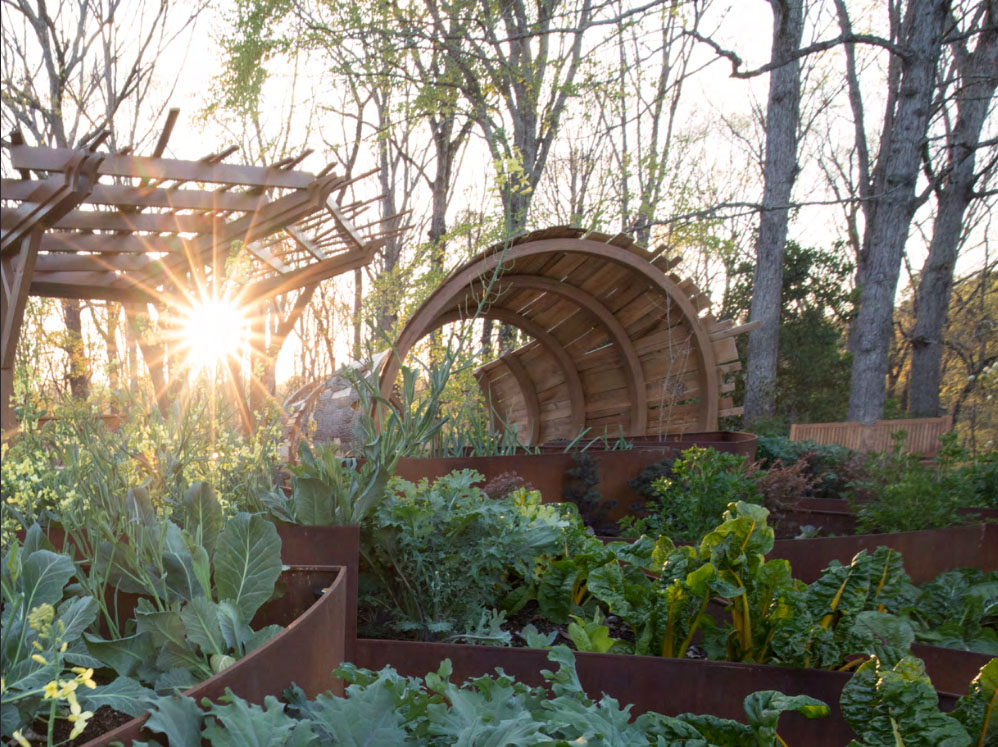
Summer management of the school garden can be a challenge for educators and school gardeners. This resource presents several possible strategies for handling the garden so that teachers and administrations come back to school in the fall with a garden ready for use.
|
-
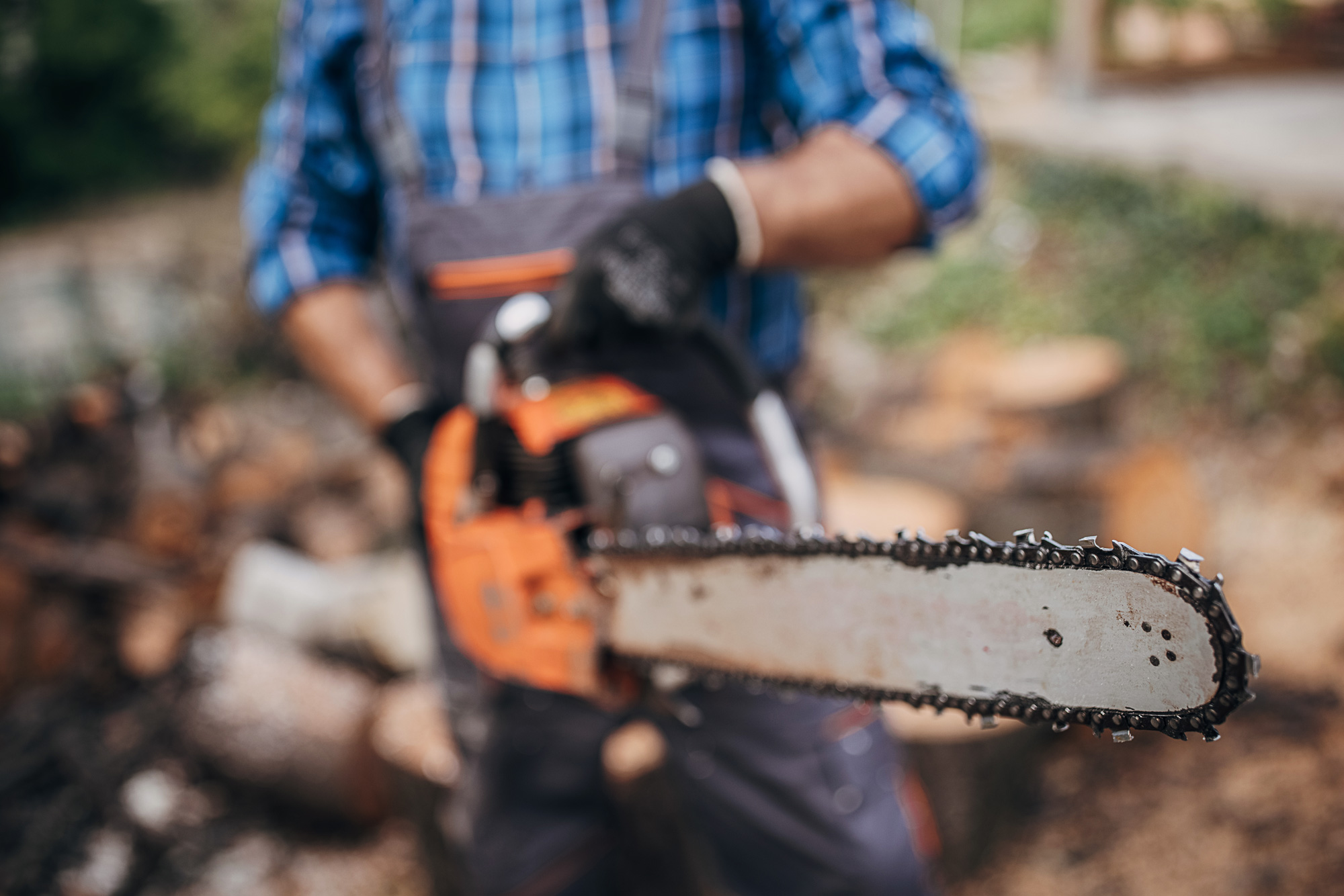
Many people help with tree cleanup after storms pass through. Some are citizen volunteers, and others are private and public sector workers who may or may not have experience with chainsaws. This presentation covers the information every chainsaw operator needs to know before turning on the saw. Topics include personal protective equipment, the five essential safety features of a chainsaw, safe carry, safe start, insect pests, site inspection, and electrical/electrocution hazards.
|
-
Muchas personas ayudan con la limpieza de los árboles después de las tormentas. Algunos son ciudadanos voluntarios; otros son trabajadores del sector público y privado que pueden o no tener experiencia con motosierras. Este PowerPoint cubre la información que todo operador de motosierra necesita saber antes de encender la motosierra. Los temas incluyen equipo de protección personal, las cinco características esenciales de seguridad de una motosierra, transporte seguro, arranque seguro de la motosierra, plagas de insectos, inspección del sitio y riesgos con electricidad/electrocución.
|