Commercial Fruit Resources
-
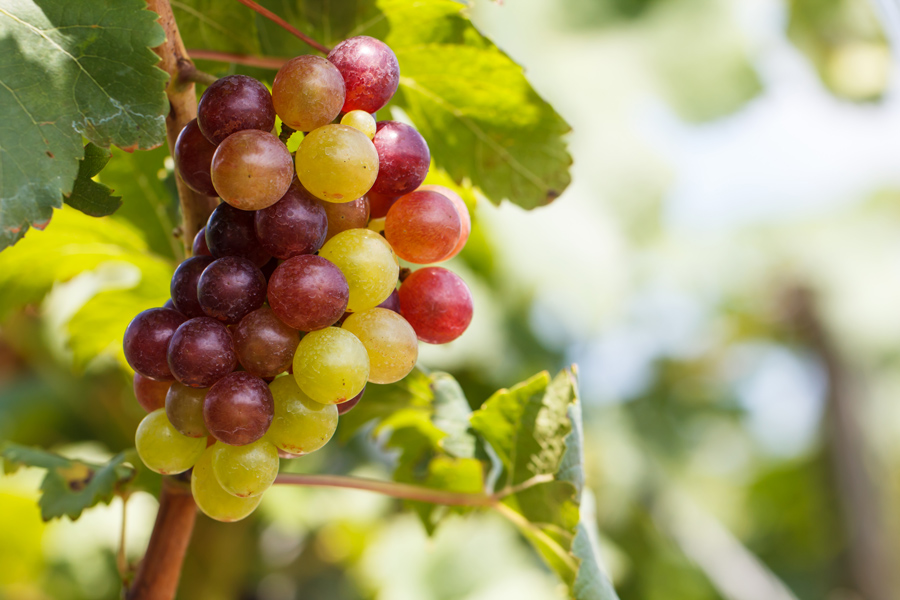
C 1303
Muscadine Grape Management
This phenology-based muscadine grape management poster provides a reference for sound viticultural, disease, and insect management practices in a digestible format. Produced in cooperation with University of Tennessee, North Carolina State University, University of Arkansas, and Auburn University. A publication of the Southern Region Small Fruit Consortium.
|
-
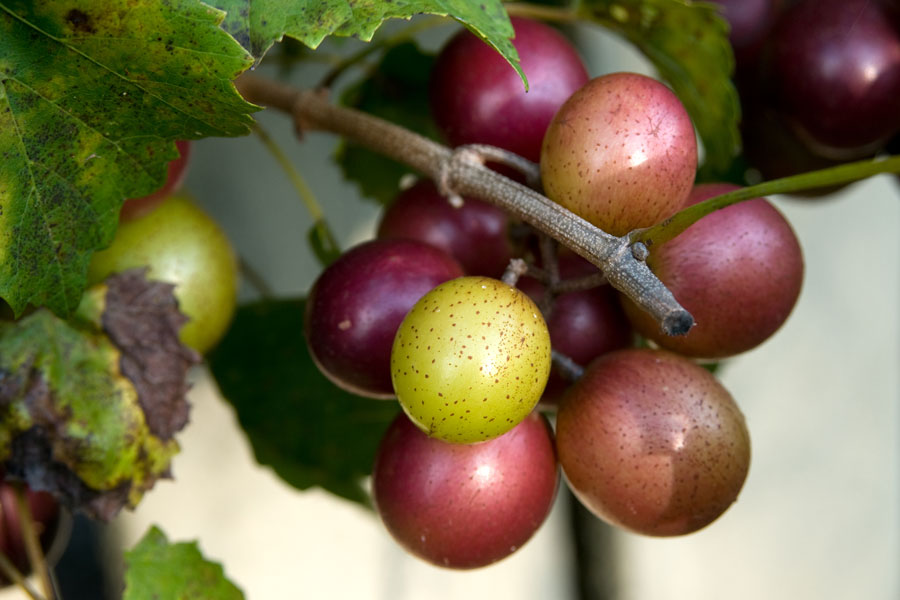
This 2024 update to the regional integrated pest management guide provides recommendations for muscadine grape production in the Southeastern U.S. Recommendations are based on information from the manufacturer’s label and performance data from research and Extension field tests. This publication is intended for use only as a guide. Specific rates and application methods are on the pesticide label, and these are subject to change at any time.
|
-

In this video, you will learn how to judge the optimum maturity of strawberries for harvest and how to identify the main quality attributes that are important for maximum postharvest shelf life.
|
-

C 1300-02
Cross-Contamination
Cross-contamination, resulting in foodborne pathogen contamination of small fruits, can occur at any point throughout production and post-harvest handling. This video discusses techniques and best practices for growers and packers to ensure the production of safe, high-quality small fruits. This video was produced in collaboration with the Auburn Department of Horticulture.
|
-

AP 130-2-10
2024 Fruits and Tree Nuts Outlook
1. High prices for peach producers helped a strong producer price index in the 2022–2023 crop season. The PPI is expected to stay strong in 2024.
2. Favorable prices came from production shortages, caused by bad weather in Q1 of 2023 that devasted the Georgia and South Carolina peach industries.
3. Citrus experienced the lowest production recorded in 50 years, and growers now prefer fresh market citrus instead of processed.
4. For blueberries, the newly signed memorandum to export 800 tons to the EU market will help maintain strong prices in the 2024 crop season.|
-
C 1300-01
Foodborne Illnesses
Foodborne illnesses sicken approximately 48 million Americans a year and result in significant financial losses for the food industry. Outbreaks of foodborne illness have been linked to consumption of small fruit products, but growers and packers can take precautions to reduce food safety risks on their operations. This video discusses what foodborne illnesses are, what causes them, and basic steps that can be taken to ensure the production of safe fruit. This video was produced in collaboration with the Auburn Department of Horticulture.
|
-

Many produce farms choose to exclude domesticated animals to prevent the spread of fecal contamination to produce crops. However, when farms allow members of the general public access to U-pick fields, on-farm restaurants, or roadside markets, the Americans for Disabilities Act (ADA) protects the rights of individuals who may require the assistance of a service animal. This publication explains what steps a farm must take to ensure an individual requiring a service animal is not excluded from on-farm activities, while also protecting food safety.
|
-
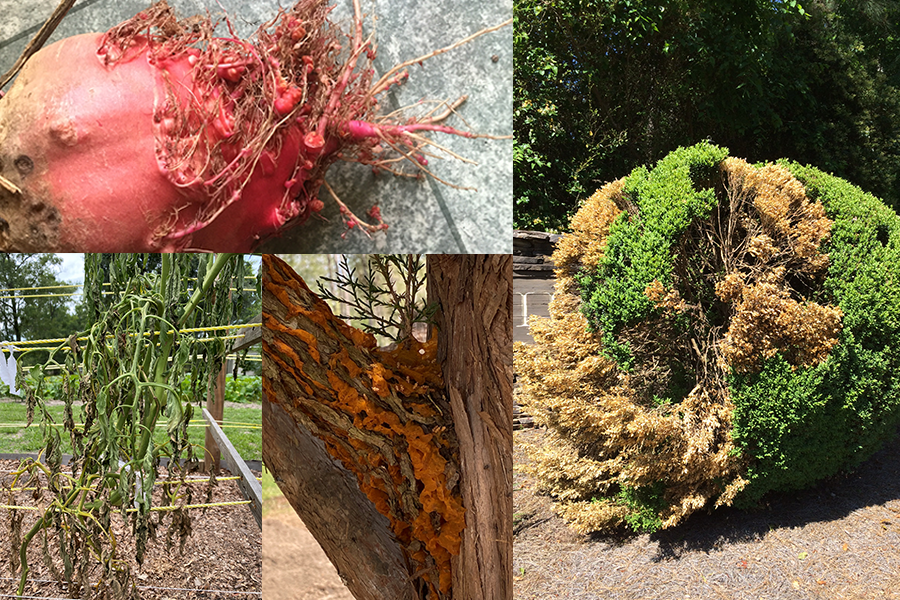
2021 plant disease losses, including control costs, amounted to an estimated $889 million. The value of the crops used in this estimate was approximately $7690 million, resulting in a 11.6% relative disease loss across all crops included in this summary. For most crops, the estimated values used to compute these disease losses are summarized in the UGA Center for Agribusiness & Economic Development’s “2021 Georgia Farm Gate Value Report” (AR-22-01). Some estimates for fruits, ornamentals, and turf rely on specialists’ knowledge of the industry and industry sources for information.
|
-

This brief video describes how, when, and where to collect a postharvest water sample intended for generic E. coli testing, as required by the Produce Safety Rule for produce wash water.
|