Commercial Plant Disease Resources
-
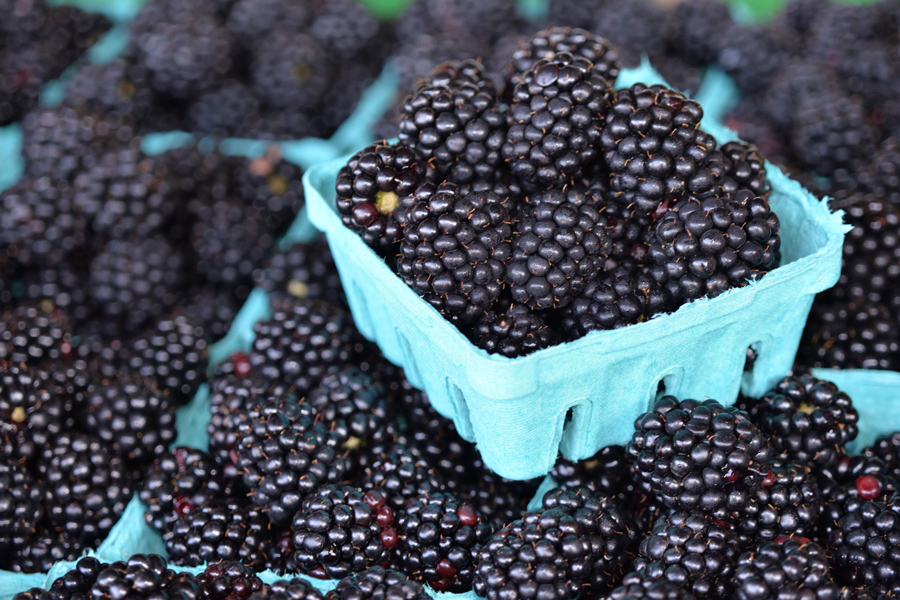
This integrated pest management (IPM) guide for blackberry and raspberry production includes management of diseases, insects, and weeds through IPM principles. Topics include pesticide stewardship and safety, insect and disease control, pre-transplant and transplant operations, fungicides and insecticide efficacy comparisons, and spray schedules, weed management, wildlife damage, and more. Recommendations are based on information from the manufacturer’s label and performance data from research and Extension field tests. Specific rates and application methods are on the pesticide label, and these are subject to change at any time. This publication is a product of the Southern Region Small Fruit Consortium.
|
-
C 1180
Fescue Toxicosis in Horses
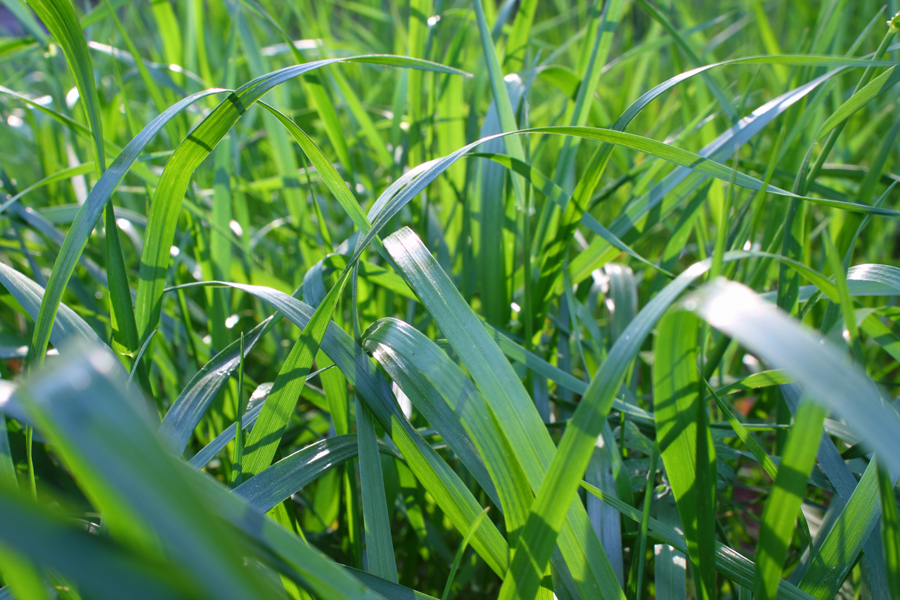
Tall fescue is the primary cool season perennial forage grown in the state of Georgia, and toxicity issues related to the grass can have significant impacts on equine reproduction. Tall fescue is the most heat tolerant of the cool season grasses due to a fungus that grows within the plant called an endophyte. This endophyte produces ergot alkaloids that can have negative effects on animals that eat the infected forage. The toxic effects of the endophyte can be successfully managed by eliminating the grazing or feeding of toxic tall fescue, as described in this publication.
|
-

This publication provides current guidance for insect, disease, and weed control in commercial pecan orchards.
|
-
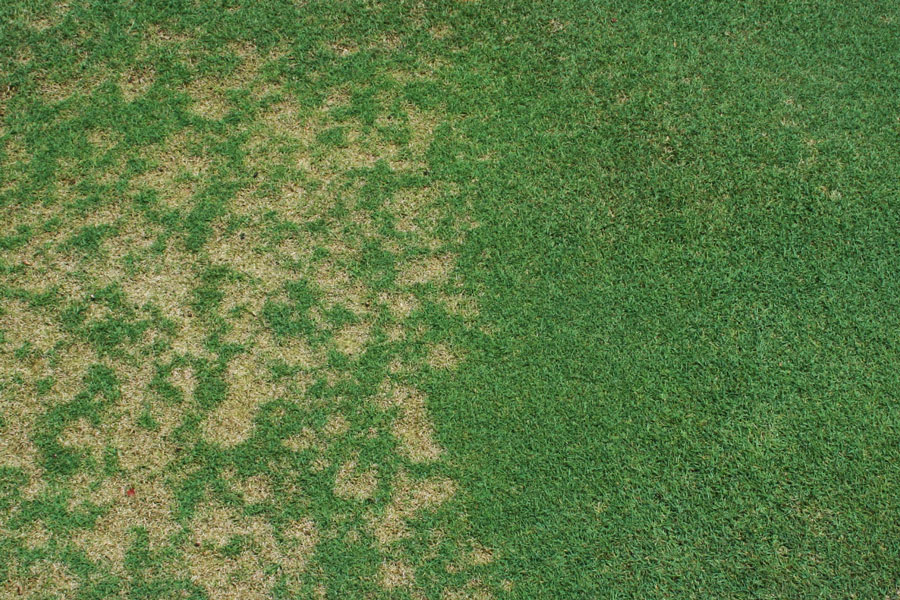
Mancha dólar es una enfermedad omnipresent en cespedes de clima calido y frio en el estado de Georgia. La publicacion contiene informacion importante en la biologia del gente causal, descripcion detallada de los sintomas de la enfermedad (con fotografias de alta definicion), informacion relevante y reciente en las condiciones que favorecen la enfermedad, asi como los metodos de control cultural, genetico y quimico. Esta publicacion es dirigida a profesionales, consultores, agentes de extension y publico en general.
|
-
Dollar spot is an ever-present turfgrass disease that affects all warm and cool season grasses in the state of Georgia. The publication contains important information on the biology of the causal agent, detail description of the disease symptoms (aided by high quality-detailed pictures), relevant up-to-date information on conditions favoring the disease, as well as cultural, genetic and chemical methods of control. The publication is intended for turfgrass professionals, consultants, county faculty, homeowners and general public.
|
-

Plant disease losses in 2023, including control costs, amounted to an estimated $715.43 million. The value of the crops used in this estimate was approximately $6863.22 million, resulting in a 10.42% relative disease loss across all crops included in this summary. Some estimates for fruits, ornamentals, and turf rely on Extension specialists’ knowledge of the industry and industry sources for information. Because of the retirement of the Extension specialist for ornamental and commercial landscapes, disease losses for this category were not included in the report.
|
-

This resource describes whiteflies and the damages they cause in cucurbit crops, and offers recommendations for cucurbit crop varieties for fall season production in southern Georgia that are resistant or tolerant to silverleaf disorder and whitefly-transmitted viruses.
|
-
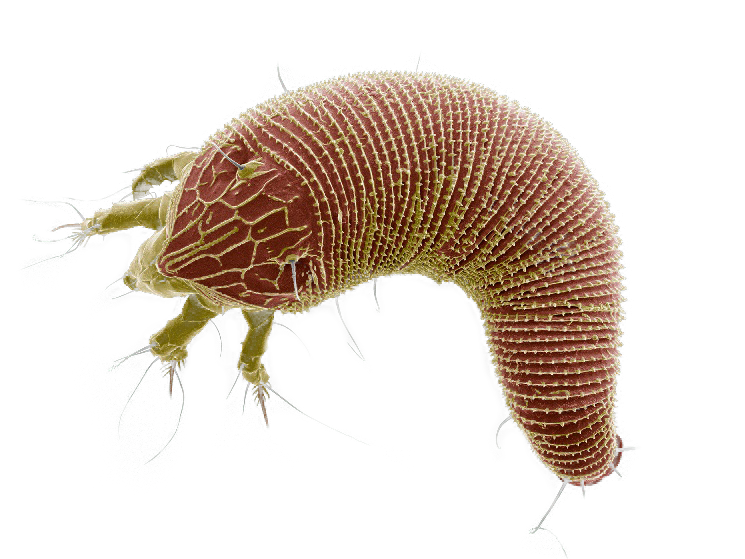
Rose rosette virus can cause major problems for nurseries, landscapers, and gardeners alike. The virus causes the plants to become undesirable and will eventually result in the death of the plant, which affects all segments of the rose industry as well as rosarians and home gardeners. The symptoms of disease on ornamental roses are a yellow mosaic pattern appearing on leaves, increased thorniness, abnormally shaped foliage and early production of lateral buds that make up the witches’ broom. This publication is intended for rose producers and serious rose gardeners interested in technical details of this virus and a mite that transmits it.
|
-
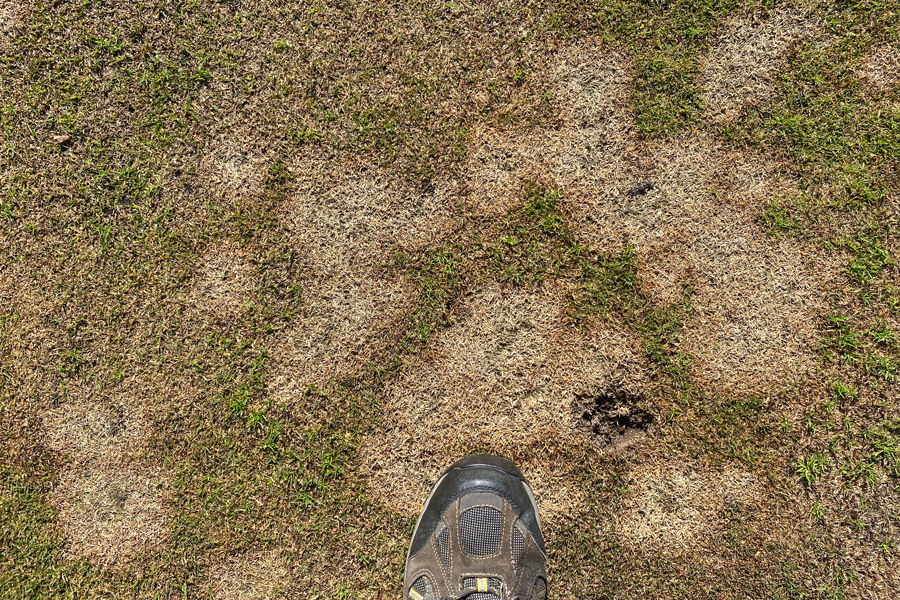
Microdochium puede ser severo tanto en el césped principal como en Poa, Lolium, Festuca pero puede infectar a céspedes de clima cálido si estos tienen un crecimiento activo o están en semi-dormancia. La enfermedad se observa comúnmente en áreas que se han sido resembradas.
|