Commercial Plant Disease Resources
-
 Renewed
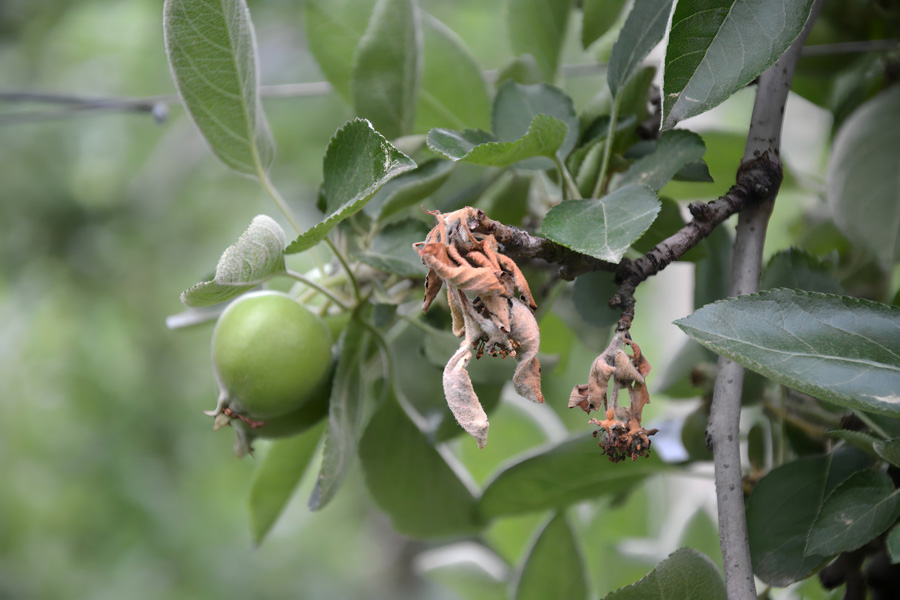
El tizón de fuego de las rosáceas es una enfermedad destructiva, altamente infecciosa y que ocurre en muchas partes del país y es causada por la bacteria Erwinia amylovora. El tizón de fuego es particularmente prevalente en algunos condados de Georgia. La enfermedad puede atacar los botones florales, las hojas, los meristemos apicales, ramas, frutos y las raíces.
|
-
 New
NewGeorgia plant disease losses in 2024, including control costs, amounted to an estimated $860.12 million. The value of the crops used in this estimate was approximately $7,772.59 million, resulting in a 11.07% relative disease loss across all crops included in this summary. The estimated values for most crops used to compute these disease losses are summarized in the UGA Center for Agribusiness & Economic Development 2024 Georgia Farm Gate Value Report (AR-26-01). Some crop value estimates were adjusted based on Extension specialists’ knowledge of the industry and industry sources for information.
|
-

Agente causal, céspedes susceptibles,condiciones que promueven la enfermedad, síntomas y control de mancha parda, mancha dólar, quemazón por Pythium, mancha foliar por Helminthosporium, marchitamiento por Curvularia, mancha foliar gris, anillo de hada, enfermedad toma-todo o pudrición radicular por Gaeumannomyces, roya, hongos gelatinosos y nematodos.
|
-
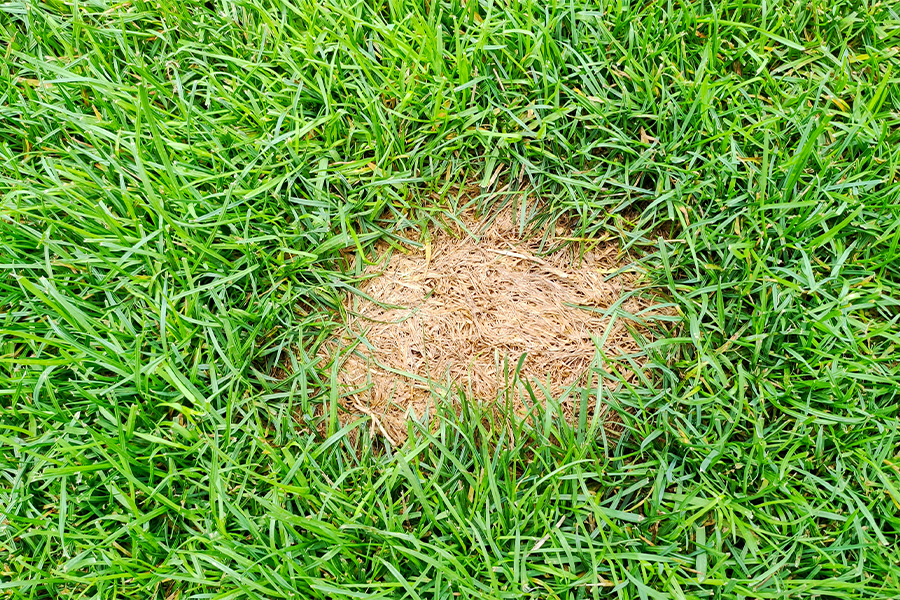
A handy reference for the causal agents, susceptible turfgrasses, conditions promoting disease, symptoms, and control of: brown patch, dollar spot, Pythium, Helminthosporium leaf spot, fading out, gray leaf spot, fairy ring, take-all root rot, rust, slime mold, and nematodes.
|
-
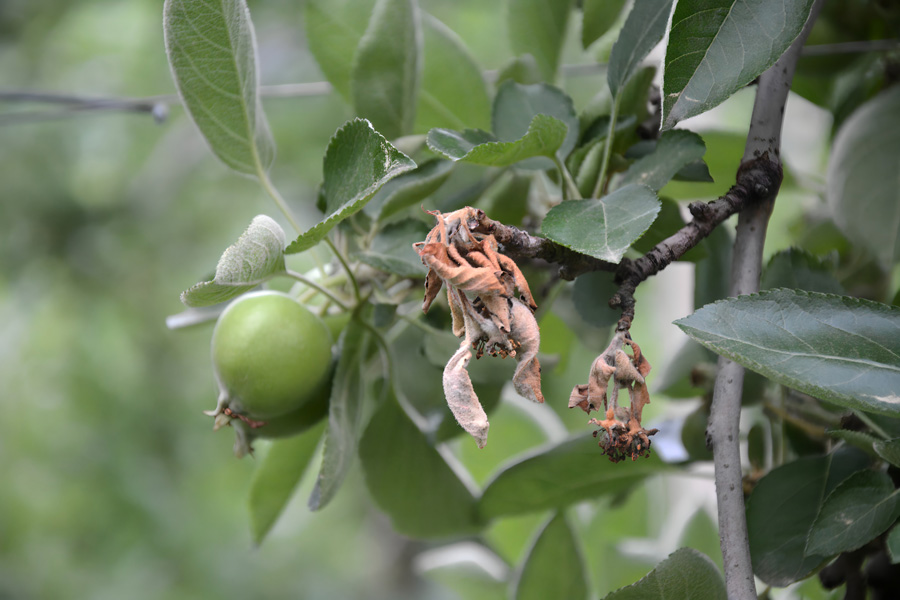
Fireblight is a destructive, highly infectious, and widespread disease. It attacks blossoms, leaves, shoots, branches, fruits, and roots. This publication has some facts and methods to avoid and control the disease.
|
-
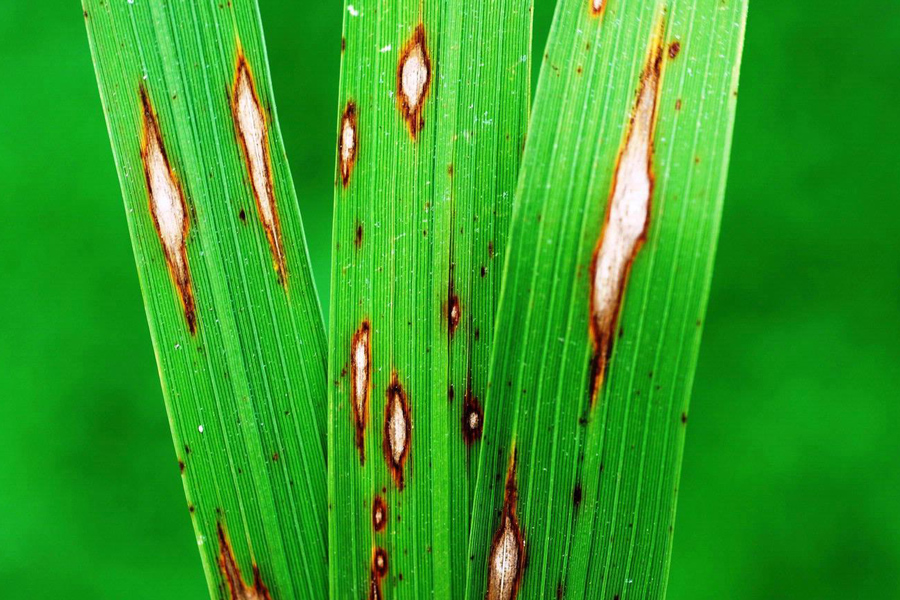
In the state of Georgia, gray leaf spot primarily affects St. Augustinegrass and is particularly chronic and damaging in the coastal area of the state. This publication contains important information on the biology of the causal agent, detailed descriptions and photos of the disease symptoms, information on conditions favoring the disease, as well as cultural, genetic, and chemical methods of control. The publication is intended for turfgrass professionals, consultants, county faculty, homeowners, and the general public.
|
-
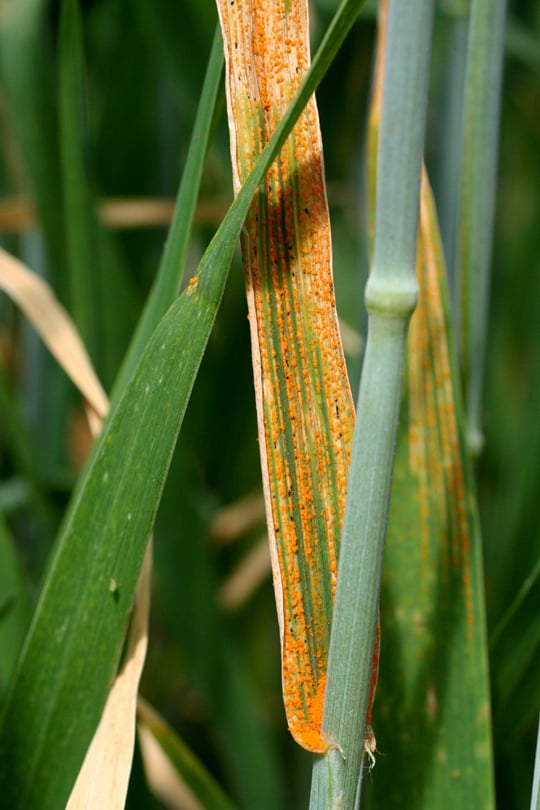
Stripe rust is an emerging disease in the state of Georgia. Evidence of increased aggressiveness of the disease has been reported recently. Rusts are the most economically important group of wheat diseases. More than $5 billion is lost to cereal rusts worldwide each year.
|
-

This report provides research and extension results for trials conducted by the University of Georgia Vegetable Team and its collaborators in the 2024-2025 growing season. The aim of this research includes monitoring whitefly populations and the viruses they transmit, and characterizing host resistance to whiteflies and/or viruses in squash and snap beans. Contributing authors include county and regional faculty as well as specialists from UGA’s horticulture, plant pathology, crop and soil sciences, and entomology departments. All research has been supported by the Georgia Commodity Commission for Vegetables.
|
-
This report provides research and extension results for trials conducted by the University of Georgia Vegetable Team and its collaborators in the 2024-2025 growing season. The objective of this study was to compare multiple spraying systems (drone, tractor, etc.) and platforms for vegetable production. Contributing authors include county and regional faculty as well as specialists from UGA’s horticulture, plant pathology, crop and soil sciences, and entomology departments. All research has been supported by the Georgia Commodity Commission for Vegetables.
|