UGA College of Agricultural & Environmental Sciences Field Report
  • Stories
    Almanac

    Science in service of humanity and the environment

    Read our annual magazine here

    READ


    Dive into engaging stories that showcase our statewide, national and global impact.

    Check out our written stories here

    LOOK


    Browse curated photo galleries capturing the people, places and programs that bring CAES to life.

    Check out our photo galleries here

    WATCH


    Experience our stories through videos that highlight our people, projects and passions in action.

    Check out our video library here

    LISTEN


    Tune in to “Cultivating Curiosity,” our podcast featuring in-depth conversations with CAES experts.

    Check out our podcast here
  • Expert Resources

    Expert Resources


    From farms and gardens to families and finances, our expert resources empower Georgians with trustworthy, practical science.

    Gardening
    Invasive species
    Food and food safety
    Ants, termites and other pests
    Pollinators
    Livestock
    Emergency preparedness
    Home safety and maintenance
    Health, family and finances
    Nutrition
    Water quality
    Lawn maintenance and landscaping
    Turfgrass
    View all topics

    What is an Expert Resource?


    We publish unbiased, research-backed expert advice to empower Georgians with practical, trustworthy information they can trust.

    These resources are written and reviewed by experts in the UGA College of Agricultural and Environmental Sciences and the UGA College of Family and Consumer Sciences.

    Learn how we produce science you can trust
  • Events
  • Contact
  • Read
  • Look
  • Watch
  • Listen
Subscribe
  • LinkedIn
  • Facebook
  • Instagram
  • Stories
    Almanac

    Science in service of humanity and the environment

    Read our annual magazine here

    READ


    Dive into engaging stories that showcase our statewide, national and global impact.

    Check out our written stories here

    LOOK


    Browse curated photo galleries capturing the people, places and programs that bring CAES to life.

    Check out our photo galleries here

    WATCH


    Experience our stories through videos that highlight our people, projects and passions in action.

    Check out our video library here

    LISTEN


    Tune in to “Cultivating Curiosity,” our podcast featuring in-depth conversations with CAES experts.

    Check out our podcast here
  • Expert Resources

    Expert Resources


    From farms and gardens to families and finances, our expert resources empower Georgians with trustworthy, practical science.

    Gardening
    Invasive species
    Food and food safety
    Ants, termites and other pests
    Pollinators
    Livestock
    Emergency preparedness
    Home safety and maintenance
    Health, family and finances
    Nutrition
    Water quality
    Lawn maintenance and landscaping
    Turfgrass
    View all topics

    What is an Expert Resource?


    We publish unbiased, research-backed expert advice to empower Georgians with practical, trustworthy information they can trust.

    These resources are written and reviewed by experts in the UGA College of Agricultural and Environmental Sciences and the UGA College of Family and Consumer Sciences.

    Learn how we produce science you can trust
  • Events
  • Contact
  • Read
  • Look
  • Watch
  • Listen
Subscribe
  • LinkedIn
  • Facebook
  • Instagram
Subscribe
  • LinkedIn
  • Facebook
  • Instagram
  1. Home
  2. Expert Resources
  3. Topics
  4. General Agriculture
  5. Commercial Soil

Commercial Soil Resources

Use the Advanced Search
  • Cover Crop Biomass Sampling

    C 1077

    Cover Crop Biomass Sampling

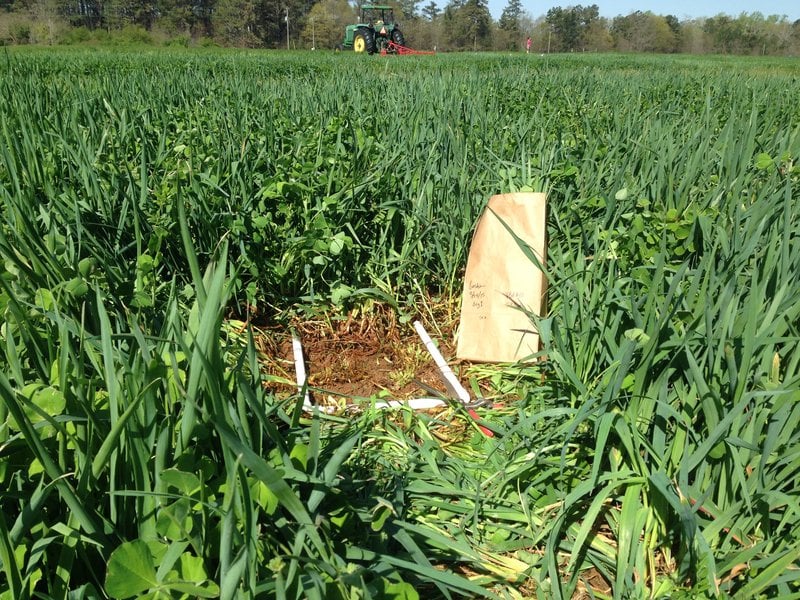
    Cover crops are one of the most important practices that farmers can use to improve their soils and the sustainability of their production system. Knowing how much biomass there is in a field is a critical piece of information for cover crop management. Part 1 of this circular provides a step-by-step guide to taking a sample that will be representative of your field. Part 2 provides additional steps for preparing a fresh cover crop sample to send to the Agricultural and Environmental Services Laboratory so it can be analyzed to determine nitrogen availability to the following crop. Equation examples and data sheets are also provided in order to help users calculate necessary information for submission using the given formulas. Revised by Uttam Saha, Program Coordinator, Agricultural and Environmental Services Laboratories; Original manuscript by Julia W. Gaskin, former UGA Sustainable Agriculture Coordinator; Dennis Hancock, former UGA Extension Forage Specialist; Uttam Saha, AESL; and Katelyn Chatam, Agricultural Specialist, Department of Crop and Soil Sciences.

    Uttam K. Saha

    |

    Jan. 5, 2026
  • C 1040

    Cation Exchange Capacity and Base Saturation

    Cation exchange capacity (CEC) is a measure of the total negative charges within the soil that adsorb plant nutrient cations such as calcium (Ca2+), magnesium (Mg2+) and potassium (K+). As such, the CEC is a property of a soil that describes its capacity to supply nutrient cations to the soil solution for plant uptake.

    Uttam K. Saha

    |

    Jan. 5, 2026
  • C 1019

    Soil Salinity Testing, Data Interpretation, and Recommendations

    The University of Georgia Agricultural and Environmental Services Laboratories offer soil salinity testing to help farmers and the general public diagnose and manage problems associated with soil salinity. By definition, a saline soil contains excess soluble salts that reduce the growth of most crops or ornamental plants. This publication discusses soil salinity testing, data interpretation and recommendations, specifically those pertaining to the University of Georgia.

    David E. Kissel Ph.D, Uttam K. Saha, and Leticia S Sonon

    |

    Jan. 5, 2026
  • Soil Sampling for Precision Management of Crop Production

    B 1208

    Soil Sampling for Precision Management of Crop Production

    While site-specific soil sampling can improve field management, it must be accompanied by the conscientious collection and analysis of data. The new technologies that have elevated precision agriculture into the forefront of farm management cannot offset poor data collection and soil-testing techniques. Inaccurate data on soil properties will inevitably lead to improper management decisions.

    This bulletin addresses three primary factors that can affect the precision management of soil fertility: 1) collecting proper soil-sample cores and the consequences of improper soil sampling, 2) breaking the field into smaller management areas, and 3) differences in test results and recommended application rates between soil-test laboratories. A step-by-step procedure is then presented on how to use variabl e yield goals to develop field maps showing variable application rates o f fertilizers and lime.

    Glen C. Rains, Calvin D. Perry, and Wesley Porter

    |

    Jan. 5, 2026
  • Recommended Practices for Using Wood Ash as an Agricultural Soil Amendment

    B 1147

    Recommended Practices for Using Wood Ash as an Agricultural Soil Amendment

    This publication covers a procedure for applying wood ash as a lime substitute on agricultural lands. This method can be used by manufacturers and dealers who wish to supply wood ash or by landowners who wish to receive wood ash. If the practices in this publication are followed, there should be no adverse environmental effects or regulatory consequence from the land application of wood ash.

    Julia W. Gaskin

    |

    Jan. 5, 2026
  • C 874

    Determining Lime Requirement Using the Equilibrium Lime Buffer Capacity

    This resource explains a new method developed through UGA research that helps growers determine the amount of lime needed to correct their soil pH. It is useful for producers and soil-testing lab technicians.

    Jason Lessl, David E. Kissel Ph.D, and Paul F. Vendrell

    |

    July 11, 2025
  • C 1322

    Soil Test Extractants: Principles, Applications, and Implications

    Soil test extractants are chemical solutions used to dissolve or exchange nutrients in soil samples. They are used when performing soil analyses to determine nutrient recommendations.

    Daniel L. Jackson, Jason Lessl, and Henry Y. Sintim

    |

    May 9, 2025
  • B 932

    Soil Preparation and Planting Procedures for Ornamental Plants in the Landscape

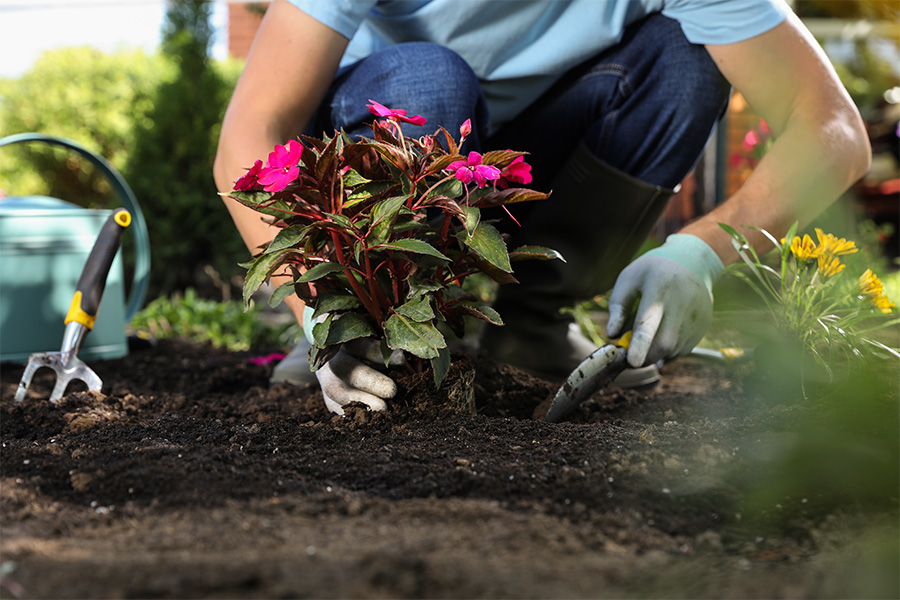
    Proper planting is essential for healthy, vigorous growth of ornamental plants in the landscape. It assures rapid plant establishment by providing a favorable environment for the developing root system. This publication offers step-by-step guidelines that will help you achieve planting success.

    Sheri Dorn

    |

    Dec. 6, 2024
  • C 896

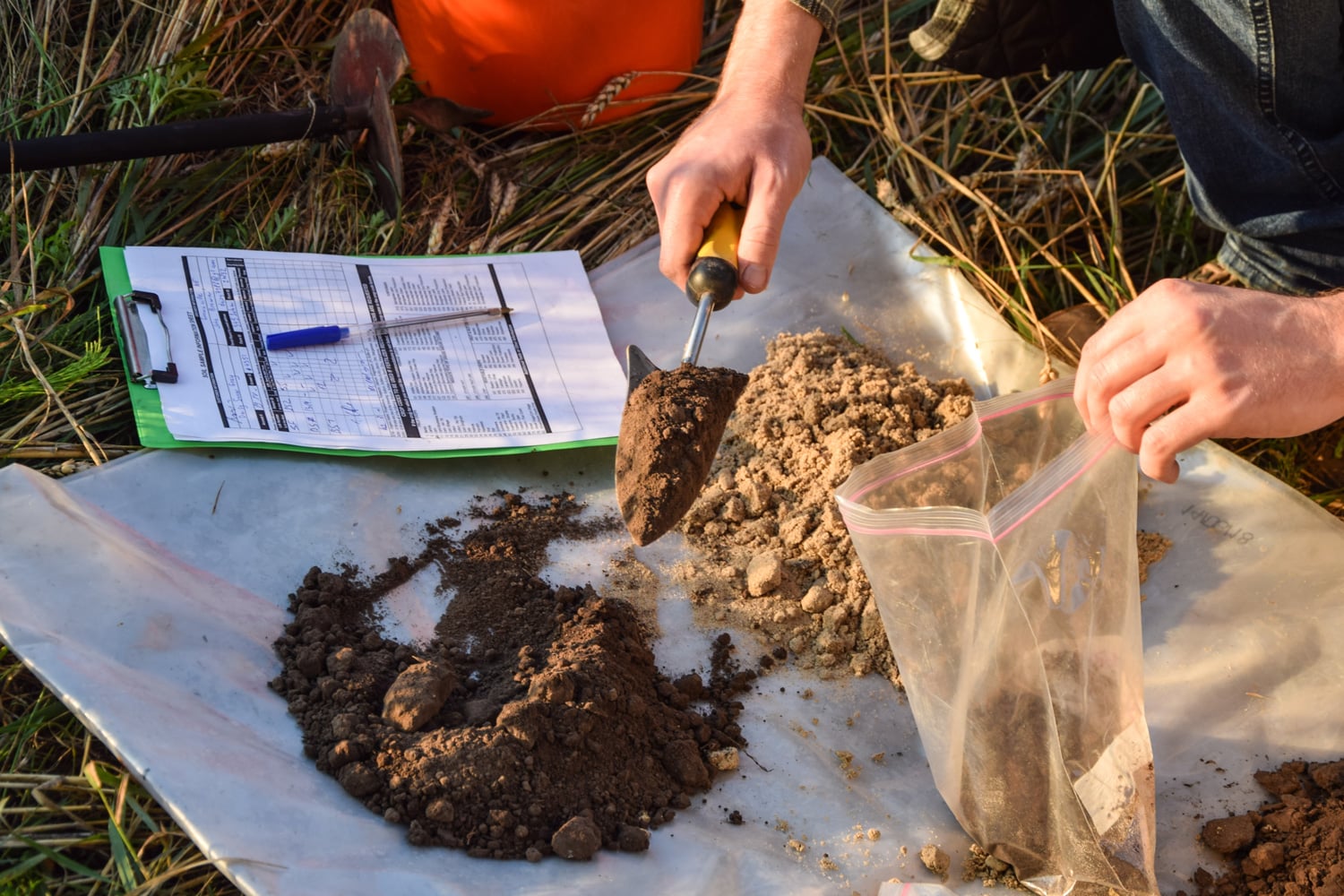
    Soil Testing for Home Lawns, Gardens and Wildlife Food Plots

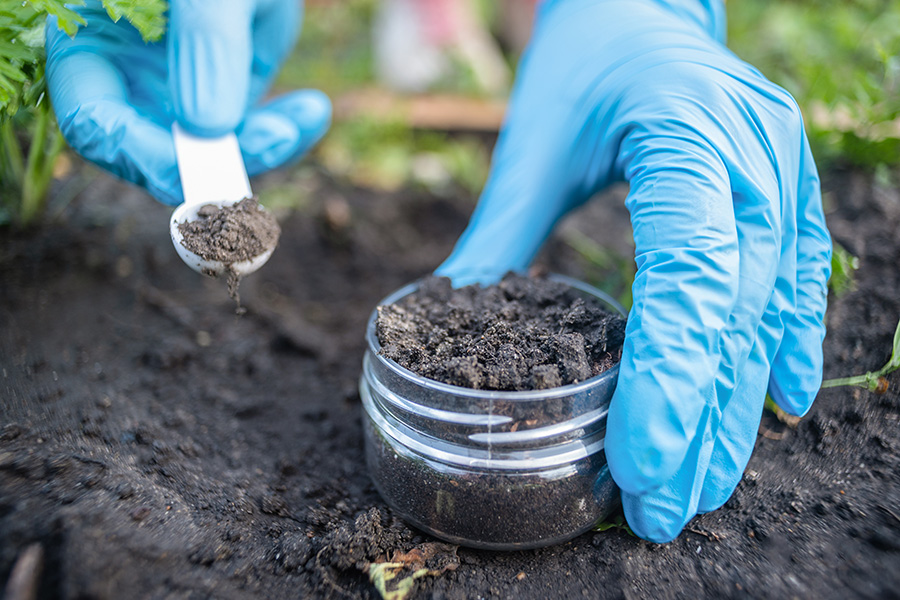
    Developing and maintaining productive soils begin with soil testing. Soils tests provide information on the soil’s actual nutrient status. Test results are used to determine the amount and kind of nutrients that should be added for the best growth of lawn, garden, and other types of plants.

    Jason Lessl

    |

    July 18, 2024
1 2 3 4
Next Page

About CAES

CAES Home

Overview

History

Administration

Jobs

Personnel Directory

Privacy Policy

Accessibility Policy

AI Guidelines

Affiliations

UGA Cooperative Extension

Tifton Campus

Griffin Campus

University of Georgia
  • Schools and Colleges
  • Directory
  • MyUGA
  • Employment Opportunities
  • Copyright and Trademarks
  • UGA Privacy Policy
  • Submit a Student Complaint
#UGA on
© University of Georgia, Athens, GA 30602
706‑542‑3000