Commercial Vegetables Resources
-
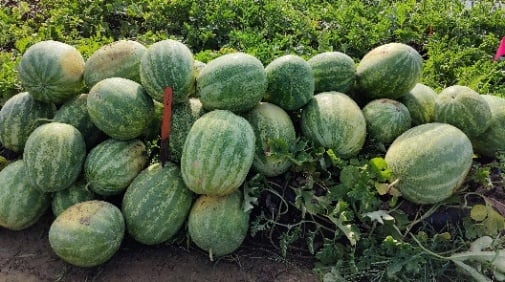
Watermelon is one of Georgia’s top vegetable crops, and profitable production starts with choosing seedless varieties that perform well in the local growing conditions. This resource provides research-based recommendations for large and mini seedless watermelon varieties adapted to commercial production in Georgia. Multiyear university trials are summarized to compare maturity, average weight, size distribution, fruit quality, and disease resistance. This resource helps growers, Extension agents, and industry partners select reliable seedless varieties that perform well under Georgia’s climate, disease pressure, and fresh-market standards.
Many of these same varieties are planted across southeastern states with similar heat, humidity, and disease pressure. As a result, the information presented here also supports growers in neighboring regions who rely on large and mini seedless watermelons for fresh-market production.
|
-
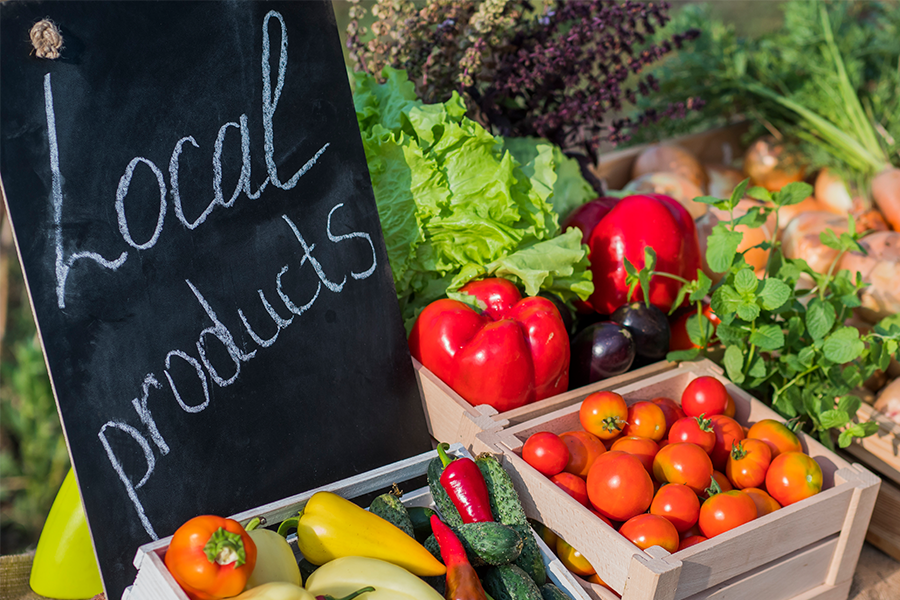
This publication covers some of the basic information about what you may need and key considerations when developing a small fruit and vegetable farm.
|
-
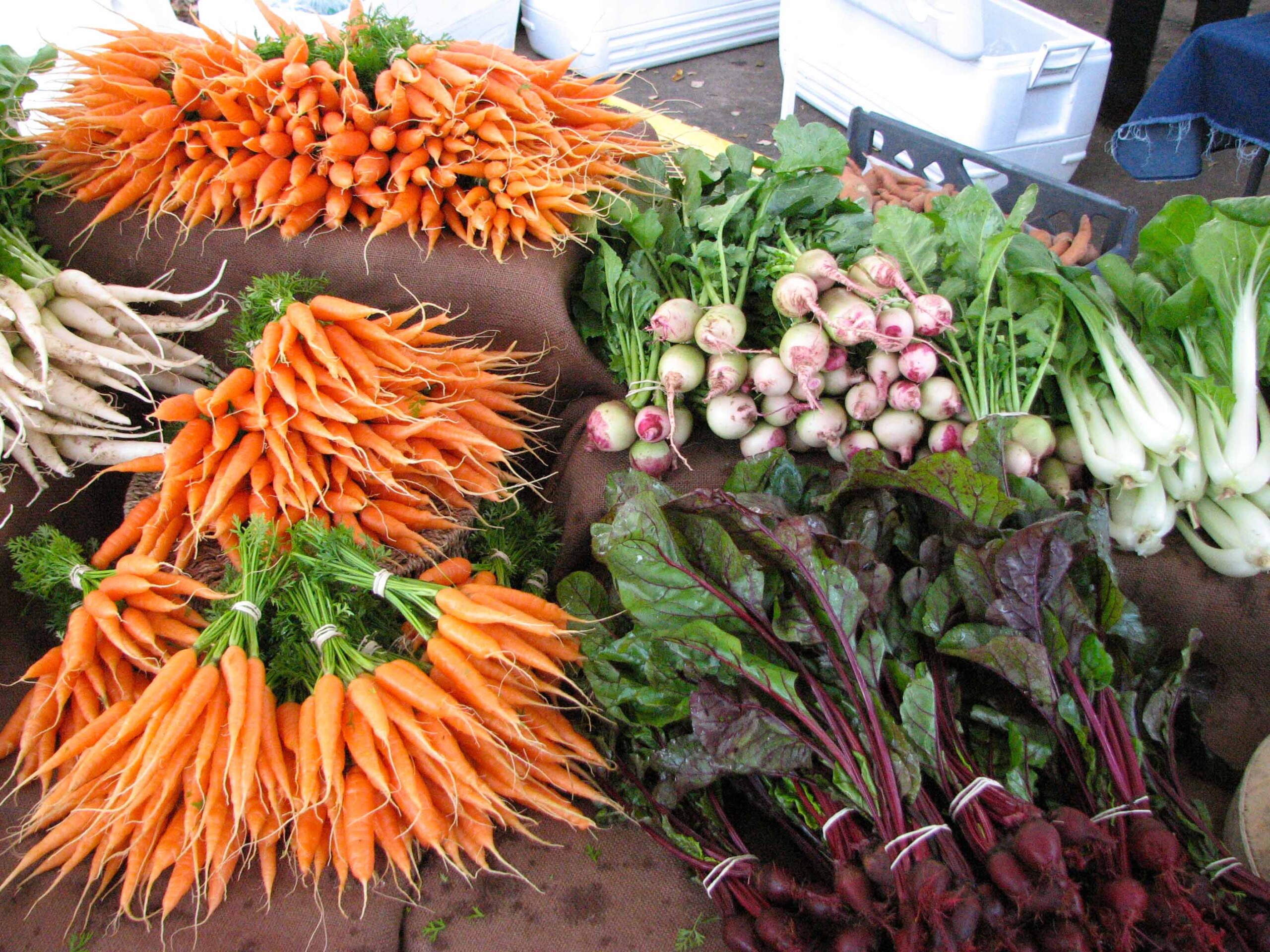
Growing vegetables as either a part-time or full-time enterprise can be an enjoyable and rewarding experience. Not only can you produce fresh food for your own table, you can provide supplemental income to your family’s budget. While that may sound great, there are several considerations to bear in mind before you jump into this endeavor. Items to consider before becoming a small market grower include time commitment, capital, available resources, licensing, insurance, taxes, and marketing. This publication is intended for general use audiences, including farmers and those considering entering small market vegetable production.
|
-

This resource provides an overview of production practices in controlled environment agriculture, emphasizing a holistic approach to optimizing crop growth. It outlines the primary crops grown in these systems and describes how growers can successfully manage critical environmental factors. The resource covers the transformative impact of automation and advanced technologies, which enable precise monitoring of crop health and environmental conditions.
|
-

Georgia plant disease losses in 2024, including control costs, amounted to an estimated $860.12 million. The value of the crops used in this estimate was approximately $7,772.59 million, resulting in a 11.07% relative disease loss across all crops included in this summary. The estimated values for most crops used to compute these disease losses are summarized in the UGA Center for Agribusiness & Economic Development 2024 Georgia Farm Gate Value Report (AR-26-01). Some crop value estimates were adjusted based on Extension specialists’ knowledge of the industry and industry sources for information.
|
-
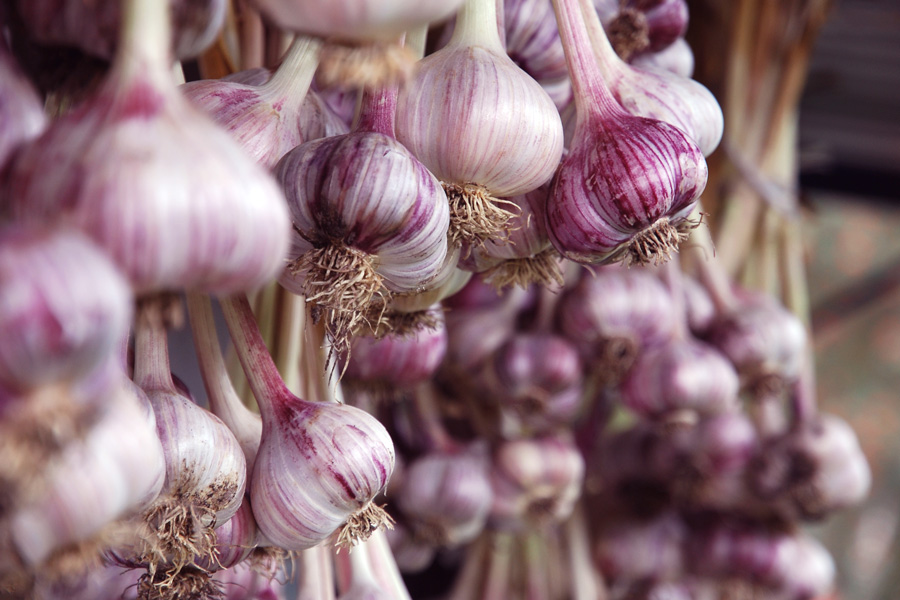
This resource discusses how garlic, elephant garlic, and leek can be grown successfully in South Georgia.
|
-
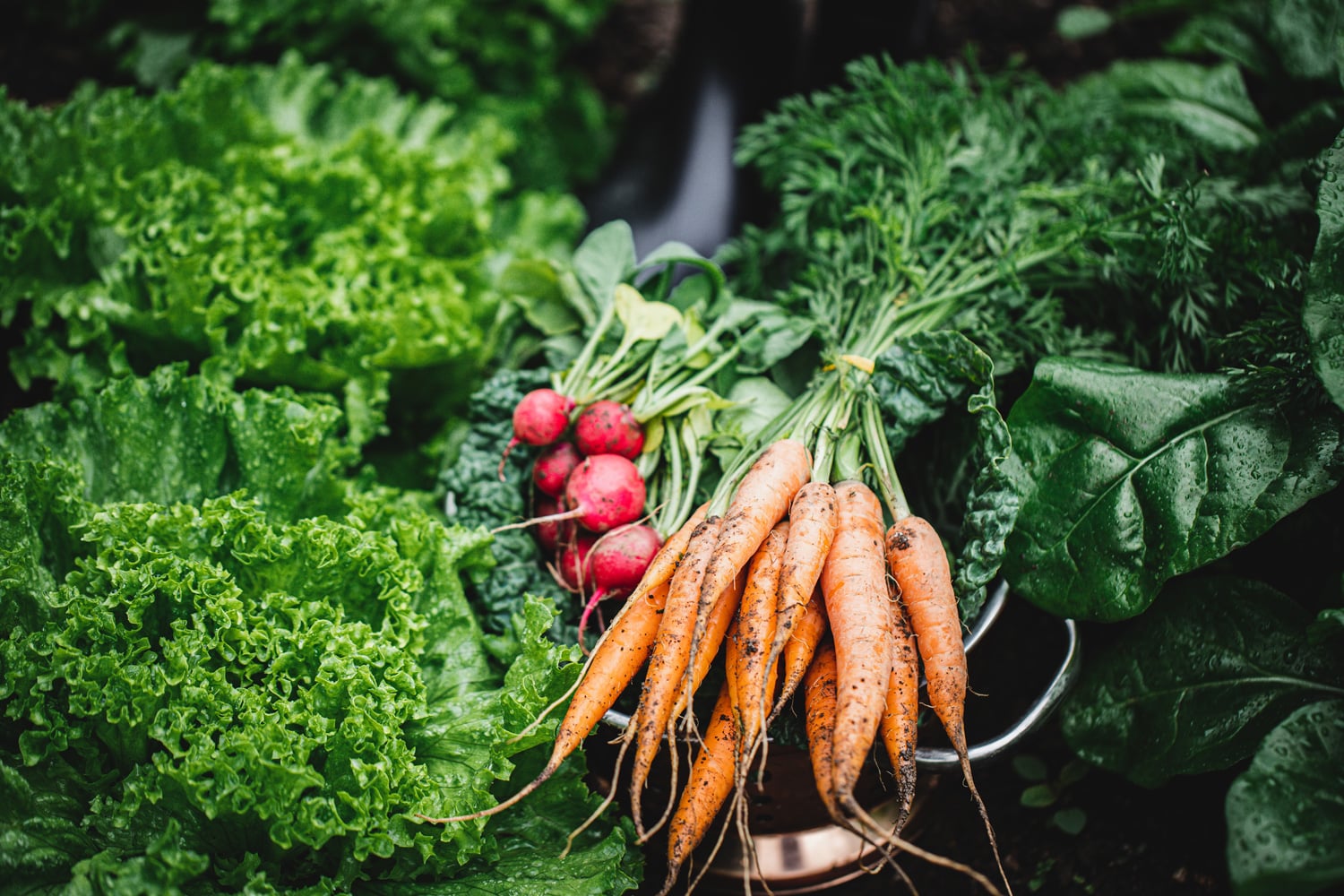
Vegetables require careful handling, storage, and monitoring to ensure the maximum postharvest life span. Because we are dealing with live organisms, the maximum attainable shelf life of vegetables can easily be affected depending on preharvest and postharvest factors that often manifest during storage. Following storage recommendations for each specific commodity helps to ensure the best quality and marketability of fresh produce. This circular contains basic guidance for the storage of most of Georgia-grown vegetables.
|
-

This report provides research and extension results for trials conducted by the University of Georgia Vegetable Team and its collaborators in the 2024-2025 growing season. The goal of this project was to find potential ways to manage wild radish in seeded greens such as mustard, turnips, collards, and others. Wild radish, a member of the mustard family, has historically been recognized as a winter annual weed mainly infesting winter crops grown across the Southeast. Contributing authors include county and regional faculty as well as specialists from UGA’s horticulture, plant pathology, crop and soil sciences, and entomology departments. All research has been supported by the Georgia Commodity Commission for Vegetables.
|
-
AP 113-07-03
Support of UGA Georgia Weather Network in 2025
The University of Georgia weather network provides weather information to growers in the state of Georgia from a network of 90 automated weather stations distributed across the state. This network is vital to serving the needs of vegetable growers across the state. All research in the 2025 Vegetable Extension and Research Report has been supported by the Georgia Commodity Commission for Vegetables.
|