Commercial Weed Control Resources
-

SB 28-30
Sunflower
Commercial insect and weed control in sunflowers. Updated annually.
|
-

SB 28-15
Corn and Field Corn
Commercial insect and weed control in corn and field corn. Updated annually.
|
-

Commercial insect and weed control in summer and winter temporary grazing. Updated annually.
|
-
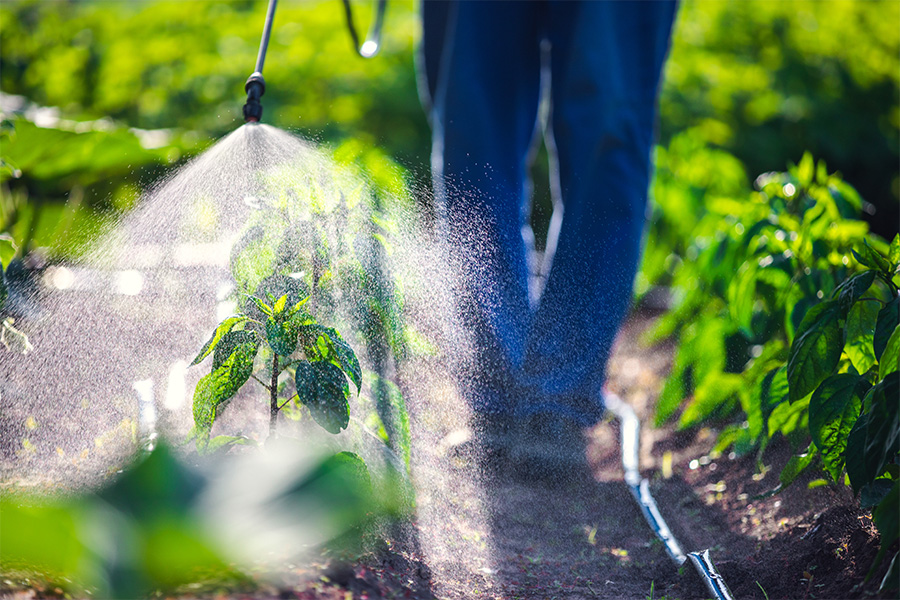
Fertilizer injectors are devices used to apply water-soluble fertilizers, pesticides, plant growth regulators, wetting agents and mineral acids during crop production. They are a vital part of modern greenhouse or nursery operations. Despite the advantages, many growers have had at least one experience with a compromised, damaged or even ruined crop where the cause was traced to a malfunctioning injector. Just like other mechanical devices, proper and frequent maintenance and calibration are crucial steps to ensure optimal injector performance and, thus, healthy crops.
|
-
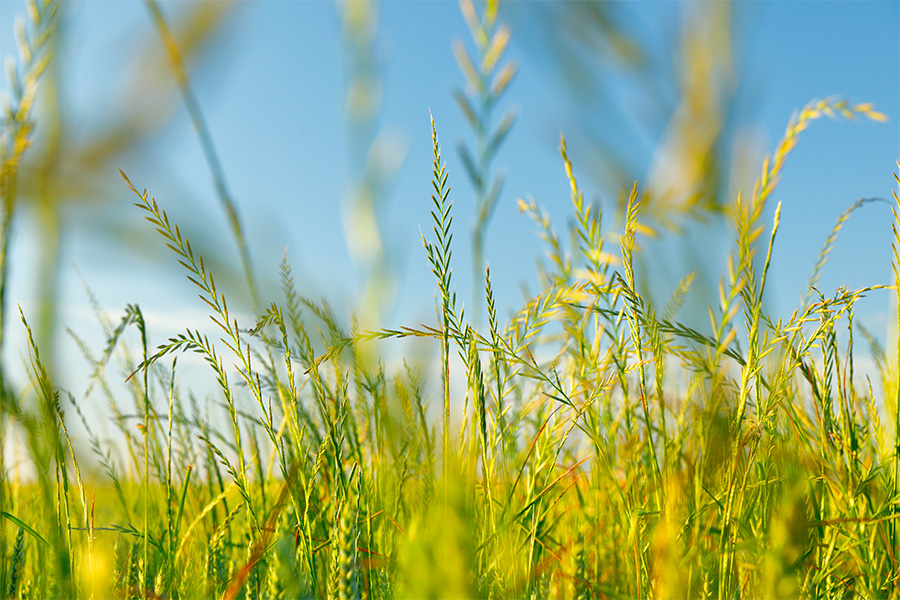
Annual ryegrass (Lolium multiflorum), also referred to as Italian ryegrass, is the most problematic winter annual weed in Georgia hayfields. Seed germinates from September to November when soil temperatures drop below 70 degrees F. Seedlings mature in the fall, overwinter in a vegetative state, and resume active growth in the spring. Annual ryegrass is a prolific seed producer that contributes to annual infestations.
This publication summarizes the growth and identification of this weed. Cultural and chemical control options are also presented for tall fescue, bermudagrass, alfalfa, bahiagrass and other forage legumes grown for hay production.
|
-
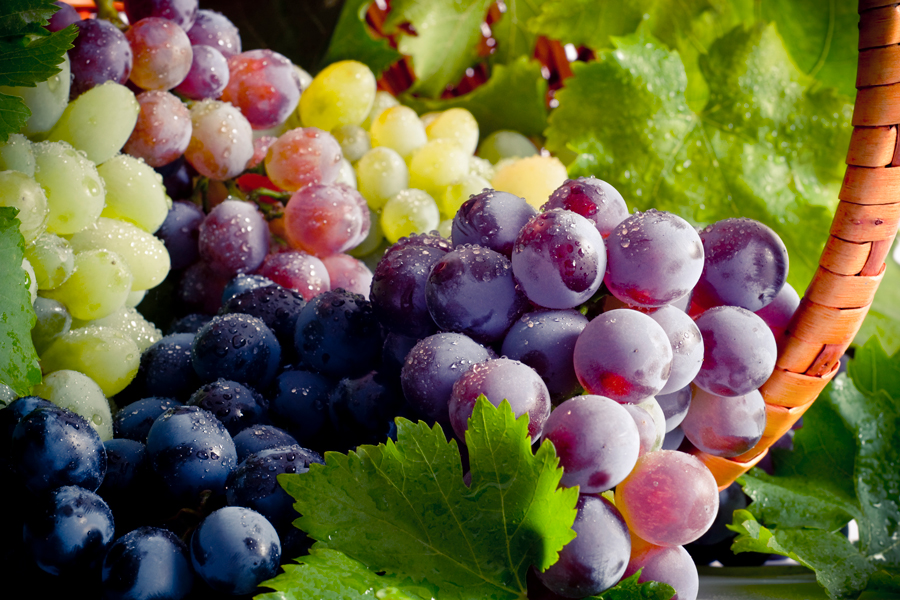
This is a new annual guide for managing diseases, insects, weeds, and wildlife in bunch grapes in the Southeast. This regional integrated pest management guide provides recommendations based on information from the manufacturer’s label and performance data from research and Extension field tests. This publication is intended for use only as a guide. Specific rates and application methods are on the pesticide label, and these are subject to change at any time. This publication is a product of the Southern Region Small Fruit Consortium.
|
-
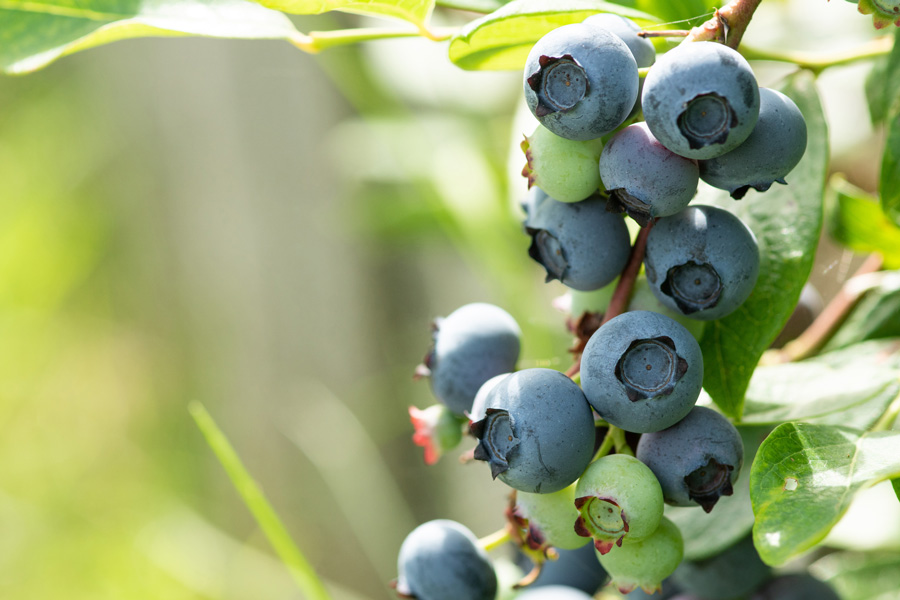
This publication provides updated (2023) Southeast-specific information on approved National Organic Program (NOP) disease and pest management options for blueberry production and addresses the issues most commonly encountered under the unique growing conditions of the Southeast U.S. This publication is not intended to provide all details on organic blueberry production, although it does include the production methods that reduce the impact of plant disease and pest issues. Emphasis in an organic system should be on cultural practices that reduce disease and pest pressure rather than pesticide applications. NOP-approved pesticides are usually less efficacious than conventional products. The pesticide label is the law and supersedes any information on pesticide use contained in this guide. Because environmental conditions and grower application methods vary widely, suggested use does not imply that performance of the pesticide will always conform to the pest control standards indicated by experimental data.
|
-

Even with today’s technology, it is critical that growers use directed herbicides in their cotton crop to improve coverage of weeds hiding under the cotton canopy. Precision applications maximizing spray coverage of weeds and minimizing spray contact with cotton, which can cause injury, is critical. Spray fender/cultivator and shield/hood sprayers are commonly used for precision, directed-spray applications.
|
-

This publication discusses tropic croton identification and control in cotton and peanut.
|