Departments and Units Resources
-

C 1037-13-SP
Tamaños Adecuados de las Porciones
Para promover hábitos sanos, anime a su familia a dejar de comer cuando ya estén llenos.
|
-

C 1032-2
Working with a Garden Designer
Designing a landscape is much like designing the interior of a house. Colors, patterns and textures must be arranged in a manner that is functional and suits the taste of the owner. The one major difference with landscape design is that most of the elements are living, providing seasonal change, forever growing taller and wider, and occasionally dying. An experienced garden designer has the ability to incorporate all this information into the design, but the homeowners must do their homework and be prepared to talk to the designer. This publication will help homeowners develop a plan for working with a landscape designer.
|
-

C 1037-14-SP
Consejos para Servir Porciones Más Pequeñas
Promueva hábitos alimenticios saludables motivando a su familia a dejar de comer cuando se sientan llenos.
|
-
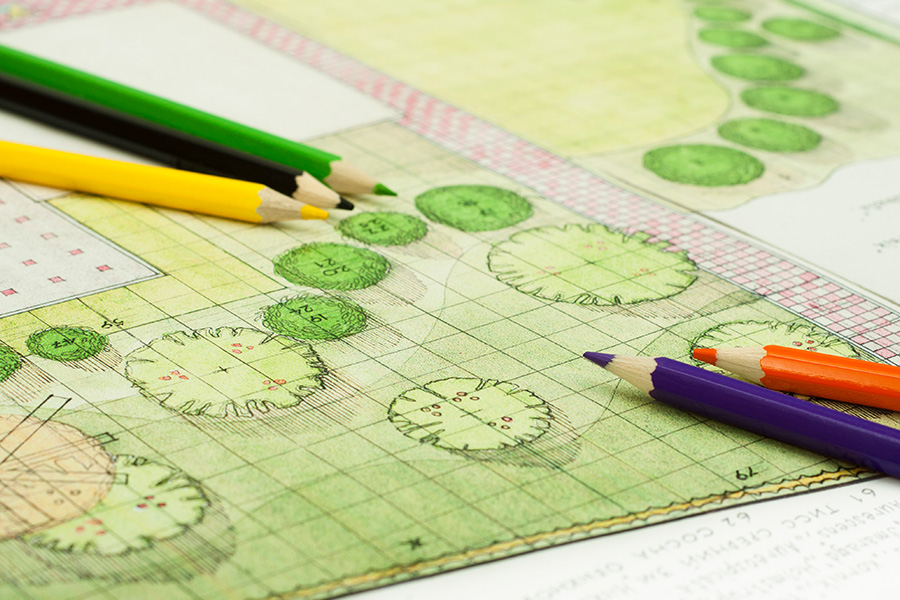
Preparing a landscape plan can be an enjoyable and satisfying experience if you do a little homework and follow a few guidelines. A simple landscape base map can be drawn without a computer, special software or even expensive drafting supplies, and is the first step in developing a landscape plan. The base map is an accurate representation of the existing landscape, scaled to fit the paper, showing information such as house dimensions, distance to street, and the location of trees,
woods, driveways and sidewalks, if these are already present in the landscape. This publication explains how to draw a base map for landscape planning.|
-

Para promover hábitos sanos, anime a su familia a dejar de comer cuando ya estén lleno.
|
-
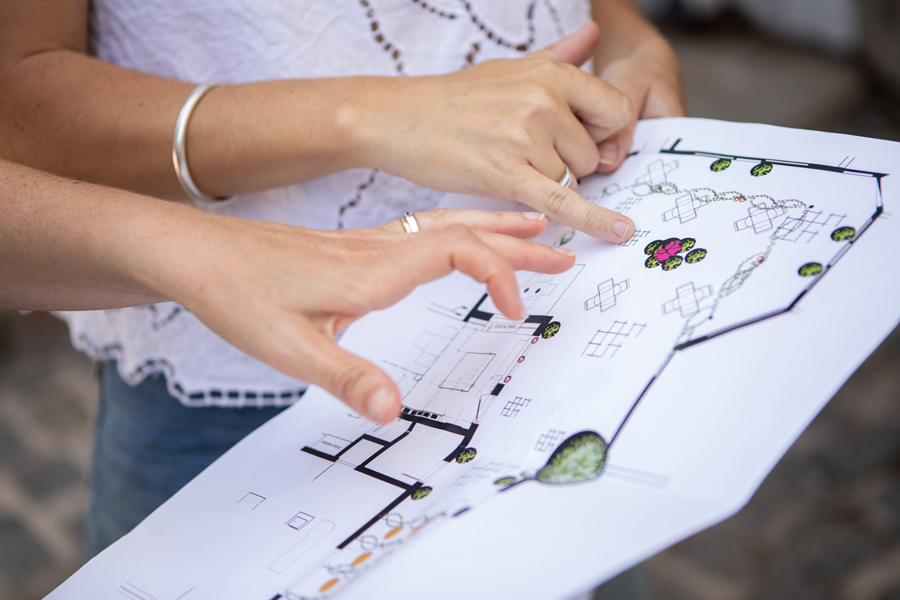
Designing a beautiful landscape for the home can be a very enjoyable and satisfying experience. With a little homework, a landscape plan is within reach of most homeowners. Before great ideas can become a plan, you must determine the limitations and assets of the site. This publication briefly describes how to create a site analysis for landscape design.
|
-

Motive a su familia a mantenerse saludable comiendo una variedad de alimentos.
|
-
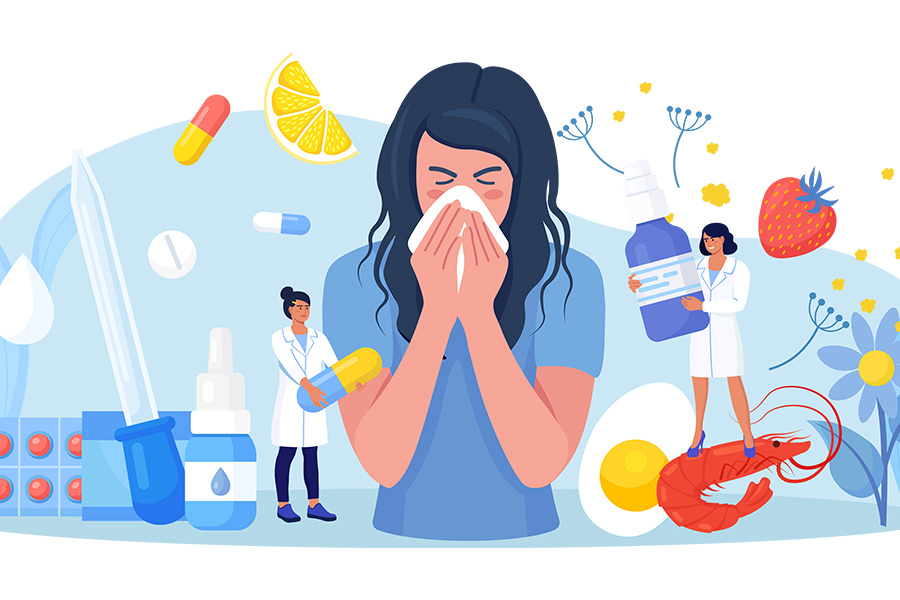
Asthma is a lung disease that affects millions of adults and children, and can be triggered by numerous indoor pollutants such as mold, cockroaches, dust mites, pet dander, and secondhand smoke. There is no cure for asthma, but it can be managed through medication and avoiding allergens that can trigger an attack.
|
-

Accidents are common when felling a tree with a chainsaw. Fortunately, most of them can be prevented. Tips for preventing kickback, barber chair, entanglement, setback, and stump jump are presented in this publication, along with techniques for safely releasing spring poles.
|