Departments and Units Resources
-

The UGA Cotton Variety Performance Evaluation Program was a huge success in 2011, with 15 individual trials throughout Georgia’s cotton belt. This approach illustrates how variety performance can change across a range of environments, which provides information on how to place varieties in environments where they will likely be competitive. This publication contains information about the results of the 2011 UGA cotton variety performance evaluation program.
|
-

This publication provides information on the 2010 UGA uniform cotton variety performance evaluation program. This was a “first-ever” approach, in that it illustrates how variety performance can change across a range of environments, which provides information on how to place varieties in environments where they will likely perform their best.
|
-

AP 101-5
2013 Georgia Corn Performance Tests
In this research report, the results of the 2013 corn performance trials are presented. Short-season and mid-season hybrids were planted at Tifton, Plains, and Midville in the Coastal Plain region; at Griffin in the Piedmont region; at Calhoun in the Limestone Valley region; and at Blairsville in the Mountain region. Hybrids used for silage were evaluated at Tifton, Griffin, Calhoun, and Blairsville.
|
-

C 918
Mole Crickets in Turf
Mole crickets are serious pests of Georgia turf. Estimates of mole cricket losses in commercial, recreational and residential sod now exceed $20 million annually. Weather and soil conditions in Georgia’s Coastal Plain region are ideal for mole crickets, and damage continues to increase.
|
-
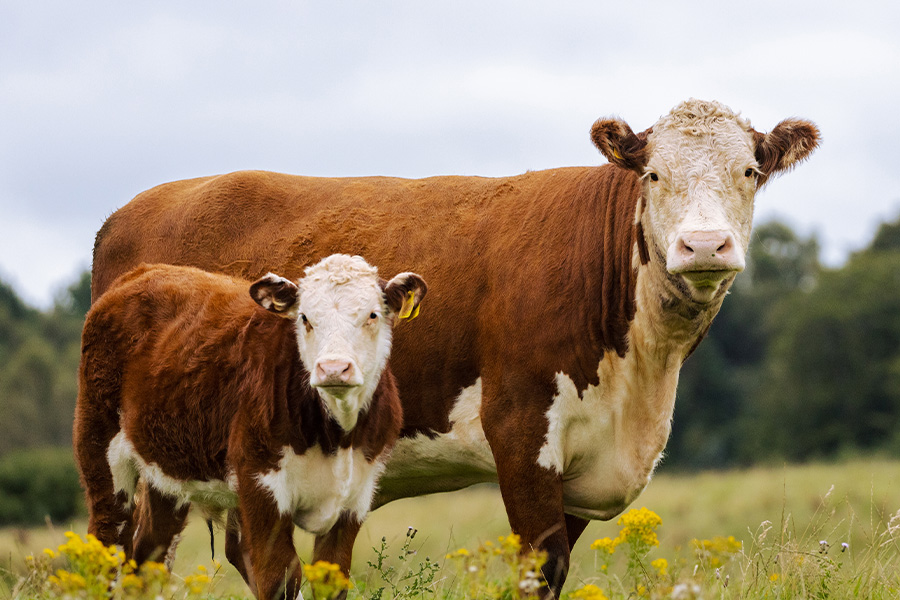
C 859
Selecting a Beef Breed
New cattle producers frequently ask, “Which breed should I choose?” This question brings cold chills to many knowledgeable cattle producers and excitement to just as many enthusiastic breeders. The diversity of resources and management capabilities of any operation makes this question difficult to answer.
|
-

It is estimated that 2006 plant disease losses, including control costs, amounted to approximately $647.2 million. The value of the crops used in this estimate was approximately $4673.73 million, resulting in a 12.08 percent total disease loss across all crops included in this summary.
|
-

AP 101-2
2010 Georgia Corn Performance Tests
This publication includes the results of the 2010 corn performance trials. Corn performance trials were conducted at six locations throughout Georgia in 2010. Short-season and mid-season hybrids were planted at Tifton, Plains, and Midville in the Coastal Plain region, at Griffin in the Piedmont region, at Calhoun in the Limestone Valley region, and at Blairsville in the Mountain region. Hybrids used for silage were evaluated at Tifton, Griffin, Calhoun, and Blairsville. Preliminary experimental hybrids were tested at Tifton only.
|
-

With recent droughts and increased emphasis on water conservation, rainwater harvesting (RWH) has become an important alternative source for outdoor irrigation. RWH is the collection of runoff from roofs during a rainfall event. The water is conveyed through a gutter system, filtered and stored in a tank for later use. In Georgia, non-potable harvested rainwater can be an alternative water supply for uses such as washing vehicles, landscape irrigation, livestock and wildlife watering, cooling towers and toilet flushing.
|
-

Grain evaluation studies were conducted at five locations in Georgia, including Tifton, Plains and Midville in the Coastal Plain region, Griffin in the Piedmont region, Calhoun in the Limestone Valley region, and at Marianna, Florida. Small grain forage evaluation tests were conducted at four locations in Georgia, which included Tifton and Plains in the Coastal Plain, Griffin in the Piedmont, and Calhoun in the Limestone Valley region, and at Marianna, Florida.
|