Departments and Units Resources
-

Both rabbiteye and highbush blueberries are produced in Georgia. The plants can produce a commercially viable crop for years. The long-term nature of the investment in the blueberry orchard calls for periodic updates on the situation of the blueberry industry. Information about the location of plants, varieties, plant age, and the use of cultural practices are important in decisions to allocate resources. This report provides insights otherwise unavailable to the industry and an overview of the Georgia blueberry industry, which helps to shape the production and marketing strategies that extend beyond our state boundaries. Summaries included in this report help in accurate assessment of potential economic losses from damages to blueberry plants and the feasibility of programs protecting the value represented by orchards.
|
-

This publication contains an Excel spreadsheet to help researchers determine the correct poultry population size for their experiments.
|
-

SB 63-6
2012 Tobacco Research Report
This report contains the most recent results of tobacco programs at the University of Georgia.
|
-

This publication presents the results of the 2012 statewide performance tests of peanut, cotton and tobacco. The tests for various evaluations were conducted at several or all of the following locations: Bainbridge, Tifton, Plains and Midville in the Coastal Plain region and Athens in the Piedmont region.
|
-
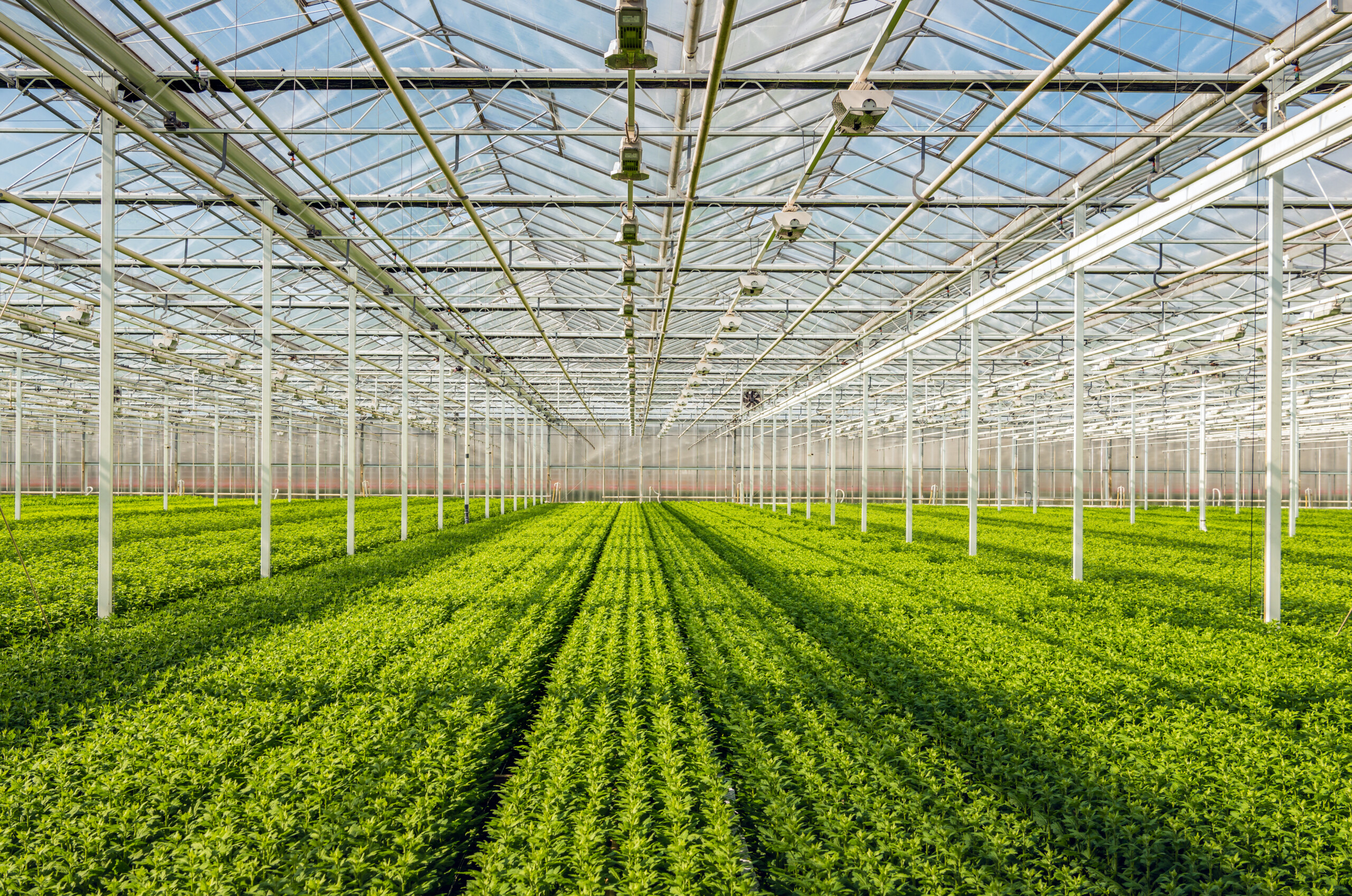
Many pesticides require the addition of an adjuvant, and some do not. When applying fungicides, insecticides or herbicides without a recommended adjuvant, 30 percent to 50 percent reduction in pest control can be expected. Adjuvants may cause damage to a plant if the wrong adjuvant is used or if it is used at too high a concentration. Using the correct adjuvant on a greenhouse crop is a critical decision. This bulletin is intended to describe how adjuvants differ and what adjuvants are best to use.
|
-

C 717
Winemaking at Home
This publication provides essential material and detailed instructions for successfully making wine at home. The information is designed for beginners who do not know where to begin and for experienced amateurs who run into difficulties.
|
-

This report contains the results of the 2012 soybean, sorghum grain and silage, and summer annual forages performance tests.
|
-

C 1025
Peanut Response to Liberty
Liberty® (glufosinate-ammonium) has become a popular postemergence herbicide in Georgia due to its ability to control herbicide-resistant Palmer amaranth when applied in a timely manner. However, the popularity of Liberty®-resistant cultivars (e.g., Liberty-Link® and WideStrike®) has led to an increased potential for off-target movement and sprayer contamination of Liberty® to sensitive crops such as peanut. This publication describes symptoms of peanuts exposed to Liberty.
|
-

This publication presents the results of the 2009 statewide performance tests of soybean, sorghum grain and silage, sunflower and summer annual forages. The tests for various evaluations were conducted at several or all of the following locations: Tifton, Plains and Midville in the Coastal Plain region; Griffin and Athens in the Piedmont region; and Calhoun in the Limestone Valley region.
|