Departments and Units Resources
-

Energy inputs for irrigation pumping frequently exceed the energy used for all other crop production practices. This fact, coupled with rapidly increasing fuel and energy costs, causes irrigation farmers to look for ways to reduce energy consumption. Careful consideration should be given to selecting a pump that will deliver water to the system with the greatest possible efficiency. After installation, pump performance should be watched closely and evaluated, with steps being taken as needed to adjust, repair or replace inefficient pumping equipments.
|
-

Harvest losses can rob you of profit from grain and bean production. Harvest losses of 10 percent or more are not unusual, when they should be in the 2 to 4 percent range. If you do not check losses behind your combine, you have no idea what the losses are and where they occur during harvesting. The following procedure outlines how to measure losses during harvest. It also shows you where the losses occur. The grain or beans saved mean that much more profit saved.
|
-

B 722
Georgia Farm Record Book
This publication is intended to provide you with a useful aid in the business management of your farming operation. Spaces is provided for recording farm receipts and expenses, capital transactions, inventories, credit accounts, net worth statements, crop records, and individual labor records for Social Security purposes.
|
-
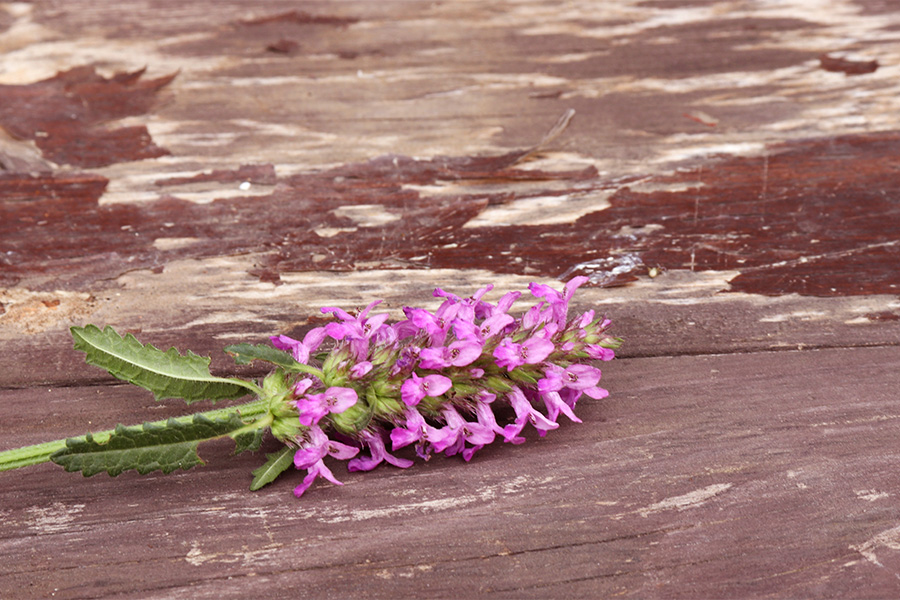
Florida betony is a “winter” perennial and has a square stem with opposite leaves. Florida betony (also called rattlesnake weed and hedge nettle) is a problem weed in both turfgrasses and ornamentals.
|
-

It is estimated that 2002 plant disease losses, including control costs, amounted to approximately $576.65 million. The value of the crops used in this estimate was approximately $4.376 billion, resulting in a 13.18 percent total disease loss across all crops included in this summary.
|
-

It is estimated that 2003 plant disease losses, including control costs, amounted to approximately $682.67 million. The value of the crops used in this estimate was approximately $5.399 billion, resulting in a 12.64 percent total disease loss across all crops included in this summary.
|
-

To schedule irrigation for most efficient use of water and to optimize production, it is desirable to frequently determine the soil water conditions throughout the root zone of the crop being grown. A number of methods for doing this have been developed and used with varying degrees of success. In comparison to investment in irrigation equipment, these scheduling methods are relatively inexpensive. When properly used and coupled with grower experience, a scheduling method can improve the irrigator’s chances of success.This publication covers the working principles of currently used methods for scheduling irrigation.
|
-

The 13 topics covered in this publication are all integral parts of a successful carrot management program. Each topic is designed to focus on a particular aspect of production and provide the latest management technology for that phase of production. It is hoped that the information contained in this publication will assist growers in improving profitability in carrot production.
|
-

C 1015
Peanut Response to Dicamba
The objective of this publication is to provide county agents, peanut growers, crop consultants, agri-business personnel, etc. with information that can assist them in making appropriate management decisions after a suspected dicamba drift/volatilization or sprayer contamination problem has occurred.
|