Departments and Units Resources
-

AP 130-2-07
2024 Poultry Outlook
1. The broiler chicken outlook in 2024 is neutral to positive; consumer demand should remain steady and feed costs should decrease.
2. Risks to the chicken outlook include significant HPAI outbreaks and expensive housing.
3. Baseline chicken prices are expected to be similar to 1-year-ago levels. Production uncertainty is the main driver of price uncertainty for 2024.|
-

AP 130-2-12
Green Industry 2024
1. 2023 was a good year for many green industry firms, but not as good as 2020–2022.
2. The unknowns going into 2024 include higher inflation and interest rates, mixed signals within the economy, increased input costs, and variability in the housing market.
3. Green industry sales in Georgia are projected to be lower than 2023 levels.|
-

AP 130-2-14
Agritourism, Hospitality, and Travel 2024
1. Total number of trips among U.S. travel will grow 4.3% in 2024.
2. In 2023, pick-your-own farms and wineries/distilleries/breweries comprised almost 20% of the state’s agritourism attractions.
3. 2023 hotel demand will end with modest growth for rural and urban counties.
4. In 2022, total gross demand for accommodations in Georgia’s rural counties increased 24.7%; there was a 13.7% increase for food in the same counties.
5. Visitation to state park and outdoor recreation areas increased 1% in 2022.|
-

AP 130-2-09
2024 Dairy Outlook
1. The outlook for 2024 is an improvement over 2023 as feed costs should decline and milk prices remain at similar levels in 2024.
2. Risks remain as improved margins may spur a strong production response and demand growth is uncertain both domestically and overseas.|
-
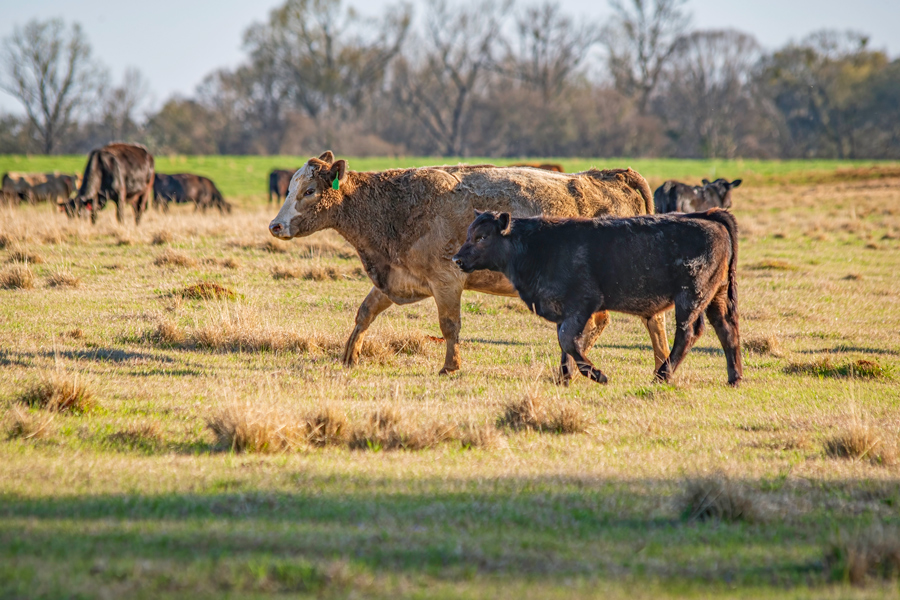
Beef cattle evaluation is important for all segments of the cattle industry. Visual evaluation allows you to compare animals not only for various economically viable traits, such as growth performance and potential carcass merit, but also for traits that are indicators of functionality in each production environment, such as skeletal structure. These traits are often difficult to quantify and are commonly considered convenience traits as they do not have a direct impact on income. Still, traits such as these can have a significant management and economic impact across multiple generations of offspring.
This publication is intended to help the reader develop visual evaluation skills for cattle with particular emphasis on breeding cattle. Visual evaluation combined with industry best management practices is key to overall success in selecting quality replacements.
|
-

AP 130-2-13
Timber Situation and 2024 Outlook
1. Demand for softwood lumber and structural panels is expected to improve as interest rates drop and single-family housing starts resume their long-term trajectory.
2. Increased softwood lumber mill capacity across the South adds upward pressure on pine sawtimber prices; however, the region’s oversupply of sawtimber trees on the stump is expected to exert strong downward pressure on prices.
3. Pulpwood prices are expected to decline (at a slower pace) and stabilize in the second half of 2024.
Forecast by Yanshu Li, UGA, Associate Professor and Forest, Economics, and Taxation Specialist; Joe Parsons, UGA, Director of the Harley Langdale, Jr. Center for Forest Business; Amanda Lang and Pat Jolley, Forisk Consulting|
-
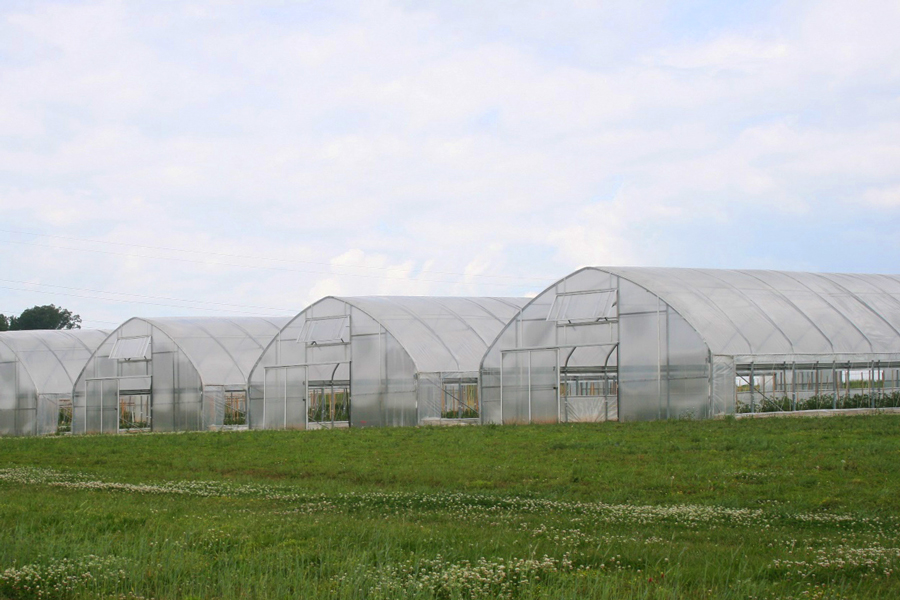
This resource is an introduction to high tunnel production that focuses on horticulture aspects of organic tomato production. Diseases and insect pests are not covered, but high tunnel construction, siting, shading, fertility, and irrigation of organic tomatoes are addressed.
|
-

Accurately distinguishing insect pests from beneficial arthropods is a critical component in the implementation of an effective and sustainable pest management program. This circular provides a succinct and practical summary of natural enemies commonly found in pecan orchards in the Southeast U.S.
|
-

RB 438-TR
WUFFDA Türkçe Versiyonu
WUFFDA, kümes hayvanları ve domuzlar için yem formülasyonu oluşturmaya yardımcı olmak üzere tasarlanmış bir program sunmaktadır.
|