Entomology
-
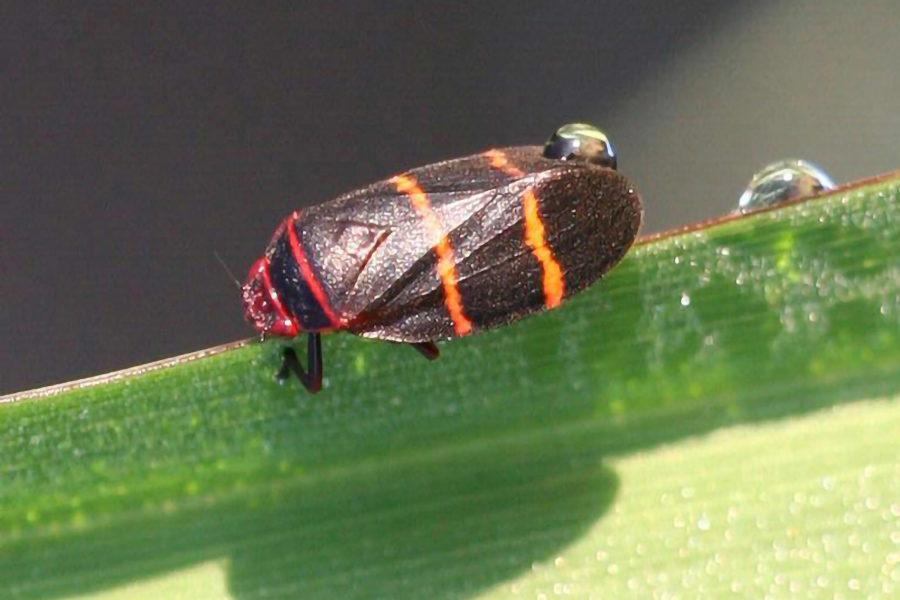
The two-lined spittlebug is an important insect pest of turfgrass in Georgia, with centipedegrass being the most susceptible to infestation. It also attacks some ornamental plants, including asters, hollies, and morning glories. This publication provides management options and other information on the two-lined spittlebug, including identification and biology, host plants, damage symptoms, and control strategies.
|
-
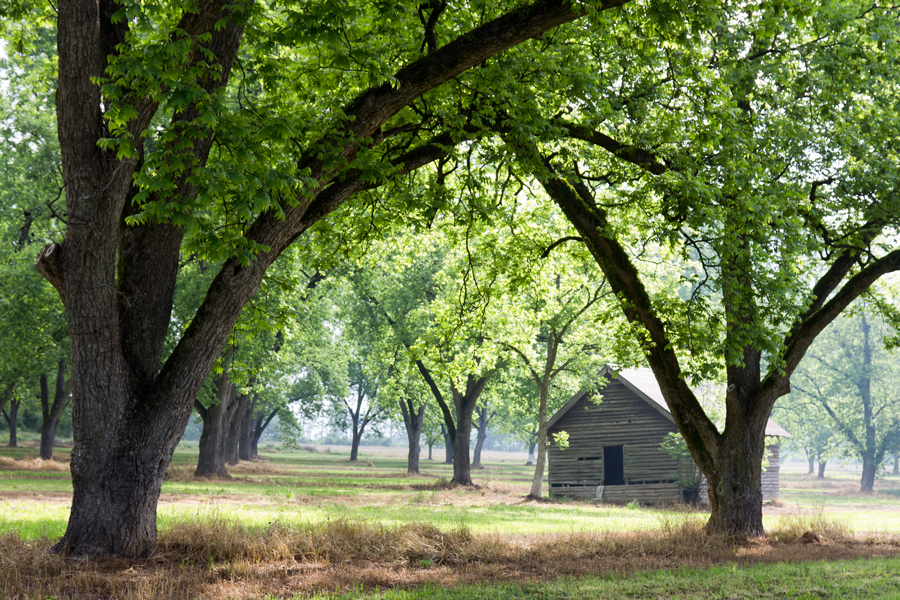
Many residents and properties in Georgia have a significant number of pecan trees or small backyard orchards. While pecan trees in commercial orchards are meticulously managed, noncommercial growers encounter challenges in applying the same level of intensive management to their own pecan trees. This guide provides essential tasks specifically designed for the care of these backyard trees.
|
-
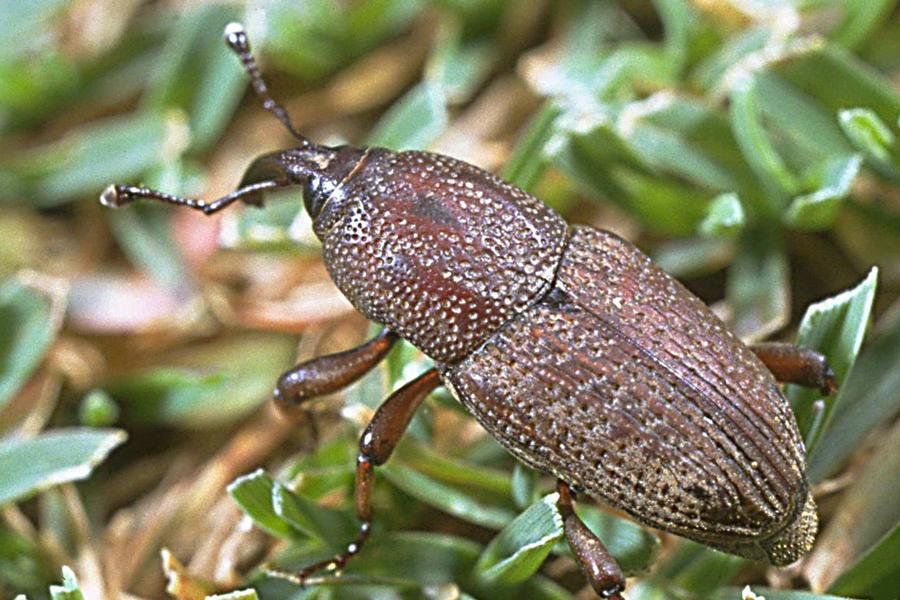
Hunting billbug, Sphenophorous venatus vestitus (Family: Curculionidae) is an important weevil pest of turfgrass in Georgia. It’s called a “billbug” because of its long snout, or bill, which has small mandibles at the tip. Hunting billbug infestations in turfgrass are not easily detected until the first signs of feeding damage, such as discoloration or irregular patches, appear scattered across the turfgrass. Although hunting billbugs attack all major turfgrass genotypes, damage on zoysia grass cultivars can be particularly serious. In addition to hunting billbug, several other species of billbugs are found in warm-season turfgrass including the lesser billbug, S. minimus, and uneven billbug, S. inaequalis.
|
-

B 1331
Canola Production in Georgia
This publication covers best management practices for canola production in Georgia. Growing canola profitably takes planning and good management, from seed selection to harvest to marketing.
|
-
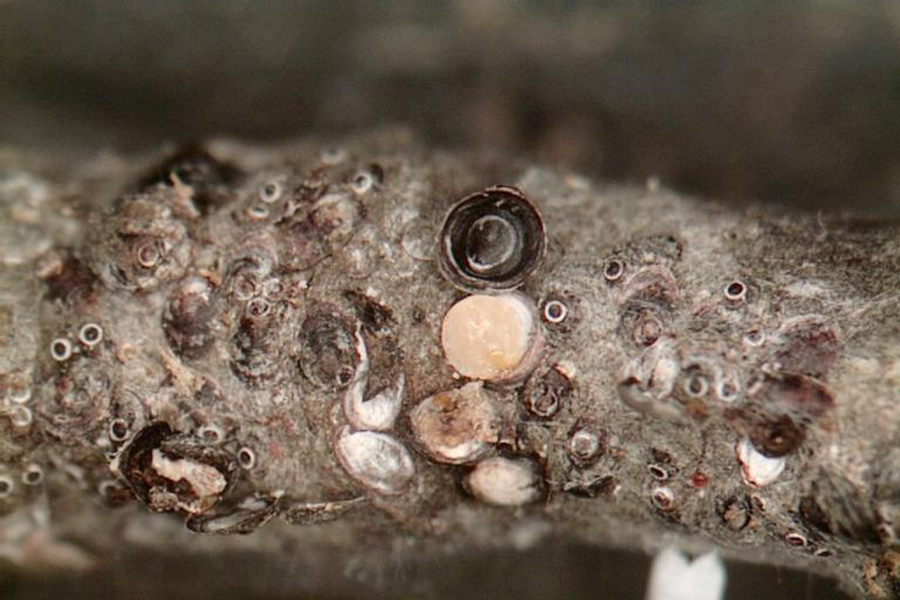
Scale insects are common pests of landscape trees and shrubs that are often overlooked when scouting. Scales can be responsible for chlorosis, branch die-back, and ultimately, plant death. Scales are broadly categorized as either soft scales or armored scales. Soft scales produce a soft, cottony, powdery, or waxy substance that cannot be separated from the scale body. Common soft scales in Georgia include Indian wax scales, Florida wax scales, brown soft scales, oak lecanium scales, magnolia scales, cottony maple scales, cottony camellia scales, cottony cushion scales, and azalea bark scales. Armored scales have a hard, shield-like cover that is not attached to the body of the insect. Common armored scales in Georgia include tea scales, euonymus scales, obscure scales, false oleander scales, juniper scales, and gloomy scales.
|
-
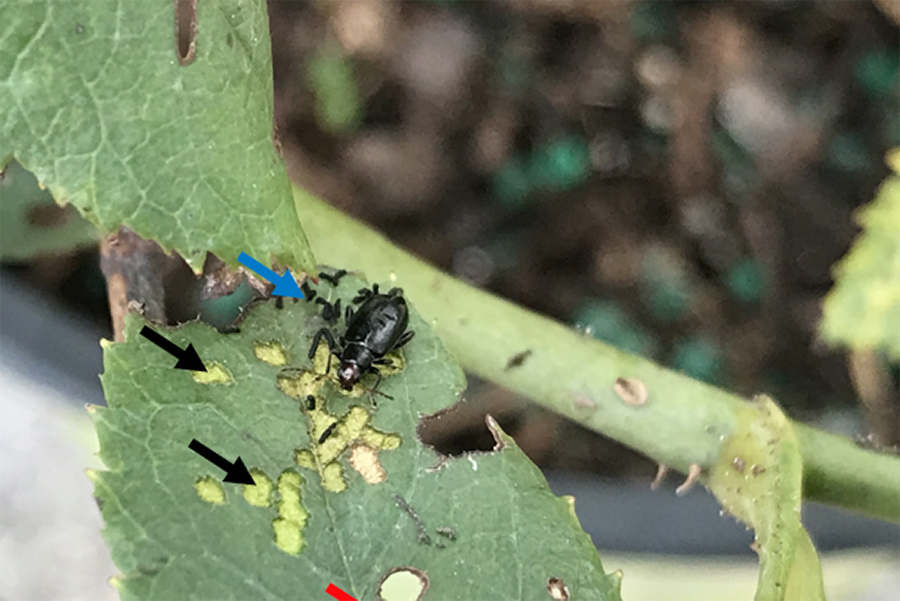
The red-headed flea beetle is a serious insect pest in ornamental nurseries. It is also referred to as the “cranberry flea beetle” in cranberry and blueberry systems in the Northern U.S. The adult beetle causes serious feeding damage to the foliage of a variety of woody and herbaceous container plants in nurseries. As the name suggests, the flea beetle jumps when disturbed, similar to a dog flea. A native pest, this insect is present in central and eastern U.S. regions.
|
-
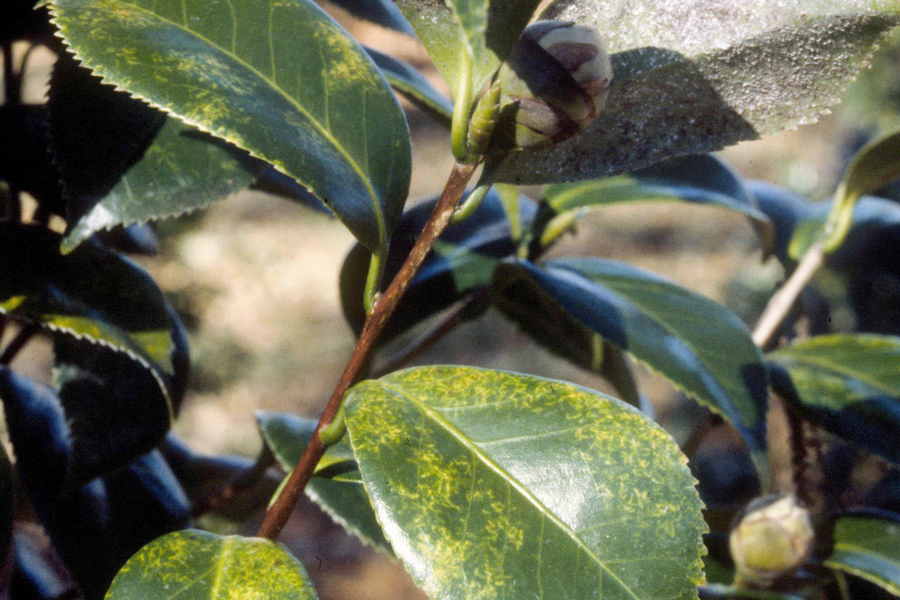
The tea scale is a serious economic pest of several ornamental plants in nurseries and landscapes in Georgia, including camellias and hollies. Tea scales are armored scales that cause yellowing of the leaf tissue, and under severe infestations, they can cause plant death. These pests undergo multiple overlapping generations per year and are very challenging to control. It usually takes two to three years to bring the infestations under control after the application of effective insecticides.
|
-
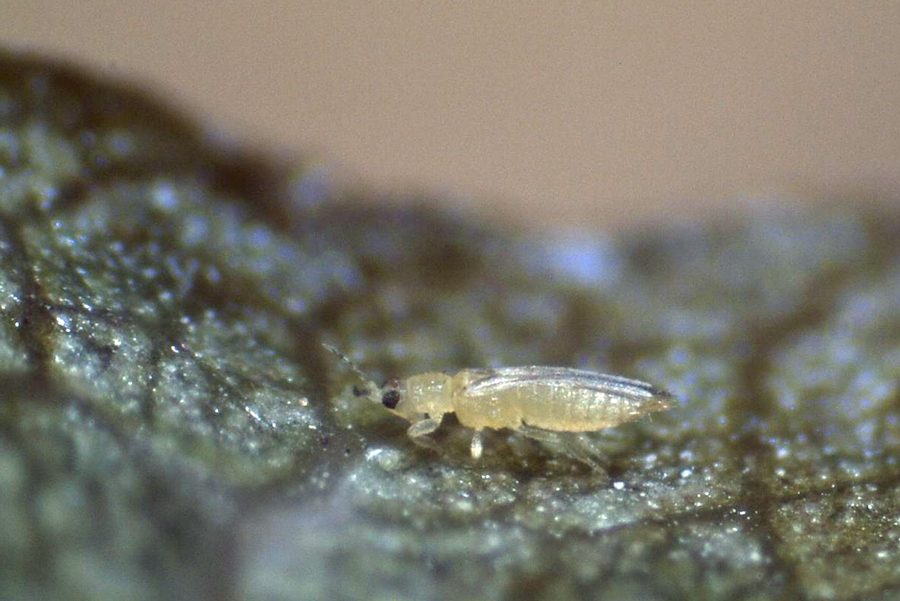
Chilli thrips is an invasive thrips species in the United States. Chilli thrips infest more than 150 crops worldwide, including strawberries, cotton, tea, citrus, and peppers, as well as many ornamental plants. The pest has become increasingly problematic in nurseries because of its wide host range, small size, and rapid reproduction and development. In Georgia, chilli thrips were first reported in 2007.
|
-
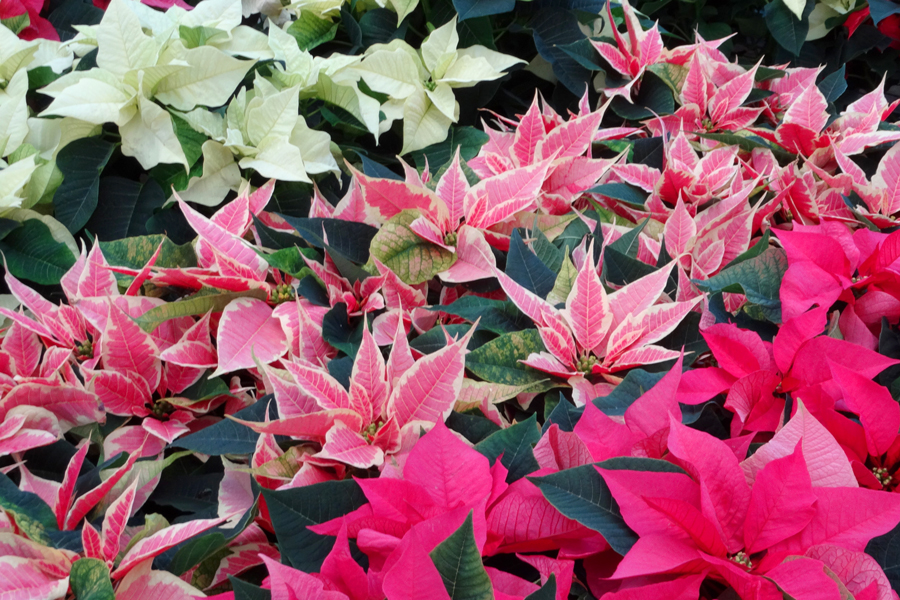
B 1580
Poinsettia Production
Poinsettia is an important ornamental crop and holiday flower. This publication provides in-depth information on poinsettia production and helps growers with plant production planning and management. It also covers poinsettia history, economics, and details the management of growing media, irrigation, and pests.
|