Entomology Resources
-
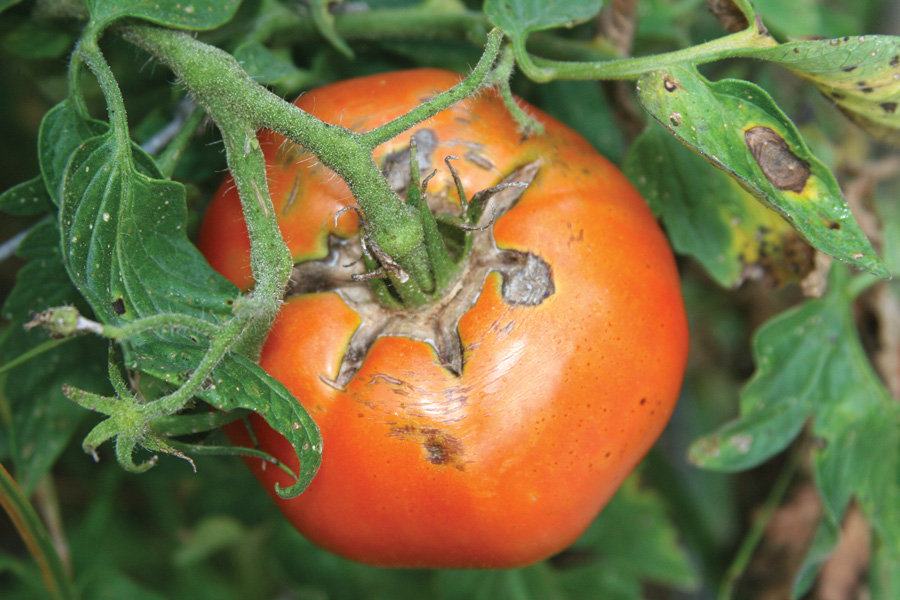
This resource is designed for small market growers, homeowners, and Master Gardeners in order to be a quick reference guide for diagnosing common problems in vegetables.
|
-

This resource provides an overview of production practices in controlled environment agriculture, emphasizing a holistic approach to optimizing crop growth. It outlines the primary crops grown in these systems and describes how growers can successfully manage critical environmental factors. The resource covers the transformative impact of automation and advanced technologies, which enable precise monitoring of crop health and environmental conditions.
|
-
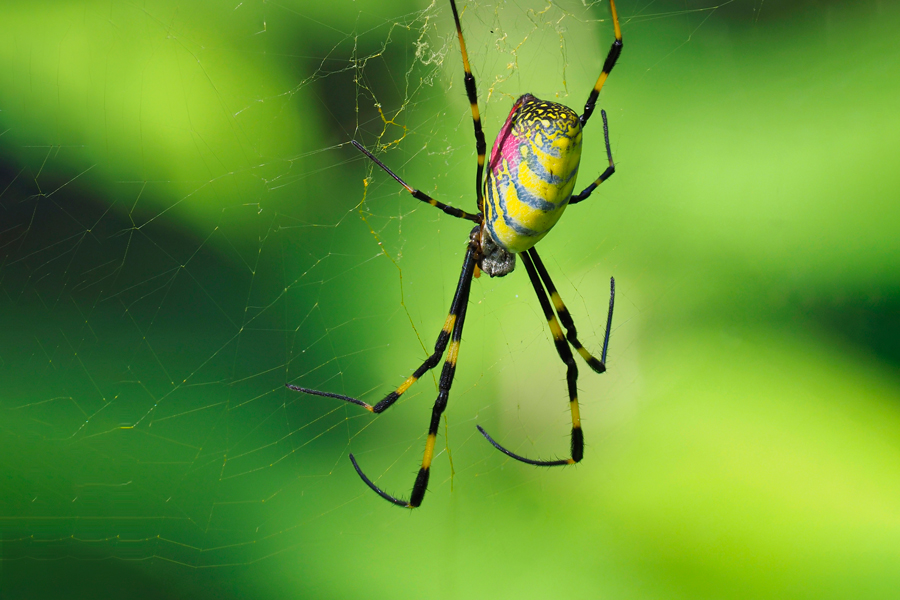
This resource gives basic biology and description, with images, of the spider’s immature and adult forms, along with recommendations for managing them around the home. The Joro spider is a native of Japan and East Asia that was first documented in the United States in 2014 in northeast Georgia. The native range of these spiders in Asia extends from southeast Asia northward through a swath of eastern China, the Korean peninsula, and all but the northernmost island of Japan, and westward to India and the foothills of the Himalayas. Given that distribution, there seems to be no obstacle to the Joro eventually expanding its range to include all of Georgia, the Southeast, and most of the rest of the eastern U.S. as well.
|
-
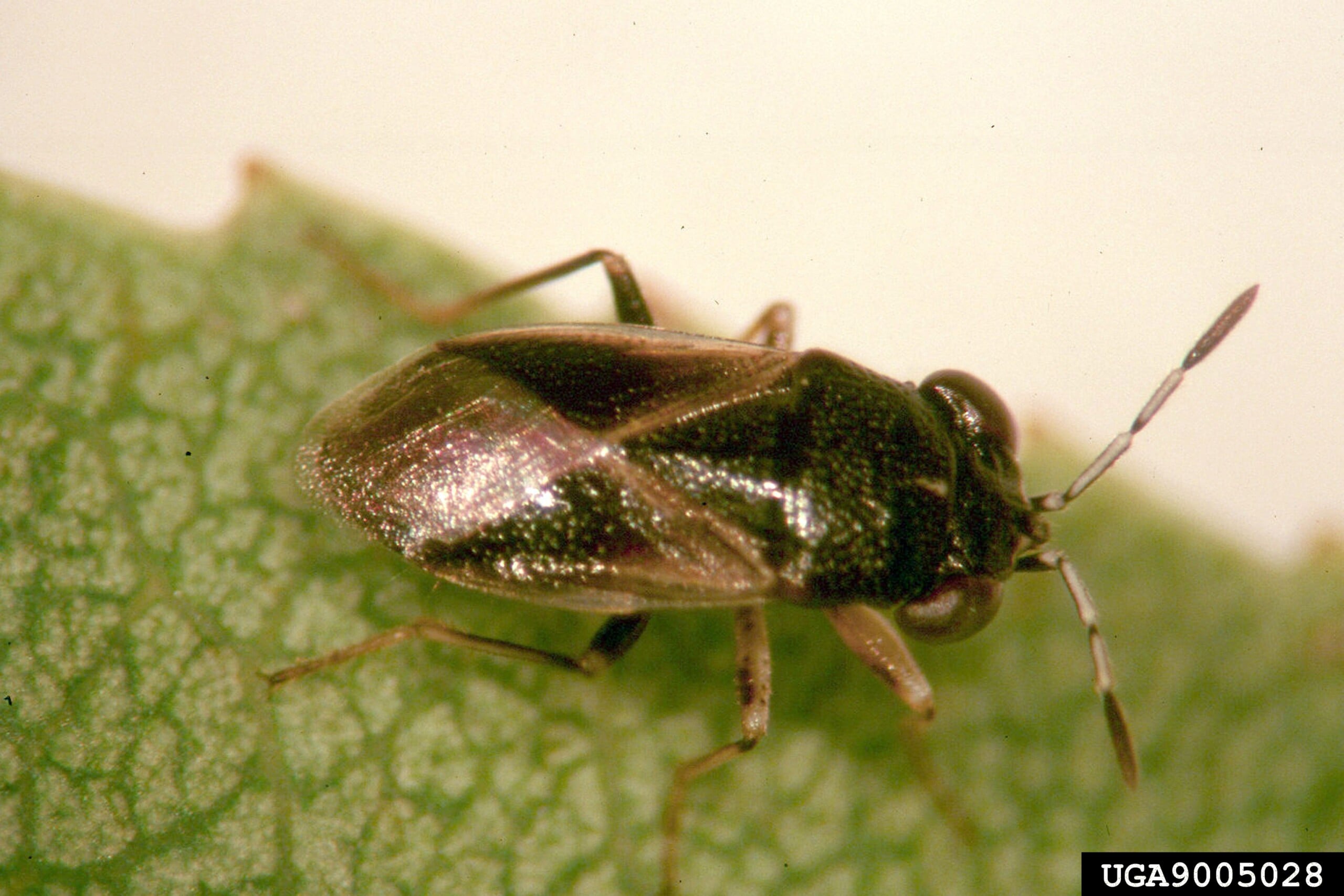
The southern chinch bug is a serious insect pest of turfgrass, especially St. Augustinegrass, in Georgia. Bermudagrass, centipedegrass, and zoysiagrass are also attacked by southern chinch bug. Affected turfgrass can form yellow to brown patches that are sometimes mistaken as indicators of disease or drought stress. Populations of southern chinch bug can build up at the edges of these patches at over 100 individuals per square foot, which can kill the affected grass. The development of southern chinch bug in the grass can easily go unnoticed because of their small size and dark-gray color, which blends in with thatch. This resource summarizes the biology, lifecycle and management options available for southern chinch bug in Georgia.
|
-
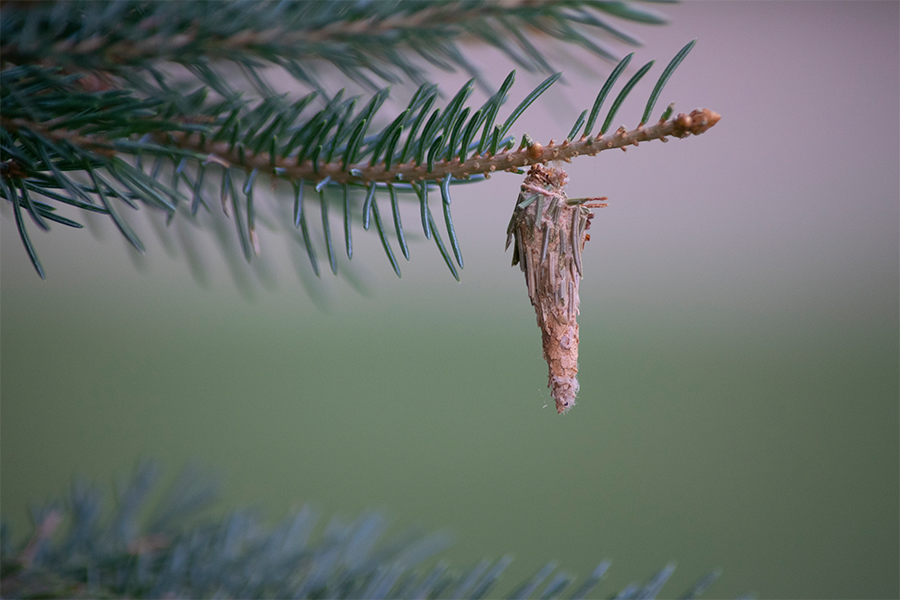
C 1237
Bagworms in Urban Landscapes
An introduction to bagworms, along with their biology, how they damage landscapes, and management options.
|
-

This report provides research and extension results for trials conducted by the University of Georgia Vegetable Team and its collaborators in the 2024-2025 growing season. Pepper weevil is a key insect pest of peppers; in Georgia, overwintering monitoring of weevil populations has demonstrated that pepper weevil now overwinters throughout southern Georgia, including all of our primary pepper production areas. Contributing authors include county and regional faculty as well as specialists from UGA’s horticulture, plant pathology, crop and soil sciences, and entomology departments. All research has been supported by the Georgia Commodity Commission for Vegetables.
|
-
This report provides research and extension results for trials conducted by the University of Georgia Vegetable Team and its collaborators in the 2024-2025 growing season. Insects continue to represent significant threats to the production of most, if not all, of our vegetable crops. While multiple approaches are used to manage insect pests, insecticides remain a key component for rapid response when pest populations exceed acceptable levels. Contributing authors include county and regional faculty as well as specialists from UGA’s horticulture, plant pathology, crop and soil sciences, and entomology departments. All research has been supported by the Georgia Commodity Commission for Vegetables.
|
-
This report provides research and extension results for trials conducted by the University of Georgia Vegetable Team and its collaborators in the 2024-2025 growing season. The aim of this research includes monitoring whitefly populations and the viruses they transmit, and characterizing host resistance to whiteflies and/or viruses in squash and snap beans. Contributing authors include county and regional faculty as well as specialists from UGA’s horticulture, plant pathology, crop and soil sciences, and entomology departments. All research has been supported by the Georgia Commodity Commission for Vegetables.
|
-
This report provides research and extension results for trials conducted by the University of Georgia Vegetable Team and its collaborators in the 2024-2025 growing season. The Tifton Vegetable Park (TVP) is the primary research farm at UGA-Tifton, where vegetable team faculty conduct vegetable trials in various disciplines. This research site is important for conducting high-quality research that cannot be performed in commercial vegetable production fields. Contributing authors include county and regional faculty as well as specialists from UGA’s horticulture, plant pathology, crop and soil sciences, and entomology departments. All research has been supported by the Georgia Commodity Commission for Vegetables.
|