Entomology Resources
-
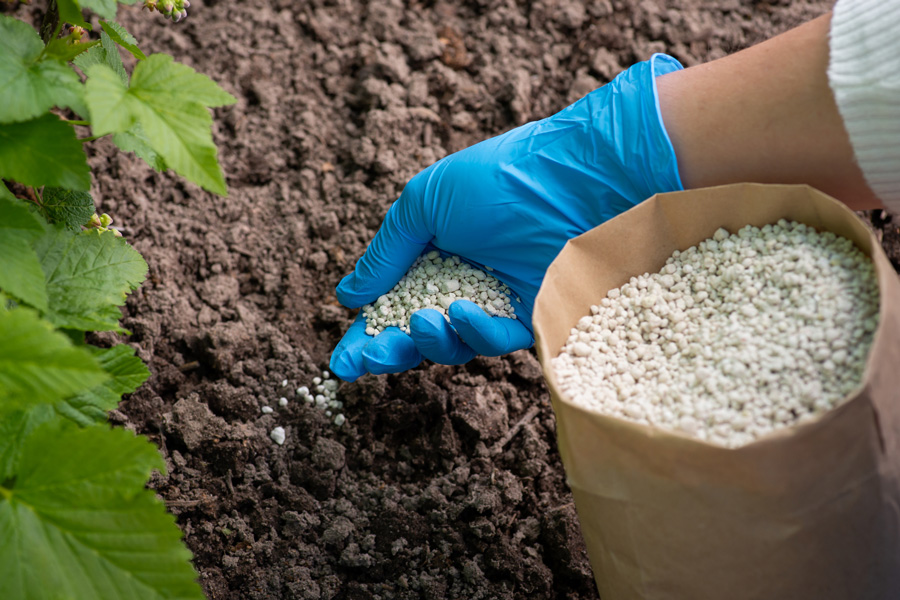
Use this resource to calculate planting densities, fertilizer application rates, sprayer calibration, and soil amendment applications using unit conversions. We demonstrate the “raw math” behind common calculations to provide you with the tools for solving any equation using simple addition, subtraction, multiplication, and division. No longer will you be dependent on having production guides, fertilizer charts, planter manuals, and spray nozzle catalogs to tell you what to do.
|
-

Native plants are a great choice for Georgia landscapes. They provide food and habitat for native insects, birds, and other creatures and allow the gardeners to support local ecosystems. They are well suited to their native environments and many are quite beautiful. However, they are not super plants! They need to be sited in locations that closely match their native habitat, and the general public often assumes they need little or no care. This publication outlines conditions under which native plants need supplemental water and pest protection. Using the guidelines presented here, gardeners will be able to grow healthy native plants in their landscape.
|
-

The purpose of this guide is to help users identify insects, spiders and mites that are beneficial to the garden. Such beneficials help manage pests that can damage plants. Tips to conserve and protect beneficials are also included.
|
-

This field guide is based on a 2-year study of ground-dwelling spiders in blueberry farms in southeastern Georgia and shows the most common spider families and genera found. This guide is for farmers, students, and educators to help them recognize these groups. Spiders are helpful organisms that feed on insects and other small creatures. In many cases, they are among the most effective natural controls of pest insects in gardens, farms, forests, and even inside homes.
|
-
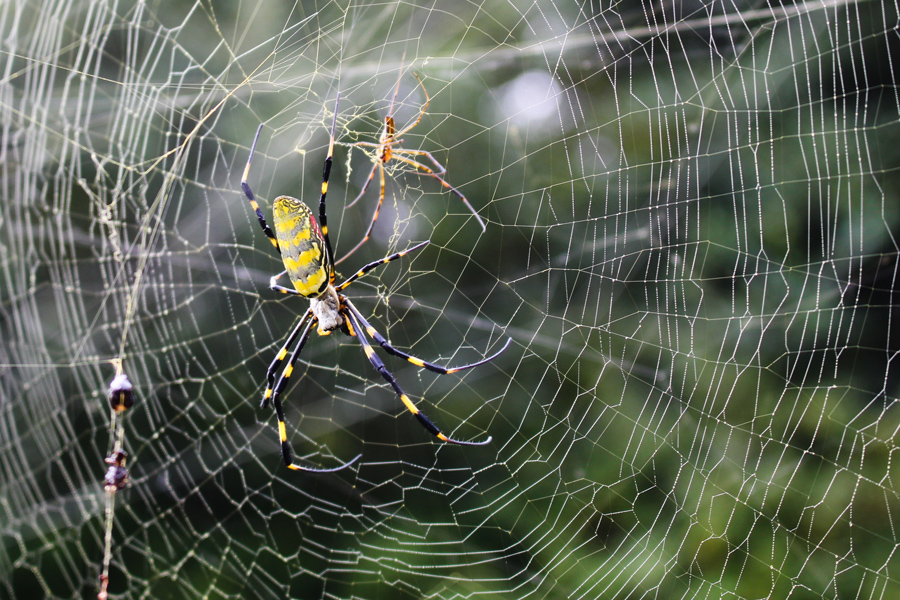
The Joro spider is native to East Asia and was first detected in Georgia in 2014. Adult females become sexually mature in September and early October. The female is bright yellow with broad, horizontal bluish-green bands on the top side of the abdomen, large red markings on the bottom side of the abdomen, with long, black legs with yellow-orange bands. The male’s cephalothorax is light brown with two dark brown long bands on both sides. His abdomen is elongate-oval with a greenish-brown topside that has two yellowish long stripes on both sides of the dark brown middle line.
|
-

The Georgia Pest Management Handbook gives current information on selection, application and safe use of pest control chemicals. The handbook has recommendations for pest control on farms, around homes, urban areas, recreational areas, and other environments in which pests may occur. Cultural, biological, physical, and other types of control are recommended where appropriate.
|
-

This publication provides current guidance for insect, disease, and weed control in commercial pecan orchards.
|
-

Commercial insect and weed control in forestry and Christmas trees. Updated annually.
|
-

SB 28-19
Fruit and Nuts Pest Management
Commercial insect and weed control in fruits and nuts. Updated annually.
|