Entomology Resources
-
SB 48-04
Aquatic Environments Pest Management
This section of the Home & Garden Edition covers external parasite control in aquatic environments, including fishery chemicals, aquatic weed control, response to herbicides, restrictions, and calculating concentrations in aquatic environments. Beginning in 2022, the Home & Garden Edition has been updated biennially. When purchasing a product based on a first-year recommendation of the Handbook, check the current product label before purchase to be sure it is still labeled for the use for which you are buying it. For pesticide products you have on hand from earlier purchases, you are allowed to use them until they are depleted without penalty under the law. Always follow label instructions before use. Contact the product’s manufacturer for the most up-to-date label.
|
-
SB 48-05
Home Orchard Pest Management
This section of the Home & Garden Edition covers pest control in home orchards, including apples, peaches, bunch grapes, muscadines, strawberries, blueberries, and other fruits. Beginning in 2022, the Home & Garden Edition has been updated biennially. When purchasing a product based on a first-year recommendation of the Handbook, check the current product label before purchase to be sure it is still labeled for the use for which you are buying it. For pesticide products you have on hand from earlier purchases, you are allowed to use them until they are depleted without penalty under the law. Always follow label instructions before use. Contact the product’s manufacturer for the most up-to-date label.
|
-
SB 48-06
Home Fungicide Guide
This section of the Home & Garden Edition covers fungicides for use in and around your home. Beginning in 2022, the Home & Garden Edition has been updated biennially. When purchasing a product based on a first-year recommendation of the Handbook, check the current product label before purchase to be sure it is still labeled for the use for which you are buying it. For pesticide products you have on hand from earlier purchases, you are allowed to use them until they are depleted without penalty under the law. Always follow label instructions before use. Contact the product’s manufacturer for the most up-to-date label.
|
-
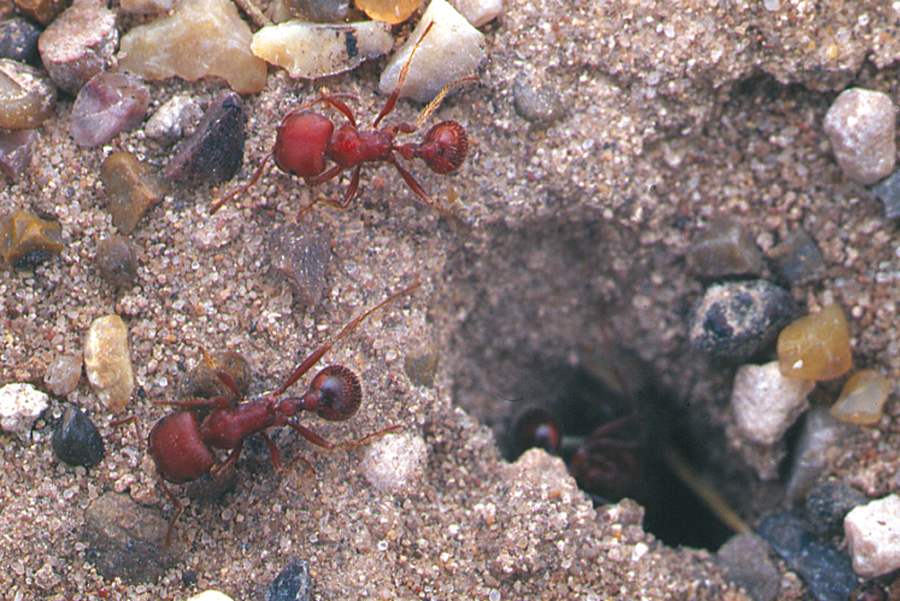
Imported fire ants interfere with outdoor activities and harm wildlife throughout the southern U.S. Ant mounds are unsightly and may reduce land values. Although fire ants do prey on flea larvae, chinch bugs, cockroach eggs, ticks and other pests, the problems they cause usually outweigh any benefits in urban areas. While it is not possible to eradicate this species, controlling fire ants is highly desirable. The best control programs use a combination of non-chemical and chemical methods that are effective, economical and least harmful to the environment.
|
-

This practical handbook provides basic answers about insects affecting vegetables in Georgia. The content is ideal for pest managers, farmers, Master Gardeners, and integrated pest management students in the Southeastern U.S.
|
-
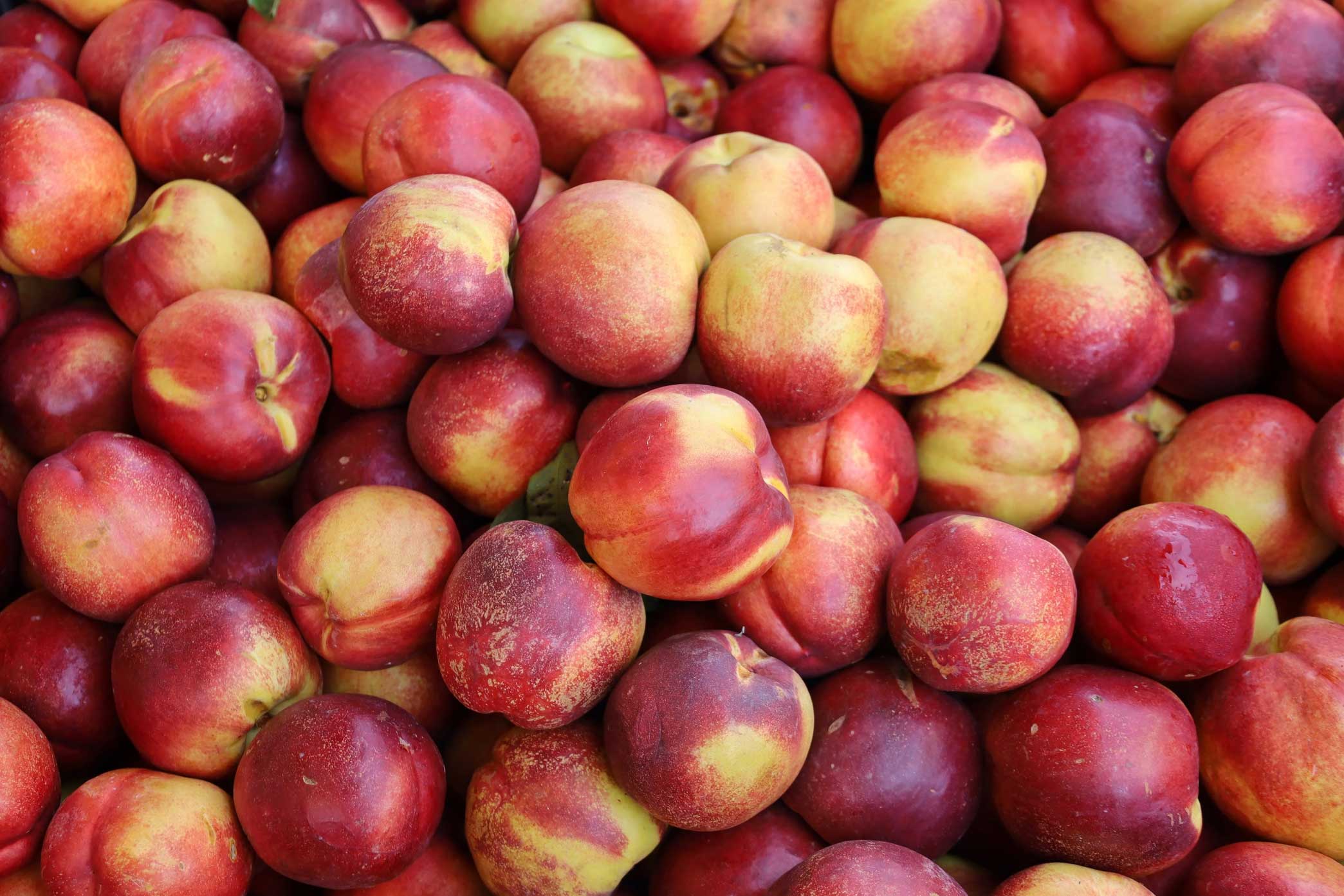
This guide covers multiple states and production areas. Pest problems vary across the Southeast. Pesticide rates are a guideline. Exceptions are noted for specific locations and pests, but this guide does not list every exception. Listed pesticides may not be registered for the uses recommended here in all states.
This guide is to be used only by commercial growers. Observe all label precautions and recommendations. Brand names of pesticides are given in the spray schedule as a convenience to the grower. They are neither an endorsement of the product nor a suggestion that other products with the same active ingredient are not effective.
|
-
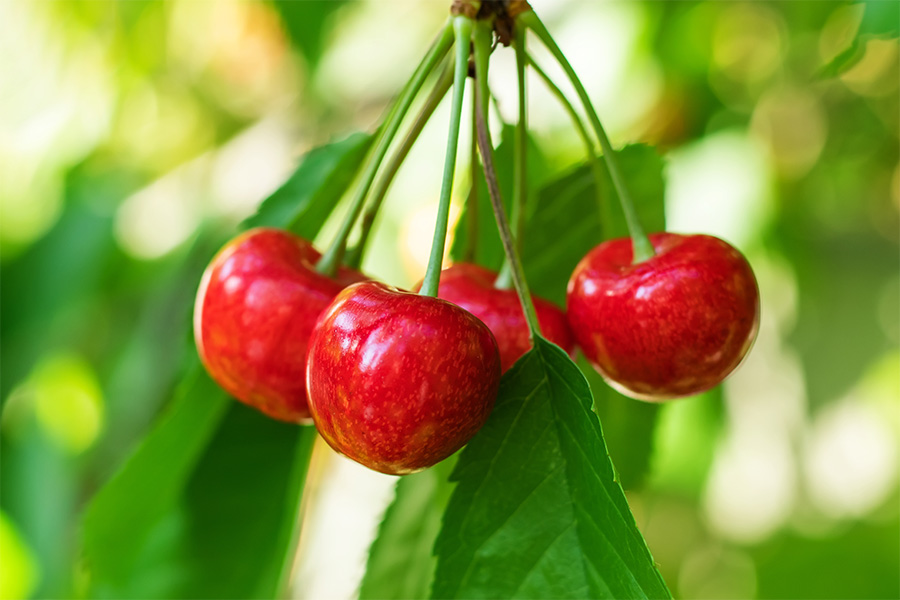
Many types of fruits and nuts can be grown in Georgia due to our mild climate. This publication provides an outline of the culture and management of the exotic and uncommon fruits and nuts that can be grown in Georgia.
|
-

This comprehensive resource was fully revised in 2025-26 and represents the latest information available on the commercial production of short-day onions in south Georgia.
|
-

The southeastern blueberry bee is an economically valuable pollinator in commercial blueberry production in Georgia. Researchers see a need for conservation of this species, and this resource provides detailed information on its identification, biology, nesting habitat, and floral hosts. It also incorporates research data from recent study in commercial blueberry system in south Georgia.
|