Entomology Resources
-
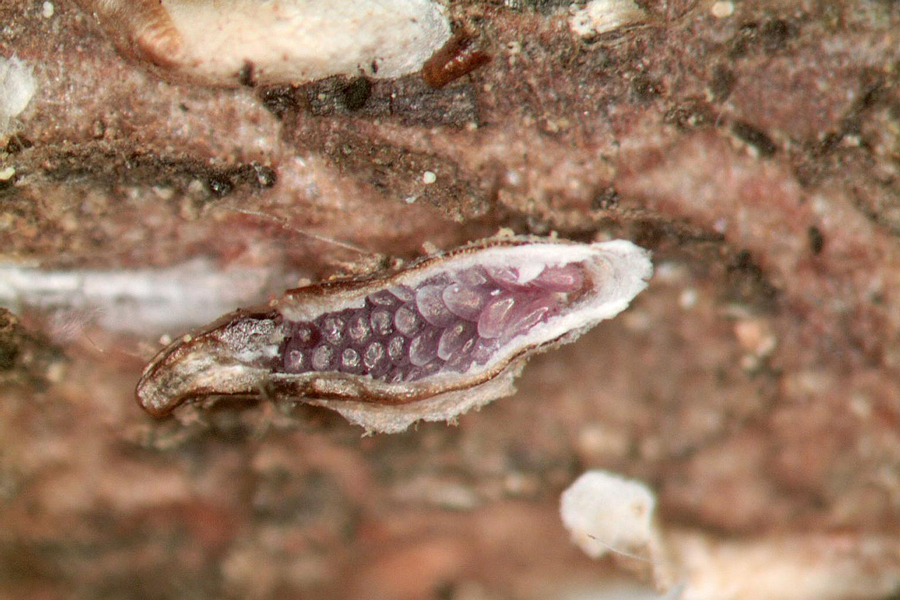
Japanese maple scale is an insect pest of Japanese maples and several other ornamental tree species that secretes a detached waxy shell that covers the body. Infested trees in the landscape reduce the value of the property, and in nurseries, an infestation affects the marketability of the trees. This publication covers identification and management of this pest.
|
-
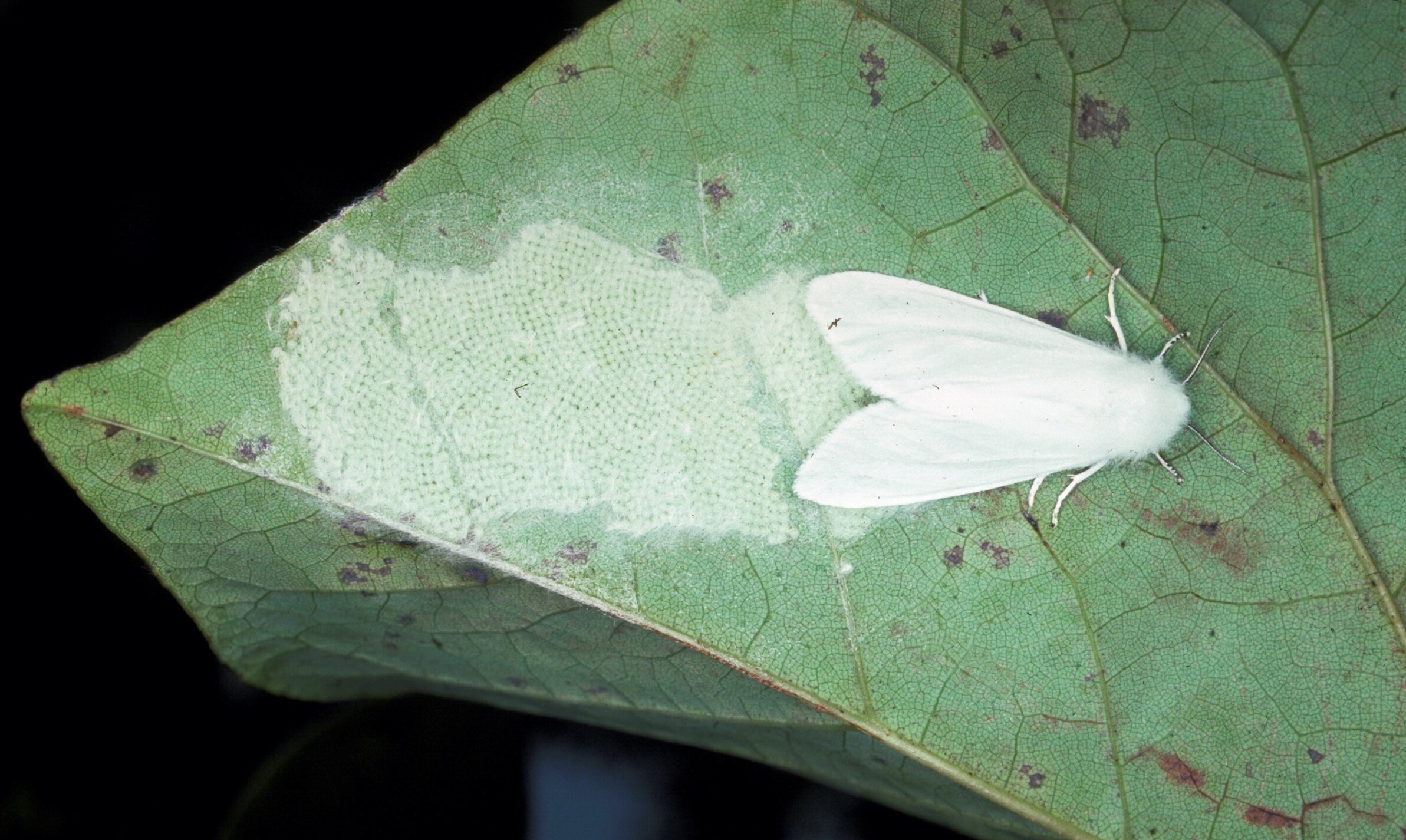
The fall webworm is a polyphagous caterpillar pest of ornamentals and trees in Georgia. “Polyphagous” means that it can feed on many types of food, and the fall webworm is known to feed on more than 600 species of plants, including row crops, herbaceous plants, shrubs, fruit, and ornamental trees in orchards, nurseries, and landscapes. Fall webworm larvae construct silk web nesting to facilitate feeding, to escape the attack of natural enemies, and for heat retention. The webbing is considered unsightly, and feeding on foliage inside the nest leads to extensive defoliation. The fall webworm can quickly reduce the aesthetic appeal of landscape trees and shrubs, and severe infestation can cause considerable damage to trees.
|
-
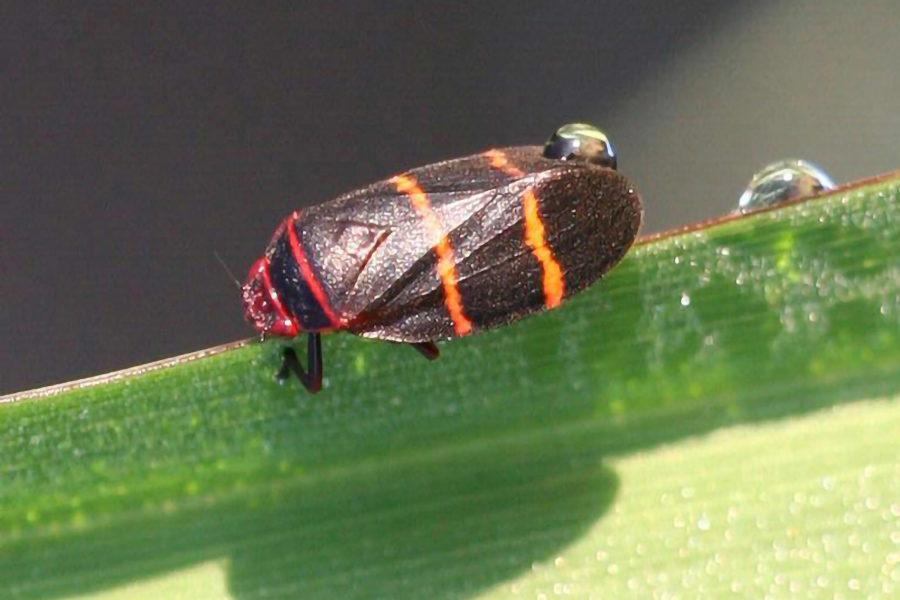
The two-lined spittlebug is an important insect pest of turfgrass in Georgia, with centipedegrass being the most susceptible to infestation. It also attacks some ornamental plants, including asters, hollies, and morning glories. This publication provides management options and other information on the two-lined spittlebug, including identification and biology, host plants, damage symptoms, and control strategies.
|
-
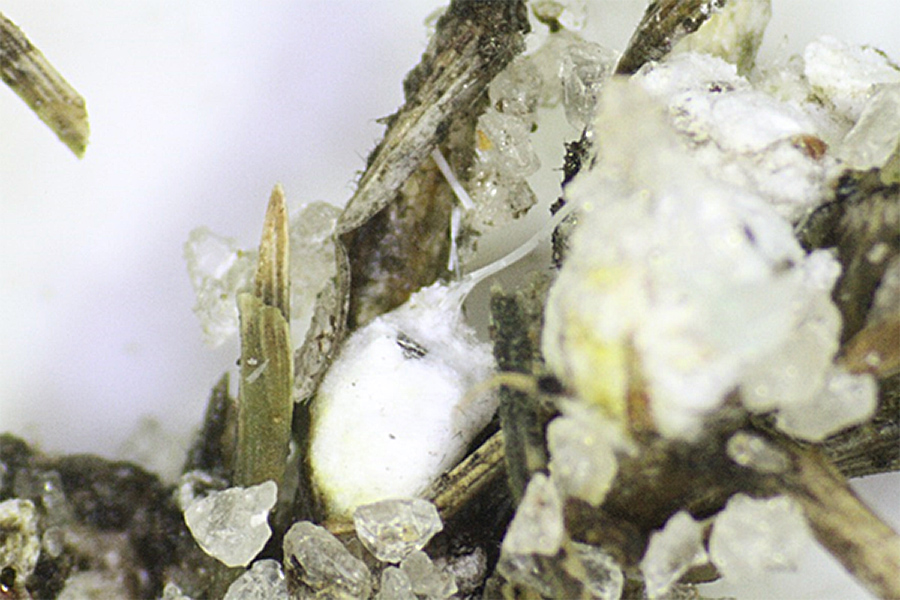
Rhodesgrass mealybugs are an invasive insect native to Asia that can infest more than 100 grass species including all warm-season grasses commonly used for pastures and turf in Georgia. This publication includes information about rhodesgrass mealybug identification and biology, its host plants, damage symptoms, and control strategies, including the use of parasitic wasps.
|
-
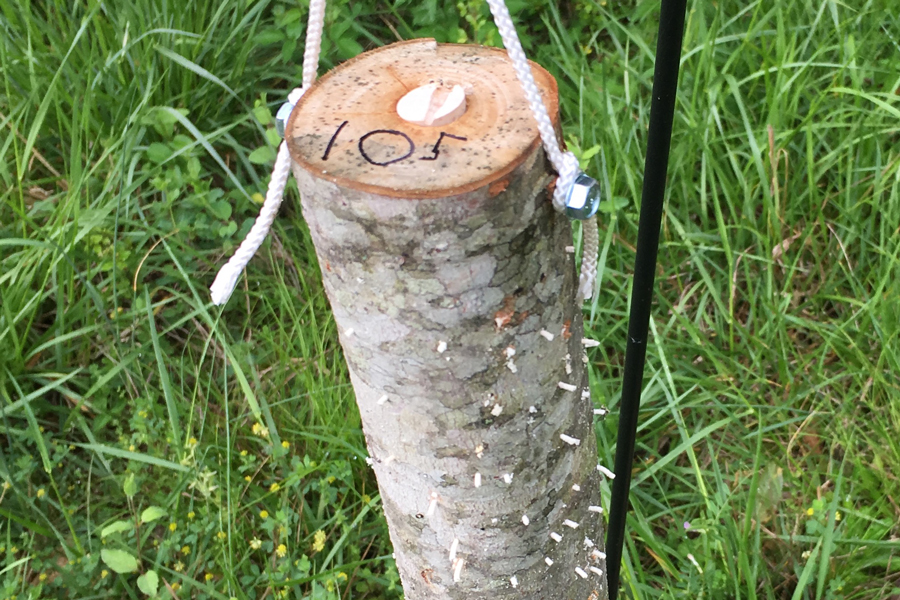
The granulate ambrosia beetle (previously known as the Asian ambrosia beetle) is a serious pest of woody ornamental nursery plants, fruit trees, and shrubs in Georgia. This publication provides information on identification and biology, host plants, damage symptoms, and control strategies for this aggressive pest.
|
-
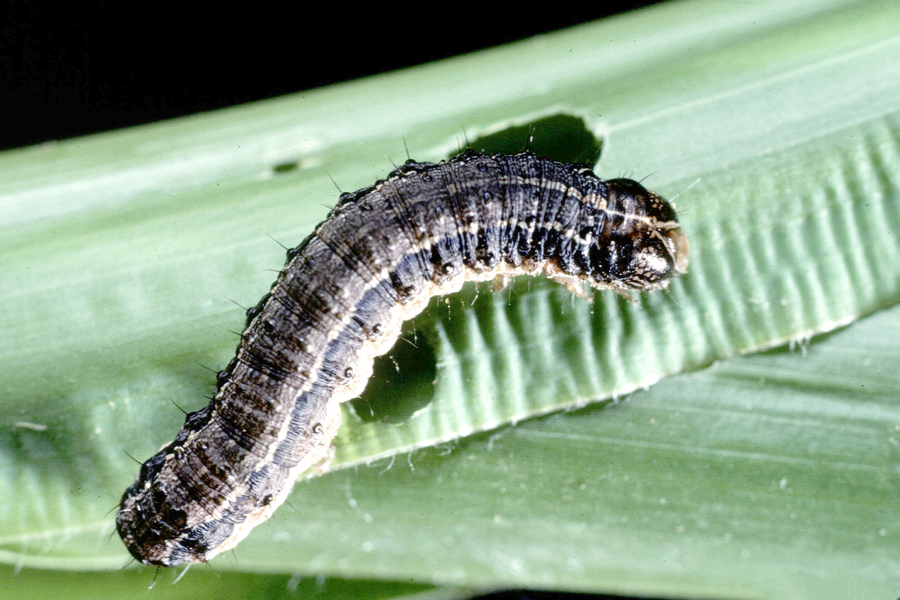
C 1130
Armyworms in Sod
It is not unusual for fall armyworms to infest newly planted sod in a home landscape, especially during late summer to fall. Not all fall armyworm problems originate from sod farms but instead begin near the home landscape where sod is installed. This resource explains the biology and seasonality of fall armyworm in Georgia and discusses possible management strategies to mitigate infestation.
|
-
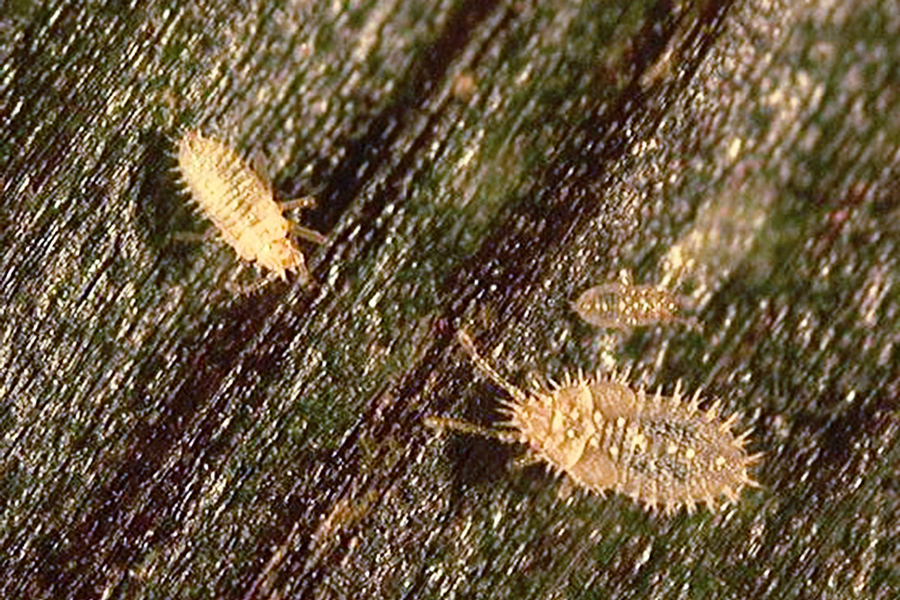
The grass lace bug is a pest of ornamental grasses in Georgia and thrives in warm, dry conditions. This publication provides information about how to identify and manage this pest.
|
-
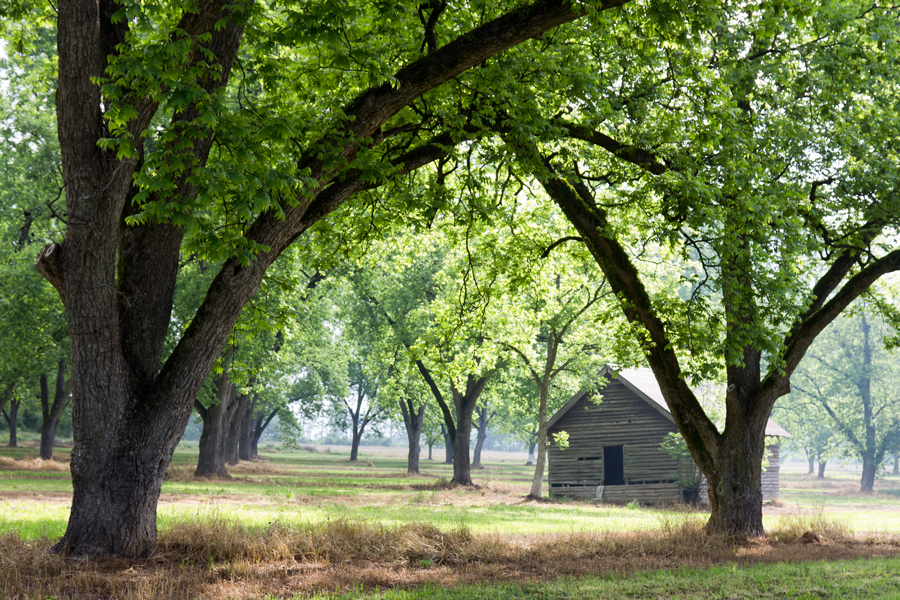
Many residents and properties in Georgia have a significant number of pecan trees or small backyard orchards. While pecan trees in commercial orchards are meticulously managed, noncommercial growers encounter challenges in applying the same level of intensive management to their own pecan trees. This guide provides essential tasks specifically designed for the care of these backyard trees.
|
-
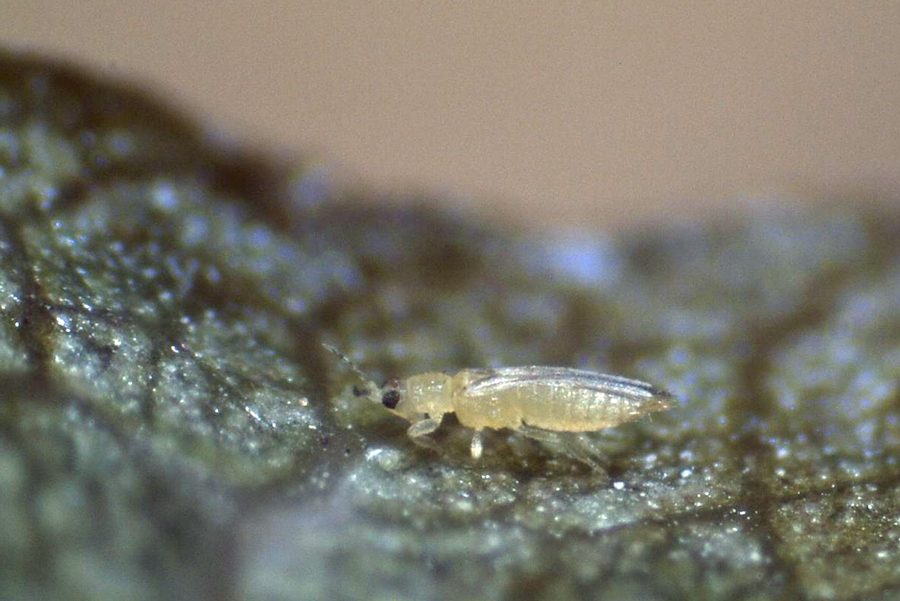
Chilli thrips is an invasive thrips species in the United States. Chilli thrips infest more than 150 crops worldwide, including strawberries, cotton, tea, citrus, and peppers, as well as many ornamental plants. The pest has become increasingly problematic in nurseries because of its wide host range, small size, and rapid reproduction and development. In Georgia, chilli thrips were first reported in 2007.
|