Entomology Resources
-

SB 28-15
Corn and Field Corn Pest Management
Commercial insect and weed control in corn and field corn. Updated annually.
|
-

Commercial insect and weed control in summer and winter temporary grazing. Updated annually.
|
-

SB 28-16
Cotton Pest Management
Commercial insect and weed control in cotton. Updated annually.
|
-

SB 28-34
Vegetables Pest Management
Commercial insect and weed control in vegetables. Updated annually.
|
-

SB 28-17
Field Peas Pest Management
Commercial insect and weed control in field peas. Updated annually.
|
-

Blister beetles sometimes infest forage crops such as alfalfa, where they may become incorporated in hay. This publication discusses biology, cause of illness and management of blister beetles.
|
-
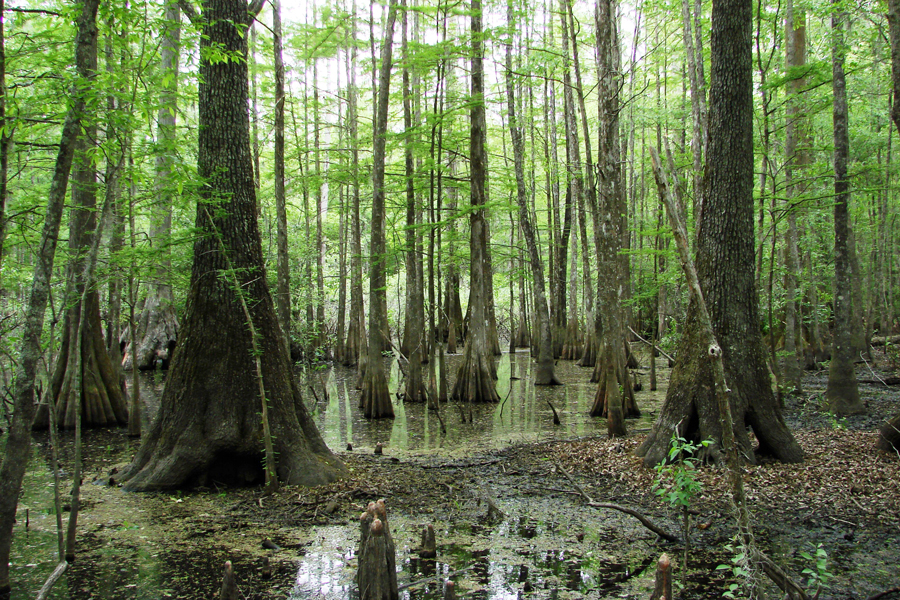
Many people view wetlands as “wastelands,” having few virtues. But it is now known that wetlands provide many useful services, from improving water quality to providing habitat for important fish and wildlife. These kinds of benefits would be costly to create, so maintaining natural wetlands is good for both the economy and the environment. Many smaller wetlands occur in Georgia farmlands, and many of the values provided by wetlands benefit Georgia farmers. This resource highlights the key virtues of wetlands to agriculture, describing how wetlands associated with Georgia farms can contribute to agricultural value.
|
-
This section of the Home & Garden Edition covers household and structural insect control, tips for hiring a professional pest control company, and management of excess moisture that attracts and sustains pest problems. Beginning in 2022, the Home & Garden Edition has been updated biennially. When purchasing a product based on a first-year recommendation of the Handbook, check the current product label before purchase to be sure it is still labeled for the use for which you are buying it. For pesticide products you have on hand from earlier purchases, you are allowed to use them until they are depleted without penalty under the law. Always follow label instructions before use. Contact the product’s manufacturer for the most up-to-date label.
|
-
This section of the Home & Garden Edition covers pests of public health concern such as mosquitoes, bed bugs, gnats, fleas and ticks, house flies, lice, and more. Beginning in 2022, the Home & Garden Edition has been updated biennially. When purchasing a product based on a first-year recommendation of the Handbook, check the current product label before purchase to be sure it is still labeled for the use for which you are buying it. For pesticide products you have on hand from earlier purchases, you are allowed to use them until they are depleted without penalty under the law. Always follow label instructions before use. Contact the product’s manufacturer for the most up-to-date label.
|