Environment
-

The Water Stewardship Act is intended to demonstrate Georgia’s deep commitment to the conservation of critical freshwater supplies. This publication provides an overview of the provisions and obligations for local governments, public systems and state agencies.
|
-

C 1213
Georgia Fireflies
Georgia is home to over 50 species of fireflies, more than any other U.S. state. Also known as lightning bugs, the insects’ “dancing light” patterns are an important, and nostalgic, part of Georgia summer evenings. To protect fireflies and ensure that we continue to enjoy their presence in the landscape, it is important to understand their lifecycle and habitat needs.
|
-
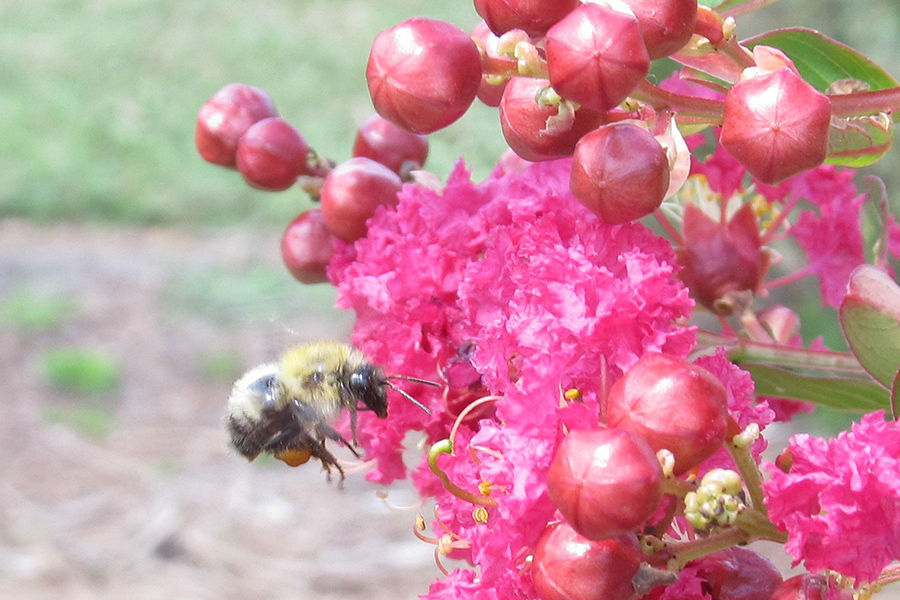
Crape myrtles, Lagerstroemia spp., are popular landscape shrubs and small trees. Native to China, Japan, and Korea southward to Oceania, crape myrtles have been cultivated in the U.S. for more than 175 years. Cultivars range from 3-ft shrubs to 30-ft-tall trees, and they are graced with large panicles of white, pink, lavender, purple, red, and many colors in between. Among cultivars, crape myrtles have a wide range of tolerance to key pests and diseases, such as powdery mildew, flea beetles, crape myrtle aphids, and Japanese beetles. The plant’s flowers are widely admired by humans and can serve as nectar and pollen sources for pollinators. With the recent decline in pollinator health and diversity, pollinator visitation, pest susceptibility, and horticultural attributes should all be considered when choosing crape myrtle cultivars for home and commercial landscapes.
|
-

The USDA-Food Safety Inspection Service (FSIS) indicated that if water is to be reused in a poultry processing facility, then this reuse water must be accounted for in the plant’s HACCP program.
|
-
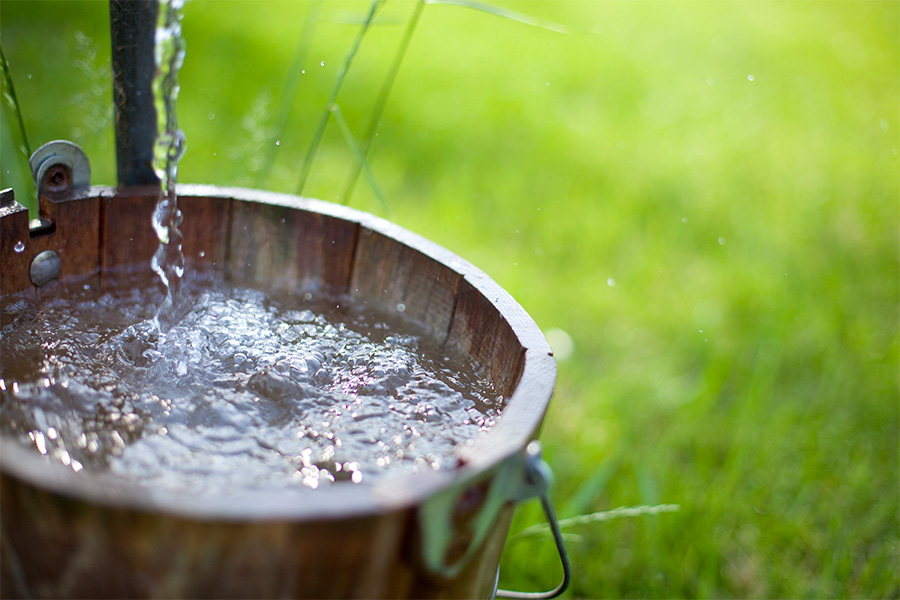
About 95 percent of Georgia’s rural residents depend on groundwater to supply their drinking water and farm needs. Wells are designed to provide clean water. If improperly constructed and maintained, however, they can allow bacteria, nitrates, pesticides, or petroleum products to contaminate ground water. These contaminates can put family and livestock health at risk. This assessment allows you to evaluate the environmental soundness of your farm and operational practices relating to the condition of your drinking water well.
|
-
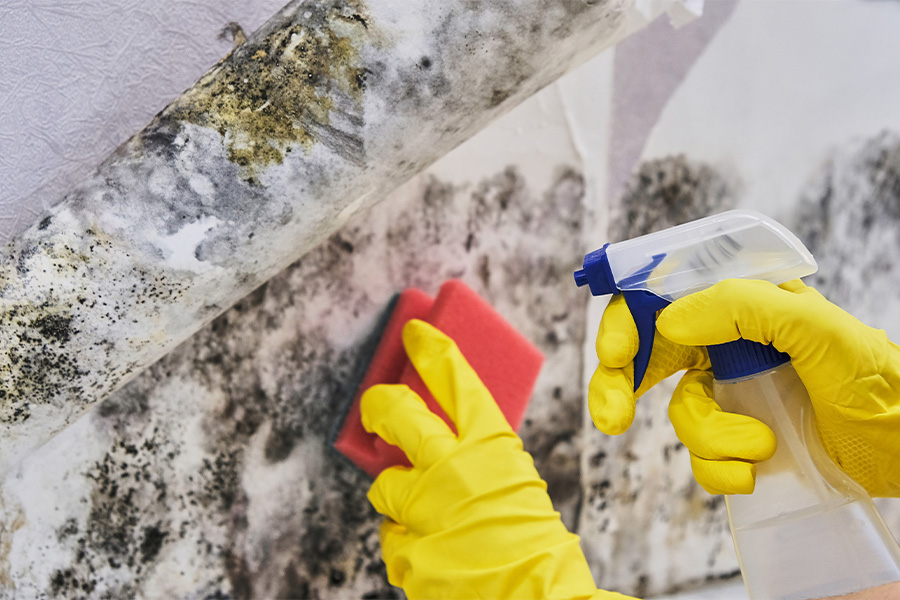
C 1047-2
Removing Mold in Your Home
Mold grows from spores, which are found naturally in the air and cannot be seen by the naked eye. Do a complete inspection of your home using the UGA Mold and Moisture Checklist. The key to controlling mold is to eliminate the source of the moisture problem.
|
-

C 2579
Be Aware of Your Indoor Air
Did you know the air inside buildings is nearly always more polluted than outside air? Learn the types of indoor air pollution and what you can do.
This publication was originally published by the LSU AgCenter and released for use in the state of Georgia by UGA Extension Housing & Environment Specialist Pamela Turner.
|
-

For most people a complete understanding of the standard methods required to accurately complete critical wastewater analytical tests is not necessary. However, a fundamental understanding of the theory behind and working knowledge of the basic procedures used for each test, and the answers to commonly asked questions about each test can be a valuable tool for anyone involved in generating, monitoring, treating or discharging process wastewater.
|
-

This quick reference guide provides an overview of common pests and predator groups and their sizes, habitat preferences, and timing in cotton fields. This visual guide is intended to help facilitate future scouting and provide information on common predatory arthropods in Georgia cotton systems. When growing cotton, scouting for key pests and beneficials is critical to making informed and cost effective management decisions.
|