Field Crops, Forage and Turfgrass Production Resources
-
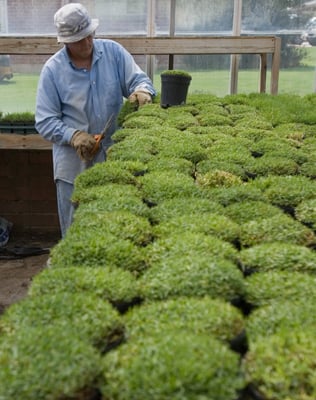
This article covers the activities of the UGA turfgrass breeding program, which develops improved cool- and warm-season turfgrasses that are well-adapted to the southeastern United States. Objectives focus on improving turf quality, persistence, environmental adaptation, and resistance to stress. Future breeding efforts will focus on the development of climate-resilient turfgrass that performs well under increasingly challenging environmental conditions.
|
-

This presentation at the Turfgrass Research Field Day covers research and information about fungicides and nematodes in Georgia turfgrass.
|
-
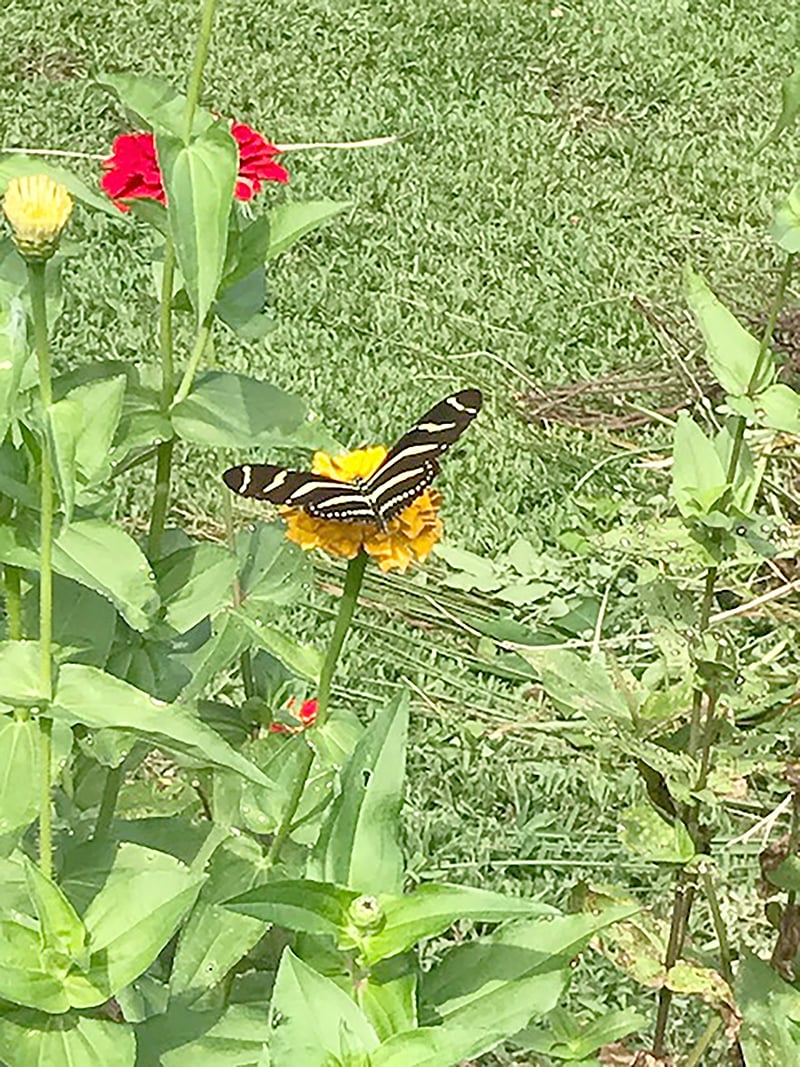
AP 117-5-02
Beneficial Insects in Turfgrass
NewTips for protecting turf and preserving the pollinators at the 2026 Turfgrass Research Field Day.
|
-

AP 117-5-00
2026 Turfgrass Research Field Day Program
NewDownload the program PDF for the 2026 Turfgrass Research Field Day, held every other year on the UGA campus in Griffin, GA.
|
-

This quick reference guide provides an overview of common pests and predator groups and their sizes, habitat preferences, and timing in cotton fields. This visual guide is intended to help facilitate future scouting and provide information on common predatory arthropods in Georgia cotton systems. When growing cotton, scouting for key pests and beneficials is critical to making informed and cost effective management decisions.
|
-
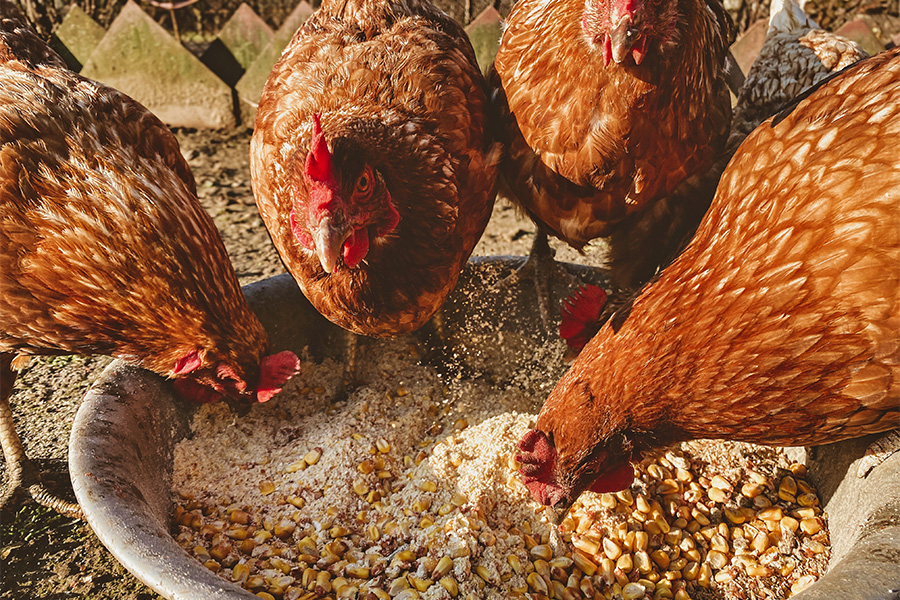
This bulletin is an educational reference for those who are interested in animal feeding and nutrition. It defines common terms used when discussing or reading about animal feeding and nutrition.
|
-
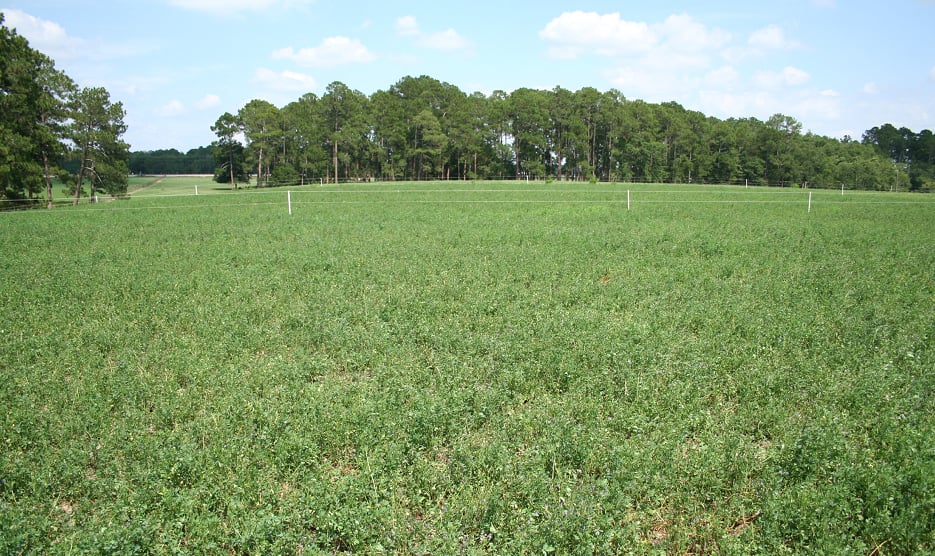
Measuring, monitoring, and managing forage requires producers to regularly measure how much forage mass is present and how quickly that forage is growing. By using a rising plate meter, producers can assess the forage mass across several pastures quickly and with reasonable accuracy. Then, by comparing available forage in individual paddocks from one week to another, producers can determine the growth rate of the forage. In periods of poor growing conditions, management can be deployed to increase growth rates. In periods of rapid growth rate, decisions can be made to alter grazing sequences or plans can be made to harvest excess forage for hay or baleage. In short, the rising plate meter helps producers to assess the current status of each pasture and then make better decisions to increase the efficient use of that forage.
|
-

The field is a complex environment with many factors that can interact to influence the growth of a corn plant. These factors can be living in the form of insects, diseases, nematodes and weeds; or, they can be non-living such as weather, nutrients or chemicals. In the proper combination of factors, corn can produce more than 200 bushels per acre in the Southeast; or in a totally unfavorable combination, every corn plant can die. When a problem is identified, it is important to determine the extent and severity of the problem to decide whether corrective measures are necessary or available. Use this guide and other technical information before implementing any management decision.
|
-

This publication is a monthly guide for professional managers of commercial, recreational, municipal, institutional or private grounds in Georgia.
|