Food Science and Technology Resources
-

This resource provides some basic information required to make various types of sausage. It is for those who enjoy good homemade sausage and who wish to obtain the greatest satisfaction from the trimmings and variety meats generated from farm slaughtered livestock or the results of a good hunt. The recipes listed in this publication collected from various sources and have been prepared and tested. They are suitable for beginners and experts alike. Also included is information on the history of sausage making, sausage types and ingredients, sausage making equipment and procedures, and food safety concerns and procedures.
|
-

As a part of a packinghouse environmental monitoring program, adenosine triphosphate (ATP), protein, and allergen swabbing is used to ensure that packinghouse equipment and surfaces have been properly cleaned and prepared for sanitation. ATP, protein, and allergen swabbing is frequently incorporated to complement microbial swabbing practices or as an independent program. These swab types indicate the presence of soils and residues on equipment, determining the effectiveness of the cleaning portion of a sanitation program. Sample results can be read in minutes, unlike microbial swabs, which take days. For this reason, ATP, protein, and allergen swabs are used immediately after cleaning to rapidly confirm that cleaning procedures were thorough. Operations then sanitize and collect microbial swabs to verify the effectiveness of the sanitation process.
|
-

This resource covers turmeric’s nutritional and functional properties, highlighting key components and their health benefits. It also discusses turmeric’s use in food coloring, packaging, and medicine, along with safety concerns such as adulteration. With rising demand for natural, functional ingredients, turmeric production presents a promising opportunity for Georgia farmers and food producers.
|
-
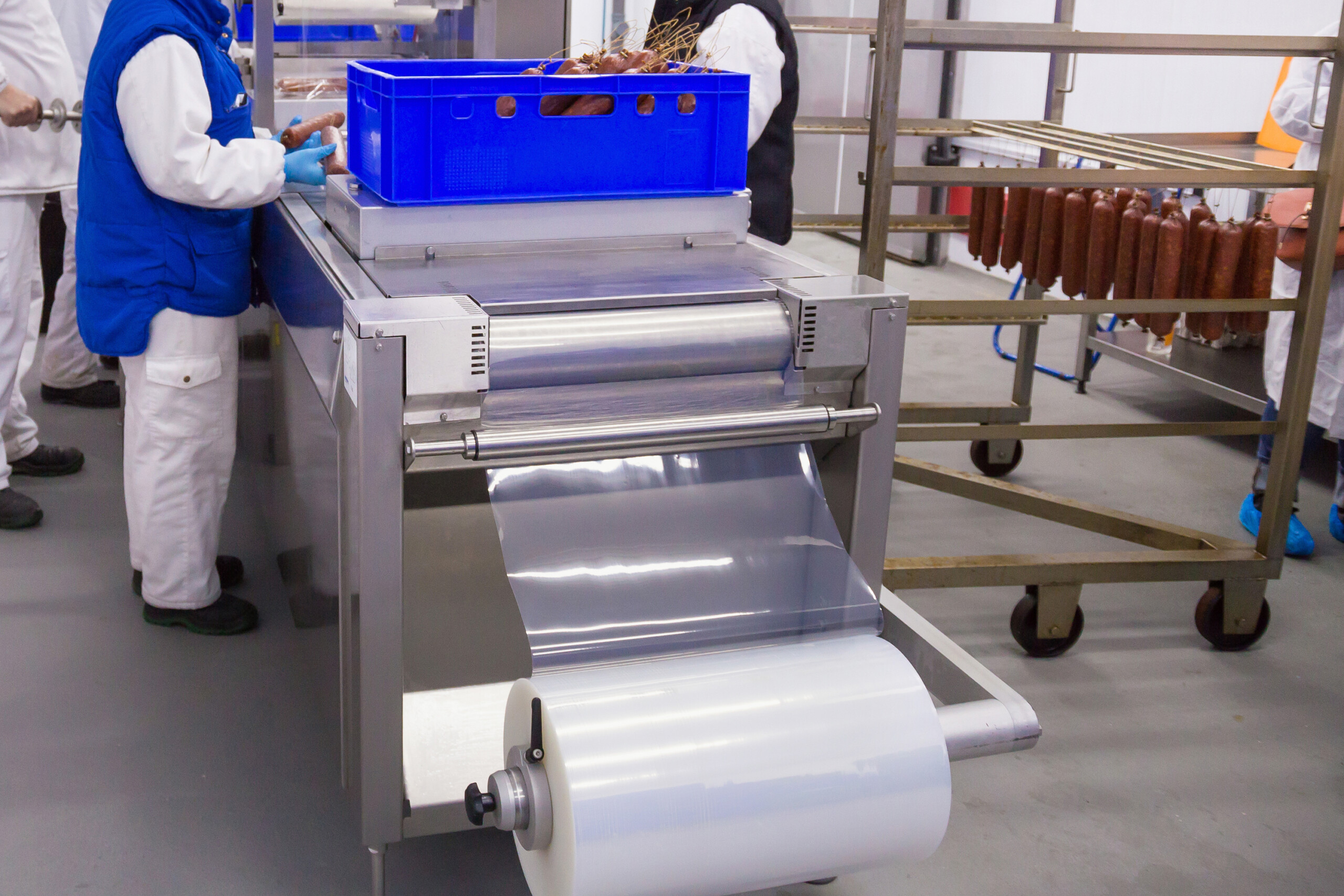
Produce buyers are increasingly requiring their suppliers to establish environmental monitoring programs in their packinghouses to verify the sanitary conditions of handling facilities and equipment. The first step of a successful monitoring program requires accurate zone designation, whereby surfaces are identified according to their proximity to and likelihood of contaminating a food product. This first publication in the “Packinghouse Environmental Monitoring Programs” series guides food safety managers as they determine how to prioritize food-contact and non-contact surfaces as they develop their monitoring programs.
|
-

B 1438
Is Your Label Gluten Free?
With the increased demand for gluten-free products in the marketplace, food processors and manufacturers have started to develop more and more better-tasting and nutritious food products that also are gluten-free. However, the federal food labeling regulations for gluten-free products can be very confusing for small food processors and new food product entrepreneurs.
The purpose of this bulletin is to assist small food processors and food entrepreneurs in their understanding of the FDA labeling requirements for putting “gluten-free” on the label of packaged food products. The authors do not claim interpretation or replacement of any other federal or state regulations about labeling requirements.
|
-

This comprehensive resource was fully revised in 2025-26 and represents the latest information available on the commercial production of short-day onions in south Georgia.
|
-

Oat okara, the nutritious byproduct of oat milk processing, is rich in protein and dietary fiber. Current practices often discard okara or use it as animal feed. Produced in large quantities, it represents not only a sustainability challenge but also a significant economic opportunity. With potential applications in food fortification and as a cost-effective ingredient in baked goods, snacks, and more, utilizing oat okara can reduce waste and add value to the production chain. Unlocking its potential benefits both the environment and the food industry.
|
-
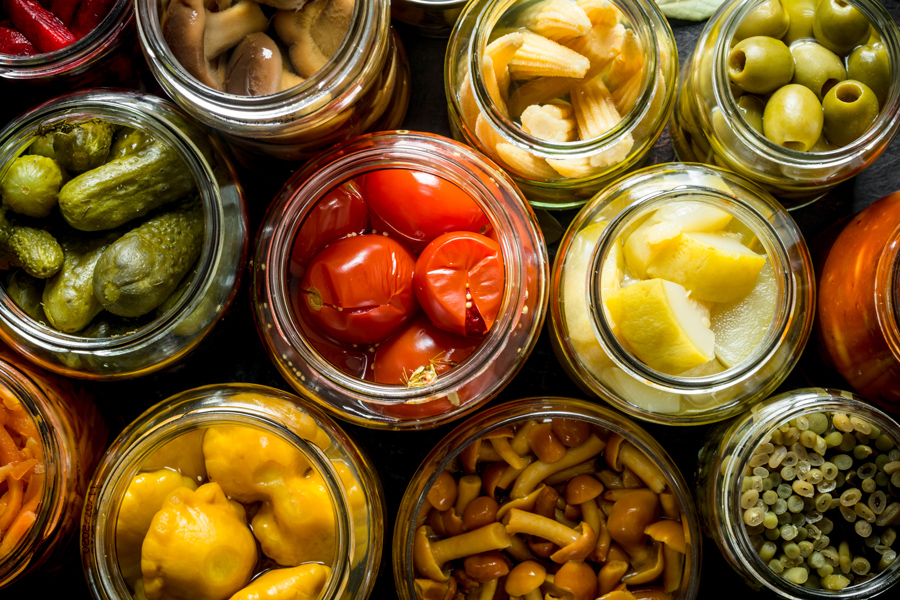
An acidified food is a low-acid food to which acids (such as vinegar, lemon juice, citric acid, etc.) or acid foods (such as fruits or tomatoes) have been added to bring the equilibrium pH of the food to 4.6 or less, with equilibrium water activity greater than 0.85.
|
-

Using Hot-Fill-Hold: A Thermal Preservation Process. Processors of acidified foods are required to comply with federal, state, and local regulations (when applicable) for thermal processing to ensure the safety and shelf-stability of their products. The hot-fill-hold (HFH) process is a thermal processing technique used to inactivate pathogens and extend the shelf life of acidified products. Heating before filling allows for commercial sterilization of the product, and then filling the container with the hot product will sterilize the clean container.
|