Food Science and Technology Resources
-
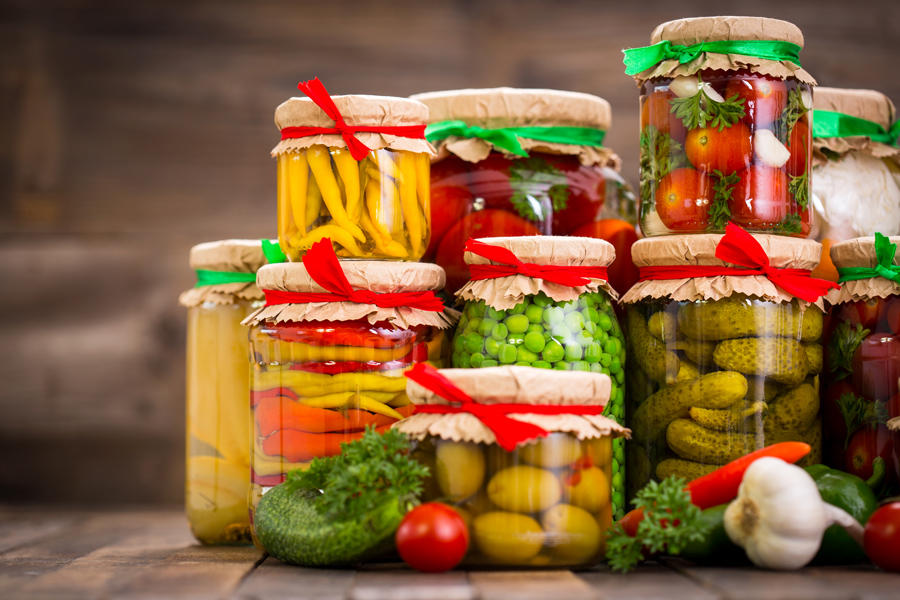
When processing acidified foods, the hot-fill-hold process involves heating the product to around 180–200 °F, then filling, inverting, and holding for 2–5 minutes to achieve commercial sterility. Higher temperatures will generally correlate with shorter hold times, and lower temperatures will generally correlate with longer hold times.
|
-
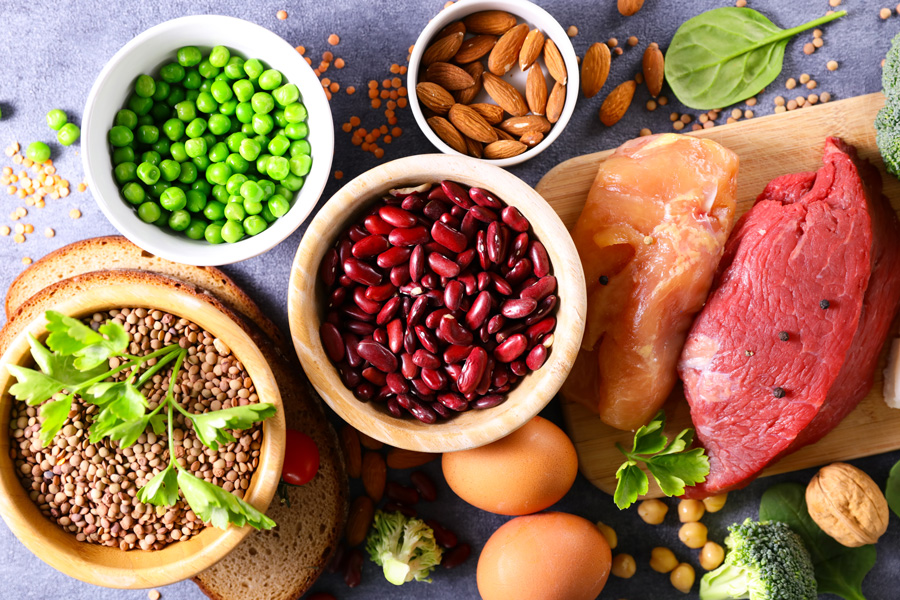
This publication provides a clear and balanced comparison of plant-based and animal-based proteins in our food. It looks at the nutritional value, environmental impact, and health effects of each type of protein. The goal is to help readers understand more about these protein sources without saying whether one is better than another—in other words, to inform and educate, giving everyone the knowledge to learn about different dietary options.
|
-

This circular contains the fundamentals of watermelon irrigation scheduling using the crop water demand method. Decisions regarding the timing, frequency, and amount of water required for a crop are some of the most critical factors in vegetable production. There are numerous irrigation scheduling strategies employed by growers, but the crop water demand method of irrigation management is one of the most reliable and precise ways to schedule irrigation. This method adjusts irrigation events using the crop evapotranspiration, or ETc.
|
-
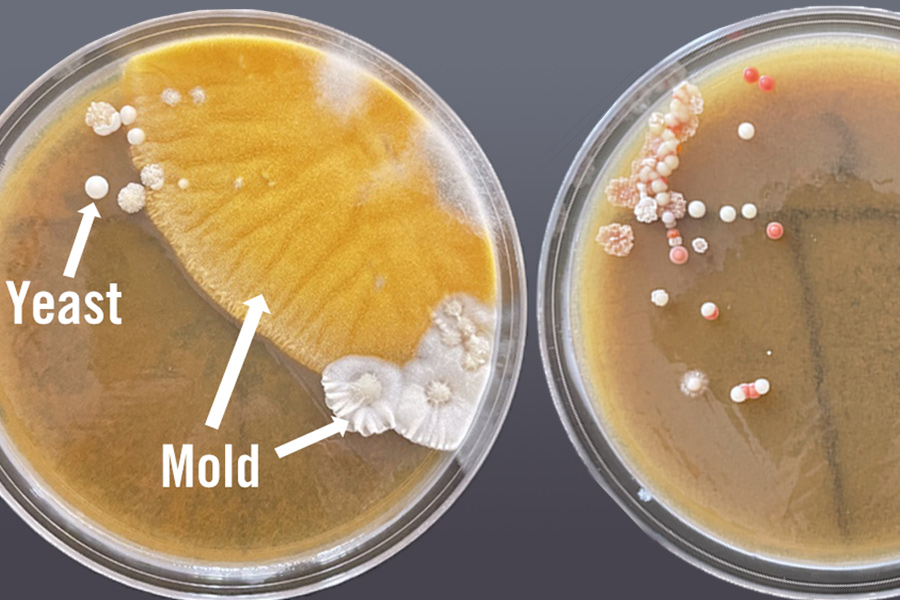
Wild yeast fermentations are an emerging trend in brewing that can provide a unique sensory experience for the consumer compared to beers brewed with commercial yeast strains. Wild yeast allows brewers to put a local story behind their beers by using strains isolated from the nearby environment. While wild yeasts can impart fruity, spicy, or sour flavors in beers without the addition of adjuncts, the beer’s sensory properties, yeast attenuation, and yeast’s alcohol tolerance are unpredictable, and evaluations must be conducted to determine the flavor profiles in beers brewed with wild yeast.
|
-

B 1563
Oxidizing Filters
Private well waters often contain high levels of iron, manganese, and hydrogen-sulfide. While these contaminants are not considered to have any human health consequences, they can cause various issues such as staining, impaired taste, and odor problems once their concentration exceeds certain levels, and homeowners need an appropriate system to remove them—such as an oxidizing filter. Oxidizing filters operate using oxidation, which occurs when a substance comes into contact with oxygen or another oxidizing substance. Everyday examples of oxidation are rust and the brown color that develops on a cut apple. This publication discusses various aspects of oxidizing filtration technique such as applicability, types of filter media, maintenance, etc.
|
-

Satsuma oranges are a fast-growing commodity in Georgia. Satsumas are natural and excellent sources of sugars, organic acids, soluble fibers, vitamins, minerals, phytochemicals, and essential oils. This resource describes the nutrients found in satsuma oranges and opportunities to develop high-value food ingredients from satsuma oranges. This information may help the local citrus industry diversify its current product portfolio. It also describes essential food safety concepts that may improve the overall competitiveness of the Georgia citrus industry.
|
-

Red cabbage is a highly nutritious vegetable crop, rich in minerals, vitamins, and several other chemical compounds that are beneficial for human health, including phenols, proteins, glucosinolates and anthocyanins. While red cabbage belongs to the same group as the other cabbage varieties (white and green) widely produced and consumed in the state, red cabbage production and consumption in Georgia is still low. This publication contains basic information on crop management, food safety practices, and biochemical properties of red cabbage.
|
-

Human campylobacteriosis and salmonellosis are two of the most commonly reported gastrointestinal infections worldwide and poultry meat has been identified as the main source of infection. Controlling pathogen colonies of public health concern such as Salmonella and Campylobacter in poultry flocks on the farm is critical for a successful overall food safety program. Biosecurity on the farm can contribute significantly to reducing the potential for Salmonella and Campylobacter colonization in broilers.
|
-

In this video, you will learn how to judge the optimum maturity of strawberries for harvest and how to identify the main quality attributes that are important for maximum postharvest shelf life.
|