Food Resources
-
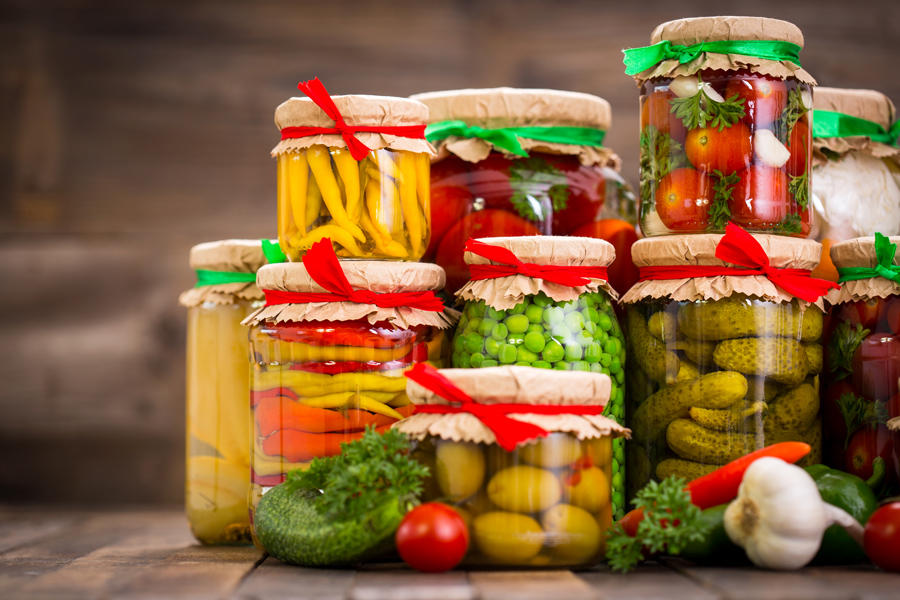
When processing acidified foods, the hot-fill-hold process involves heating the product to around 180–200 °F, then filling, inverting, and holding for 2–5 minutes to achieve commercial sterility. Higher temperatures will generally correlate with shorter hold times, and lower temperatures will generally correlate with longer hold times.
|
-
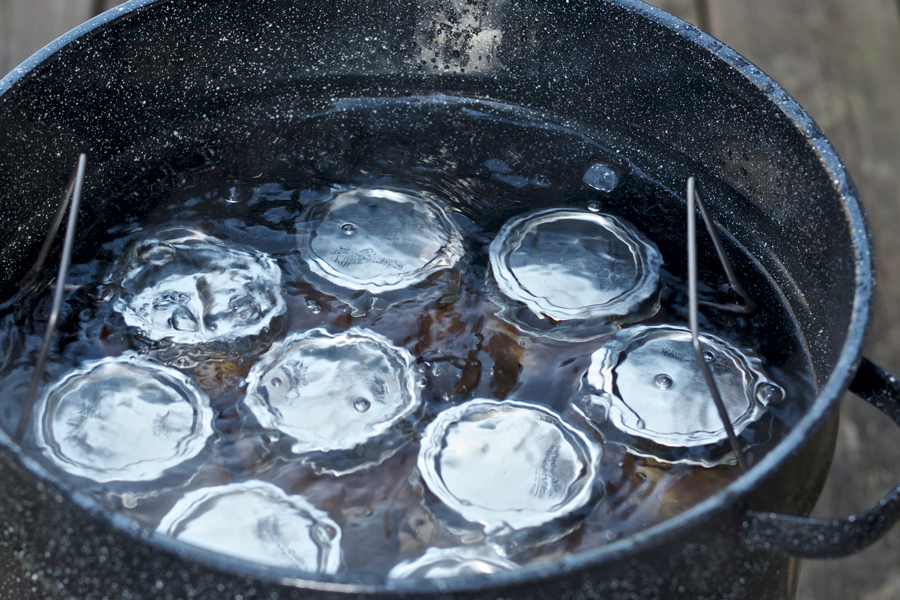
C 1344-01
Using Boiling Water Canners
A water bath (boiling water) canner is a large cooking pot with a lid and a rack inside. Most boiling water canners are made of aluminum, enamel-coated or porcelain-covered steel, or stainless steel. This publication covers steps to successful food preservation using boiling water canners.
|
-
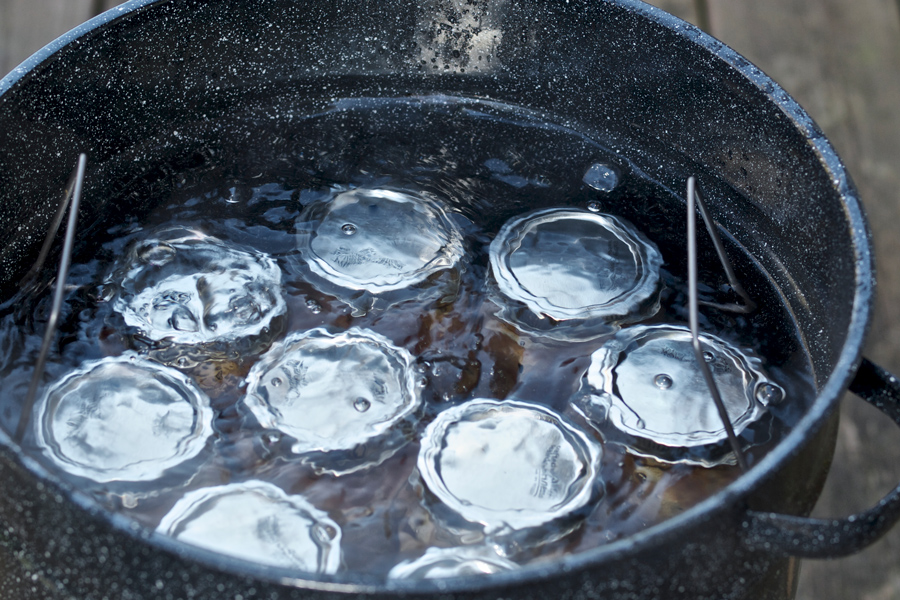
C 1344-01-SP
Uso de Envasadoras de Agua Hirviendo
Una envasadora de agua hirviendo es una olla grande para cocinar con tapa y una rejilla en el interior. La mayoría de las envasadoras de agua hirviendo están hechas de aluminio, acero esmaltado o porcelanizado, o acero recubierto de porcelana, o acero inoxidable. Esta publicación cubre los pasos para la preservación exitosa de los alimentos usando enlatadoras de agua hirviendo.
|
-
C 1323-04
Understanding the Nutrition Facts Label
The U.S. FDA regulates the Nutrition Facts label on most packaged foods and beverages. This label is a tool that can help you make informed decisions and healthier food choices. Nutrient content claims may describe the amount of a nutrient in a food product or compare it to that of another food product.
|
-
C 1323-06
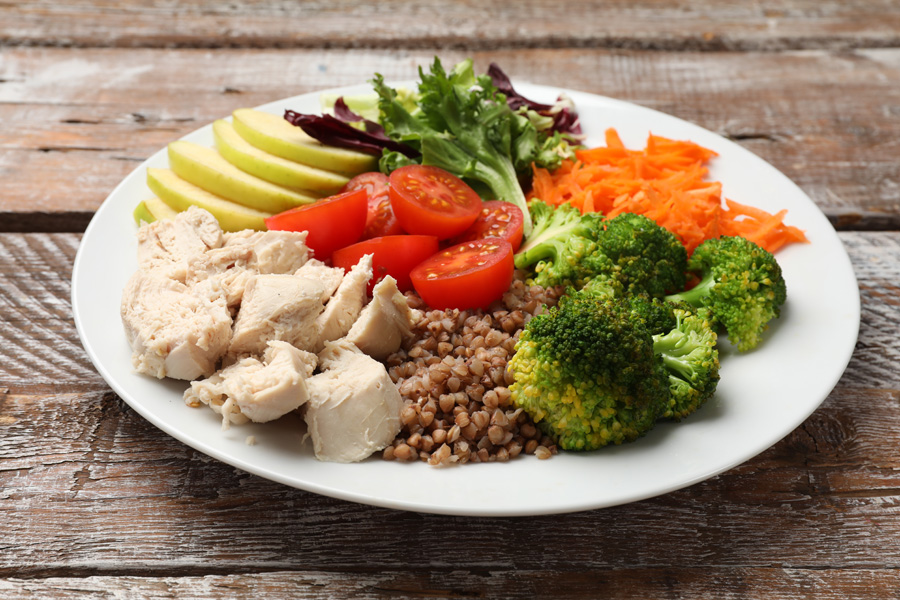
Diabetes Plate Method
The Diabetes Plate Method is an approach to creating a healthy eating pattern, and it may be used alone or in combination with other tools to help you meet your nutrition and health goals. Research has shown that the Diabetes Plate Method can help people with diabetes lower their A1c, which improves blood glucose management.
|
-
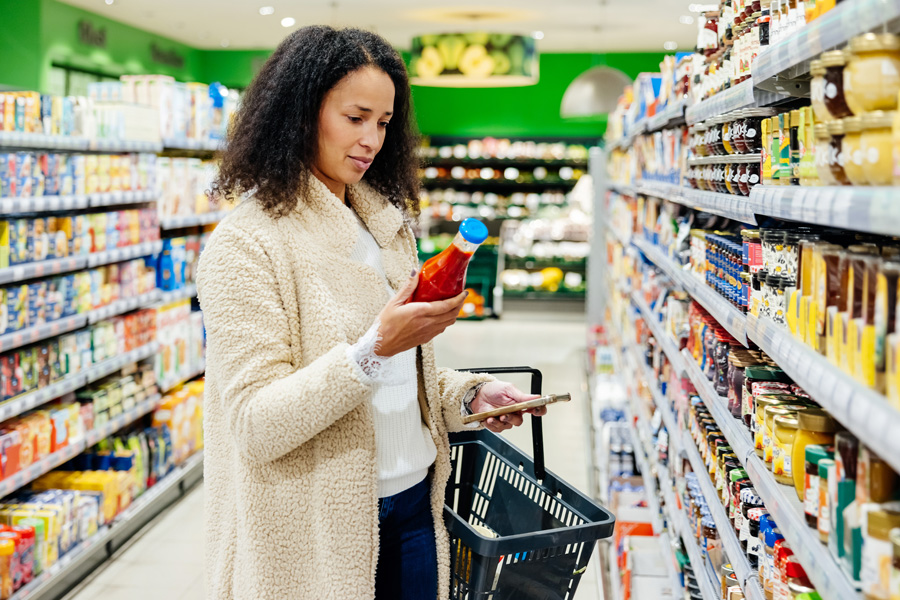
The body needs sodium, but consuming too much over time can increase blood pressure. Having higher blood pressure increases your risk for heart attack, stroke, and kidney disease. For people with diabetes, high blood pressure can increase the risk of complications from diabetes.
|
-
C 1323-07
Modifying Recipes for Healthier Results
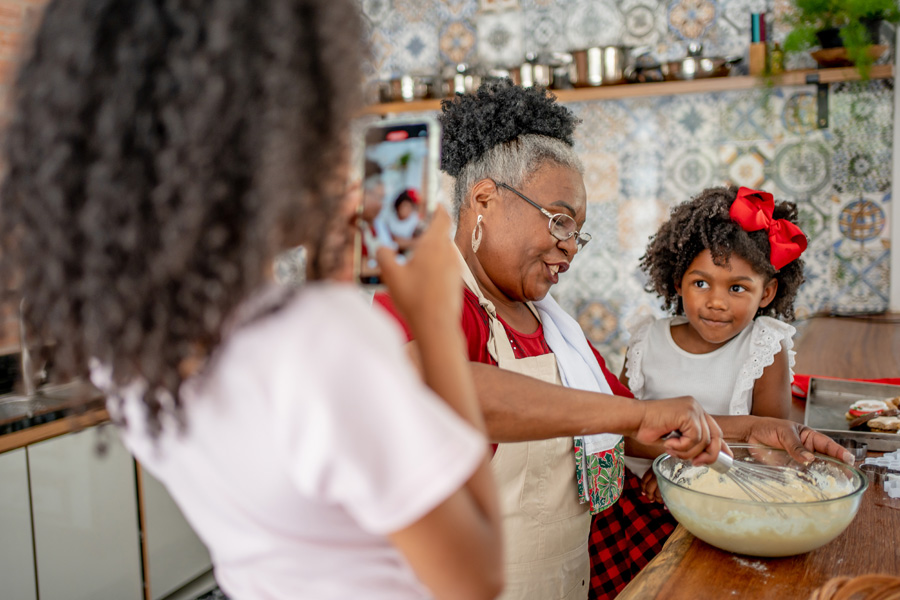
Eating healthier doesn’t have to mean giving up your favorite recipes. Some special recipes served only on occasion may be better left alone, like your grandmother’s special coconut cake. Recipes you make more often might be worth modifying to make them healthier and aligned with your current health goals.
|
-
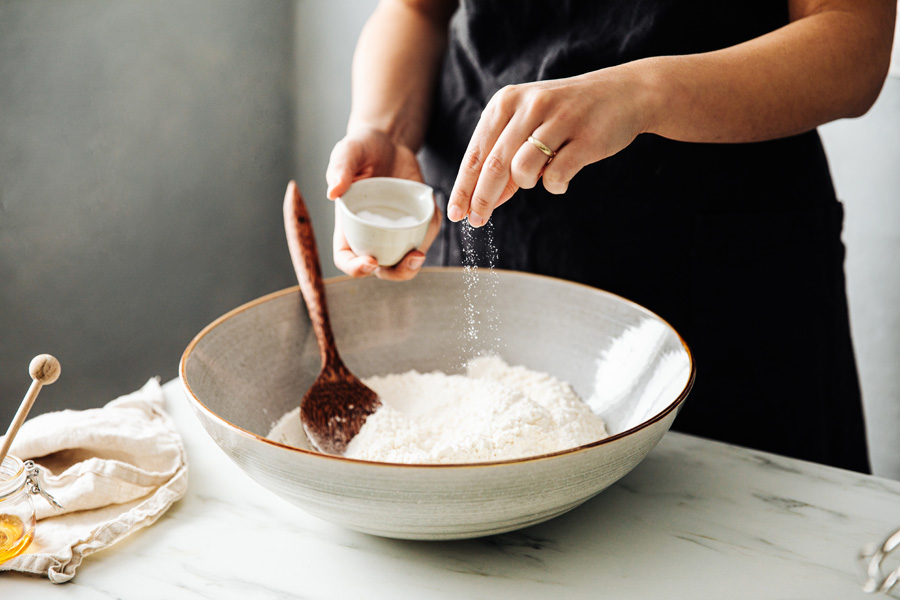
All carbohydrates are broken down into simple sugars, like glucose, during digestion. Controlling blood glucose is one of the primary goals in diabetes management. People with diabetes may desire to lower their carbohydrate, added sugar, and calorie intake by using sugar substitutes, including low-calorie or no-calorie sweeteners. These can come from natural sources, like stevia and monk fruit, or be synthesized in a laboratory, like sucralose, aspartame, and saccharin.
|
-
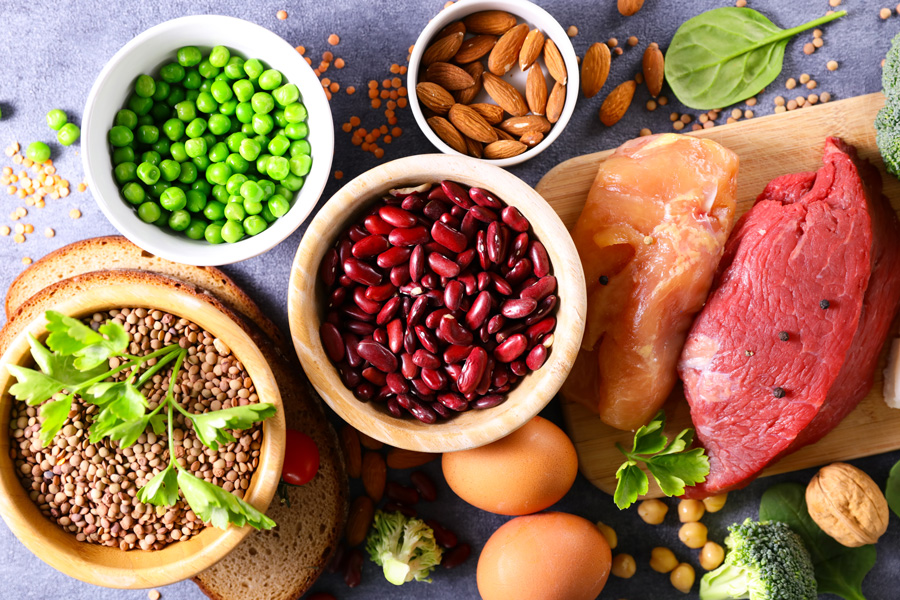
This publication provides a clear and balanced comparison of plant-based and animal-based proteins in our food. It looks at the nutritional value, environmental impact, and health effects of each type of protein. The goal is to help readers understand more about these protein sources without saying whether one is better than another—in other words, to inform and educate, giving everyone the knowledge to learn about different dietary options.
|