Food Resources
-

U.S. poultry processors must meet regulatory requirements for Salmonella and Camplylobacter prevalence in all of the poultry products that they produce. Monitoring the efficacy of antimicrobial interventions (biomapping) during processing assists in meeting performance standards and improving microbiological quality of the products through better process control.
|
-

Poultry processors have incorporated numerous antimicrobial interventions in the slaughter process to reduce the prevalence and/or concentrations of foodborne pathogens Salmonella and Campylobacter. The conventional process is to evaluate the efficacy of the incorporated antimicrobial interventions in reducing either indicator microorganisms or the foodborne pathogens immediately after the intervention step. This publication provides information on the two distinct elements of validation.
|
-
C 1300-02
Cross-Contamination
Cross-contamination, resulting in foodborne pathogen contamination of small fruits, can occur at any point throughout production and post-harvest handling. This video discusses techniques and best practices for growers and packers to ensure the production of safe, high-quality small fruits. This video was produced in collaboration with the Auburn Department of Horticulture.
|
-
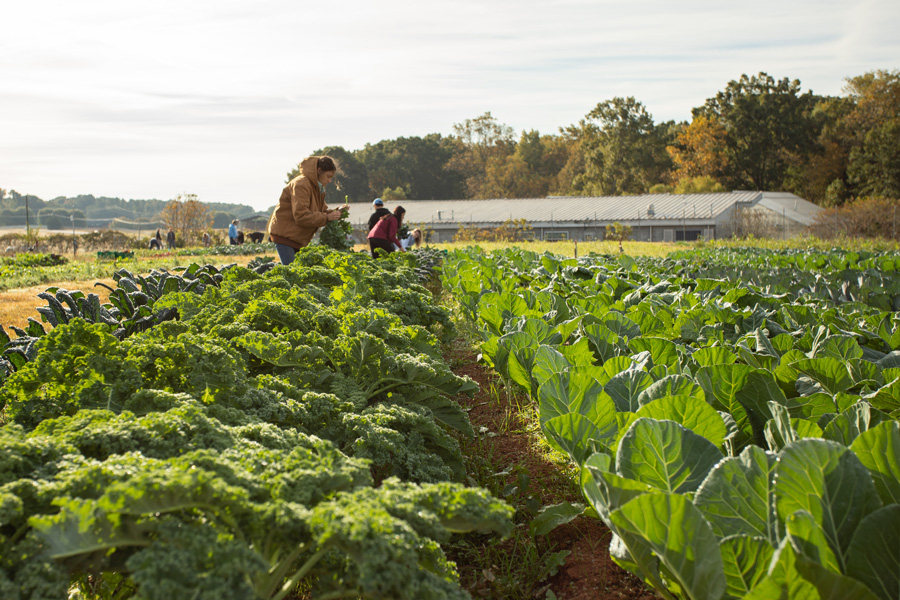
Label terms and certifications can be divided into those that are regulated and those that are unregulated. Regulated label terms and certifications are usually defined by the United States Department of Agriculture (USDA) or the Food and Drug Administration (FDA). Within the USDA, the Food Safety and Inspection Service (FSIS) is the agency responsible for the truthful labeling of meat and poultry products. The use of labels and certifications is governed by law and violations of use can have legal consequences. Unregulated terms have generally accepted definitions but do not have legal ramifications or verification of adherence. Many common label claims, such as “humanely raised” or “sustainably farmed,” refer to the process used to farm livestock but are unregulated, and there are no legal definitions for these claims. This publication summarizes some common regulated and unregulated terms in agriculture and livestock production.
|
-
C 1300-01
Foodborne Illnesses
Foodborne illnesses sicken approximately 48 million Americans a year and result in significant financial losses for the food industry. Outbreaks of foodborne illness have been linked to consumption of small fruit products, but growers and packers can take precautions to reduce food safety risks on their operations. This video discusses what foodborne illnesses are, what causes them, and basic steps that can be taken to ensure the production of safe fruit. This video was produced in collaboration with the Auburn Department of Horticulture.
|
-

Many produce farms choose to exclude domesticated animals to prevent the spread of fecal contamination to produce crops. However, when farms allow members of the general public access to U-pick fields, on-farm restaurants, or roadside markets, the Americans for Disabilities Act (ADA) protects the rights of individuals who may require the assistance of a service animal. This publication explains what steps a farm must take to ensure an individual requiring a service animal is not excluded from on-farm activities, while also protecting food safety.
|
-

This video shows producers what to do about wildlife intrusion into produce fields, a common problem for fruit and vegetable growers that presents a food safety risk when fecal contamination occurs. It discusses best practices regarding no-harvest buffer zones (used when feces is present in the field), removal of in-field contamination, and worker training in several different scenarios.
|
-

This brief video describes how, when, and where to collect a postharvest water sample intended for generic E. coli testing, as required by the Produce Safety Rule for produce wash water.
|
-

This brief video demonstrates the best practices for collecting a water sample from a pond or other irrigation source, including the sample type needed by a produce grower for their microbial water quality profile for the Produce Safety Rule. The authors describe when a sample may be needed, where to collect the sample, and proper sample handling during and after collection.
|