Food Resources
-

Vegetables require careful handling, storage, and monitoring to ensure the maximum postharvest life span. Because we are dealing with live organisms, the maximum attainable shelf life of vegetables can easily be affected depending on preharvest and postharvest factors that often manifest during storage. Following storage recommendations for each specific commodity helps to ensure the best quality and marketability of fresh produce. This circular contains basic guidance for the storage of most of Georgia-grown vegetables.
|
-
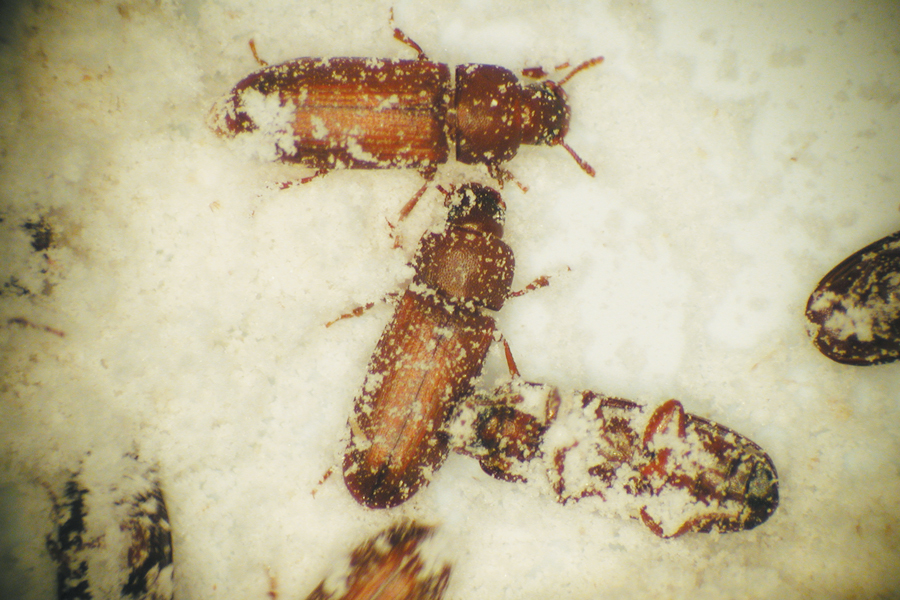
Several dozen insect species infest food and non-food products of plant and animal origin commonly found in homes. Collectively, this group of insects is referred to as stored product pests. Most are small beetles or moths. For homeowners, often the first sign of a stored product pest infestation is the sudden, unexplained and then persistent presence of numerous insects in a particular area of the home.
|
-
“‘Clean label’ foods” generally refers to food products that are simple, natural, and minimally processed. Clean labeling is a food industry movement that caters to the consumer who wants food products to be as “real” and preservative-free as possible. Although “clean labeling” is becoming more ubiquitous among food companies, there is no formal definition for the term. It originates from consumer perception of “natural” foods and is then self-defined by food companies, restaurants, and retailers.
In order to build a trustworthy relationship with consumers, more companies have removed or are planning to remove artificial ingredients from their products. However, this process is not easy, and manufacturers must ensure the efficacy, safety, quality, and cost-effectiveness of natural substitutes before using these alternatives widely.
|
-

Produce buyers are increasingly requiring their suppliers to establish environmental monitoring programs in their packinghouses to verify the sanitary conditions of handling facilities and equipment. The first step of a successful monitoring program requires accurate zone designation, whereby surfaces are identified according to their proximity to and likelihood of contaminating a food product. This first publication in the “Packinghouse Environmental Monitoring Programs” series guides food safety managers as they determine how to prioritize food-contact and non-contact surfaces as they develop their monitoring programs.
|
-

As a part of a packinghouse environmental monitoring program, adenosine triphosphate (ATP), protein, and allergen swabbing is used to ensure that packinghouse equipment and surfaces have been properly cleaned and prepared for sanitation. ATP, protein, and allergen swabbing is frequently incorporated to complement microbial swabbing practices or as an independent program. These swab types indicate the presence of soils and residues on equipment, determining the effectiveness of the cleaning portion of a sanitation program. Sample results can be read in minutes, unlike microbial swabs, which take days. For this reason, ATP, protein, and allergen swabs are used immediately after cleaning to rapidly confirm that cleaning procedures were thorough. Operations then sanitize and collect microbial swabs to verify the effectiveness of the sanitation process.
|
-
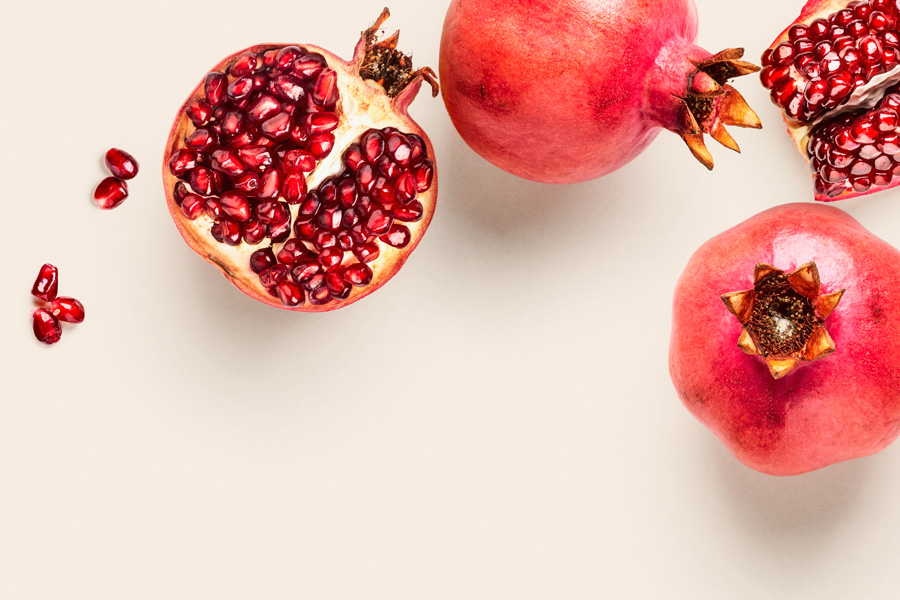
Pomegranate is an emerging crop that has been experiencing a significant expansion in Georgia. Pomegranates are excellent sources of sugars, soluble fibers, vitamins, minerals, and phytochemicals, including polyphenols with strong antioxidant activity. Because of their nutritional content, pomegranates are considered functional foods (foods that provide health benefits in addition to basic nutrition). Several value-added products may be developed from pomegranate arils and pomegranate peels, including food ingredients with strong antioxidant content, which may be appealing to health-conscious consumers interested in including more plant-based ingredients into their diets. Hence, antioxidant-rich foods such as pomegranates may be used by the U.S. food industry more often as a source of natural ingredients. Not only does consuming pomegranates provide numerous health benefits, but pomegranate derivatives also have the potential to improve the sensory properties and shelf-life of food products. This bulletin describes the main phytochemicals present in pomegranate fruits and provides an overview of the potential value-added products that may be developed from Georgia-grown pomegranates.
|
-
B 1478
Roasted Peanut Flavor
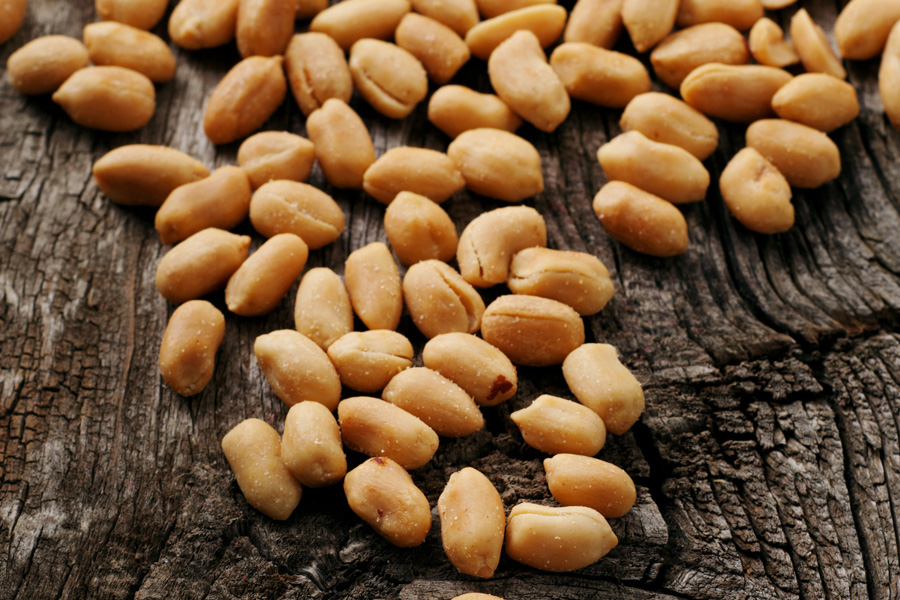
Flavor is the major determinant for consumers’ appreciation of roasted peanuts. Flavor development involves two important reactions: Maillard reaction and lipid oxidation. Maillard reaction mainly occurs during roasting to generate a pleasant “roasted” flavor. But during storage, lipid oxidation produces off-flavors and reduces roasted flavor, which is known as “flavor fade.” In order to retard lipid oxidation, high-oleic cultivars were developed. We have observed that compared to normal-oleic GA 06G, high-oleic GA 13M had higher consumer acceptability with a better capability to mitigate lipid oxidation, demonstrating that using a high-oleic trait is a potential solution to the problem of flavor fade.
|
-

C 1037-17
Healthy Eating on a Budget
Learn how to help your family eat healthy on a budget, and help your child keep track of what he/she eats in each food group using a simple chart.
|
-
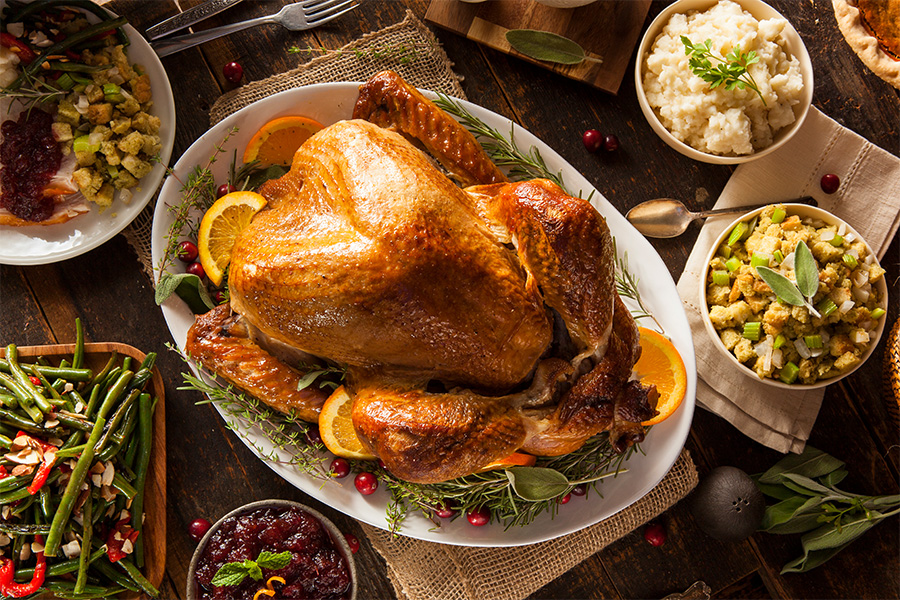
Read about safe thawing, cooking, and storing a turkey, including current estimates of the time needed for safe thawing and cooking. Because bacteria can multiply rapidly at room temperature, never defrost a turkey on the counter! The cold water and microwave methods may be used when you don’t have time to thaw your turkey in the refrigerator. Whole poultry is safe when the meat is cooked to a minimum internal temperature of 165 °F as measured with a food thermometer. All turkey meat, including any that remains pink, is safe to eat as long as all parts reach at least 165 °F.
|