
Foodborne illnesses sicken approximately 48 million Americans a year and result in significant financial losses for the food industry. Outbreaks of foodborne illness have been linked to consumption of small fruit products, but growers and packers can take precautions to reduce food safety risks on their operations.
This video discusses what foodborne illnesses are, what causes them, and basic steps that can be taken to ensure the production of safe fruit.
This video was produced in collaboration with the Auburn Department of Horticulture.
Video Transcript
Foodborne illnesses sicken approximately 44 million Americans every year. Different types of microorganisms can cause foodborne illness, including bacteria, viruses, and parasites. While most people think of undercooked meat as the major source of foodborne illness, outbreaks of foodborne illness associated with fruits and vegetables regularly occur.
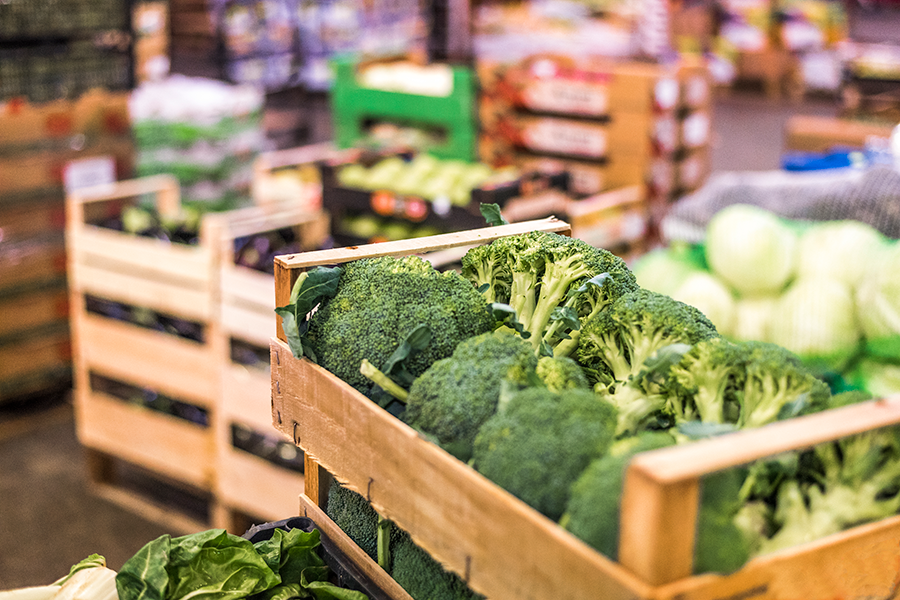
This is for many reasons, including the fact that fruits and vegetables are grown outside, where they can potentially be exposed to wild and domesticated animals, soil, agricultural water, and farm workers. Also, many fruits and vegetables are consumed raw, without a cooking step that may kill foodborne pathogens.
The foodborne-illness-causing bacteria most people are familiar with is Escherichia coli, commonly called E. coli, and Salmonella enterica. These bacteria are commonly found in the gastrointestinal tracts of warm-blooded animals, and are therefore often spread when feces contacts fresh produce, either directly or indirectly.
Sometimes produce becomes contaminated when water or soil used for growing produce becomes contaminated with feces. Listeria monocytogenes is another bacterium that causes serious foodborne disease and can survive for long periods of time on packing or processing equipment that is not frequently cleaned and sanitized. Pregnant women and the unborn are particularly susceptible to severe illness caused by Listeria monocytogenes, which can result in miscarriage and death.
Viruses are another source of foodborne disease and are often spread to fresh produce by sick workers, especially when proper hand-washing procedures are not followed. Norovirus causes acute diarrhea and vomiting and can easily spread among people in close proximity to each other.
In fact, when you hear of cruise ships returning to port days earlier than expected because of a sudden widespread illness among the passengers, norovirus is often the cause.
Hepatitis A is another virus that causes foodborne disease. This virus attacks the liver, causing severe abdominal pain and jaundice, among other symptoms. Hepatitis A has a long incubation period of about three weeks after consumption of a contaminated food, making outbreaks very difficult to trace because most people have difficulty remembering every food they ate in the preceding month.
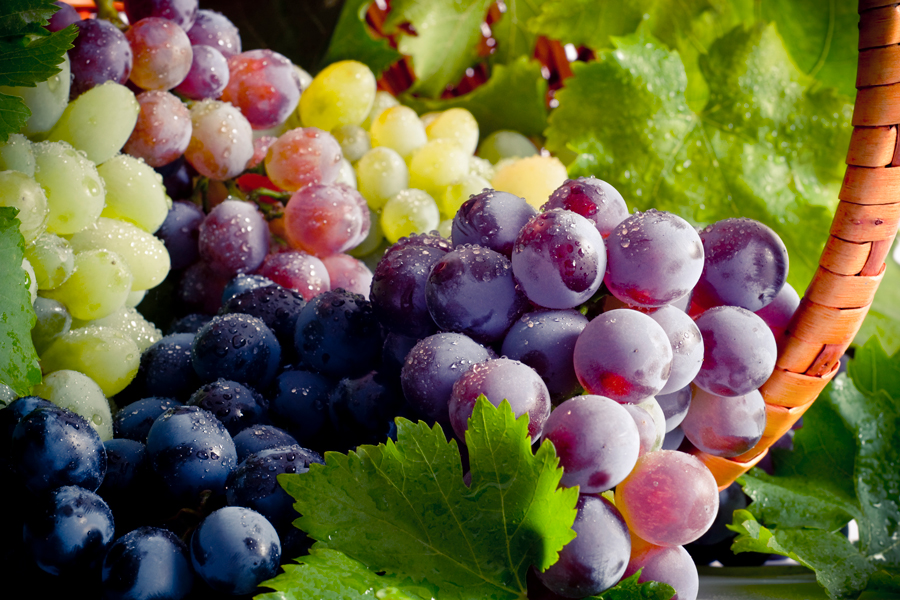
Protozoan parasites are often spread through contaminated water. Unlike bacteria and viruses that can be inactivated by chemical sanitizers, like chlorine or by devices like ultraviolet lights, parasites are often more resistant to these disinfection methods. Cyclospora outbreaks have been associated with consumption of contaminated small fruits and leafy greens.
Using irrigation and other water of good microbial quality is important to prevent the spread of parasites to fresh produce.