Food Safety Resources
-
 Renewed
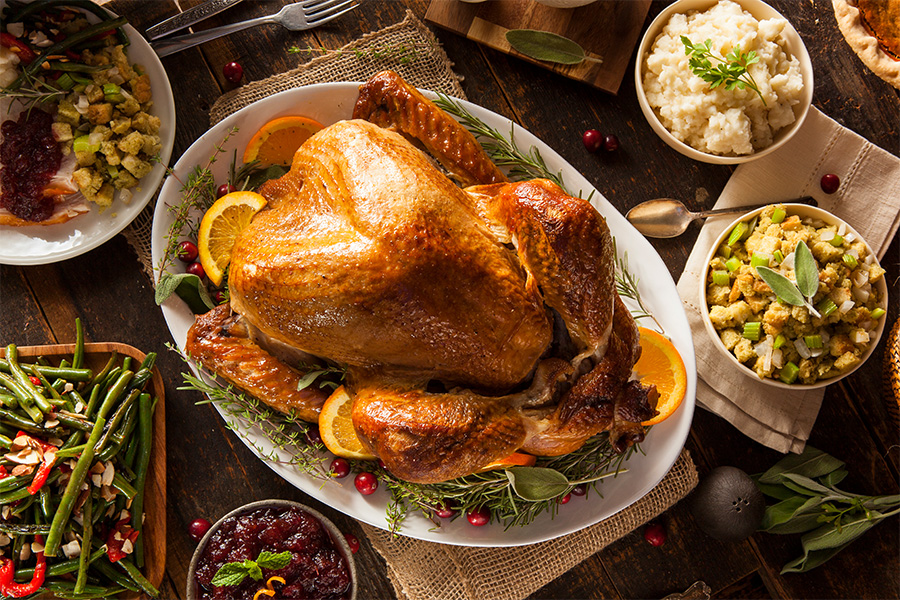
Read about safe thawing, cooking, and storing a turkey, including current estimates of the time needed for safe thawing and cooking. Because bacteria can multiply rapidly at room temperature, never defrost a turkey on the counter! The cold water and microwave methods may be used when you don’t have time to thaw your turkey in the refrigerator. Whole poultry is safe when the meat is cooked to a minimum internal temperature of 165 °F as measured with a food thermometer. All turkey meat, including any that remains pink, is safe to eat as long as all parts reach at least 165 °F.
|
-

The southeastern peach industry is known for the high quality of its fresh peaches. As a new peach season approaches, it is time to ready the packinghouse for output of the best peach product.
|
-

This resource provides some basic information required to make various types of sausage. It is for those who enjoy good homemade sausage and who wish to obtain the greatest satisfaction from the trimmings and variety meats generated from farm slaughtered livestock or the results of a good hunt. The recipes listed in this publication collected from various sources and have been prepared and tested. They are suitable for beginners and experts alike. Also included is information on the history of sausage making, sausage types and ingredients, sausage making equipment and procedures, and food safety concerns and procedures.
|
-

As a part of a packinghouse environmental monitoring program, adenosine triphosphate (ATP), protein, and allergen swabbing is used to ensure that packinghouse equipment and surfaces have been properly cleaned and prepared for sanitation. ATP, protein, and allergen swabbing is frequently incorporated to complement microbial swabbing practices or as an independent program. These swab types indicate the presence of soils and residues on equipment, determining the effectiveness of the cleaning portion of a sanitation program. Sample results can be read in minutes, unlike microbial swabs, which take days. For this reason, ATP, protein, and allergen swabs are used immediately after cleaning to rapidly confirm that cleaning procedures were thorough. Operations then sanitize and collect microbial swabs to verify the effectiveness of the sanitation process.
|
-

The quality of an egg involves both the exterior and interior qualities of the egg. Egg quality includes the cleanliness of the shell, soundness of the shell, thickness of the albumen, and color of the yolk. Good egg quality is critical to maintaining the hatching potential of eggs, as improper handling or storage of eggs will reduce the ability of the eggs to hatch and produce good quality chicks. For table eggs, improper handling and storage of eggs will reduce the grade of the eggs and could pose a potential health hazard.
|
-
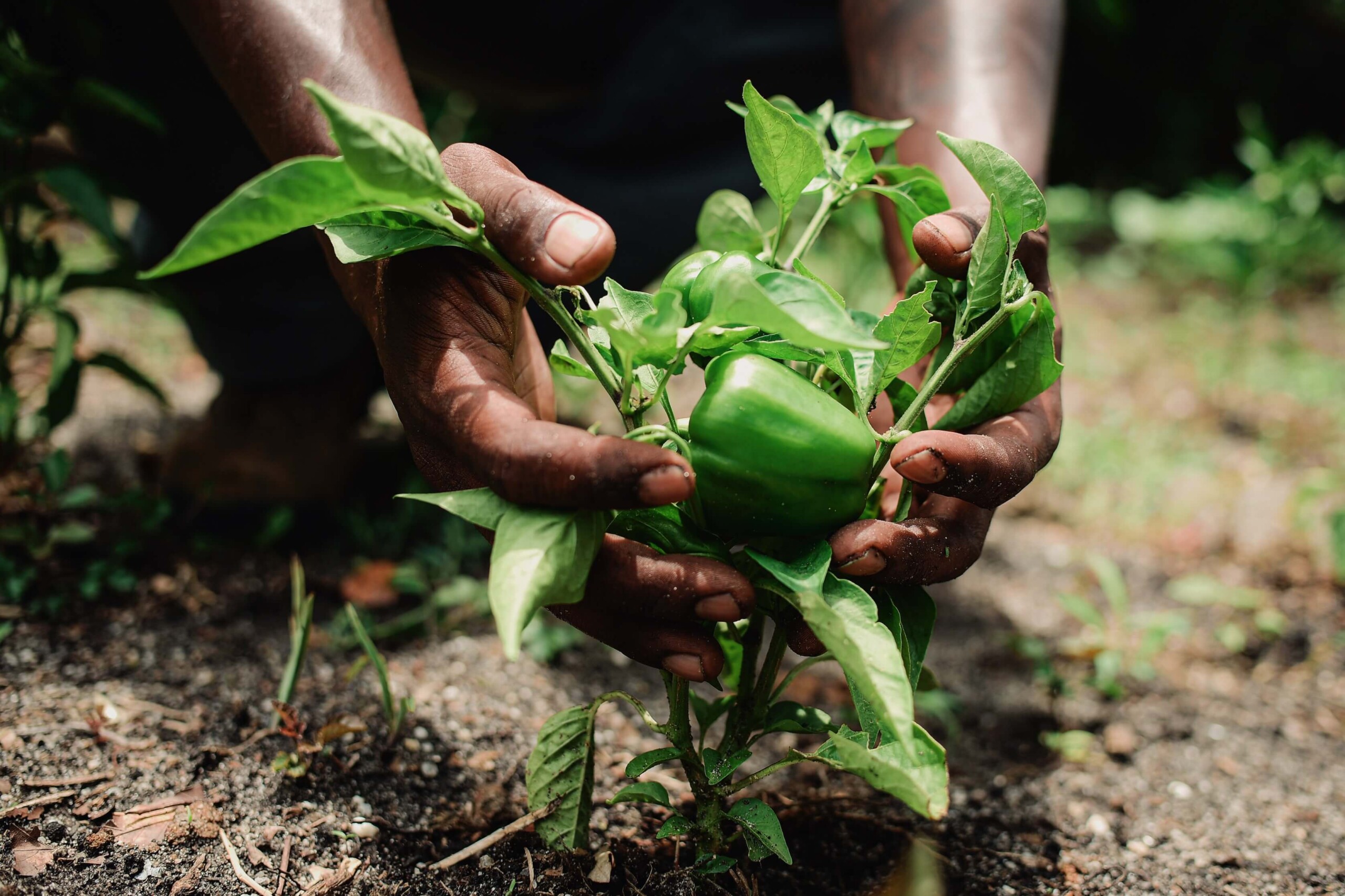
Under the Food Safety Modernization Act’s Produce Safety Rule, produce operations are mandated to provide training to their workers on the safe handling of produce in fields and in packing operations. Currently, there are few, if any, materials available for these operations to use. As we have conducted Produce Safety Alliance Grower Training across Georgia and throughout other areas, we have been requested to develop these much-needed materials. These materials provide food safety information, consistent with the Produce Safety Rule, for training workers on produce farms and/or farmer/growers of fresh produce and can also be used with low literacy audiences and Spanish speaking audiences as well.
|
-
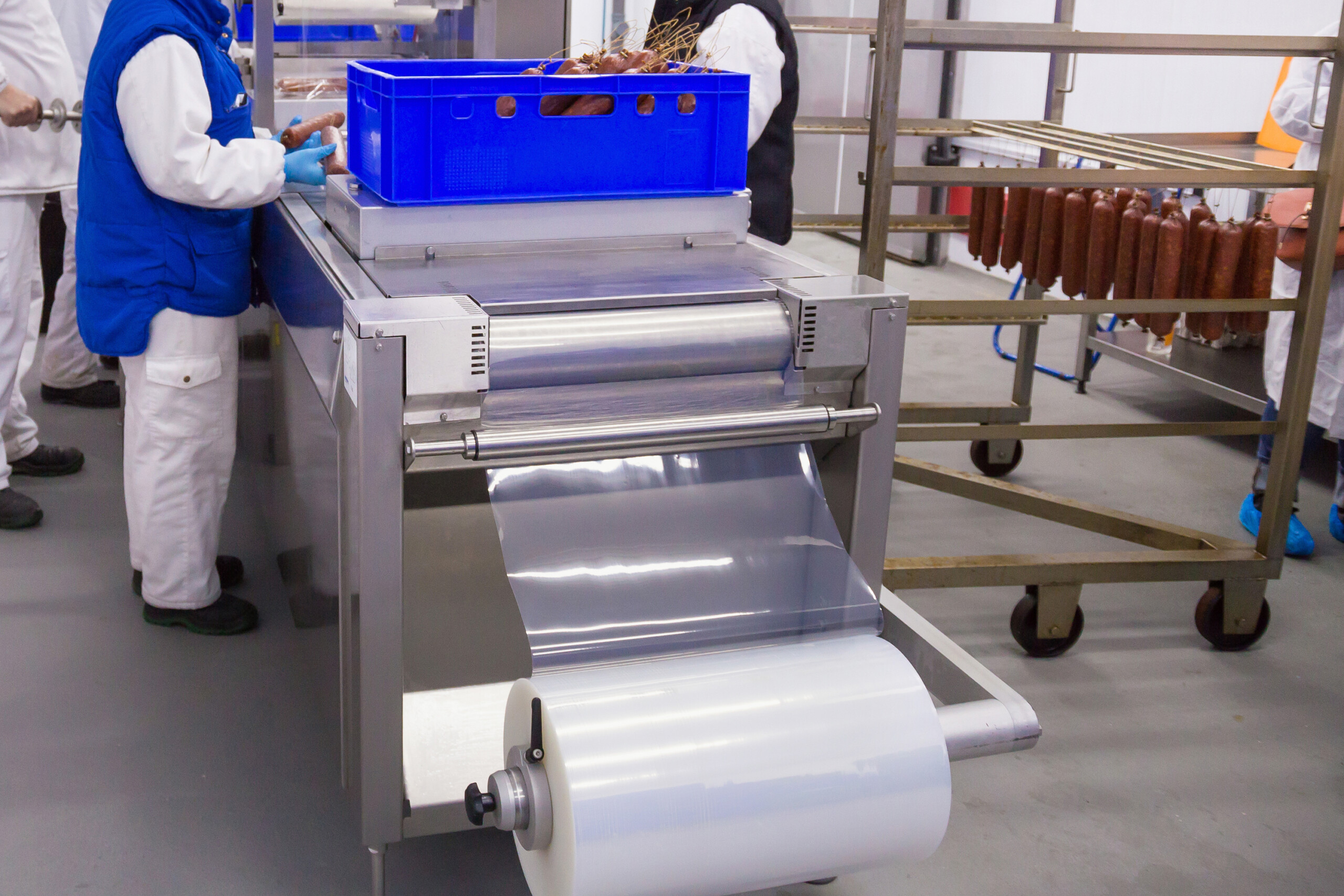
Produce buyers are increasingly requiring their suppliers to establish environmental monitoring programs in their packinghouses to verify the sanitary conditions of handling facilities and equipment. The first step of a successful monitoring program requires accurate zone designation, whereby surfaces are identified according to their proximity to and likelihood of contaminating a food product. This first publication in the “Packinghouse Environmental Monitoring Programs” series guides food safety managers as they determine how to prioritize food-contact and non-contact surfaces as they develop their monitoring programs.
|
-

This resource debunks common food safety myths related to grilling, food preparation, and food preservation. Readers will learn research-based steps to reduce foodborne illness risk. Topics include washing poultry, thawing meat, using food thermometers, safe outdoor food service, cross-contamination, dangerous social media trends, and misconceptions about freeze-drying and dehydration.
|
-

This resource covers recommendations for pregnant women and food safety, which is particularly important during pregnancy when the mother-to-be and her baby have a weakened immune system. In addition to the basics (clean, separate, cook, chill), pregnant women should be mindful of specific risks in different categories of foods.
|