Forestry Resources
-

Commercial insect and weed control in forestry and Christmas trees. Updated annually.
|
-
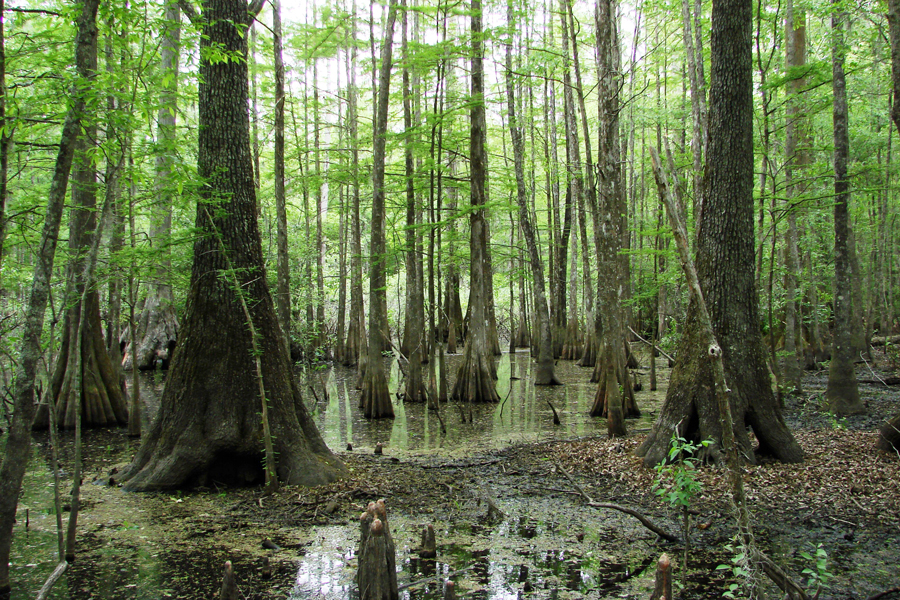
Many people view wetlands as “wastelands,” having few virtues. But it is now known that wetlands provide many useful services, from improving water quality to providing habitat for important fish and wildlife. These kinds of benefits would be costly to create, so maintaining natural wetlands is good for both the economy and the environment. Many smaller wetlands occur in Georgia farmlands, and many of the values provided by wetlands benefit Georgia farmers. This resource highlights the key virtues of wetlands to agriculture, describing how wetlands associated with Georgia farms can contribute to agricultural value.
|
-
AP 130-4-13
Timber Situation and 2026 Outlook
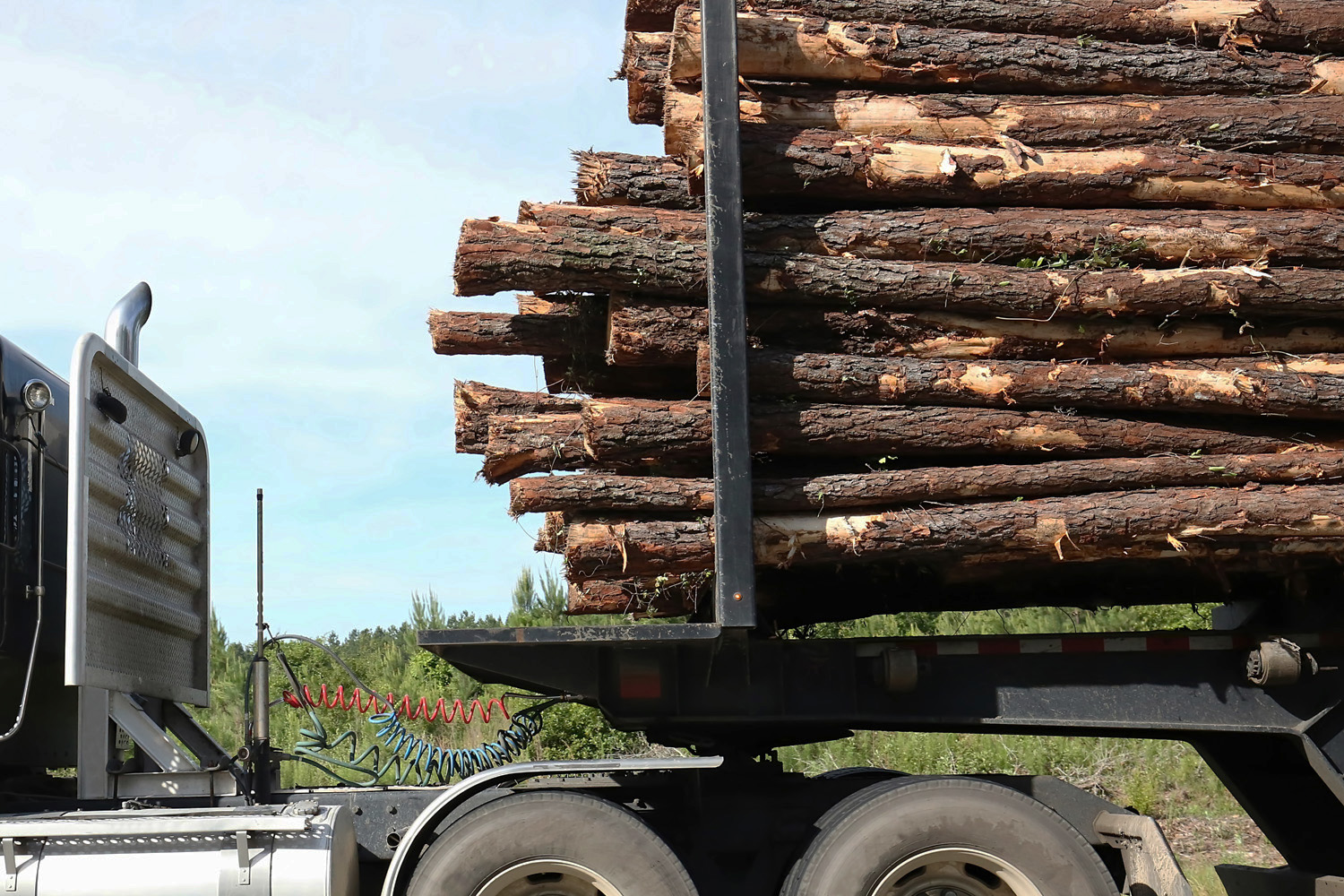
The 2025 market situation: in South Georgia, recent pine sawtimber and pine chip-n-saw prices increased compared to a year ago, while pulpwood prices declined for both pine and hardwood. In North Georgia, stumpage prices for timber products declined compared to a year earlier. The 2026 outlook will be affected by: Demand-side factors expected to shape Georgia’s timber markets in 2026 include a weakened housing market, reduced lumber mill utilization rates, mill closures and conversions, tariffs on import, labor shortages, and overall economic growth; on the supply side, factors include tighter sawtimber inventory in areas impacted by Hurricane Helene, increased timber availability and greater supplies from mill closures in adjacent areas, and ongoing logging capacity constraints. Overall, sawtimber prices in 2026 are expected to remain stable across most of the Georgia, although some areas of South Georgia may experience modest sawtimber price increases.
|
-

This publication describes forest farming (also known as forest gardening), which can be defined as cultivation of plants under a forest canopy. It includes suggestions for appropriate plants for cultivation in the Southeast.
|
-
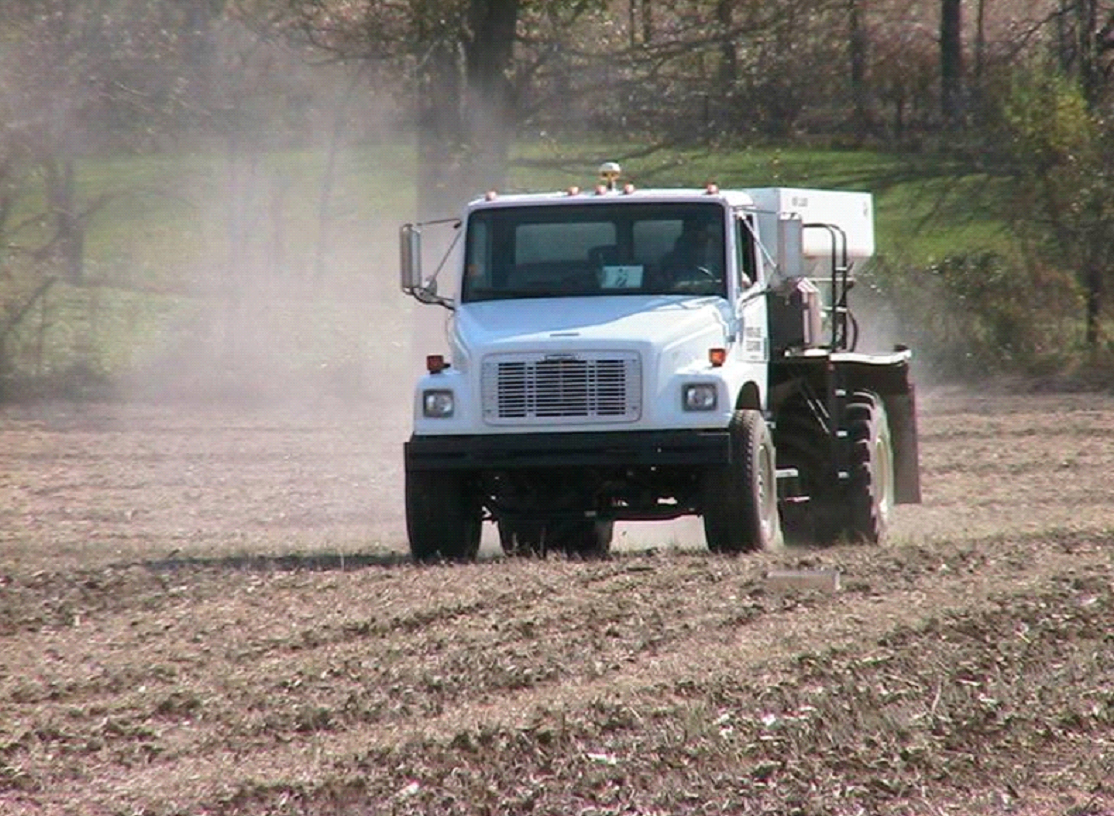
Lime mud is a by-product produced in pulp mills as part of the process that turns wood chips into pulp for paper. The pulp mill cooks wood chips with sodium hydroxide to extract the wood fiber used to make paper from the lignin that binds the wood together. During this process, sodium hydroxide is converted to sodium carbonate. The pulp mill than adds calcium oxide, also known as quicklime, to convert the sodium carbonate back to sodium hydroxide in order to use it again. In the process, calcium carbonate is formed.
|
-
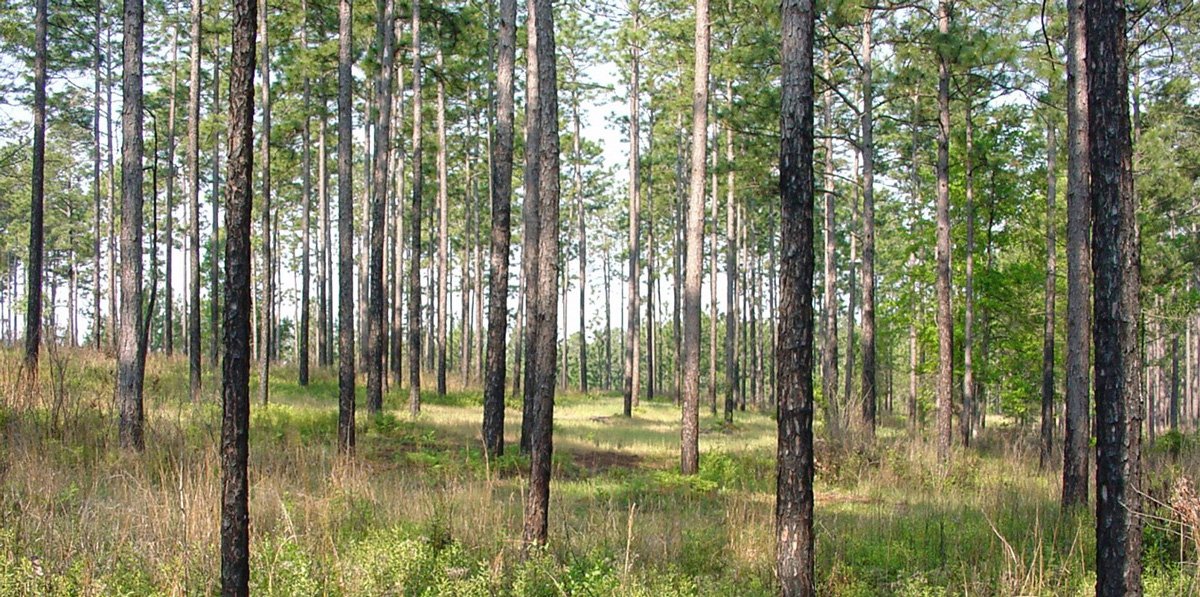
This resource explains the benefits that healthy forests provide, like clean air and water, wildlife and plant habitat, and diverse forest products that help the economy and ecosystem, and how to maintain your forested areas. Forest health can be defined as the ability of a forest to maintain and perpetuate a constant high quality supply of environmental benefits, products, and a diverse plant and animal community.
|
-
AP 130-3-13
Timber Situation and 2025 Outlook
1. Demand for softwood lumber and structural panels is expected to remain under pressure as single-family housing starts face challenges, including elevated mortgage rates, high house prices, and rising construction costs.
2. In southern Georgia counties impacted by Hurricane Helene, pulpwood prices are expected to stay low through most of 2025 as mills continue to process salvaged timber.
3. Affected areas may experience rising pine sawtimber prices in 2025 because of an inventory shortage.|
-

AP 133-1
Hurricane Helene Impact Report
We estimate that Hurricane Helene’s damages to Georgia agriculture and forestry will cost the state economy at least $5.5 billion in 2024 present value. This figure represents the sum of direct crop losses, losses to firms that support agriculture and forestry, losses to workers in those and related industries, and the recovery and restoration costs that firms in these industries will face. The Georgia Forestry Commission is a collaborator with UGA on this publication.
|
-
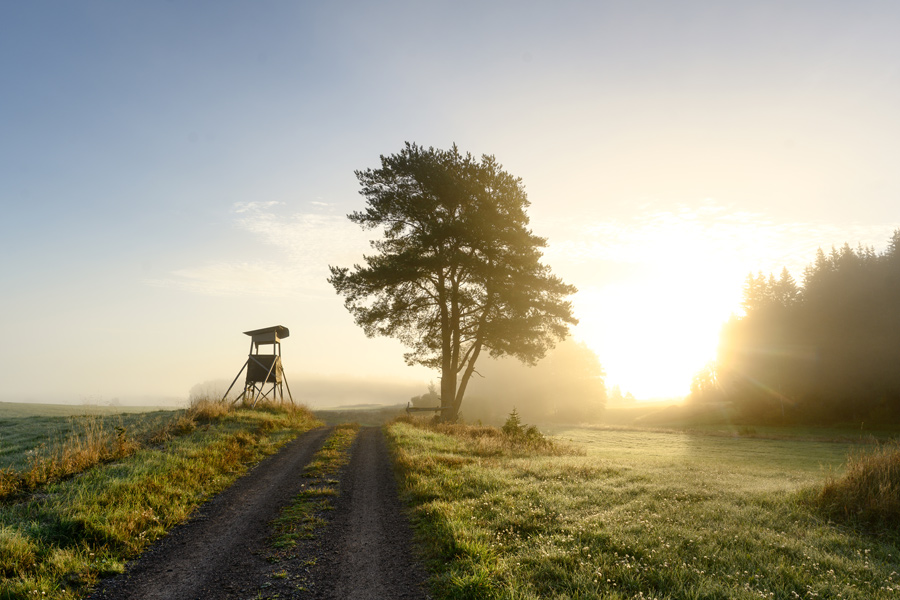
Leasing hunting land is one of several types of hunting enterprises that can be profitable for landowners, or can at least cover some of the costs of land ownership. This publication give you tips on creating an equitable lease agreement.
|