Fruit and Vegetable Production Resources
-
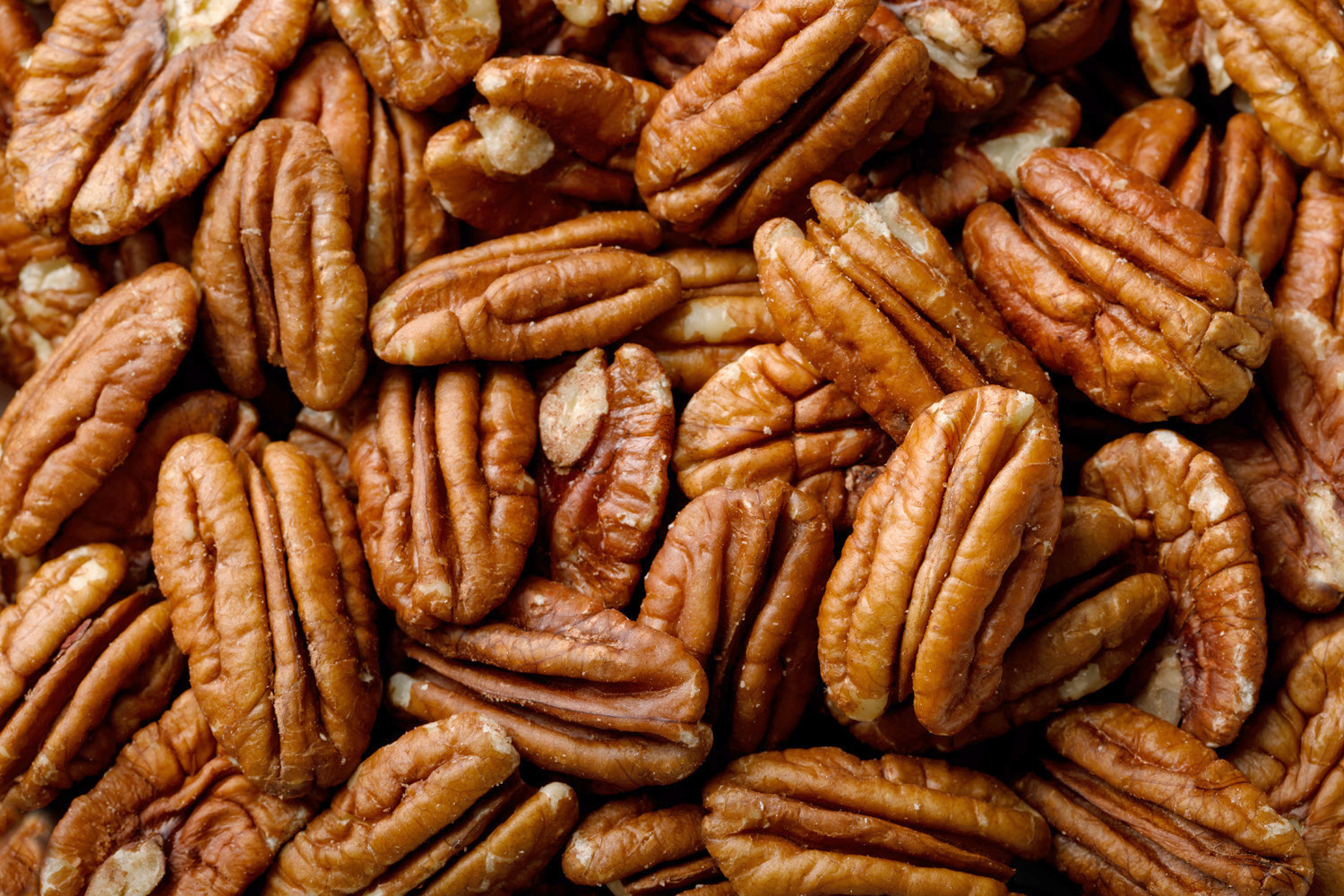
AP 130-4-10
2026 Fruits and Tree Nuts Outlook
The key points for 2026 are: Blueberries will continue to lead the Georgia fruits and tree nuts industry in 2026 and subsequent years; it will be challenging for the Georgia pecan industry to regain its leadership position in the fruits and nuts category, but the industry will remain strong in 2026; consumer and grower price indexes will remain strong in 2026.
|
-
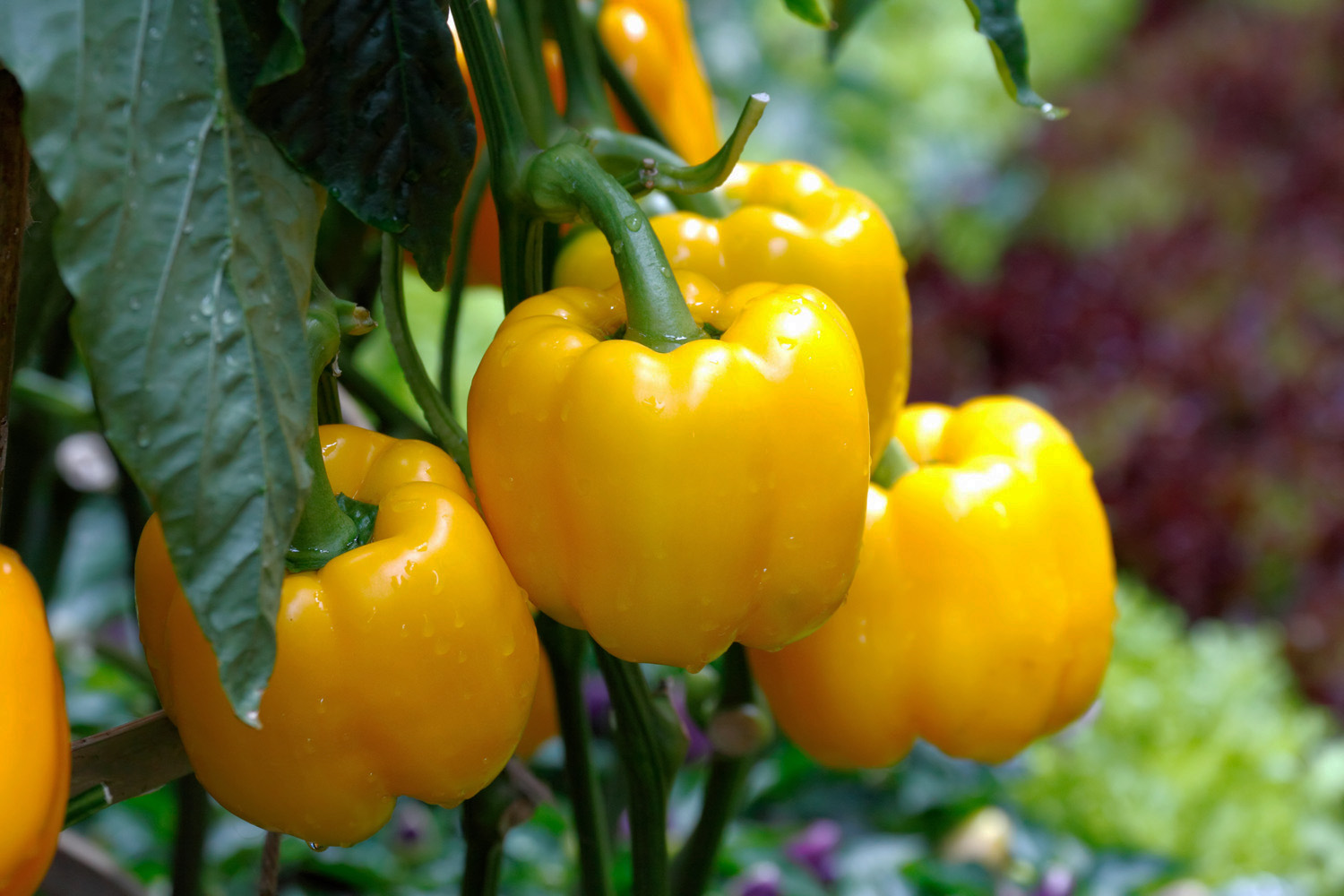
AP 130-4-11
2026 Vegetables and Pulses Outlook
The key points for 2026 are: Total vegetable harvested area will continue to decrease in 2026, but the value will continue to grow because of the increase in yields caused by good agricultural practices, research, and extension support to growers; vegetable prices will continue to be noisy, but the consumer price index will remain strong in 2026; and although per capita consumption of vegetables took a hit, probably the lowest in the past decade, consumption is expected to bounce back in 2026.
|
-

The southeastern blueberry bee is an economically valuable pollinator in commercial blueberry production in Georgia. Researchers see a need for conservation of this species, and this resource provides detailed information on its identification, biology, nesting habitat, and floral hosts. It also incorporates research data from recent study in commercial blueberry system in south Georgia.
|
-

Vegetables comprise an economically important segment of Georgia’s agricultural production, so there is a need for vegetable breeders to have comprehensive, crop-specific data on grower priorities, varietal performance, and production constraints.
UGA’s vegetable breeding program performed a needs assessment survey to assess growers’ preferences, the results of which are presented in this resource. This data will be used to inform the development of regionally adapted high-performing vegetable varieties.
|
-
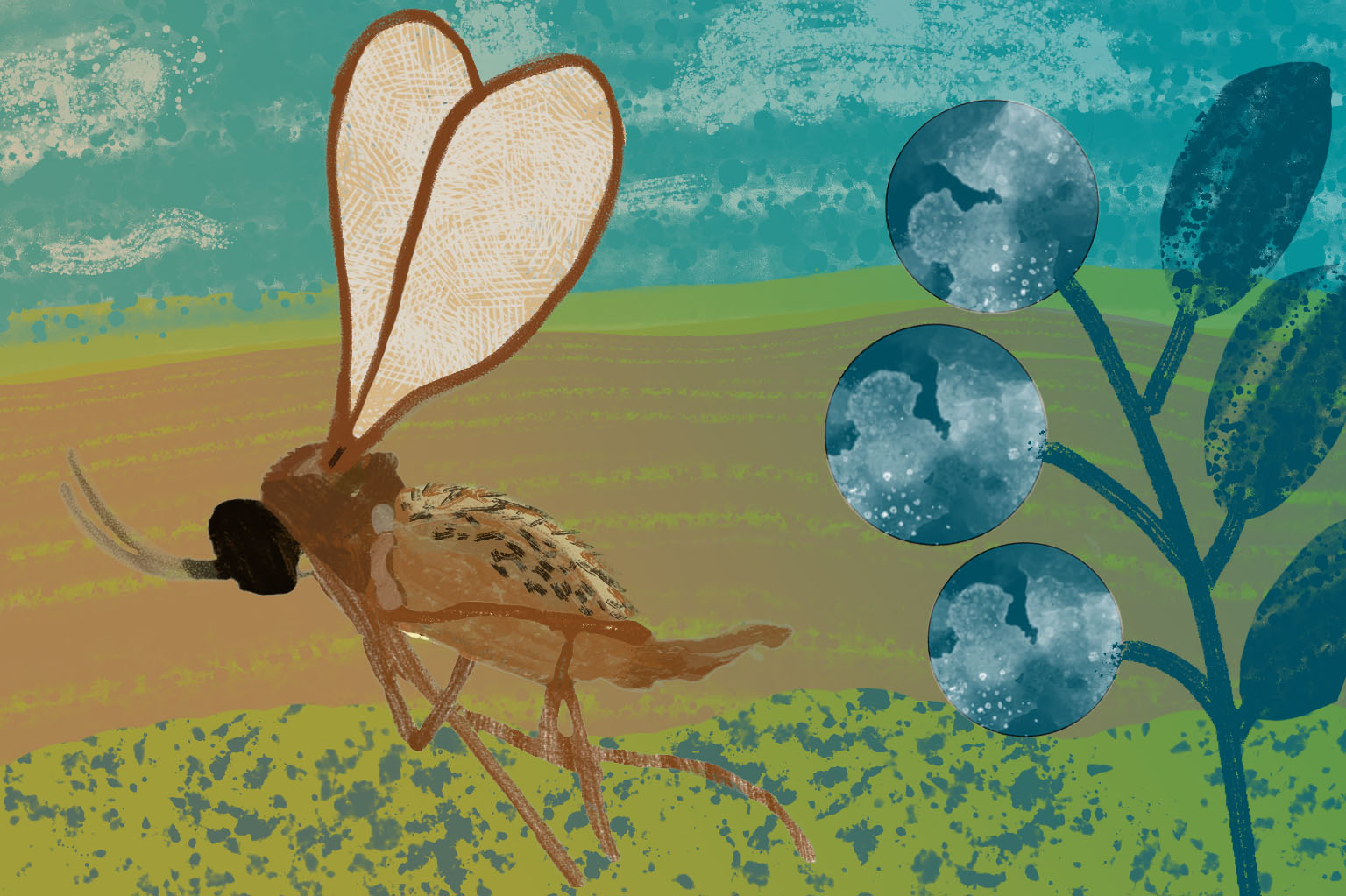
Blueberry gall midge, a small fly native to North America, has emerged as one of the serious pests of blueberries in Georgia. Severe gall midge infestations can cause up to 80% crop loss without proper intervention. Bud sampling to monitor for larvae is the only way to confirm its presence. Insecticide sprays need to be timed to target adult midges before they have a chance to lay eggs.
|
-
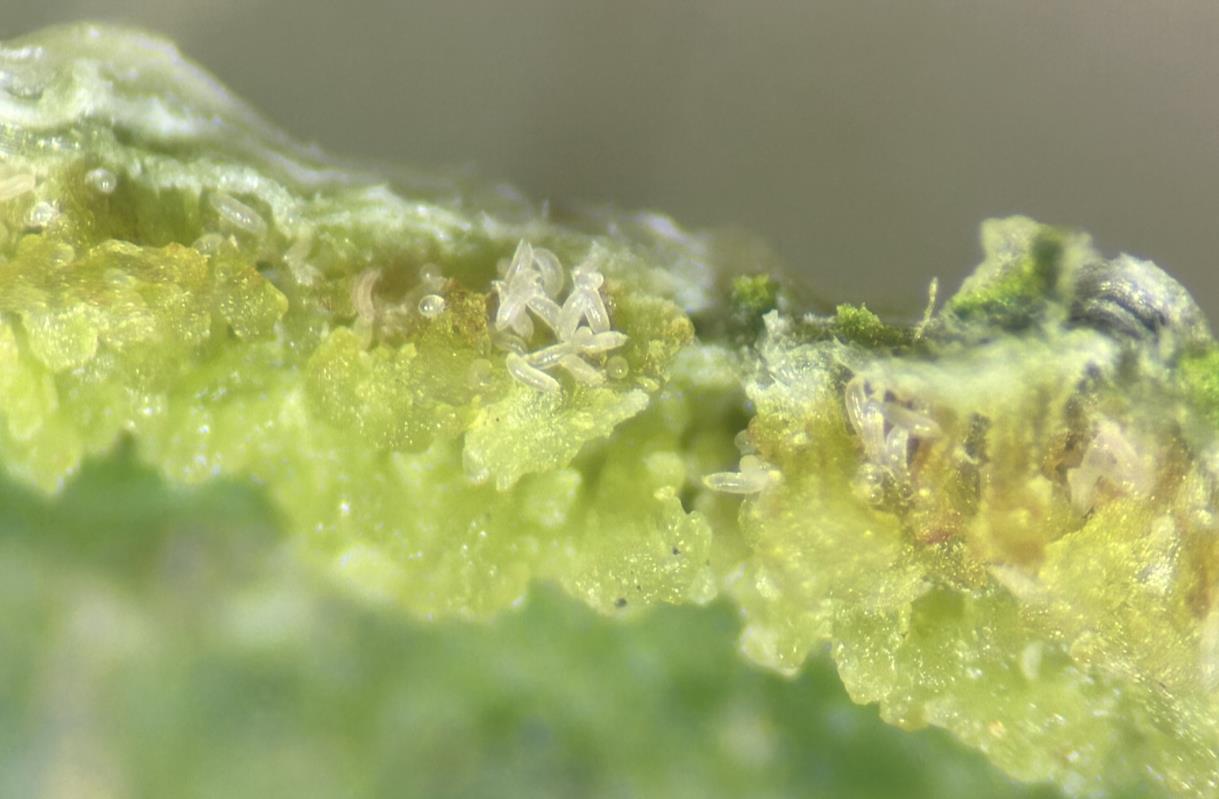
The pecan leafroll mite is a noninsect pest of pecan trees. Eriophyid mites are a significant group of plant-feeding mites that infest annual and perennial plants. They often go unnoticed because of their very small size and the fact that they usually reside within plant tissues. In Georgia pecans, damage from the pecan leafroll mite damage is typically observed from May and persist until nut harvest, and regular monitoring of mite populations is needed to prevent severe infestations and to ensure effective management.
|
-
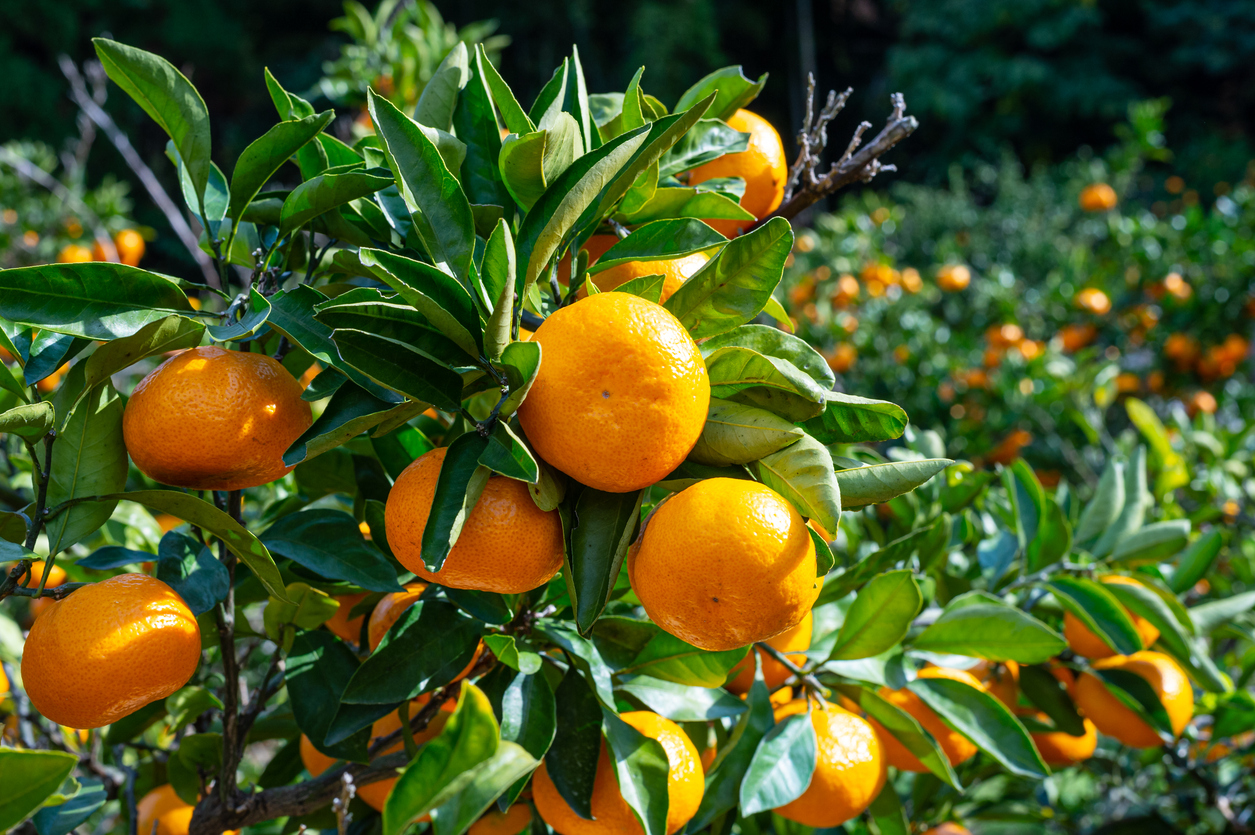
This resource provides citrus growers in Georgia with an overview of how different types of freeze events damage citrus trees, and both passive and active protection methods to protect citrus trees during freezes. Recovery from freeze events also is covered.
|
-
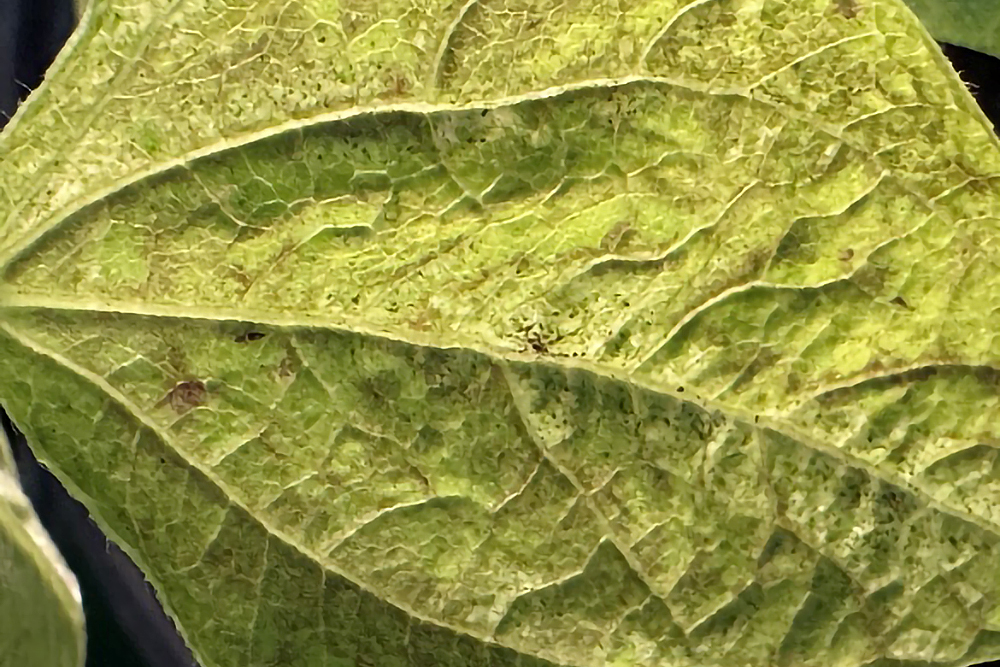
Thrips parvispinus is an invasive insect pest that poses a serious global threat to vegetables and ornamentals in both fields and greenhouses. This guide will help you identify and manage this pest.
|
-

Plant disease losses in 2023, including control costs, amounted to an estimated $715.43 million. The value of the crops used in this estimate was approximately $6863.22 million, resulting in a 10.42% relative disease loss across all crops included in this summary. Some estimates for fruits, ornamentals, and turf rely on Extension specialists’ knowledge of the industry and industry sources for information. Because of the retirement of the Extension specialist for ornamental and commercial landscapes, disease losses for this category were not included in the report.
|