Fruit and Vegetable Production Resources
-
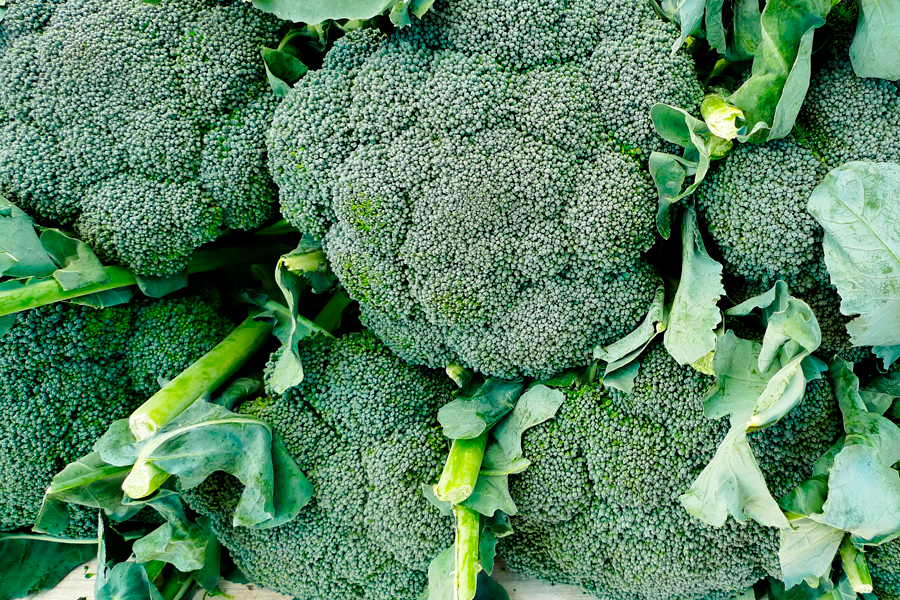
Broccoli is grown throughout Georgia in both the fall and spring growing seasons. A locally significant wholesale industry developed in southwest Georgia, and acreage devoted to broccoli production has increased. The wholesale broccoli industry fills a market window in late fall, through winter, and into early spring. Plantings also occur in north Georgia, where lower winter temperatures limit late fall plantings but allow plantings later into the spring growing season. This publication addresses considerations of horticulture, entomology, and plant pathology for production of fresh market broccoli in Georgia.
|
-
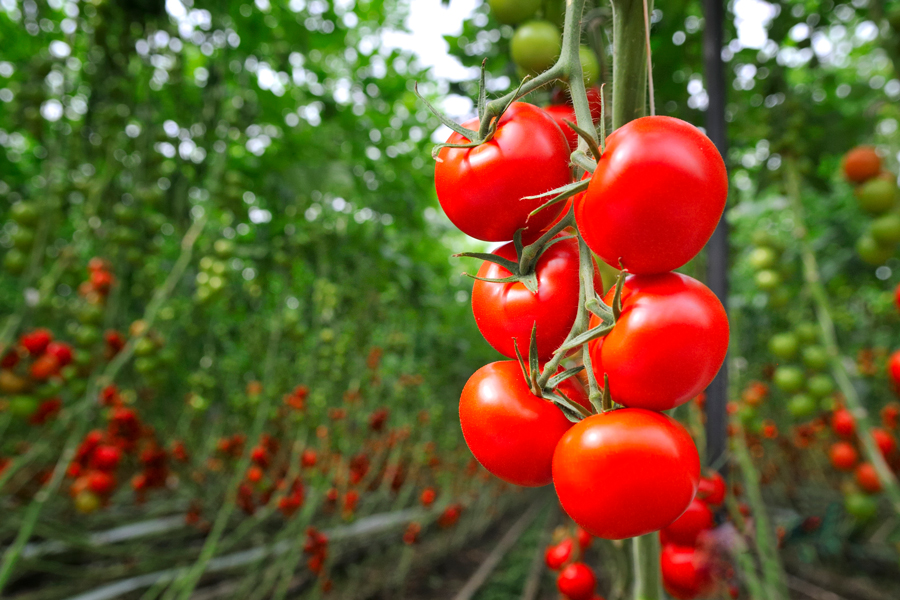
This report provides research and extension results for trials conducted by the University of Georgia Vegetable Team and its collaborators in 2024. Contributing authors include county and regional faculty as well as specialists from UGA’s horticulture, plant pathology, crop and soil sciences, and entomology departments. All research has been supported by the Georgia Commodity Commission for Vegetables.
|
-
AP 132-01
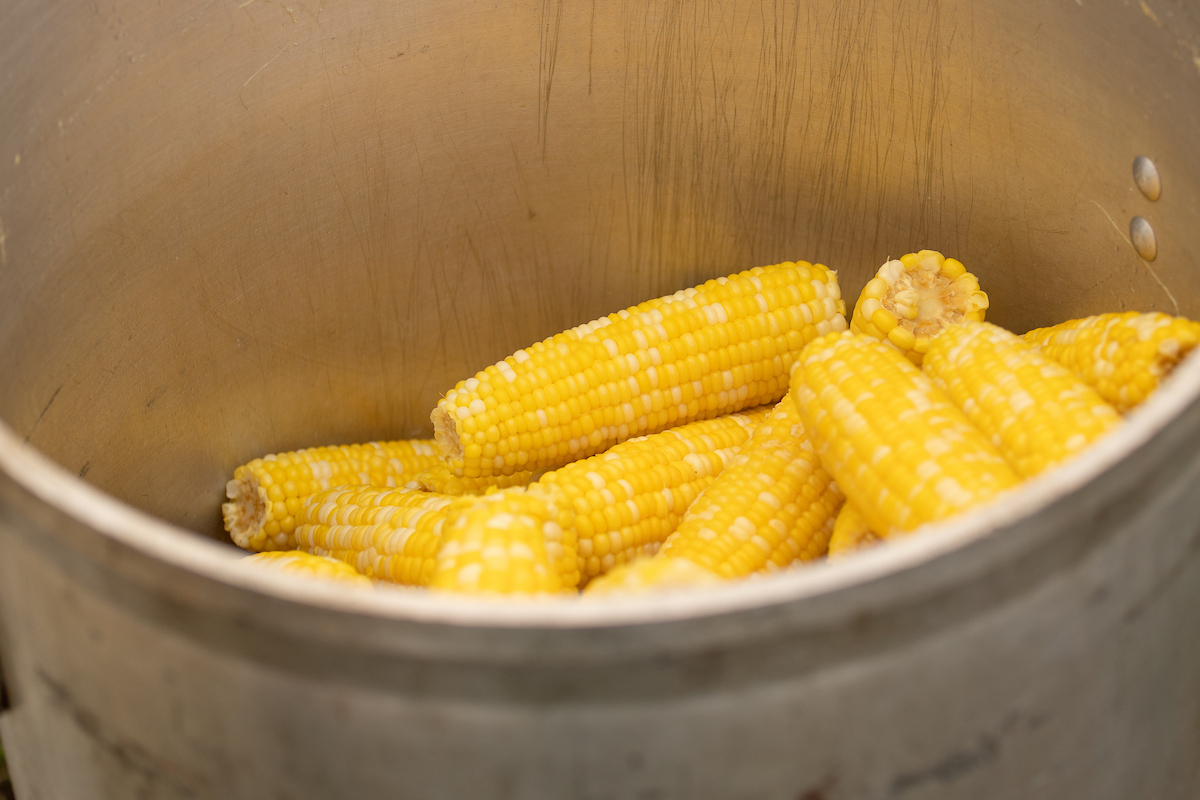
2024 Georgia Corn Production Guide
This is the Extension Corn Team’s full production guide for recommended practices to plant and maintain a corn crop in Georgia. Topics include agronomic practices, growth and development, fertilization, irrigation, weed, insect and disease management, harvesting and drying, protecting stored corn, soil health, and economics/budgets.
|
-
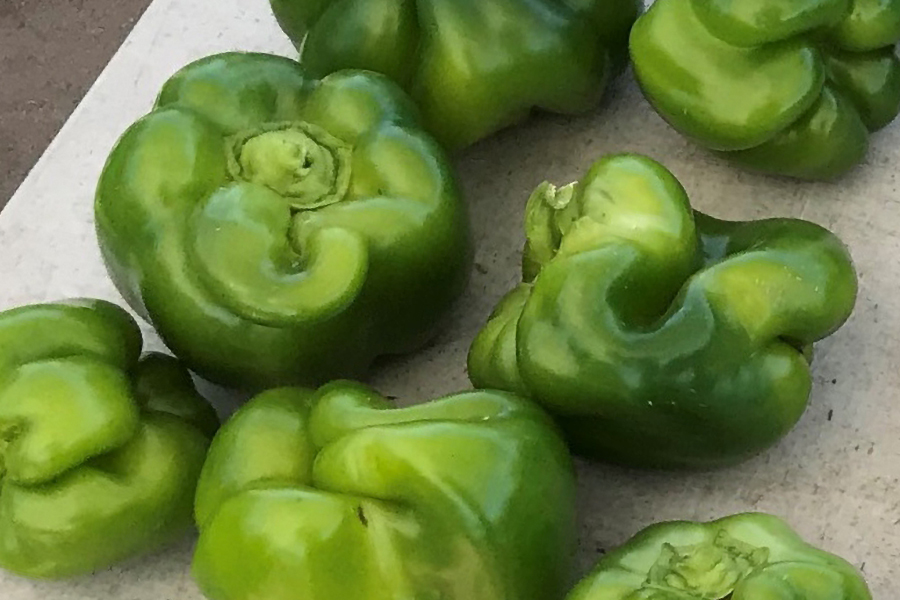
Various physiological disorders can affect the appearance and desirability of fresh market bell peppers; these often arise from environmental stresses and nutritional imbalances. Understanding these physiological issues is essential for growers to manage and mitigate them effectively. These disorders are common and are related to plant growth and development, not diseases. This circular shows these horticultural characteristics or traits that are expressed by certain genotypes.
|
-
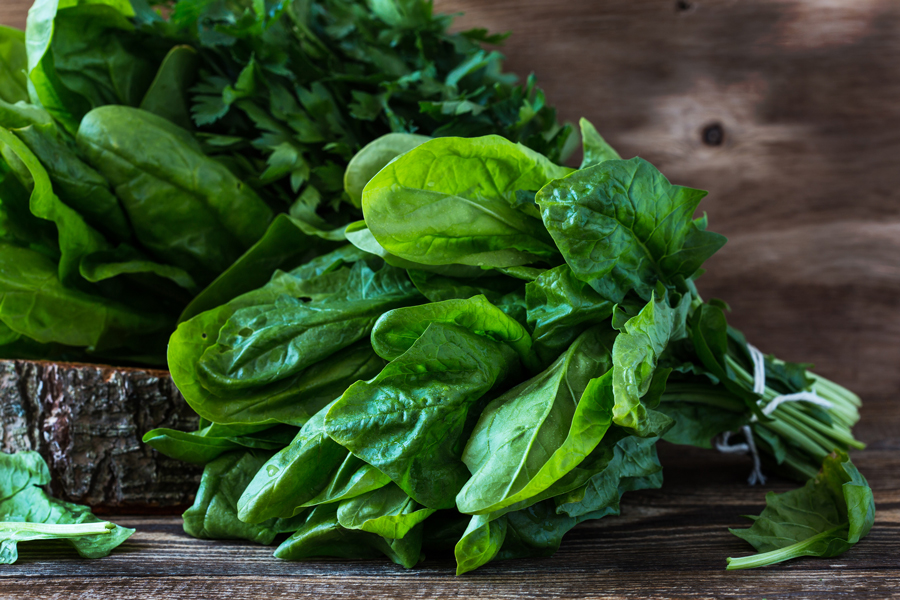
Spinach (Spinacia oleracea) is an important nutrient-dense leafy green, and its annual per capita consumption has significantly increased over the past decades. Spinach production in Georgia has experienced significant growth in the last few years, with over $400M in annual value, ranked first among all the other leafy green crops. Field spinach production is labor intensive, and the cost of weed management, harvest, and post-harvest accounts for 56% of the production cost. With the advantages of controlled environment agriculture in reducing labor costs and increasing production value with an extended growing cycle, hydroponic spinach has been gradually accepted and planted on a large scale.
Spinach is a cool season crop typically seeded during early spring or early fall. Summer season is often skipped because of pressure from insects, diseases, and weeds. Additionally, the optimal temperature for spinach seed germination is 65-70°F (18-21°C), and for spinach growth is 60-77°F (15-25°C). However, there is the possibility to grow spinach during summer in the greenhouse using a deep water culture hydroponics system that can minimize these pressures by focusing on heat-tolerant cultivar selection, germination improvement, and optimal hydroponic system implementation.
|
-
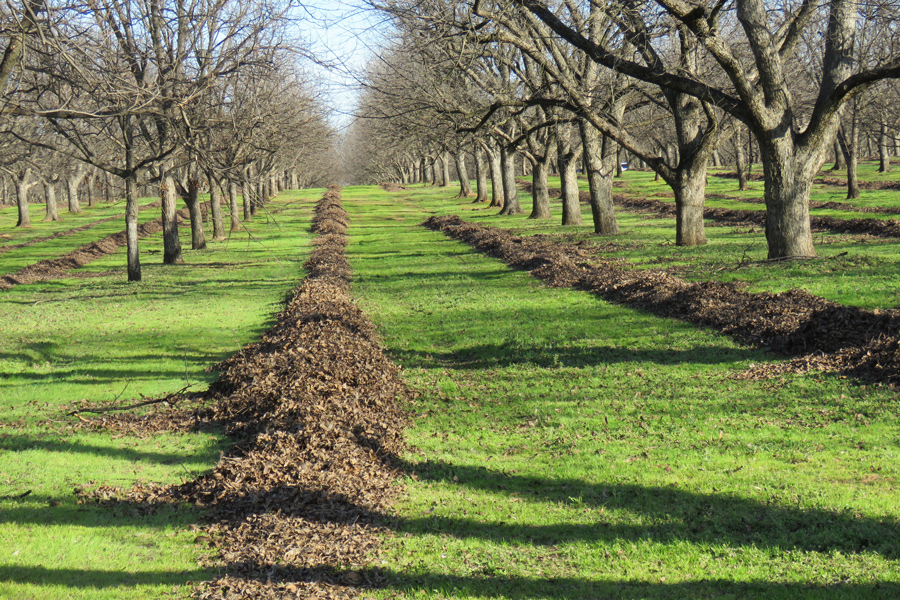
In order for a commercial pecan operation to be consistently successful, the goal of the operation should be annual production of a moderate crop of high quality nuts, rather than the production of a high yield in a single given year. Culturally, there are several basic factors that will help to promote optimum profitability with a commercial pecan orchard.
|
-
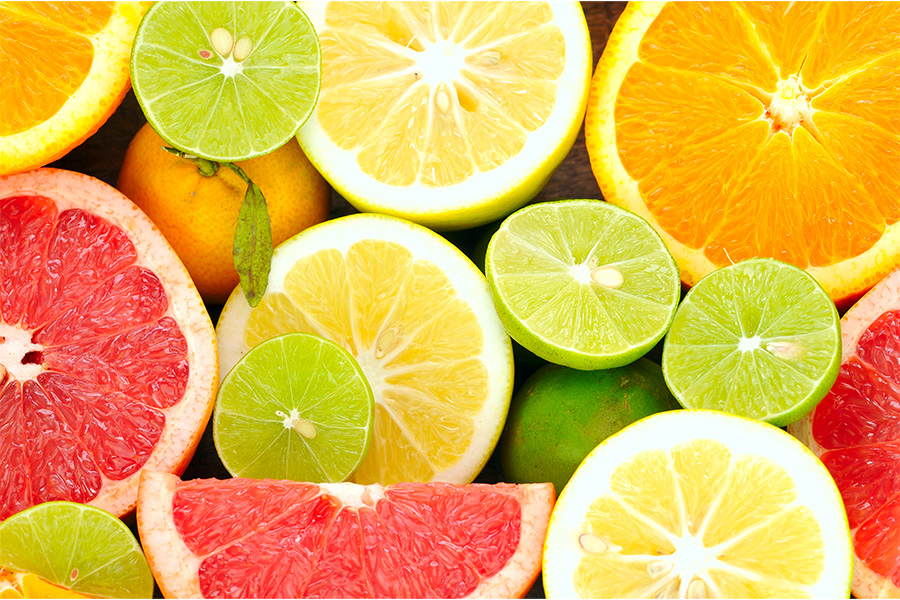
Citrus plants are very versatile around the home and may be used as individual specimens, hedges or container plants. Their natural beauty and ripe fruits make them attractive additions to the South Georgia home scene. Cold-hardy varieties that receive recommended care may grow successfully in the coastal and extreme southern areas of the state (and to a lesser degree in more northern locations).
|
-
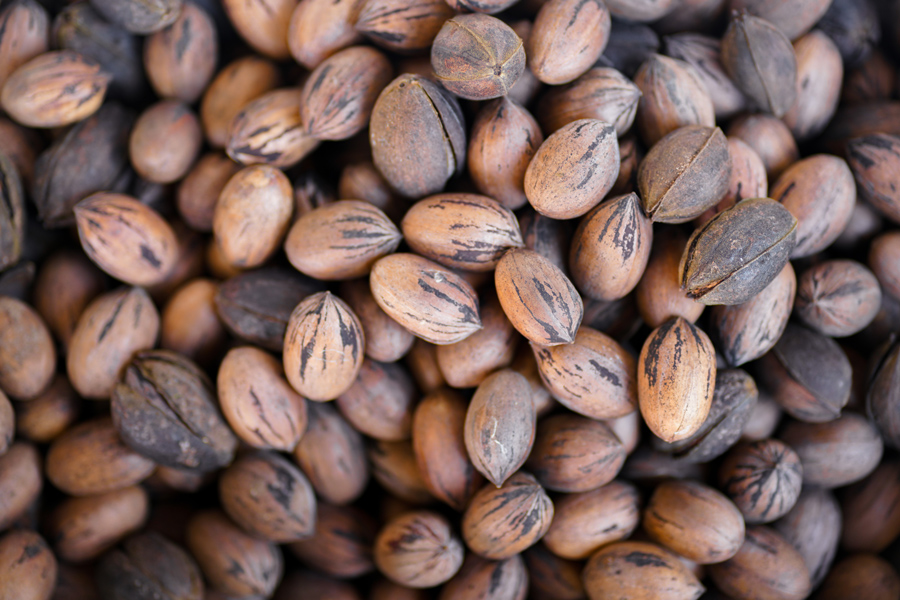
C 893
Mouse Ear of Pecan
Mouse ear of pecan is a growth abnormality resulting from a deficiency of nickel in the pecan tree. Only recently, the discovery was made that mouse ear indicates a severe nickel deficiency. The disorder occurs most frequently on newly transplanted trees in established orchards, but can also occur on sites where pecan has not previously been grown.
|
-
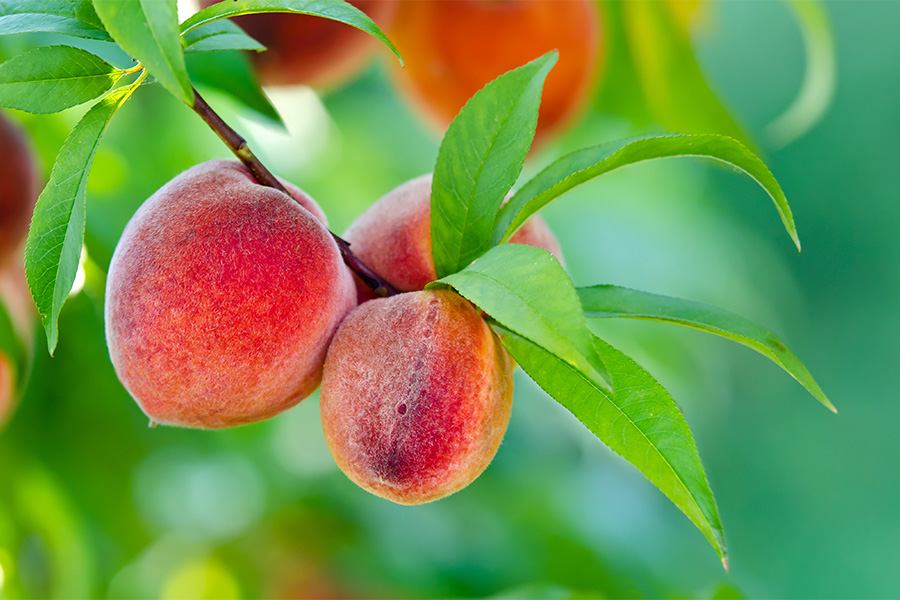
San Jose scale, Comstockaspis perniciosus (Comstock), is a pest of peaches, nectarines, plums, and other tree fruits including apples, pears, and cherries. San Jose scale is considered a secondary pest in many regions of the country, but in the Southeast U.S., it has been one of the most common and most destructive pests to the peach industry since the early 2000s.
|