Fruit
-
SB 48-05
Home Orchard
This section of the Home & Garden Edition covers pest control in home orchards, including apples, peaches, bunch grapes, muscadines, strawberries, blueberries, and other fruits. Beginning in 2022, the Home & Garden Edition has been updated biennially. When purchasing a product based on a first-year recommendation of the Handbook, check the current product label before purchase to be sure it is still labeled for the use for which you are buying it. For pesticide products you have on hand from earlier purchases, you are allowed to use them until they are depleted without penalty under the law. Always follow label instructions before use. Contact the product’s manufacturer for the most up-to-date label.
|
-
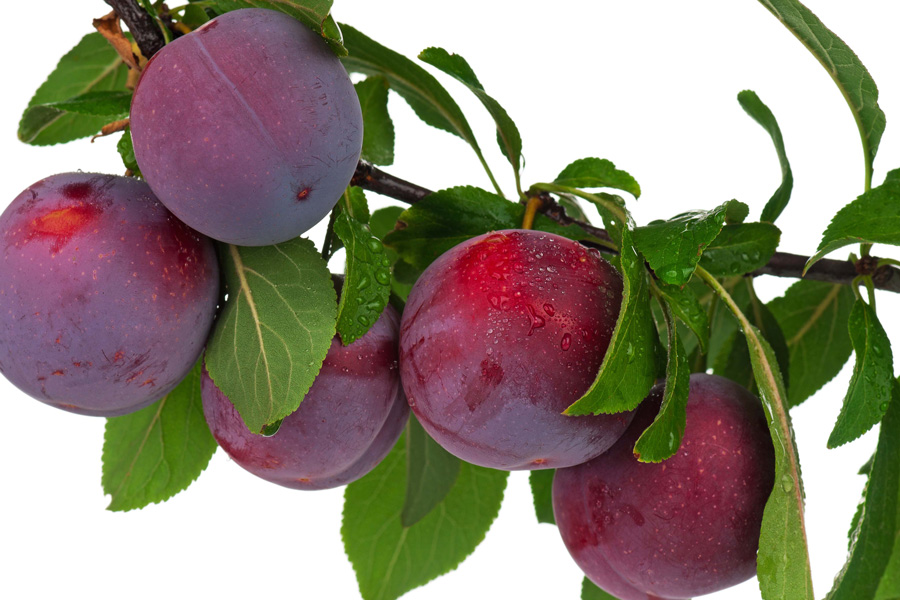
B 1518
Home Garden Plums
This bulletin offers information about plum production, pruning, thinning, fertilization, and variety selection in the home garden. Plums belong to the Prunus genus and consists of many species of different origins and diverse fruit types. Most commercially grown varieties are derived from either Japanese or Asian plums (P. salicina and its interspecific hybrids) or European plums (P. domestica). Japanese plums are primarily for fresh consumption, while European plums are for both processing and fresh consumption. The products obtained from processing plums include prunes (dried fruit, the predominant product), canned fruit, jam, jelly, juice, and beverages.
|
-
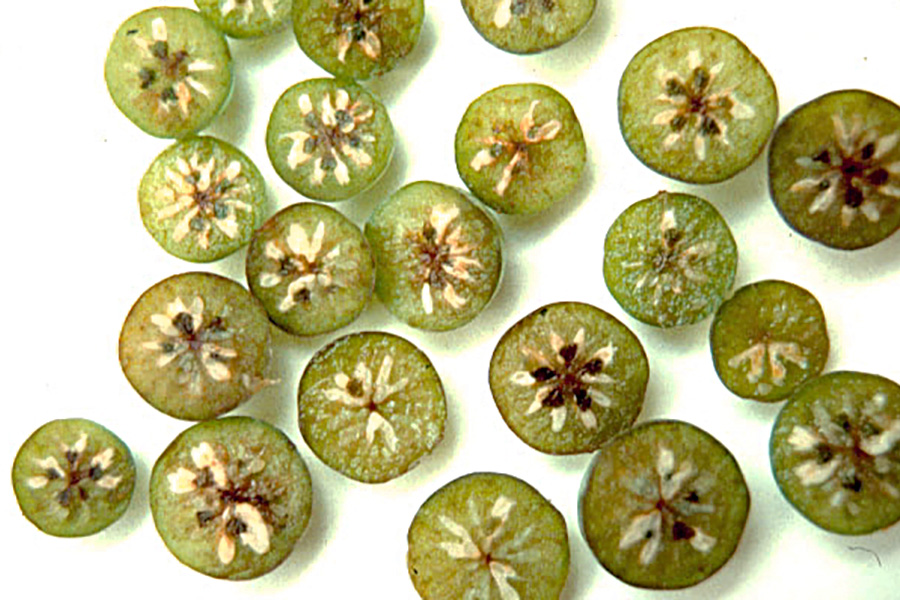
This publication is intended to be used as a pictorial diagnostic guide to identify the most common diseases seen on fruits grown in home landscapes, gardens, and/or orchards in Georgia. Use this guide as a supplemental resource and/or reference to the Homeowner Edition of the Georgia Pest Management Handbook.
|
-
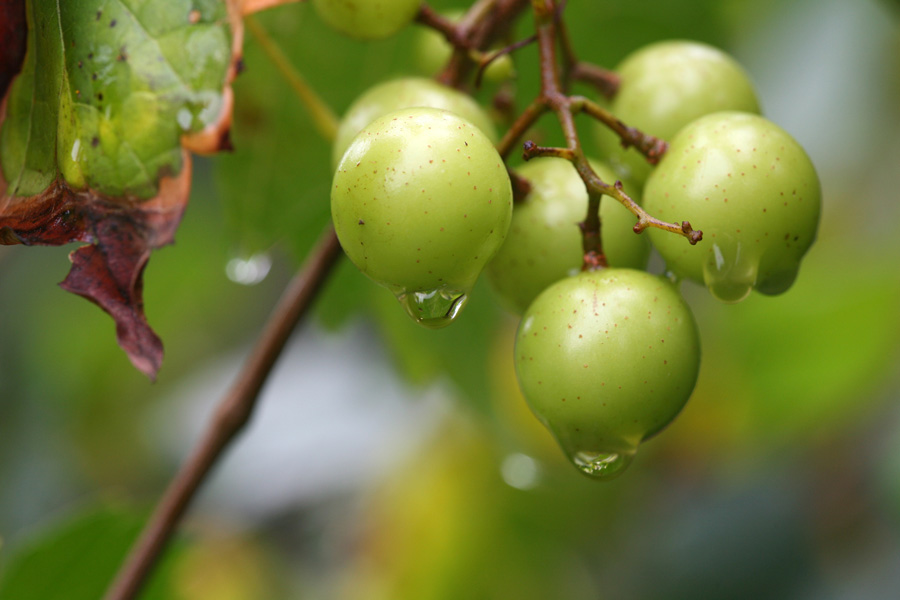
C 949
Home Garden Muscadines
Muscadines are truly a fruit for the south. Although muscadines can be grown successfully in most parts of the state, they are best adapted to the Piedmont and Coastal Plain areas.
|
-
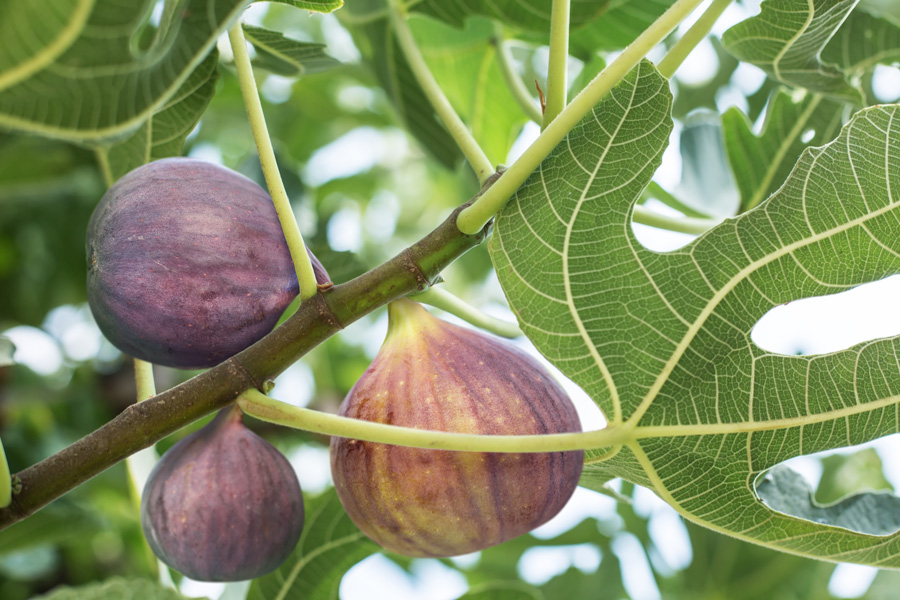
C 945
Home Garden Figs
This resource provides information on how to best grow figs in Georgia. Figs will do well in most parts of Georgia except the mountainous areas.
|
-
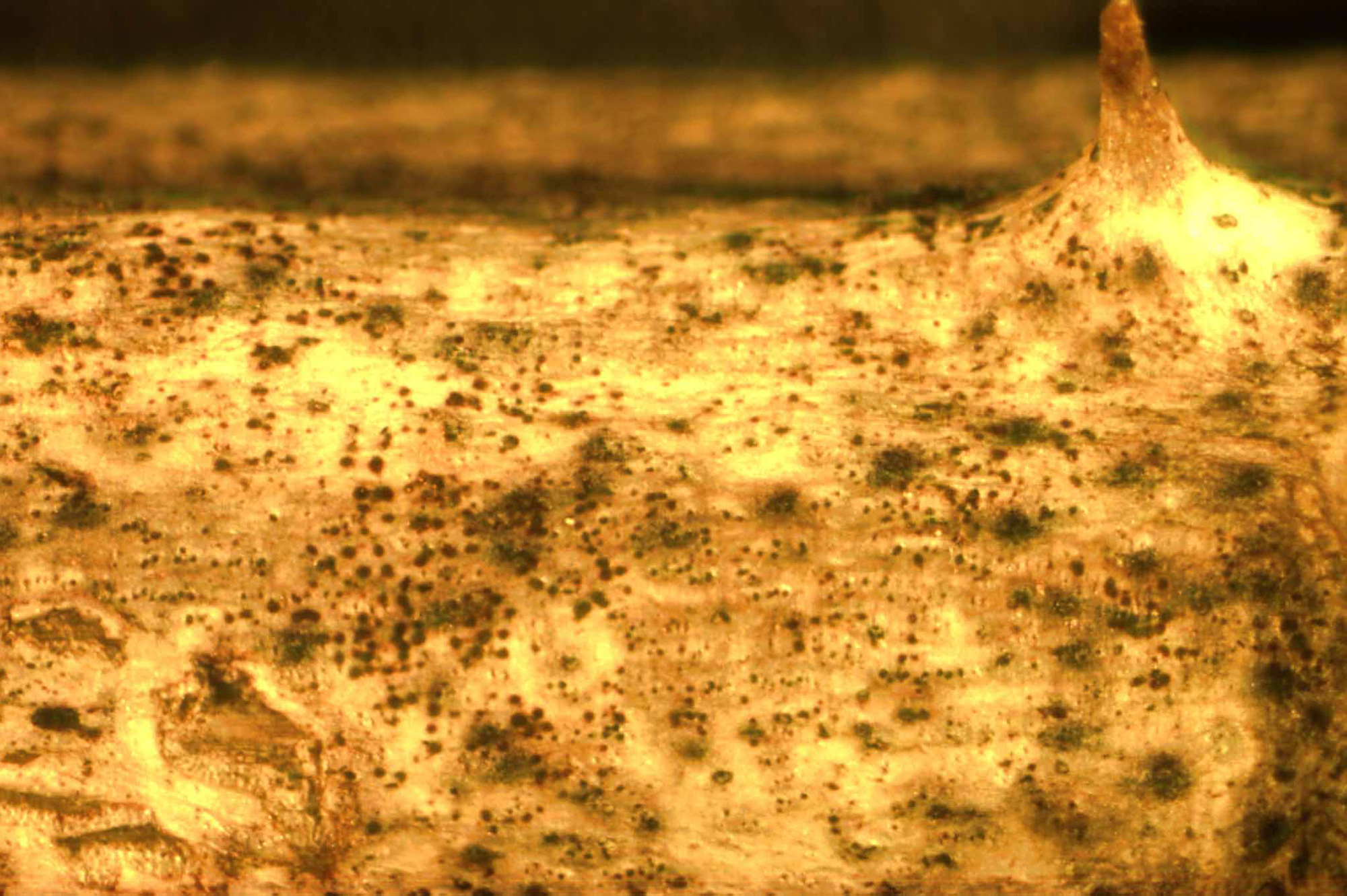
Cane blight can be a major disease of blackberry in the Southeast, resulting in severe losses. The wet, humid conditions observed in Georgia and other southeastern states allow for significant losses following pruning or other injuries to the primocane.
|
-
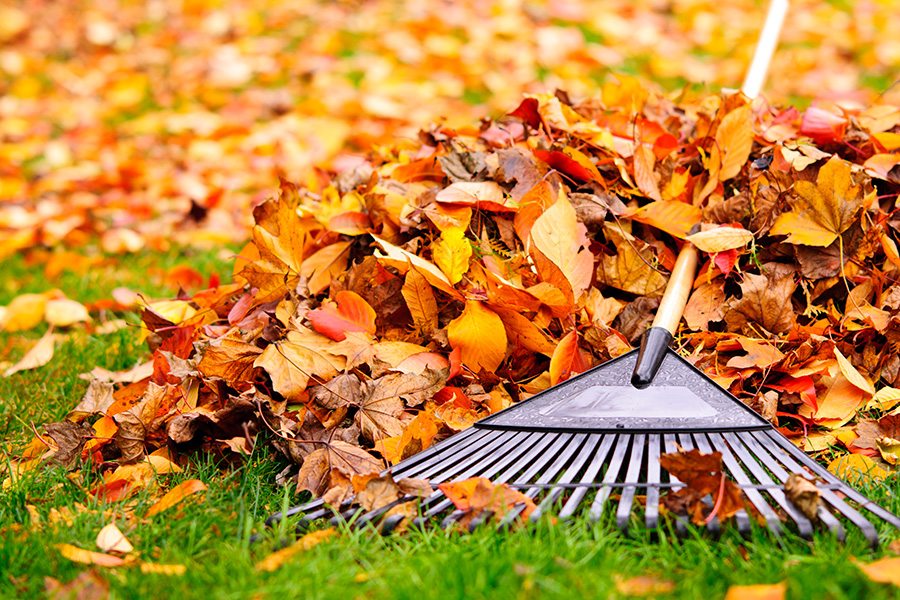
This publication is an annually-updated guide to fall gardening information and resources for Georgia. Topics include planting tall fescue lawns, soil bag flower beds, planting pansies like the pros, planting collards, turnips and cabbage, planting a home fruit orchard, mulching with leaves, gardening chores, cleaning and storing garden tools, treating for fire ants, and additional resources.
|
-

When the peach tree moves into its bearing years a shift in emphasis from exclusive attention to vegetative development for building a tree structure to maintaining a balance enough vegetative growth to promote adequate fruiting wood and return bloom for the following season’s fruit crop and managing the current season’s fruit crop.
|
-

Essential to successful peach tree culture is selection of a location that provides adequate sunlight, cold air drainage and water drainage.
|