Gardening Resources
-

This resource provides a practical overview of vermicomposting as an efficient composting option for home gardens, landscapes, and small farms. It explains how composting with worms can turn food scraps and organic waste into nutrient-rich worm castings, and how this process differs from traditional composting methods. This resource covers the basics of worm biology, bin selection and setup, bedding materials, feeding rates, moisture and pH management, and common troubleshooting tips with an emphasis on simple, low-cost practices.
|
-
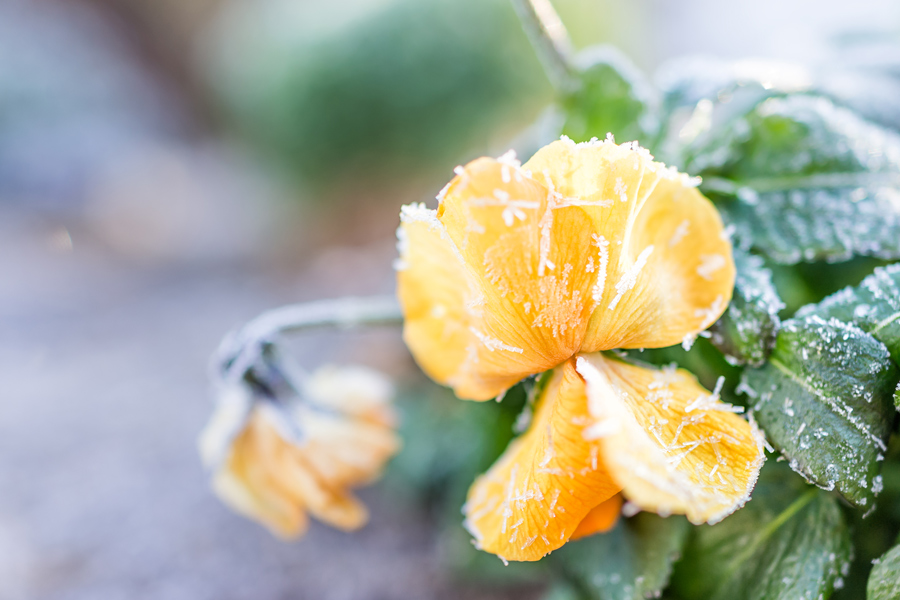
Cold damage to ornamental plants can be a problem during the winter in the Georgia landscape. Regardless of where you live, recommended practices can maximize the chances that your prized landscape plants will survive the winter.
|
-
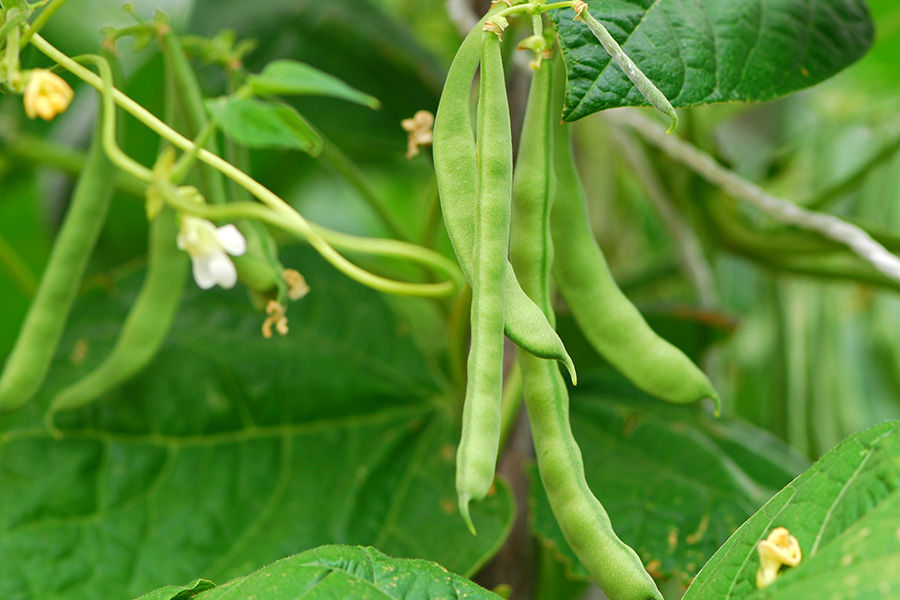
C 1006
Home Garden Green Beans
This resource provides basic information on growing green beans, one of the most popular vegetables for the home garden.
|
-
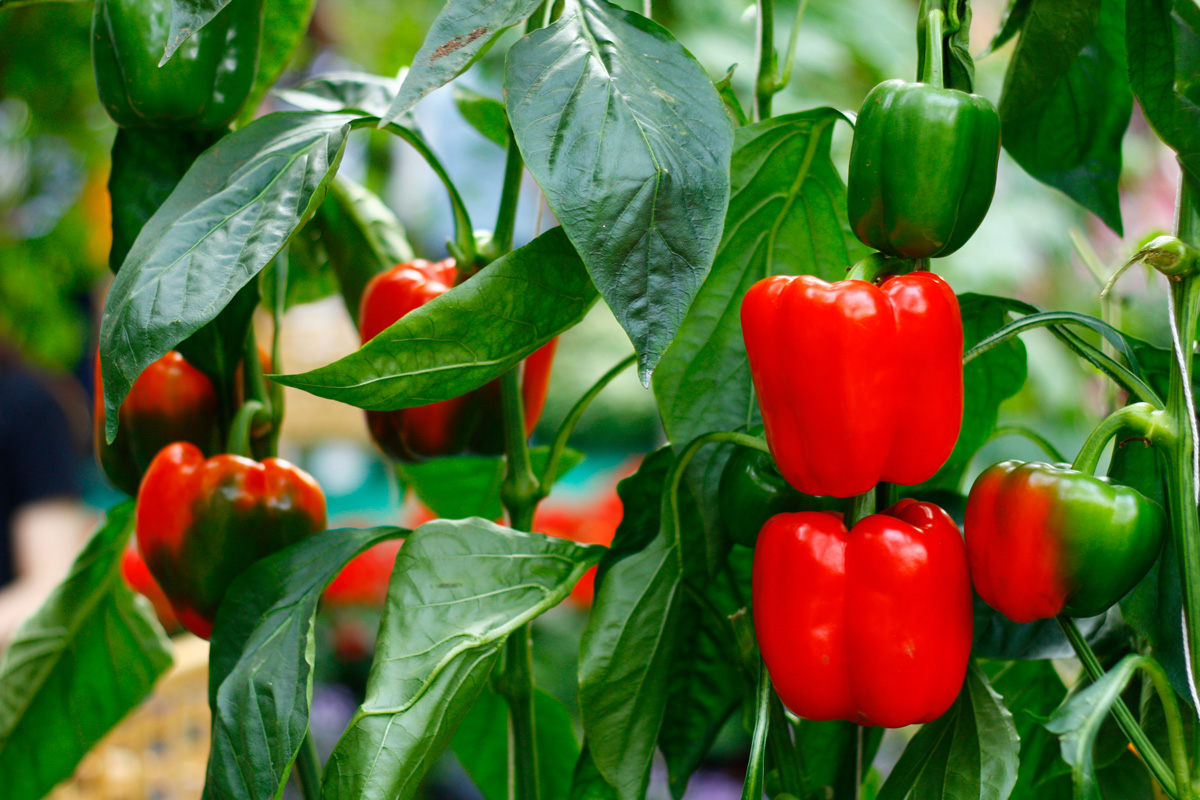
C 1005
Home Garden Peppers
Learn how to grow delicious peppers at home! The most popular pepper varieties are easy to grow, as long as you understand and follow a few basic gardening principles.
|
-
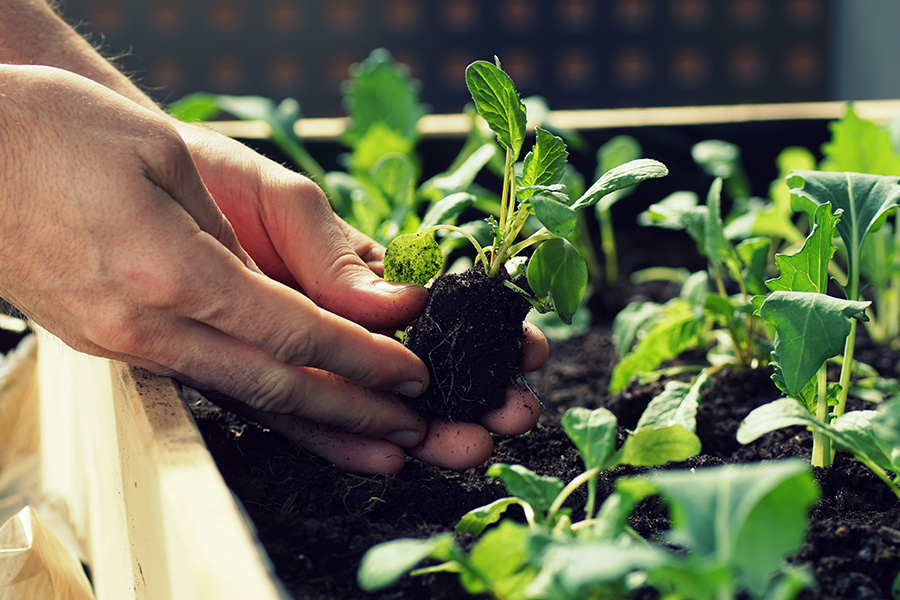
Plant diseases can be a significant problem in home gardens. Most vegetables are susceptible to a number of diseases. Home gardeners can reduce the occurrence of many diseases with sound cultural practices. This publication discusses managing diseases in the home vegetable garden.
|
-

This resource offers practical guidance for creating pollinator-friendly habitats on balconies, porches, or patios using potted plants. Designed for those with limited outdoor space, it covers choosing the right containers, selecting native and pollinator-attracting plants, and providing essential resources like water and shelter. Readers will learn how to support bees, butterflies, and other pollinators with seasonal blooms, proper placement, and maintenance tips.
|
-
The Georgia School Garden Calendar gives school gardeners month-by-month guidance on growing and using a school garden successfully. Each month, this resource provides information on the horticulture of the school garden, classroom and curriculum ideas, and administrative and organizational tips.
|
-
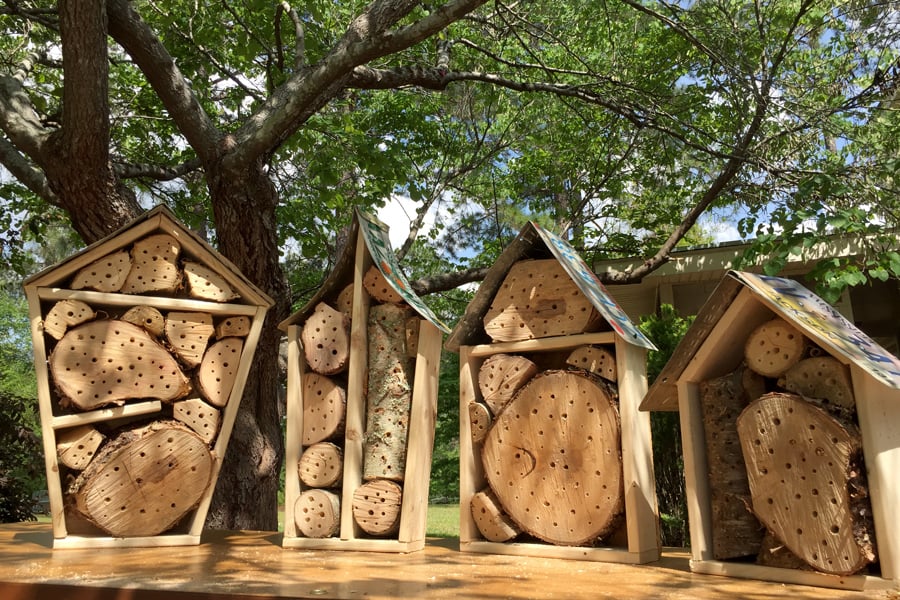
Planting pollinator-friendly flowers in your yard is a great first step for improving the quality of pollinator habitats. Adding nesting sites and nesting materials is another important measure in creating sustainable habitats, especially for native bees. When bees have access to a diversity of nesting materials, their numbers are positively affected, so providing nesting resources in your landscape is very beneficial to bees.
Published with the UGA Warnell School of Forestry and Natural Resources as WSFNR-17-48.
|
-
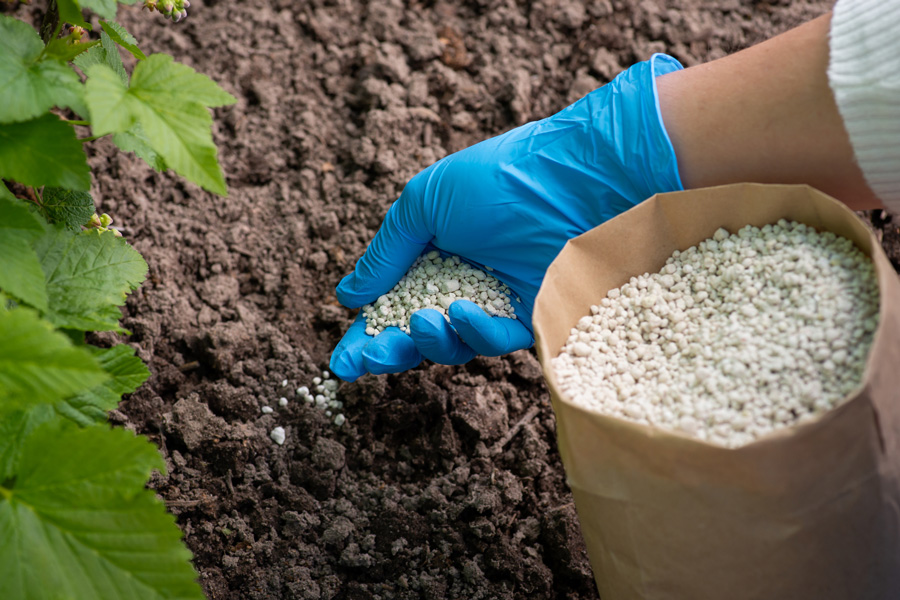
Use this resource to calculate planting densities, fertilizer application rates, sprayer calibration, and soil amendment applications using unit conversions. We demonstrate the “raw math” behind common calculations to provide you with the tools for solving any equation using simple addition, subtraction, multiplication, and division. No longer will you be dependent on having production guides, fertilizer charts, planter manuals, and spray nozzle catalogs to tell you what to do.
|