Gardening
-
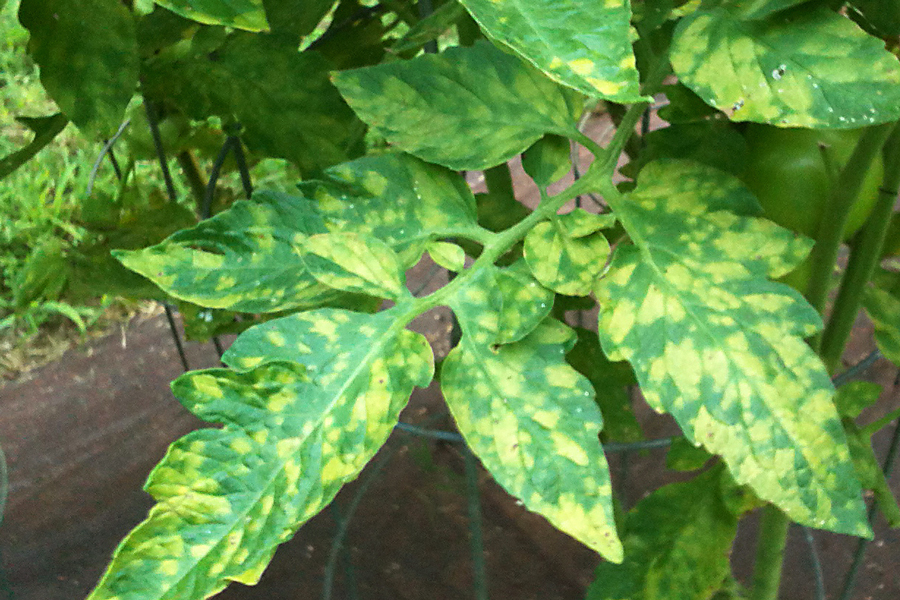
This publication contains information about common tomato diseases in Georgia. It includes photographs and descriptions of diseases such as buckeye rot and fusarium wilt.
|
-
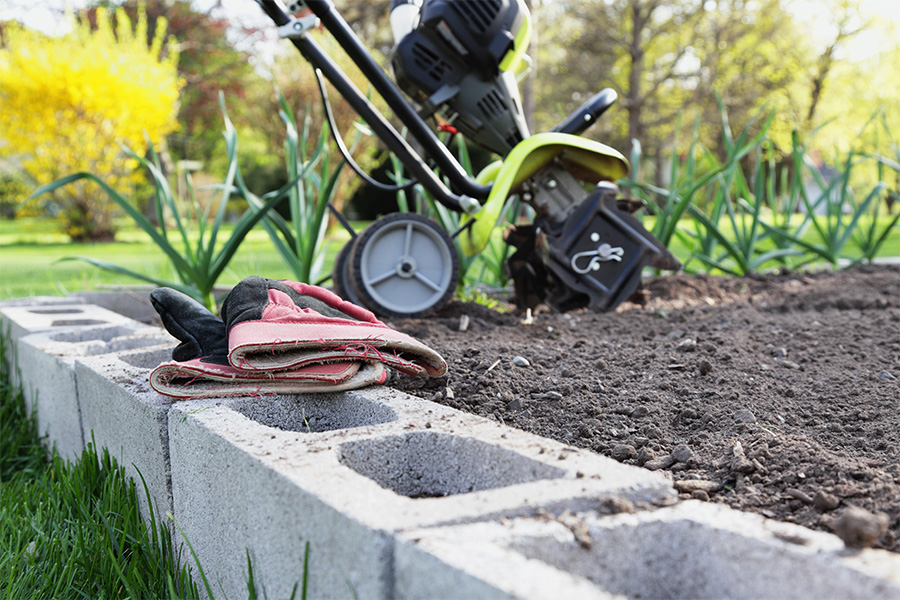
Most gardeners realize that they must manipulate the soil in their garden to successfully grow vegetables. Whether by hand, with a shovel, or a mechanical piece of equipment, tilling is an important practice for reducing compaction and mixing organic amendments into the soil. While smaller gardens and most raised beds can be turned with hand tools, larger gardens may require more sizable equipment. One of the home gardener’s most useful tools is a mechanical tiller.
|
-
C 1179
Fertilizing the Home Garden
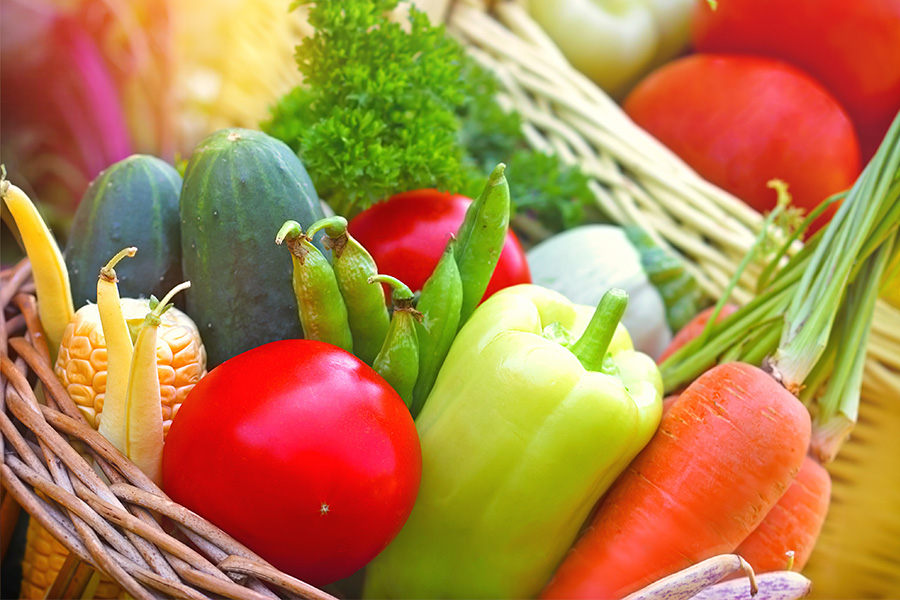
This publication covers the basics of how to correctly fertilize the home vegetable garden. It discusses the differences between organic and synthetic fertilizers and the advantages and disadvantages of both. The circular also includes information about the importance of soil testing along with detailed instructions for fertilizing a new garden as well as more established vegetables.
|
-
C 1206
Homegrown Pumpkins
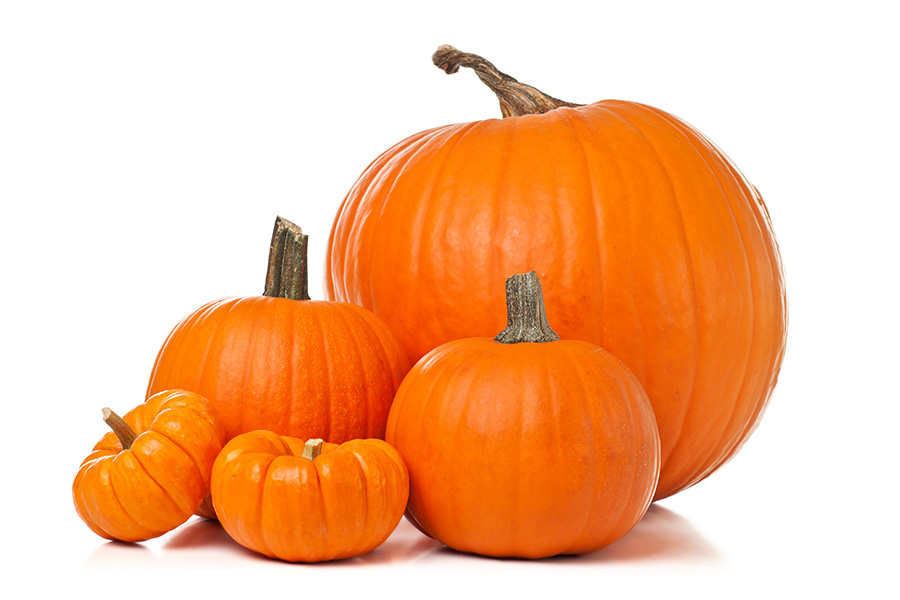
While pumpkins are edible and grown for both their flesh and seeds, they are more commonly used as fall decorations. This member of the cucurbit family can be found in a variety of shapes, sizes, and colors. While pumpkins are not very difficult to grow, they do require a substantial amount of space for their sprawling vines. Selecting the right cultivar and following good cultural practices are key to successfully growing pumpkins.
|
-
C 1218
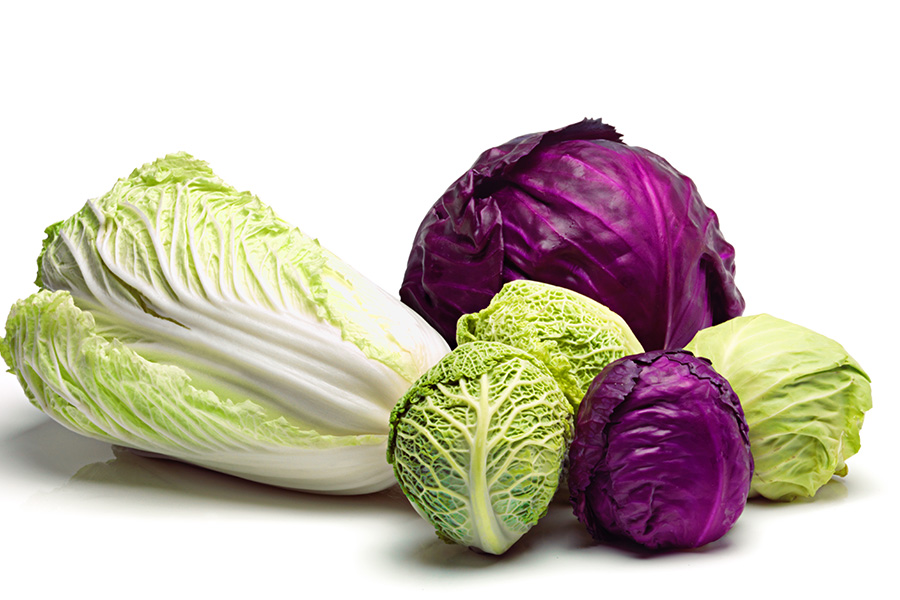
Homegrown Cabbage
Cabbage (Brassica oleracea var. capitate) is a cool-season vegetable that is a member of the cole crop family. There are several types of cabbages available to grow, and they can all be eaten raw or cooked in a variety of ways. This publication covers the basics of how to grow cabbage in the home garden, including selection, planting, and maintenance information for growing this popular vegetable.
|
-
SB 48-06
Home Fungicide Guide
This section of the Home & Garden Edition covers fungicides for use in and around your home. Beginning in 2022, the Home & Garden Edition has been updated biennially. When purchasing a product based on a first-year recommendation of the Handbook, check the current product label before purchase to be sure it is still labeled for the use for which you are buying it. For pesticide products you have on hand from earlier purchases, you are allowed to use them until they are depleted without penalty under the law. Always follow label instructions before use. Contact the product’s manufacturer for the most up-to-date label.
|
-
SB 48-12
Vegetables
This section of the Home & Garden Edition covers insect, weed, and disease control in home garden vegetables. Beginning in 2022, the Home & Garden Edition has been updated biennially. When purchasing a product based on a first-year recommendation of the Handbook, check the current product label before purchase to be sure it is still labeled for the use for which you are buying it. For pesticide products you have on hand from earlier purchases, you are allowed to use them until they are depleted without penalty under the law. Always follow label instructions before use. Contact the product’s manufacturer for the most up-to-date label.
|
-
SB 48-05
Home Orchard
This section of the Home & Garden Edition covers pest control in home orchards, including apples, peaches, bunch grapes, muscadines, strawberries, blueberries, and other fruits. Beginning in 2022, the Home & Garden Edition has been updated biennially. When purchasing a product based on a first-year recommendation of the Handbook, check the current product label before purchase to be sure it is still labeled for the use for which you are buying it. For pesticide products you have on hand from earlier purchases, you are allowed to use them until they are depleted without penalty under the law. Always follow label instructions before use. Contact the product’s manufacturer for the most up-to-date label.
|
-
The Georgia School Garden Calendar gives school gardeners month-by-month guidance on growing and using a school garden successfully. Each month, this resource provides information on the horticulture of the school garden, classroom and curriculum ideas, and administrative and organizational tips.
|