Gardening Resources
-
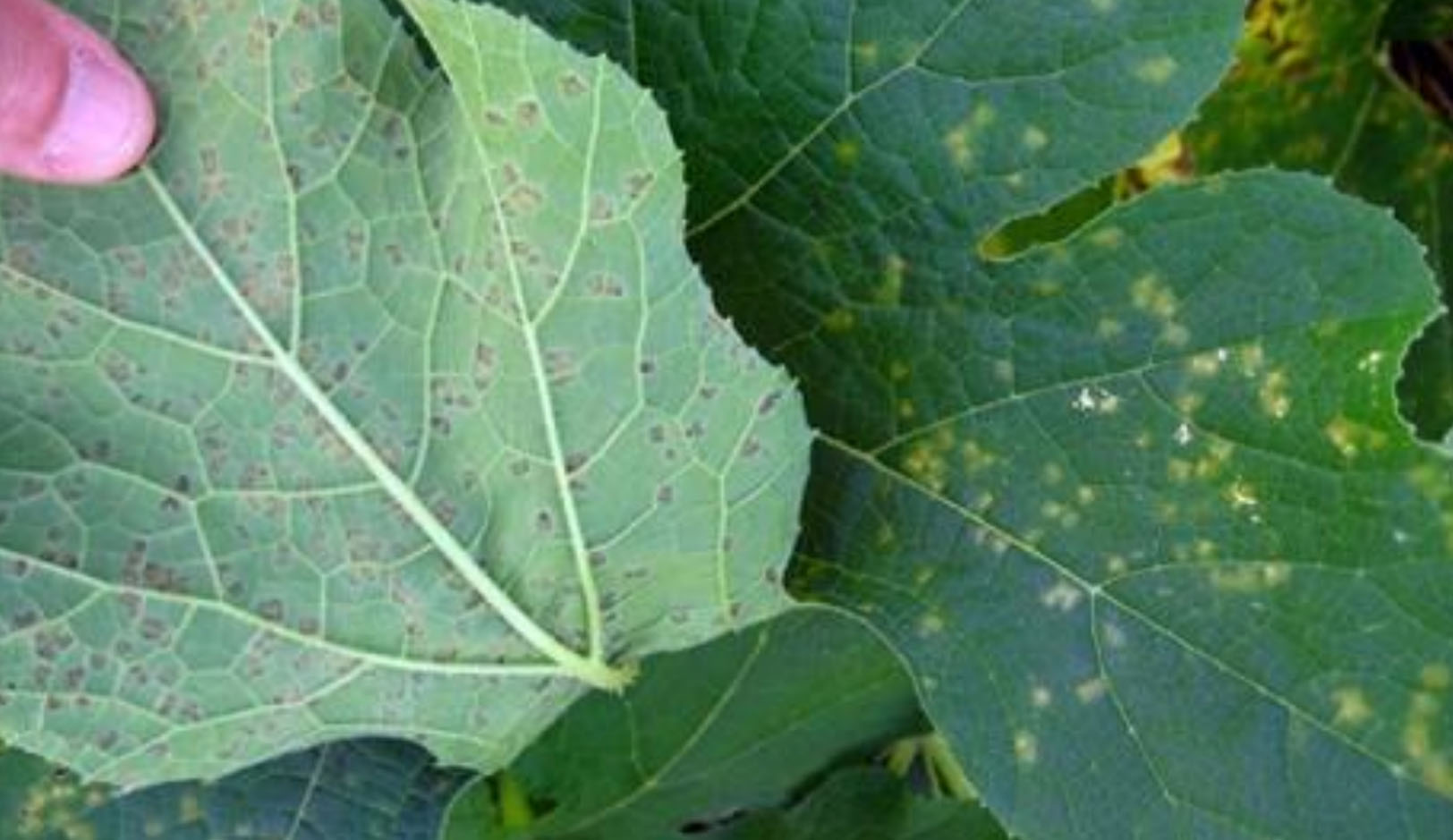
While there are literally hundreds of issues that can occur in the home garden, this resource focuses on the most common ones. When troubleshooting issues in the garden, this provides a good starting point and will help gardeners diagnose their issues and strategize solutions.
|
-

This publication describes forest farming (also known as forest gardening), which can be defined as cultivation of plants under a forest canopy. It includes suggestions for appropriate plants for cultivation in the Southeast.
|
-
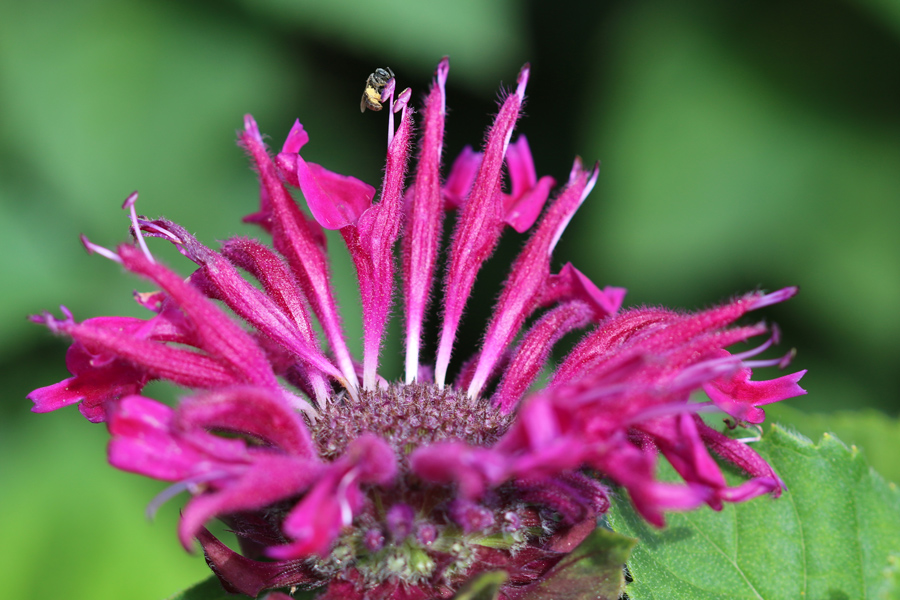
Monarda, commonly known as beebalm, is a North American perennial naturally found in woodlands, meadows, and floodplains. Aside from its aesthetics, beebalm offers environmental benefits, as its flowers, seeds, and shoots provide forage and habitat for many species of wildlife, including insects and birds. This publication covers the results of performance trials for 10 popular Monarda plants in the montane and piedmont (i.e., northern) Georgia regions.
|
-
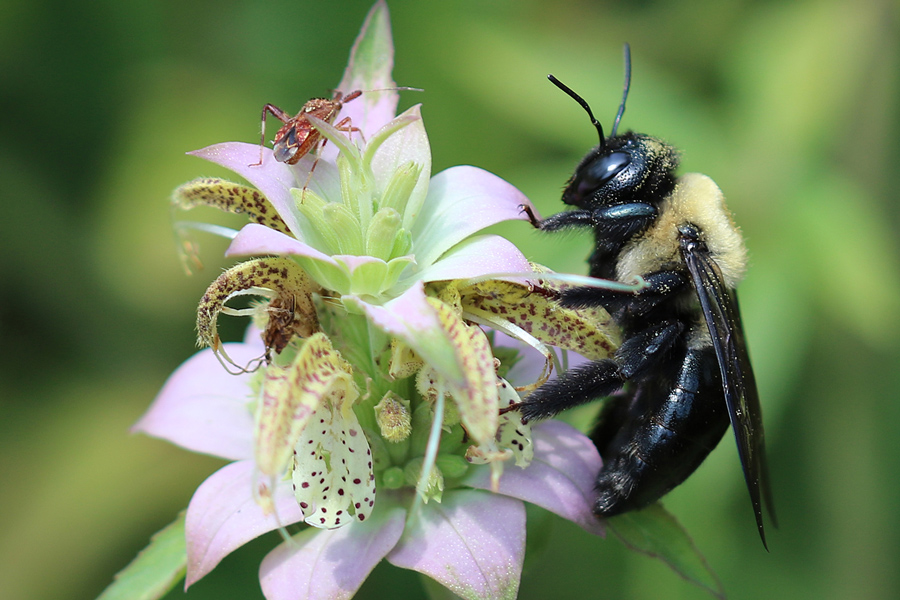
Monarda (beebalm) is a North American perennial naturally found in woodlands, meadows, and floodplains. It offers environmental benefits, as its flowers, seeds, and shoots provide forage and habitat for many species of wildlife, including insects and birds. This publication covers more details from our trials on 10 popular Monarda plants, this time focusing specifically on their floral properties.
|
-
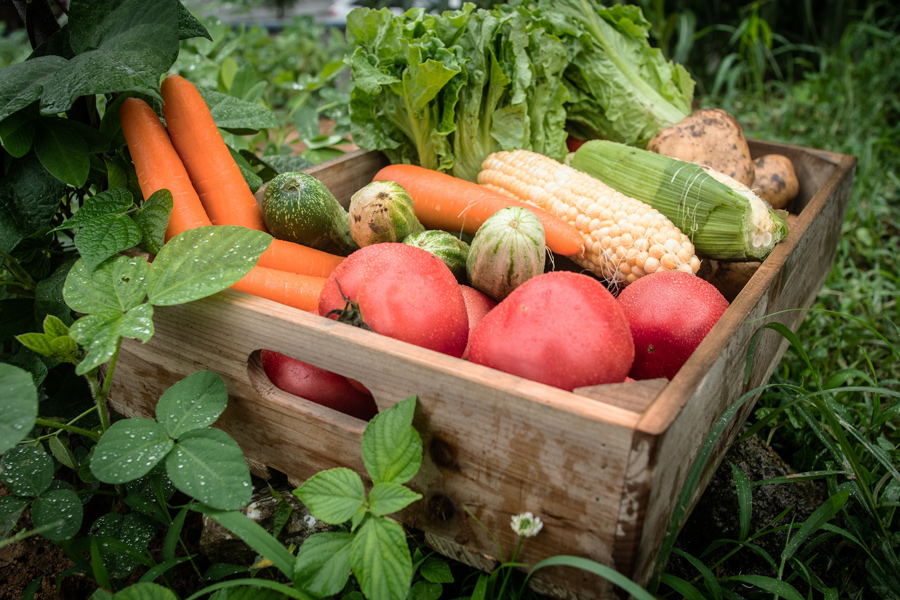
This publication lists vegetable variety recommendations for the state of Georgia. Most of these varieties have been trialed and grown successfully in the state. These are not the only varieties that can grow well in Georgia but provide new gardeners with a starting point to increase their chances of success. Gardeners may need to search print catalogs and online to find the vegetables they are looking for, as local garden centers may not always carry the varieties listed here.
|
-
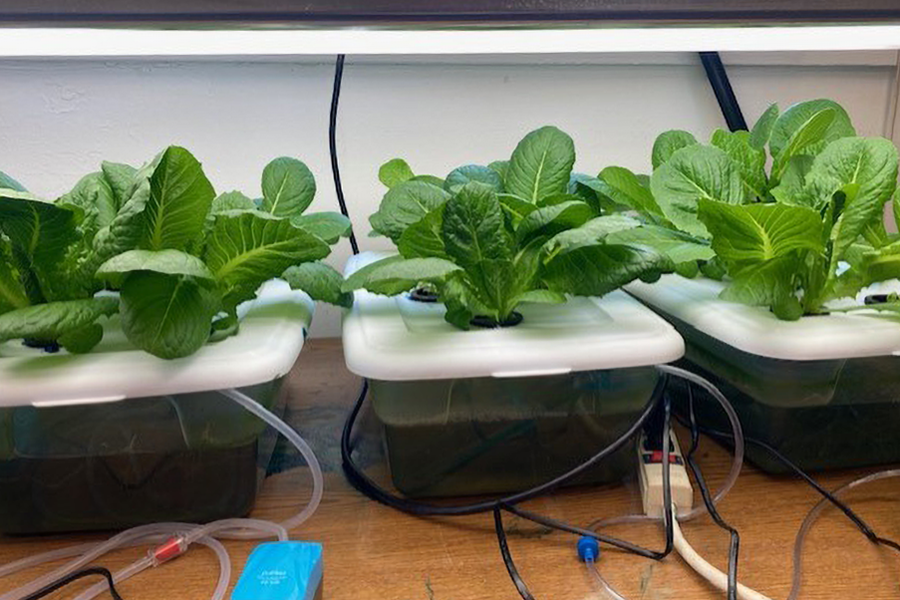
Important considerations for starting a small hydroponic operation at your home or an urban garden site.
|
-
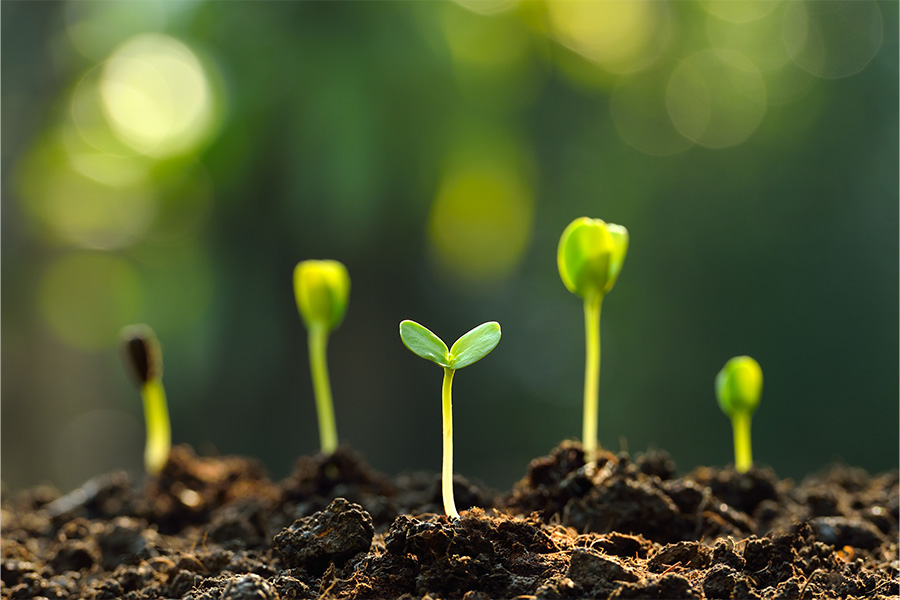
A number of plants, particularly vegetables, annuals, and herbs, can be grown from seed. There are many advantages to propagating plants from seed. This publication provides information on seed selection, materials, seeding techniques, thinning, and transplanting. A step-by-step, quick reference guide is also included.
|
-
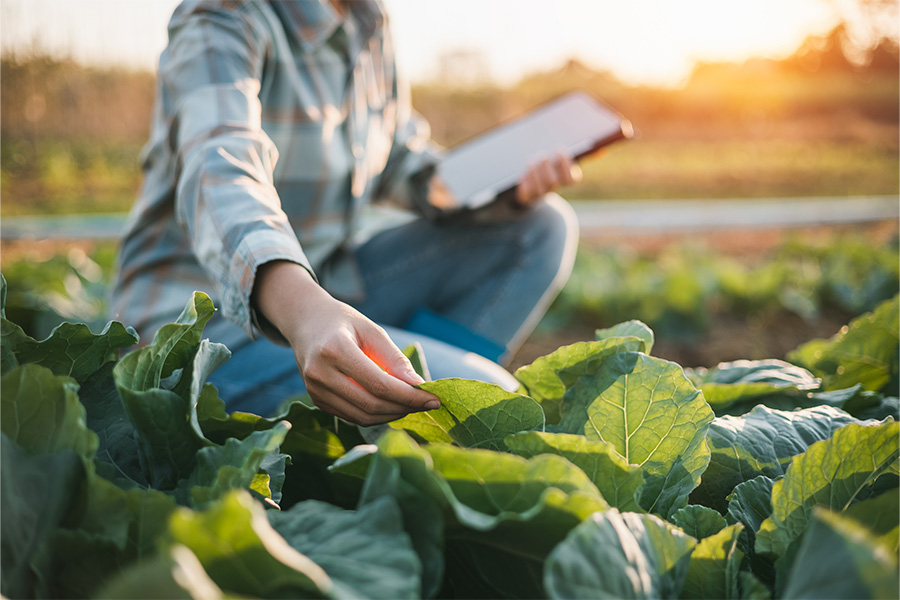
Pesticide and fertilizer recommendations are often made on a pounds per acre and tons per acre basis. While these may be applicable to field production of many crops, orchardists, nurserymen and greenhouse operators often must convert these recommendations to smaller areas, such as row feet, square feet, or even per tree or per pot. Thus pints, cups, ounces, tablespoons and teaspoons are the common units of measure. The conversion is frequently complicated by metric units of measure. This publication is designed to aid growers in making these calculations and conversions, and also provides other data useful in the management, planning and operation of horticultural enterprises.
|
-
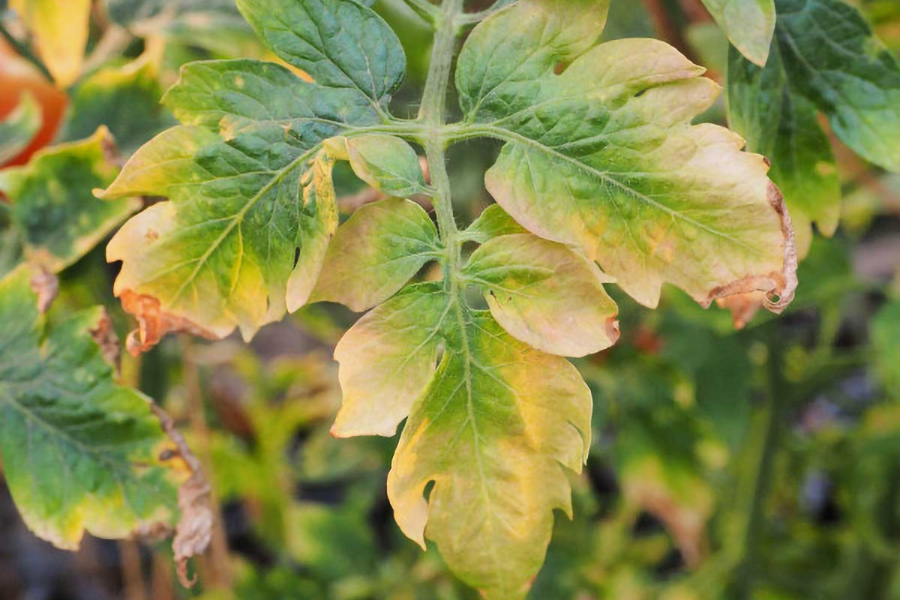
This brief guide covers nutrient deficiencies and their symptoms in common vegetables. Makenzie English, Horticulture Program Assistant, is co-author on this publication.
|