Gardening Resources
-
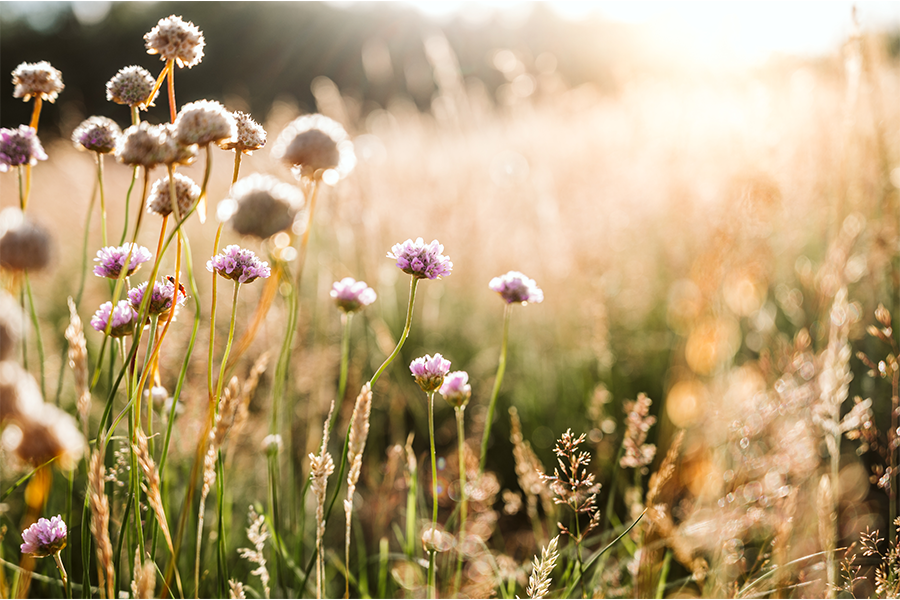
This publication is a comprehensive guide to growing and identifying native wildflowers suitable for planting in Georgia. The term “wildflower” in this publication is a general term used to define both annual and perennial native herbaceous plants with showy flowers that have evolved with an ecosystem and grow naturally without either direct or indirect human intervention.
NOTE: This publication is large and may take several minutes to load.
|
-
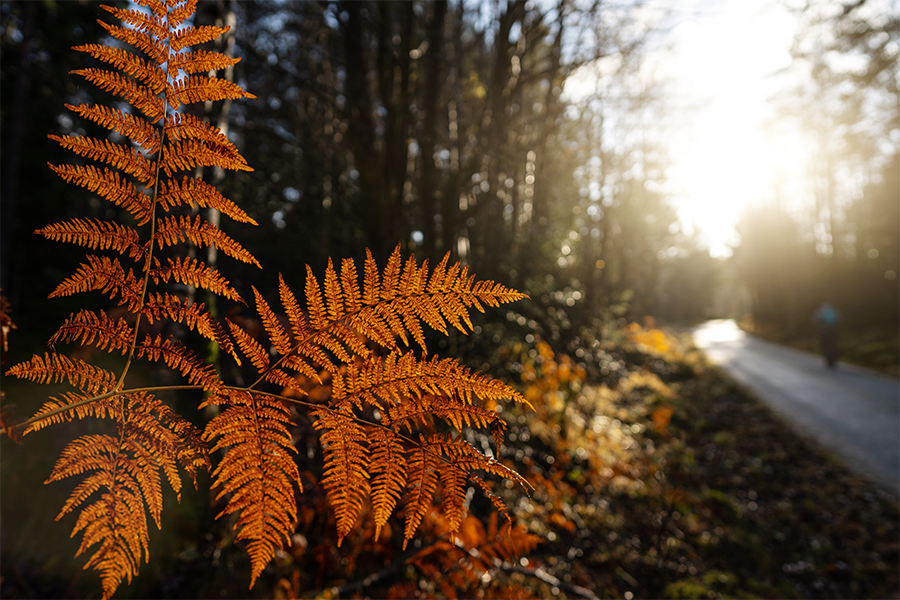
There are about 12,000 species of ferns in the world today. Most are found in the tropics. Currently, Georgia is home to 36 genera, 119 species and 12 hybrid ferns. The list is constantly expanding as new plants are found. To grow ferns successfully, it is important to match the site characteristics and growing environment with the native requirements of the fern species you intend to grow. Even if a fern is native to Georgia, it may not be native to the area of the state where you live.
|
-

This publication focuses on native trees, shrubs and woody vines for Georgia. It is not our intent to describe all native species — just those available in the nursery trade and those that the authors feel have potential for nursery production and landscape use. Rare or endangered species are not described. Information on each plant is provided according to the following categories: Common Name(s)/Botanical Name/Family, Characteristics, Landscape Uses, Size, Zones and Habitat.
|
-
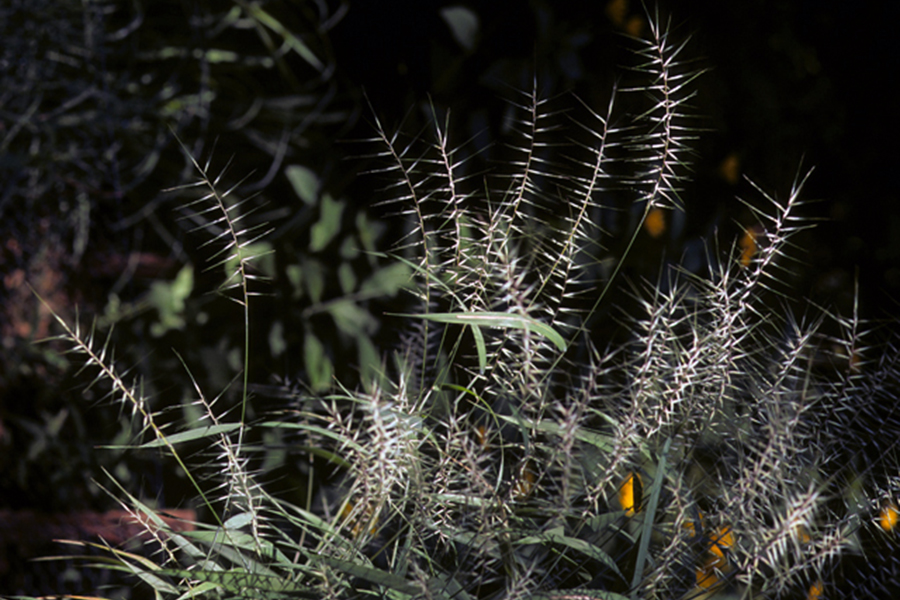
This publication describes and illustrates 48 grasses and 10 sedges native to Georgia. It is not the intent of the authors to describe all native grasses and sedges, but those that are most widespread or those having practical application for wildlife habitats, erosion control, restoration projects or landscape culture. A few of the plants are noted as being weedy or invasive and may not be appropriate for use in cultivated landscapes. Nonetheless, they are included to assist the reader in identifying them because they are abundant in the wild.
|
-
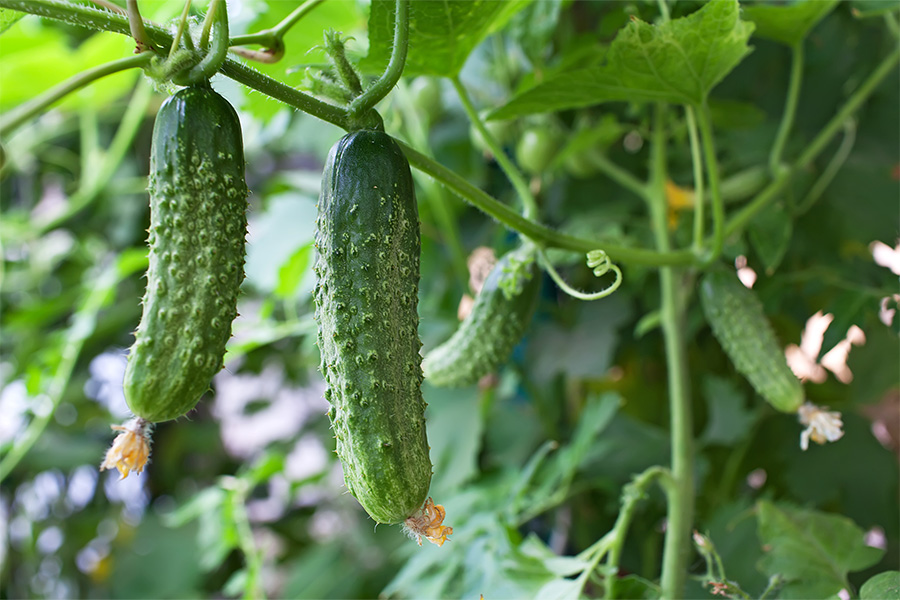
Cucumbers are one of the most popular crops in today’s home garden. This publication helps you to select the varieties to suit your needs.
|
-
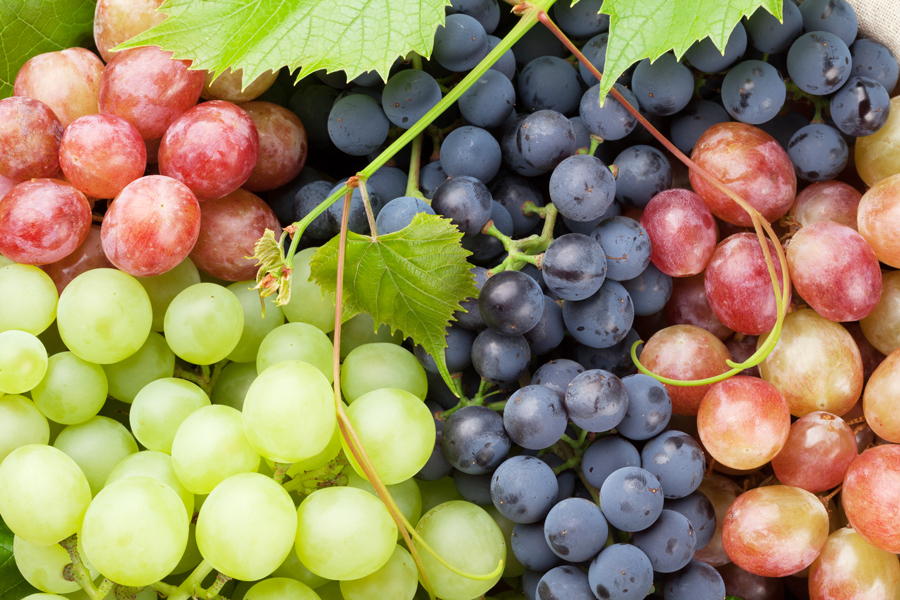
B 807
Home Garden Bunch Grapes
Bunch grapes are often called “pod” grapes in rural Georgia since they produce large clusters of fruit. Georgia’s climate is not well-suited to home garden production of European bunch grapes, but American bunch grapes and hybrids between the two species (French hybrids) grow well in Georgia. If grapes are well cared for and sprayed when diseases and insects threaten, you can expect yields of 20 to 30 pounds of fruit per vine.
|
-
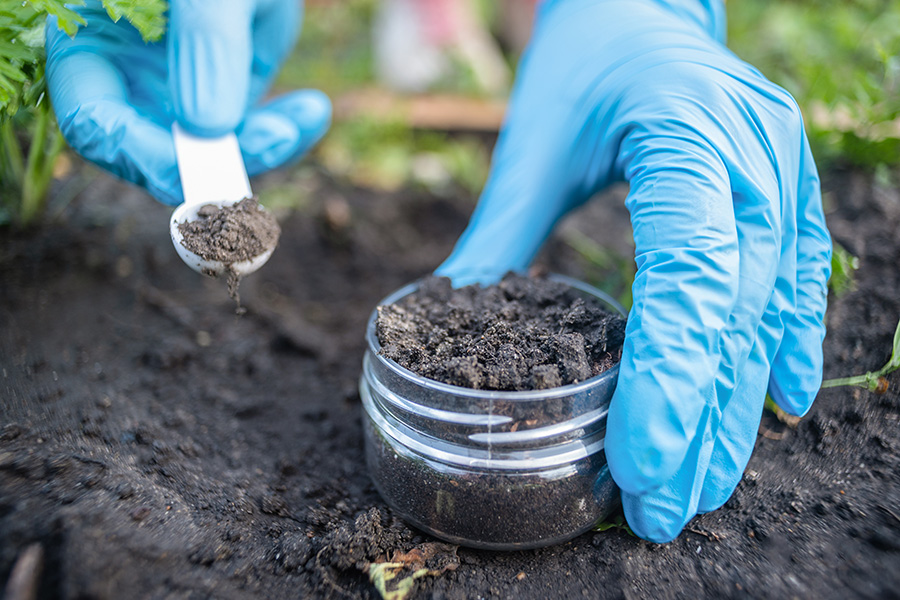
Developing and maintaining productive soils begin with soil testing. Soils tests provide information on the soil’s actual nutrient status. Test results are used to determine the amount and kind of nutrients that should be added for the best growth of lawn, garden, and other types of plants.
|
-
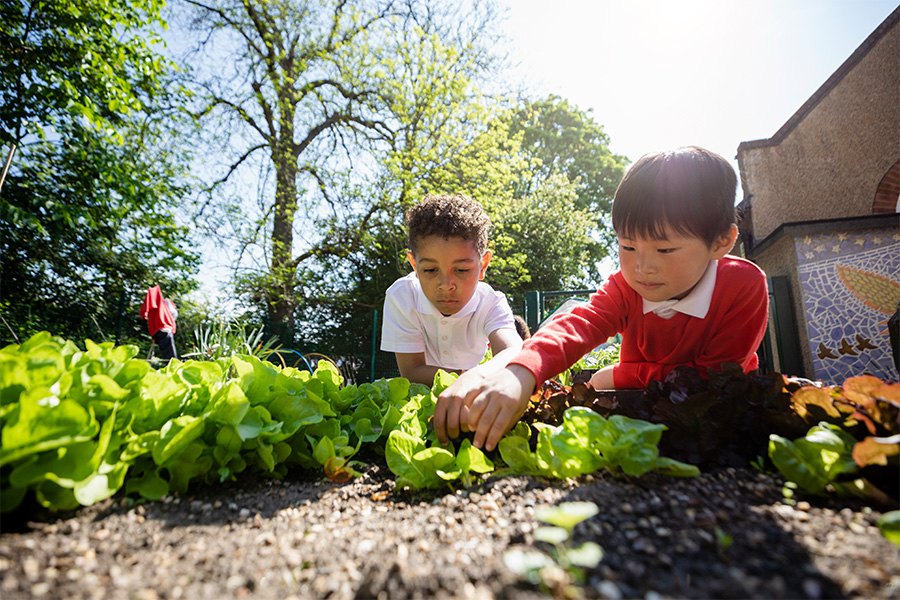
C 963-SP
Calendario para Siembra de Vegetales
Esta es la versión en español del Cuadro de plantación de hortalizas de la Circular 963, Horticultura en Georgia. Traducido por Rolando Orellana. [This is the Spanish-language version of the Vegetable Planting Chart from Circular 963, Vegetable Gardening in Georgia.]
|
-
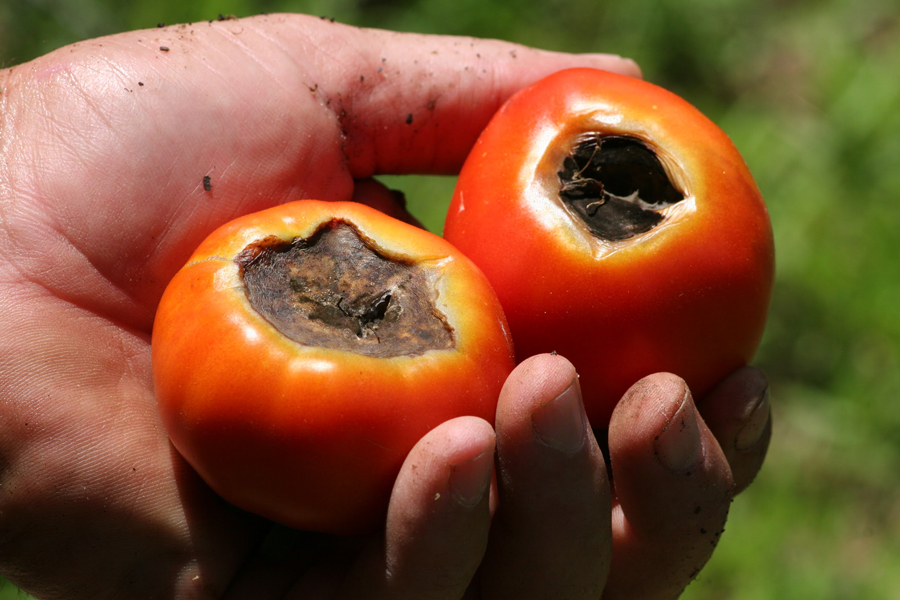
El tomate es una de las hortalizas más populares que se cultivan en el huerto familiar. Si bien las plantas de tomate pueden producir una gran cantidad de frutas saludables y deliciosas, su cultivo puede resultar frustrante. Además de las enfermedades e insectos más comunes que atacan a los tomates en el huerto, también pueden ocurrir varios padecimientos asociados con las labores culturales. Es importante el reconocer esas afecciones fisiológicas rápidamente para poder prevenirlas y así obtener frutos sanos.
|