Gardening Resources
-
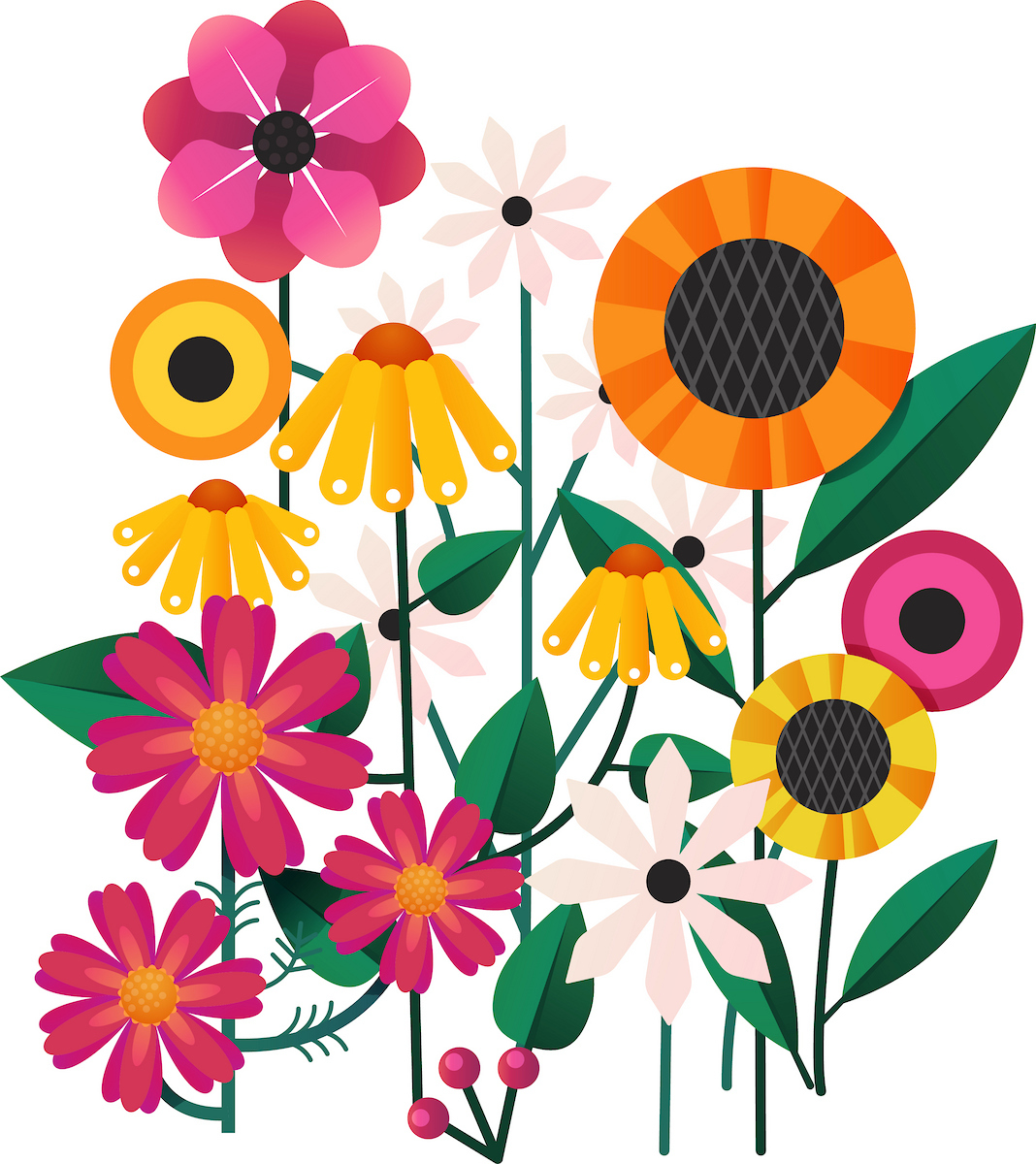
Wildflowers not only beautify the landscape but also provide food and shelter for myriad insects, birds, and mammals. Georgia is rich in endemic (belonging in a particular area or environment) species which grow in a wide variety of habitats, from coastal dunes and pine sandhills to savannas, meadows, and forests. Although many species are primarily seen in undisturbed natural habitats, others have adapted to human-created landscapes, such as roadsides and farms, and are frequently seen on road banks and edge habitats. This publication is intended as a visual guide to common herbaceous plants encountered mainly in sunny areas in South Georgia. Although by no means inclusive or extensive, the list contains plants that are easy to recognize and valuable for wildlife.
|
-
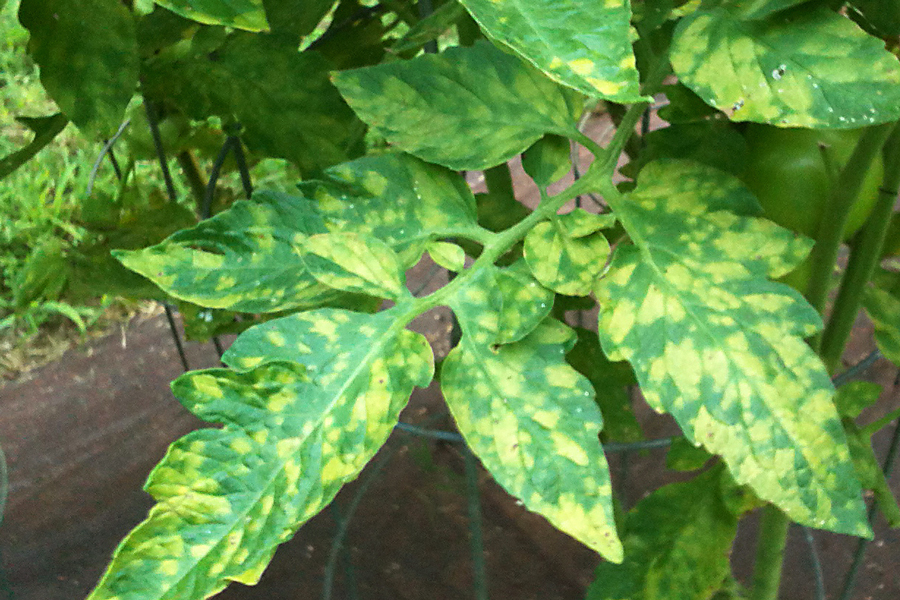
This publication contains information about common tomato diseases in Georgia. It includes photographs and descriptions of diseases such as buckeye rot and fusarium wilt.
|
-
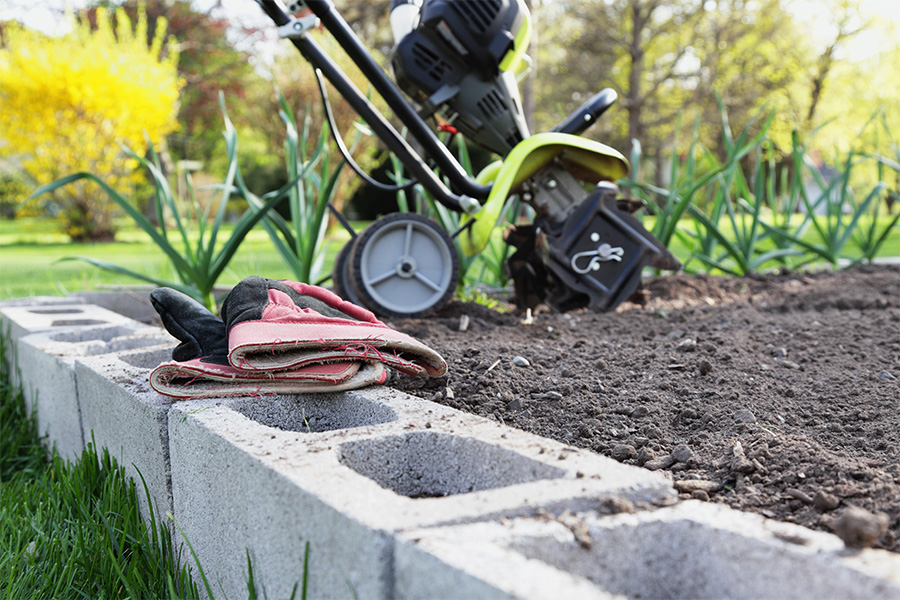
Most gardeners realize that they must manipulate the soil in their garden to successfully grow vegetables. Whether by hand, with a shovel, or a mechanical piece of equipment, tilling is an important practice for reducing compaction and mixing organic amendments into the soil. While smaller gardens and most raised beds can be turned with hand tools, larger gardens may require more sizable equipment. One of the home gardener’s most useful tools is a mechanical tiller.
|
-
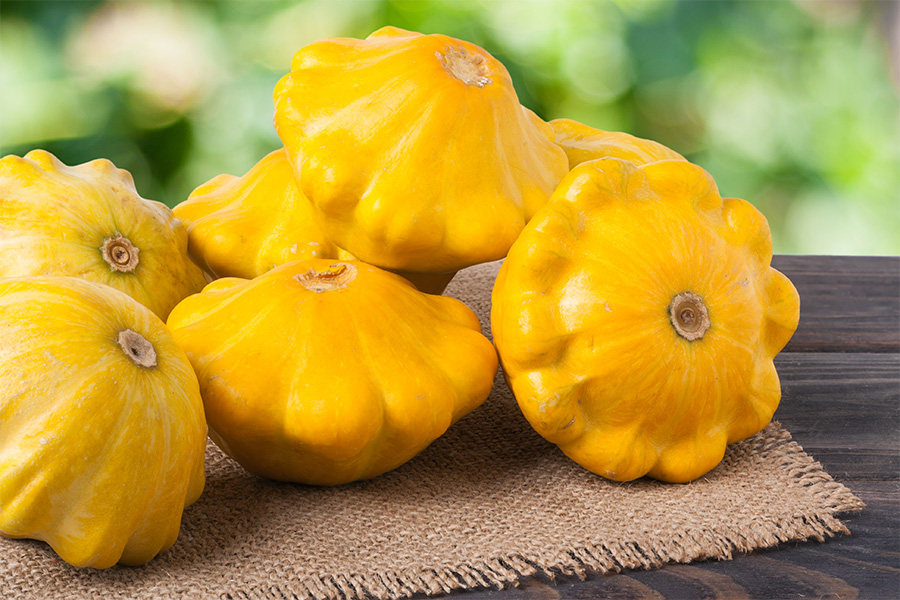
Summer squash is one of the most popular warm season vegetables grown in home gardens. Unfortunately, the levels of insect attacks on summer squash have risen dramatically over the last 10 years. Safe and effective controls are needed to help produce this important crop with all of the pressures of insect pests. This publication will discuss both organic and non-organic solutions for homeowners to try in their home garden, including the use of barriers, trap crops and chemical controls.
|
-
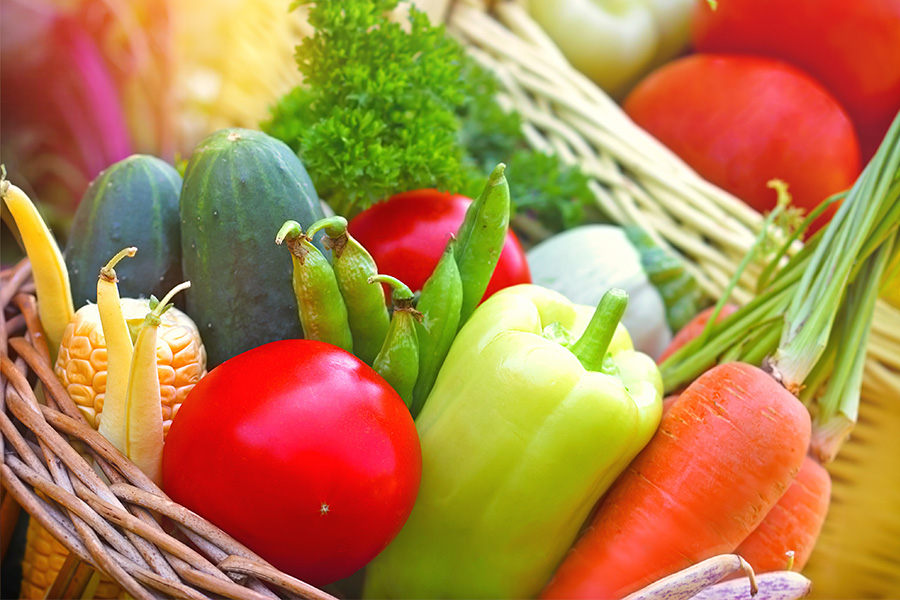
C 1179
Fertilizing the Home Garden
This publication covers the basics of how to correctly fertilize the home vegetable garden. It discusses the differences between organic and synthetic fertilizers and the advantages and disadvantages of both. The circular also includes information about the importance of soil testing along with detailed instructions for fertilizing a new garden as well as more established vegetables.
|
-
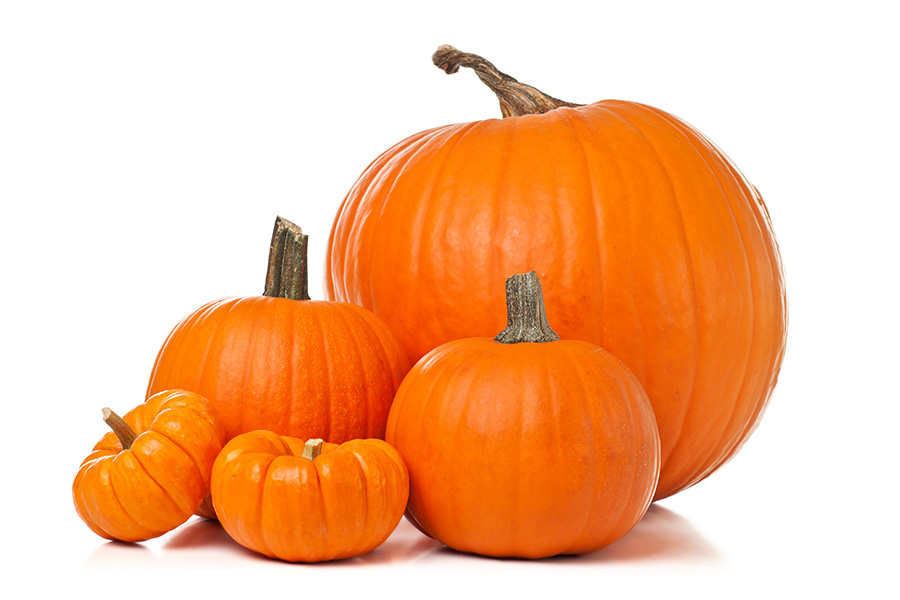
C 1206
Homegrown Pumpkins
While pumpkins are edible and grown for both their flesh and seeds, they are more commonly used as fall decorations. This member of the cucurbit family can be found in a variety of shapes, sizes, and colors. While pumpkins are not very difficult to grow, they do require a substantial amount of space for their sprawling vines. Selecting the right cultivar and following good cultural practices are key to successfully growing pumpkins.
|
-
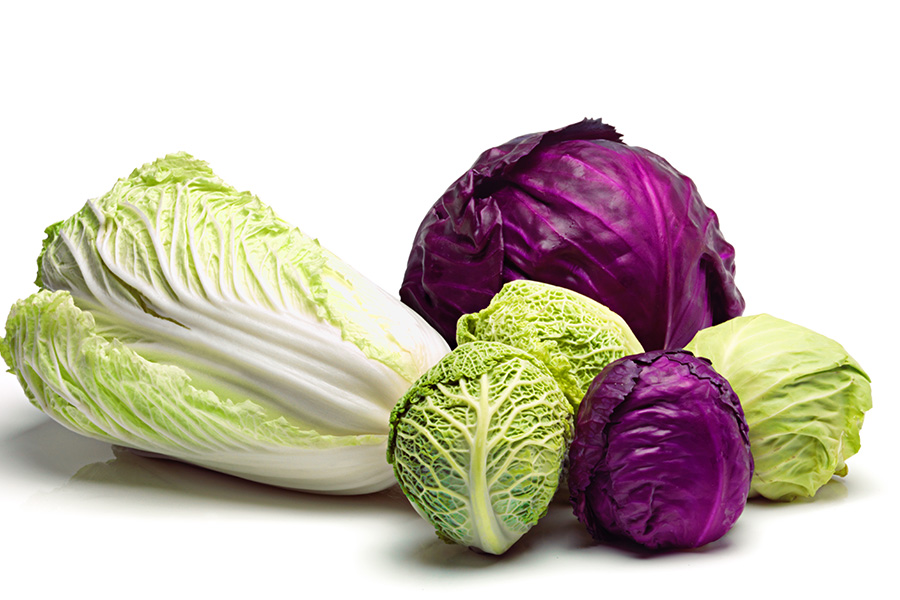
C 1218
Homegrown Cabbage
Cabbage (Brassica oleracea var. capitate) is a cool-season vegetable that is a member of the cole crop family. There are several types of cabbages available to grow, and they can all be eaten raw or cooked in a variety of ways. This publication covers the basics of how to grow cabbage in the home garden, including selection, planting, and maintenance information for growing this popular vegetable.
|
-
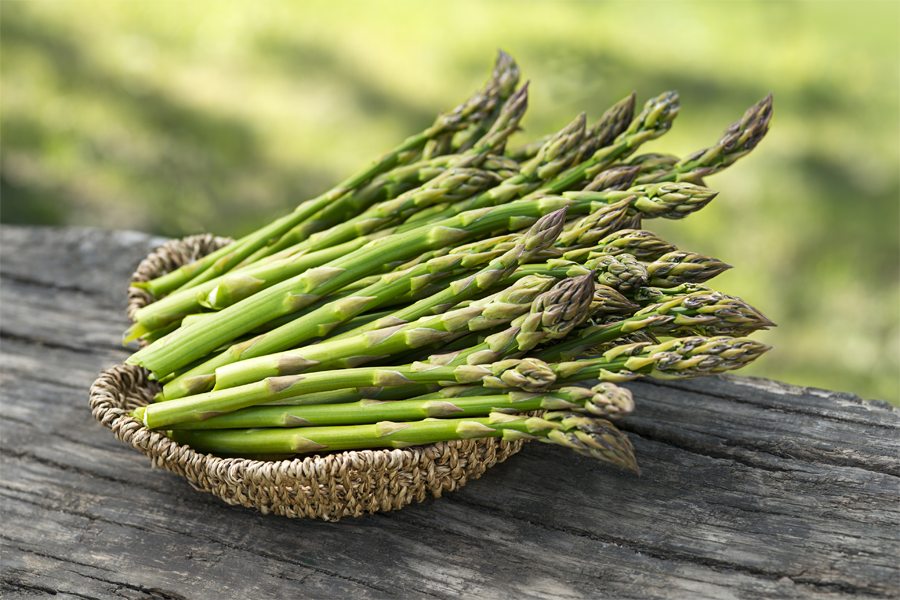
C 1026
Home Garden Asparagus
For gardeners who are willing to put in a little effort and have some patience, asparagus can be a rewarding and delicious vegetable to grow. This publication explains how to grow asparagus in a home vegetable garden.
|
-

This publication provides information on variety types, suggested vegetable varieties for organic production, and steps to saving your own seed.
Organic farming and vegetable production are becoming increasingly popular. Nationally, organic sales have increased 80% since 2007, organic produce has a wholesale value typically twice that of conventional produce, and 75% of organic products are sold within 100 miles of the farm. These facts suggest that there is a tremendous market potential for organic vegetables in Georgia, yet organic production remains only a fraction of conventional vegetable production. Because of our humid subtropical climate, organic production in the Southeast is continually challenged by intense disease, insect and weed pressure. The purpose of this guide is to detail the importance of varietal selection for organic growers.
|