Gardening Resources
-
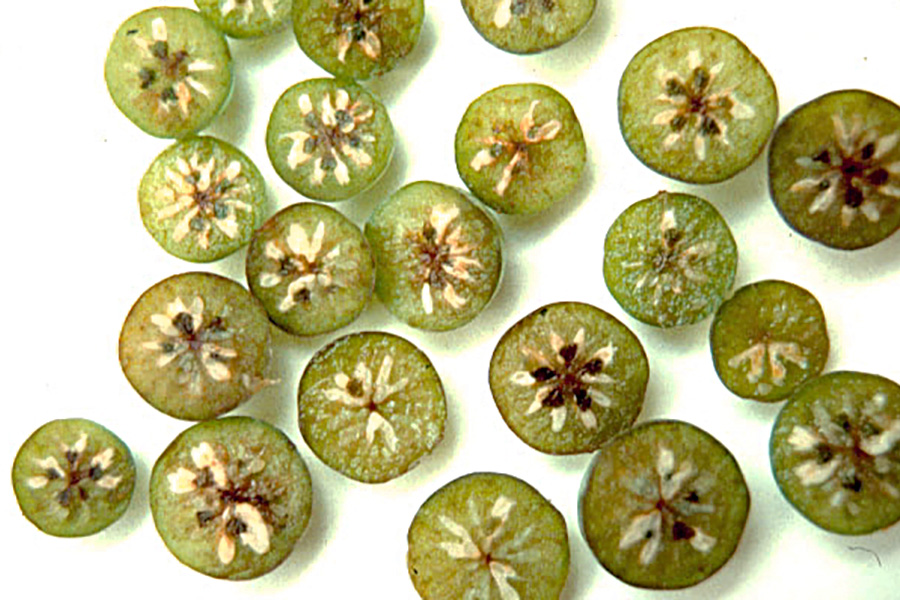
This publication is intended to be used as a pictorial diagnostic guide to identify the most common diseases seen on fruits grown in home landscapes, gardens, and/or orchards in Georgia. Use this guide as a supplemental resource and/or reference to the Homeowner Edition of the Georgia Pest Management Handbook.
|
-
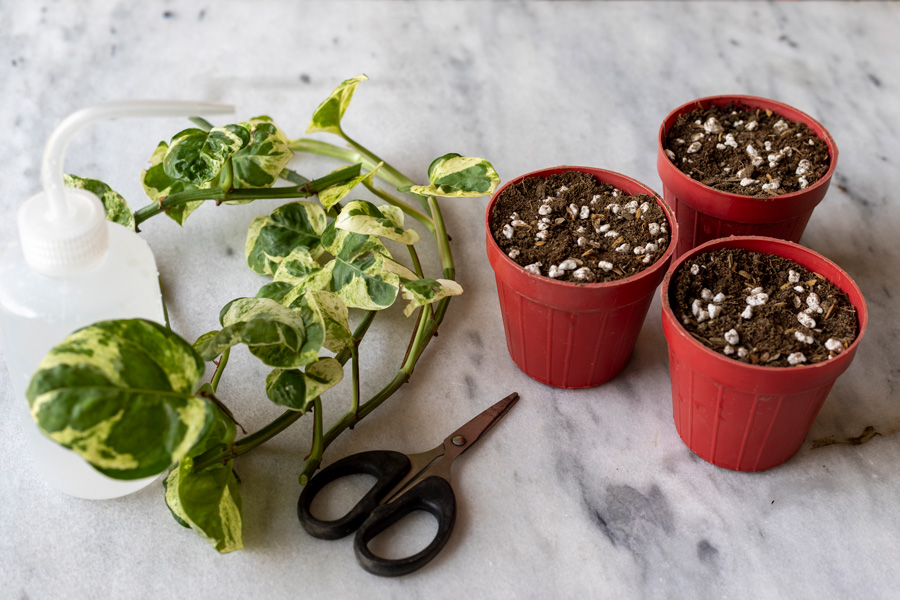
This publication shows home gardeners how to propagate many of their favorite landscape plants from cuttings at a home garden scale, using tools and resources available to them.
|
-
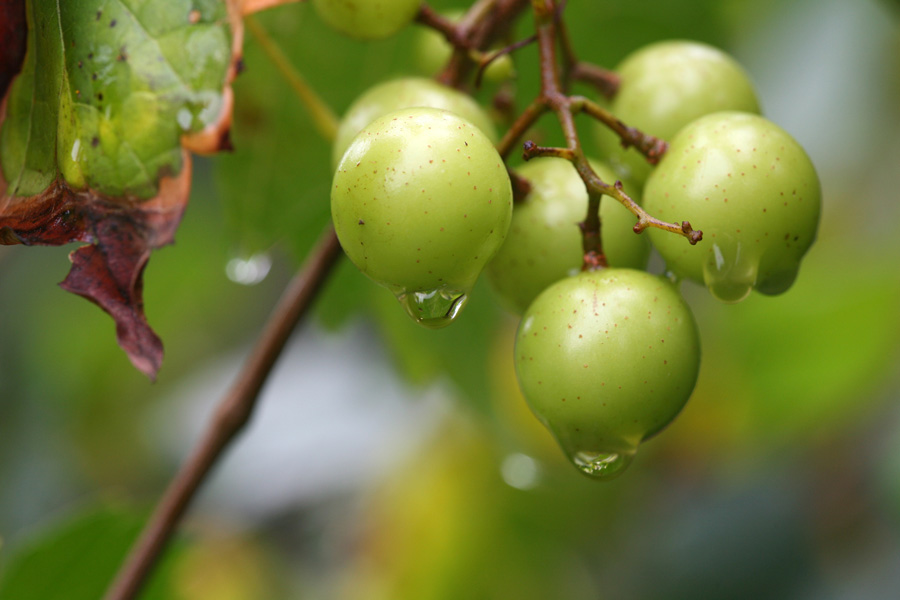
C 949
Home Garden Muscadines
Muscadines are truly a fruit for the south. Although muscadines can be grown successfully in most parts of the state, they are best adapted to the Piedmont and Coastal Plain areas.
|
-
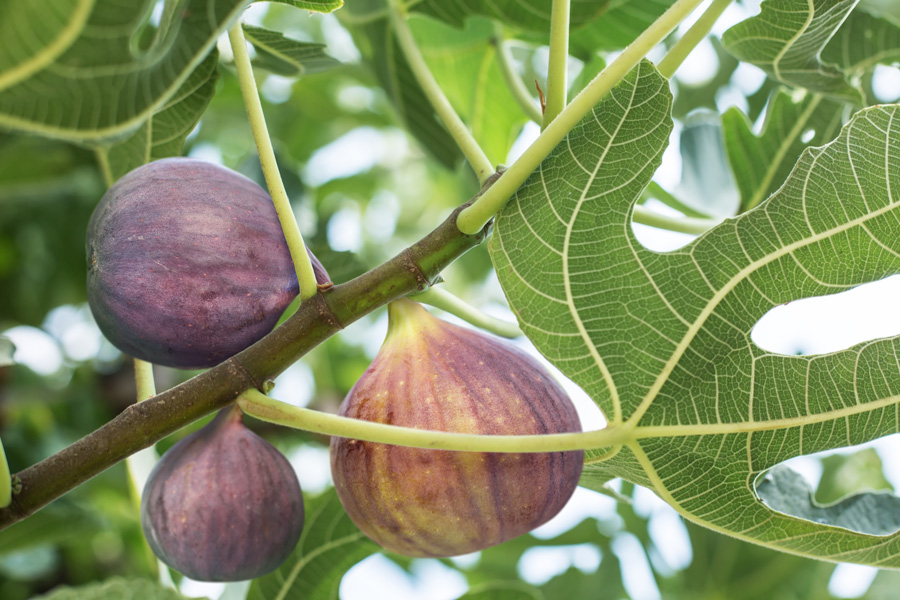
C 945
Home Garden Figs
This resource provides information on how to best grow figs in Georgia. Figs will do well in most parts of Georgia except the mountainous areas.
|
-
C 1258
Fall Vegetable Gardening
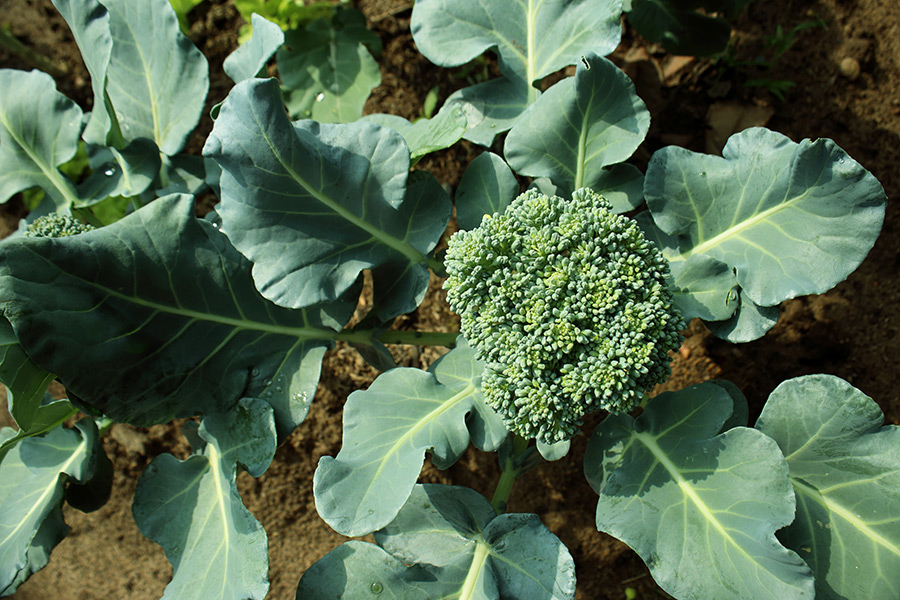
This publication covers fall vegetable production including planting dates, spacing, general culture of cool-season vegetables planted in Georgia in the fall. Many people consider the end of summer to be the end of gardening season. However, there is a whole other world of vegetables that can be planted in the fall garden in Georgia. Temperatures are milder, and there generally are fewer insects and diseases to contend with when planting in the fall. Cool-season vegetables are ironically planted in the late-summer heat, but thrive as they mature during cooler temperatures as the season progresses. Whether you choose to plant only a cover crop or to try your hand at some cool-season vegetables, planting for the fall growing season will keep your garden productive all year long.
|
-
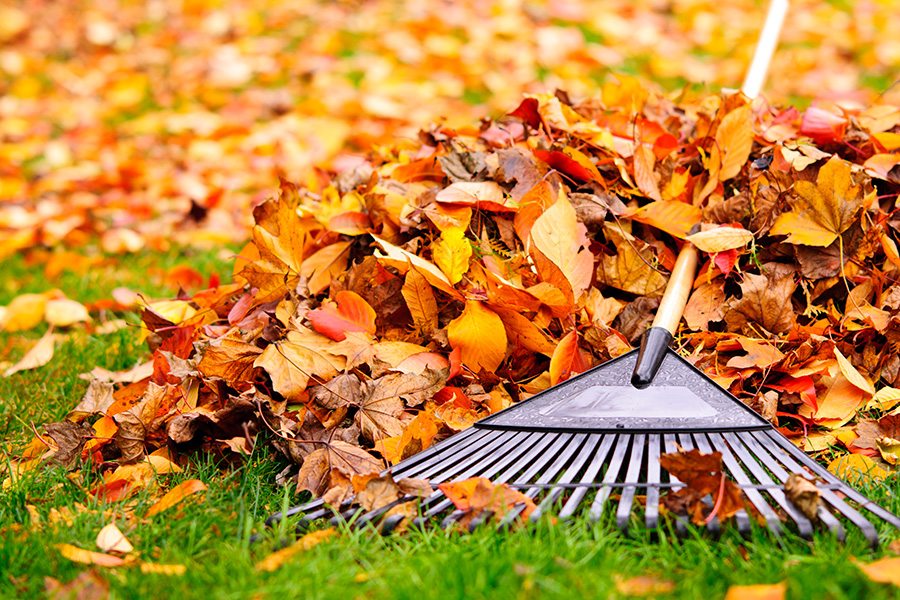
This publication is an annually-updated guide to fall gardening information and resources for Georgia. Topics include planting tall fescue lawns, soil bag flower beds, planting pansies like the pros, planting collards, turnips and cabbage, planting a home fruit orchard, mulching with leaves, gardening chores, cleaning and storing garden tools, treating for fire ants, and additional resources.
|
-

C 576
Dahlias
Dahlias are among the most spectacular flowers you can grow in your garden. Hundreds of varieties are available, with flower sizes ranging from 1 to 14 inches in diameter. Almost any color except true blue can be produced in Georgia. In exchange for their beauty, dahlias require dedicated care. Most of them need special soil preparation, staking, watering during dry periods, disbudding, and a strict insect control program. Use this resource to successfully grow your own dahlias in Georgia.
|
-
C 1027-1
Planning an Edible Garden
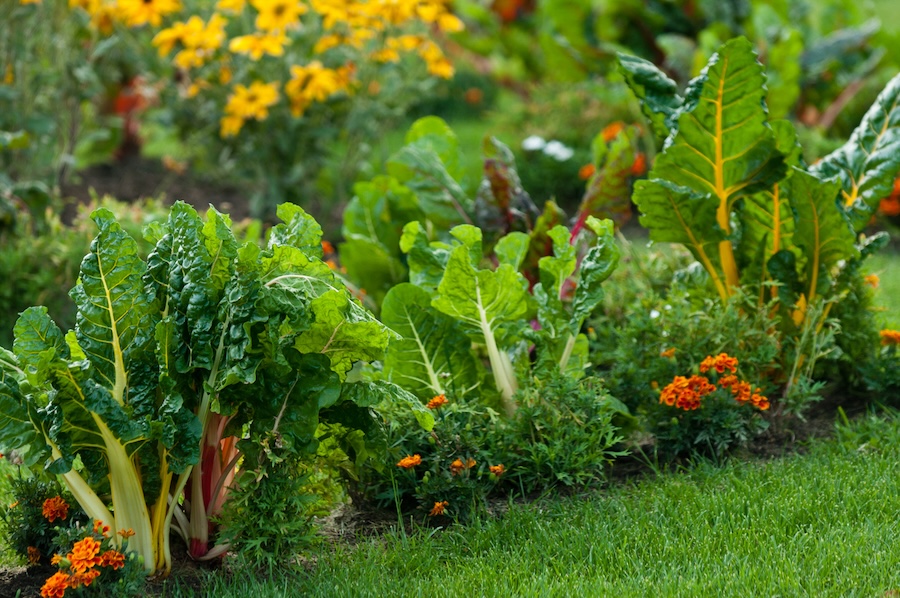
This publication describes three steps for planning a school garden: garden location, soil and terrain, and choosing crops.
|
-
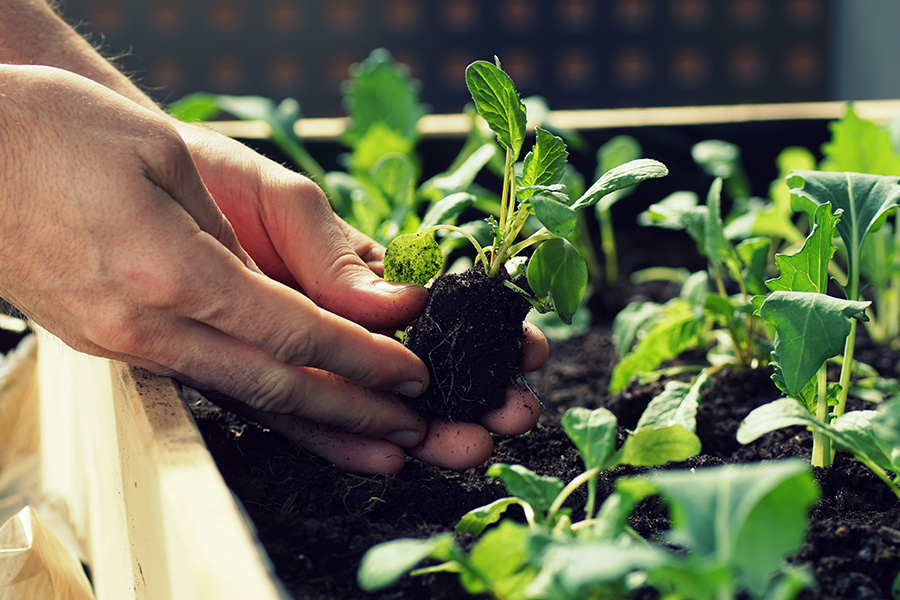
Plant diseases can be a significant problem in home gardens. Most vegetables are susceptible to a number of diseases. Home gardeners can reduce the occurrence of many diseases with sound cultural practices. This publication discusses managing diseases in the home vegetable garden.
|