General Agriculture Resources
-
The commercial citrus industry in Georgia has only recently been established, with most groves planted after 2014. Initially, satsuma mandarins (Citrus unshiu) on trifoliate rootstocks (Poncirus trifoliata) were planted for their cold-hardiness, seedlessness, and ease of peeling. Satsuma fruits begin to attain commercial maturity in early November and usually avoid hard freezes in southern Georgia. As of 2022, approximately 75% of the 3,300 acres of citrus planted in Georgia are satsumas, but that proportion is trending downward. To strengthen the new Georgia citrus industry, growers recently have begun to diversify their citrus varieties. Little is known about how these varieties will perform under Georgia weather and soil conditions. Therefore, research is necessary to determine what varieties can best tolerate Georgia’s winter weather and to determine cultural norms such as maturation time, fruit quality, and insect and disease tolerance. This publication is associated with Circular 1275, the initial publication containing reference photos for the varieties tested.
|
-

Drip irrigation is an important component of vegetable production systems in Georgia. Drip irrigation is more desirable than other irrigation methods for several reasons. Two important advantages are (1) water conservation and (2) potentially significantly improving fertilizer management. Fertigation is the timely application of small amounts of fertilizer through drip tubes directly to the root zone. Compared to conventional ground application, fertigation improves fertilizer efficiency.
|
-

Composting is the controlled biological process of decomposition and recycling of organic material into a humus-rich soil amendment known as compost. Mixed organic materials such as manure, yard trimmings, food waste and biosolids must go through a controlled heat process before they can be used as high quality, biologically stable and mature compost (otherwise it is just mulch, manure or byproduct). Compost has a variety of uses and is known to improve soil quality and productivity as well as prevent and control erosion.
|
-
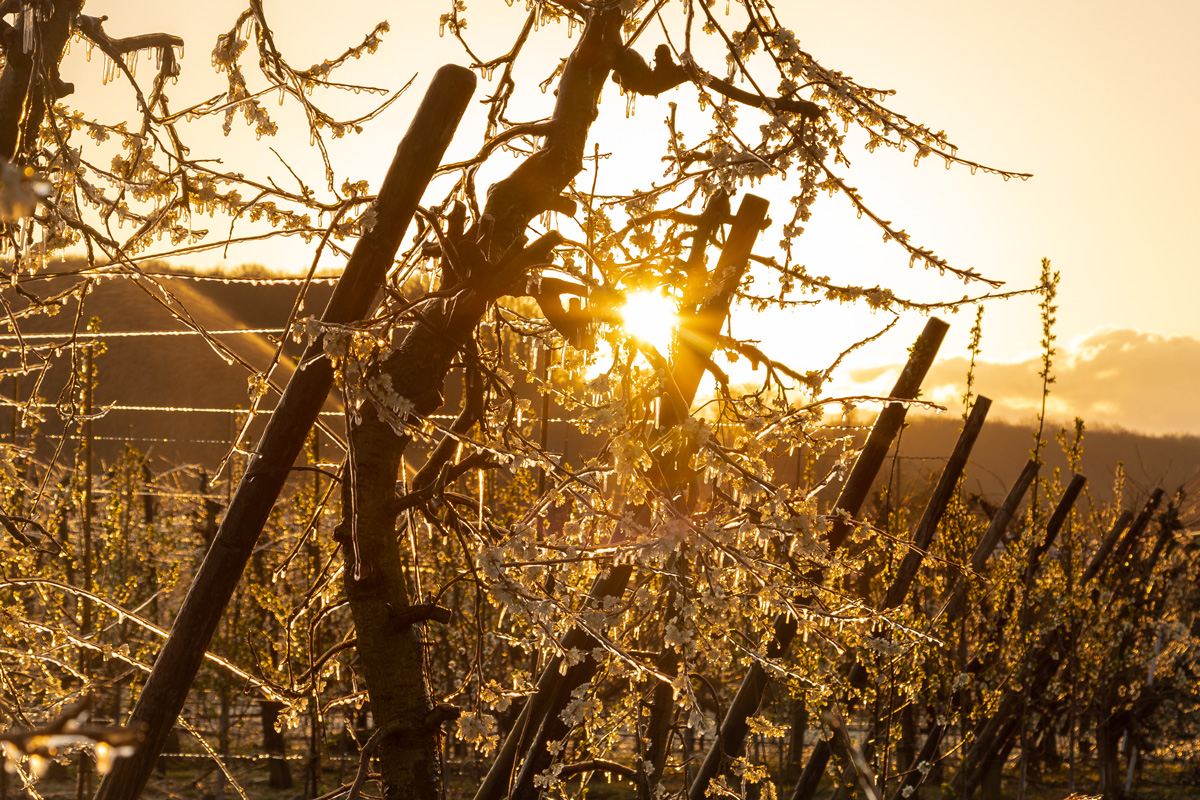
Freeze protection efforts should be based on the type of freeze, temperature, and wind speed that is impacting your crop. To apply frost protection, consider your crop value, the freeze protection capacity of your system, and the crop’s susceptibility to injury at each growth stage.
|
-

This publication provides information on variety types, suggested vegetable varieties for organic production, and steps to saving your own seed.
Organic farming and vegetable production are becoming increasingly popular. Nationally, organic sales have increased 80% since 2007, organic produce has a wholesale value typically twice that of conventional produce, and 75% of organic products are sold within 100 miles of the farm. These facts suggest that there is a tremendous market potential for organic vegetables in Georgia, yet organic production remains only a fraction of conventional vegetable production. Because of our humid subtropical climate, organic production in the Southeast is continually challenged by intense disease, insect and weed pressure. The purpose of this guide is to detail the importance of varietal selection for organic growers.
|
-
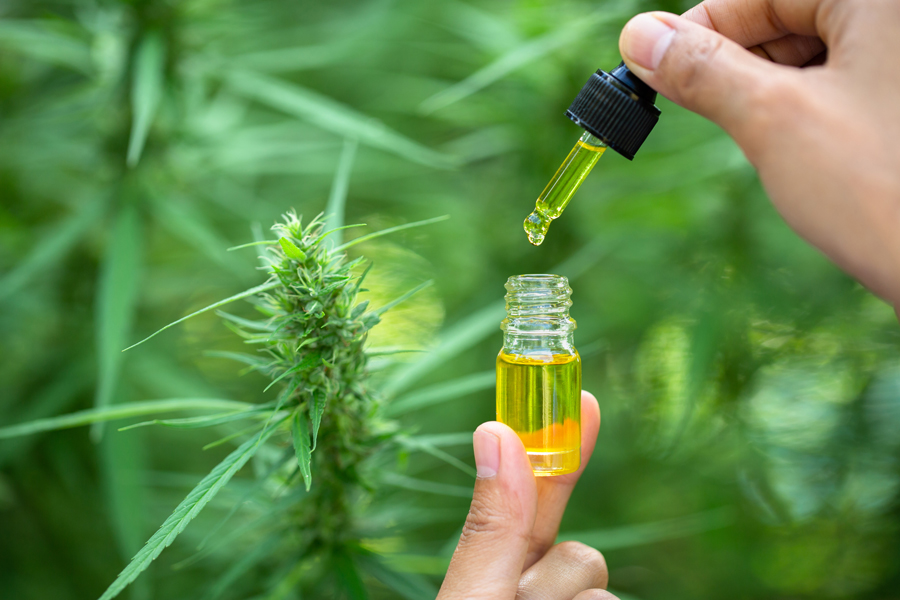
With the passage of the 2018 U.S. Farm Bill, industrial hemp (Cannabis sativa L.) was declassified as a Schedule I drug and is now legal (with restrictions) for production in the United States. Hemp and marijuana are both Cannabis sativa but are distinguished from each other based on the concentration of the psychoactive compound, tetrahydrocannabinol (THC). Industrial hemp is defined by law as a cannabis plant with total THC concentrations on a dry weight basis of less than 0.3% (+/- a measurement of uncertainty). This publication provides a basic overview of hemp testing for THC to stay in compliance with U.S. Department of Agriculture rules for hemp growers.
|
-
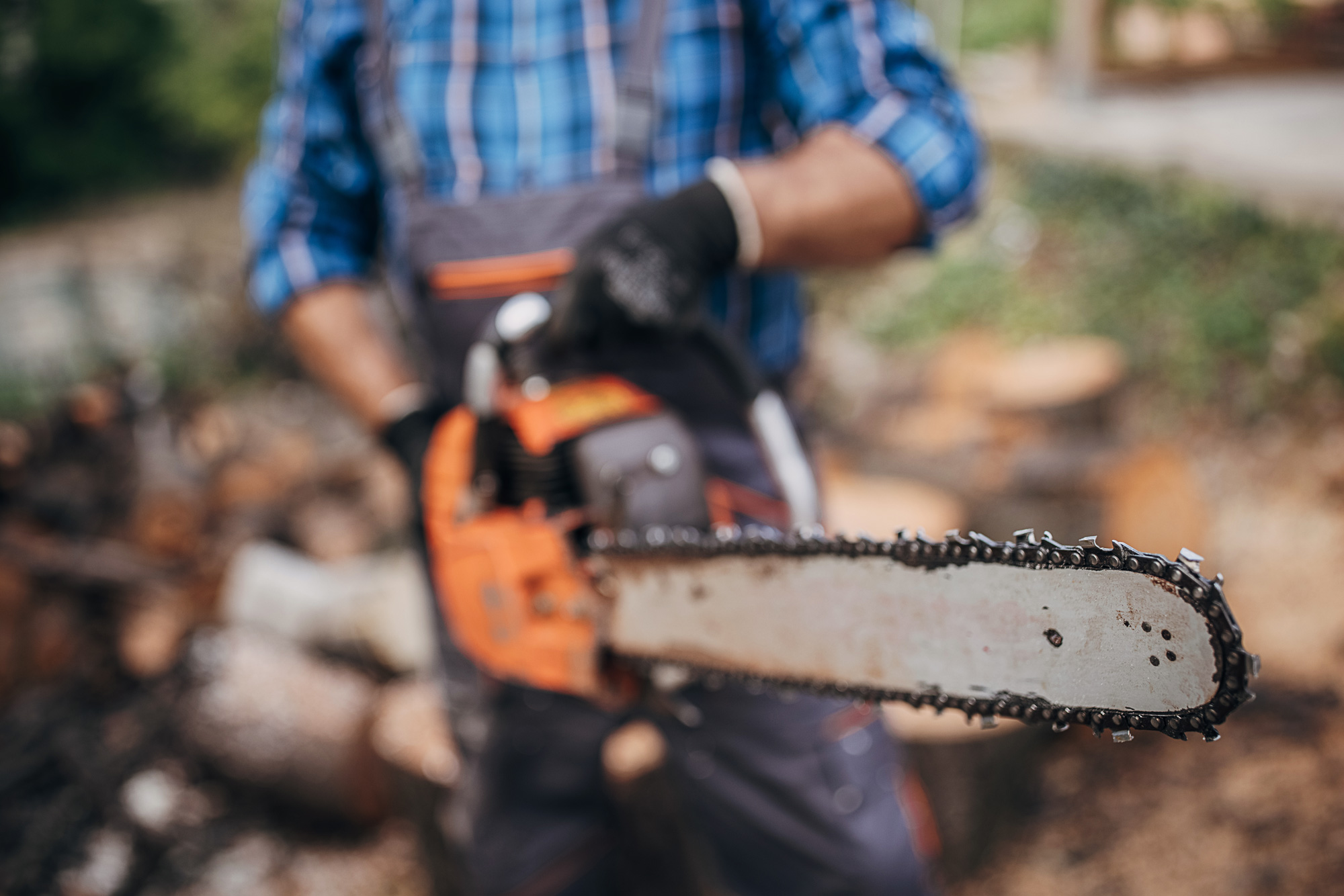
Many people help with tree cleanup after storms pass through. Some are citizen volunteers, and others are private and public sector workers who may or may not have experience with chainsaws. This presentation covers the information every chainsaw operator needs to know before turning on the saw. Topics include personal protective equipment, the five essential safety features of a chainsaw, safe carry, safe start, insect pests, site inspection, and electrical/electrocution hazards.
|
-
Muchas personas ayudan con la limpieza de los árboles después de las tormentas. Algunos son ciudadanos voluntarios; otros son trabajadores del sector público y privado que pueden o no tener experiencia con motosierras. Este PowerPoint cubre la información que todo operador de motosierra necesita saber antes de encender la motosierra. Los temas incluyen equipo de protección personal, las cinco características esenciales de seguridad de una motosierra, transporte seguro, arranque seguro de la motosierra, plagas de insectos, inspección del sitio y riesgos con electricidad/electrocución.
|
-

C 1199
Storm Damaged Tree Cleanup
Trees are often damaged in storms and can be extremely dangerous to clean up. Storm damaged trees are subject to all the perils associated with tree felling and much more. Working conditions may be difficult. Downed trees may be entangled in other trees, or tossed on buildings, vehicles, or wires. Energy stored in compressed limbs and trunks can be release suddenly, explosively, and fatally. Each situation is unique and requires careful consideration. Application of the included five-step cutting plan will help keep the saw operator safe and working effectively.
|