General Agriculture Resources
-
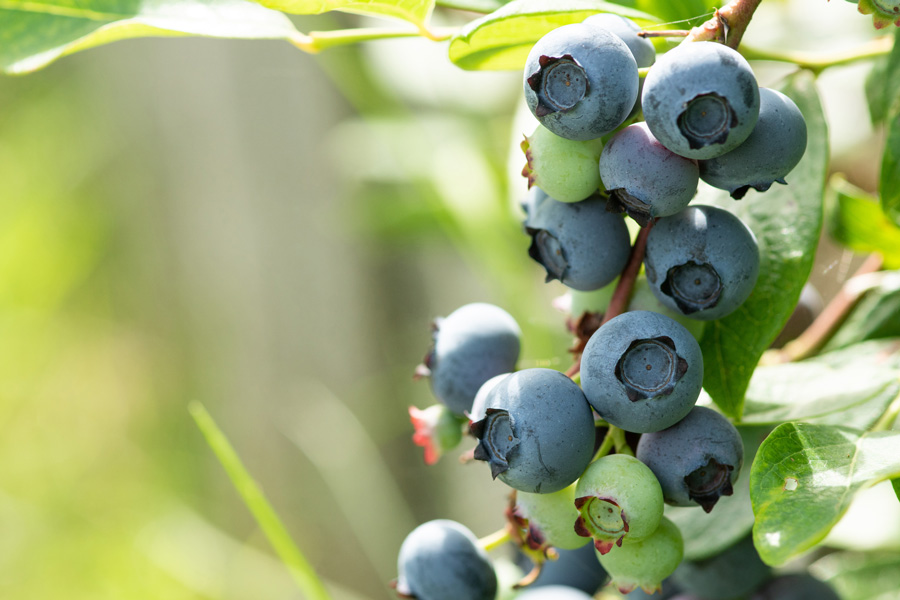
This publication provides updated (2023) Southeast-specific information on approved National Organic Program (NOP) disease and pest management options for blueberry production and addresses the issues most commonly encountered under the unique growing conditions of the Southeast U.S. This publication is not intended to provide all details on organic blueberry production, although it does include the production methods that reduce the impact of plant disease and pest issues. Emphasis in an organic system should be on cultural practices that reduce disease and pest pressure rather than pesticide applications. NOP-approved pesticides are usually less efficacious than conventional products. The pesticide label is the law and supersedes any information on pesticide use contained in this guide. Because environmental conditions and grower application methods vary widely, suggested use does not imply that performance of the pesticide will always conform to the pest control standards indicated by experimental data.
|
-

The Agricultural Act of 2018 (2018 U.S. Farm Bill) extended the nonrecourse marketing assistance loan (MAL) and loan deficiency payment (LDP) feature for the 2019 through 2023 crop years for upland cotton. This publication provides examples and a decision tree for choosing between the marketing assistance loan and loan deficiency payment program for cotton.
|
-
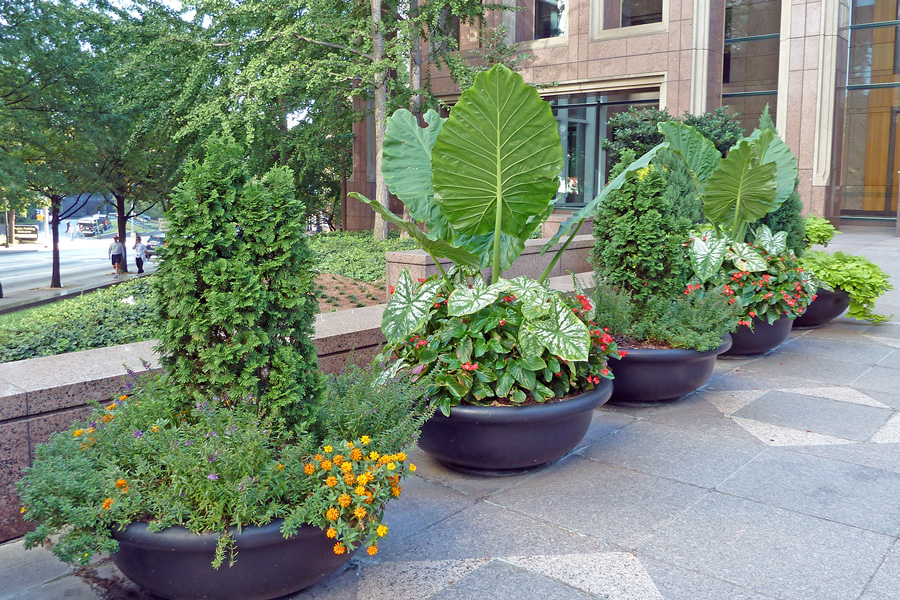
This publication offers information on types of plants suitable for mixed containers, with an emphasis on perennial and woody species and cultivars, as well as aesthetic qualities, cultural conditions and placement within the container.
|
-
AP 124-3
2023 Georgia Cotton Production Guide
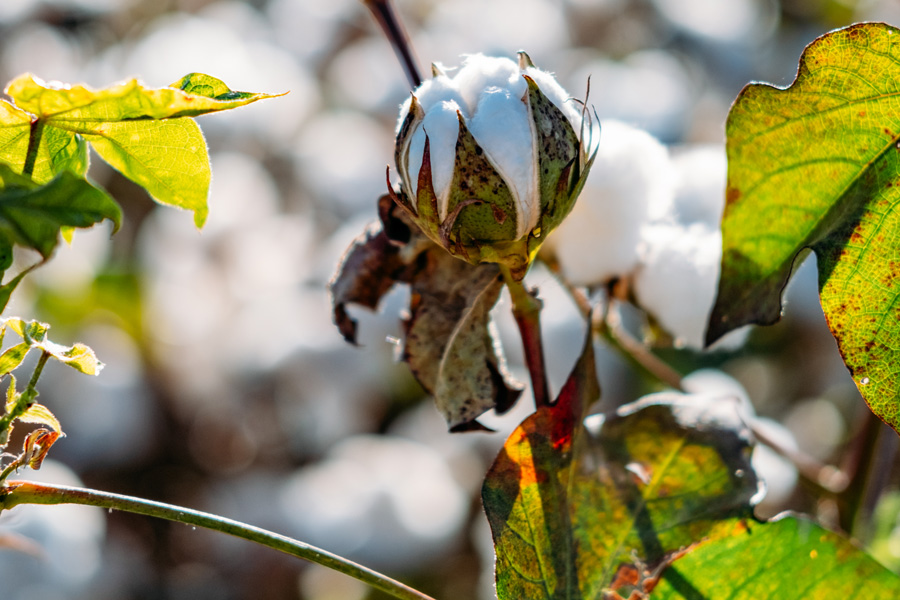
The 2023 edition of the cotton production guide provides an in-depth look at cotton production in Georgia and the Southeastern U.S. Issues discussed include economic outlook, fertility, weed management, insect management, disease and nematode management, irrigation decisions, precision ag technology, and general agronomics of the cotton crop (varieties, PGR applications, defoliation, etc.).
|
-
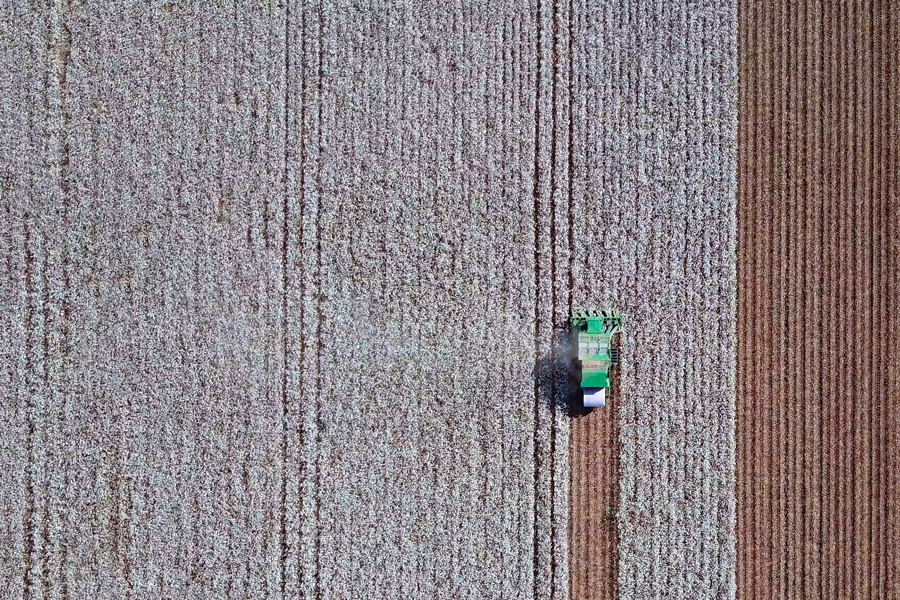
The Agricultural Act of 2018 (2018 U.S. Farm Bill) extended the cotton commodity loan programs for the 2019 through 2023 crop years. Cotton commodity loan programs include the marketing assistance loan (MAL) program and the loan deficiency payment (LDP) program. These programs provide cotton producers with alternative marketing tools during periods of low cotton prices. Cotton producers can receive marketing loan benefits in the form of marketing loan gains (MLG), loan deficiency payments (LDP), commodity certificate exchange gains, and forfeiture gains. Producers can participate in the MAL or obtain an LDP on all or part of their production at any time during the loan availability period, from harvest until May 31 of the following calendar year.
|
-

Starting a farming or commercial production enterprise requires more than knowledge of agriculture or livestock management. The business side of farming is a critical factor in the success and sustainability of the enterprise. This resource can help answer common questions that beginning farmers have about planning, licensing requirements, financing options, training, and more.
|
-
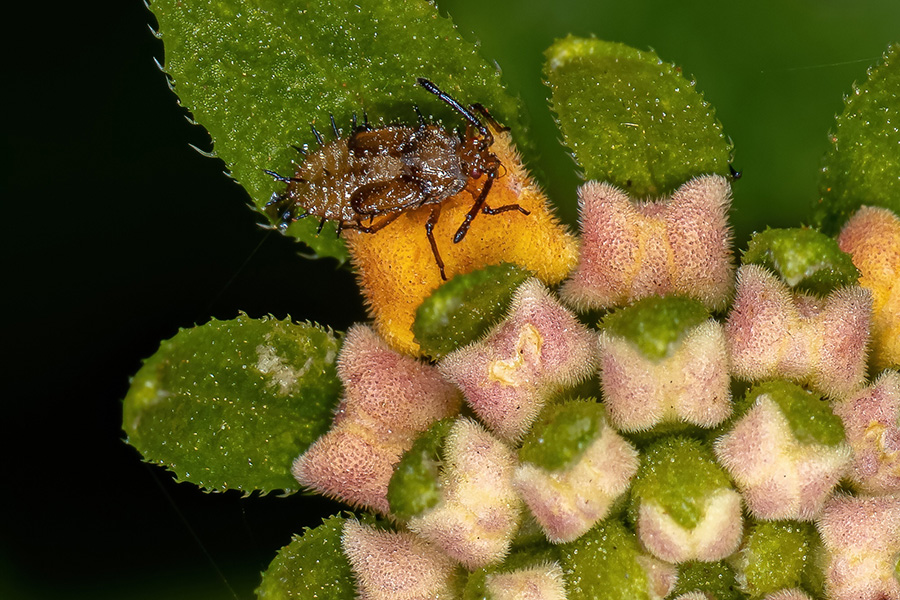
The lantana lace bug is a serious pest of lantana. Although lantana is regarded as an invasive weed both in the United States and worldwide, many popular cultivars continue to be planted in residential and public ornamental landscapes and gardens. Previously, the lantana lace bug was deliberately introduced to several countries as a biological control agent for lantana. This resource covers the identification, biology, symptoms, and management of lantana lace bugs.
|
-
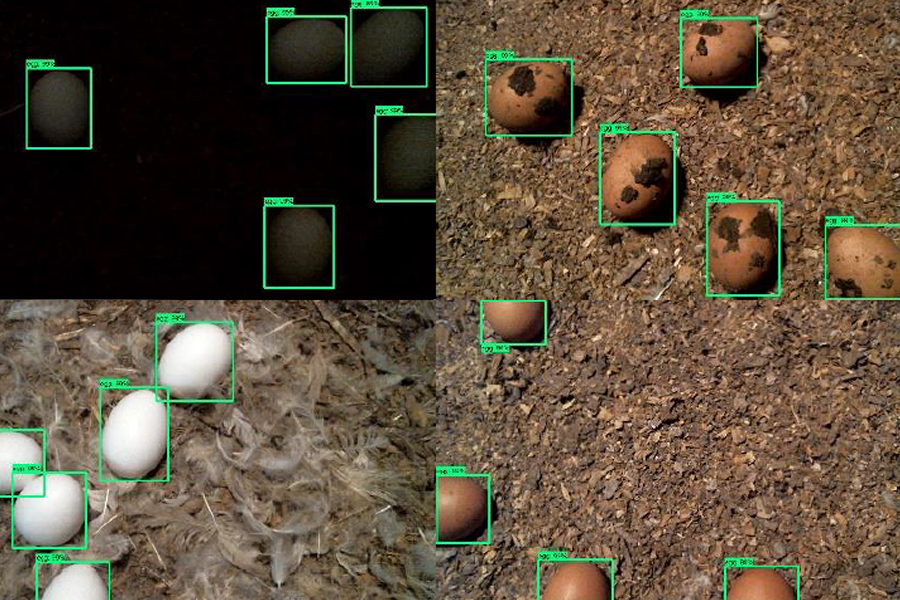
Researchers have investigated the issue of mislaid eggs in cage-free housing and the possibility of reducing the incidence of floor eggs through management of lighting, litter and bedding, and nesting space, and the use of robotics. Methods with potential for managing mislaid or floor eggs in cage-free layer houses can be summarized as follows: 1. House-lighting time management: In cage-free aviary systems, lighting management is used to help control floor-access time. According to observations in commercial cage-free layer houses, most floor eggs are laid at first light. Delaying floor access time in the morning may help reduce floor eggs by keeping the birds near the nests for the first few hours of light. 2. Light intensity and distribution: Make sure to provide sufficient light intensity evenly across the litter floor. Increasing the light intensity under the aviary system has been tested to be effective at reducing over 80% of floor eggs. 3. Bedding depth: Scratch areas covered with litter help reduce the risk of feather pecking and cannibalism, and minimize flightiness, for hens living in large flocks. However, deep litter attracts birds to lay eggs on the litter itself. According to research conducted at Iowa State University, reducing litter depth discourages hens from laying eggs on floor of commercial cage-free houses. 4. Nesting space: Nesting behavior is a key priority and important welfare indicator for egg production, so providing hens with safe and secure locations to lay eggs is critical. A good nesting design in cage-free systems facilitates egg collection, minimizes the risk of cloacal cannibalism, and assists food safety and sanitation.
|
