Green Living Resources
-
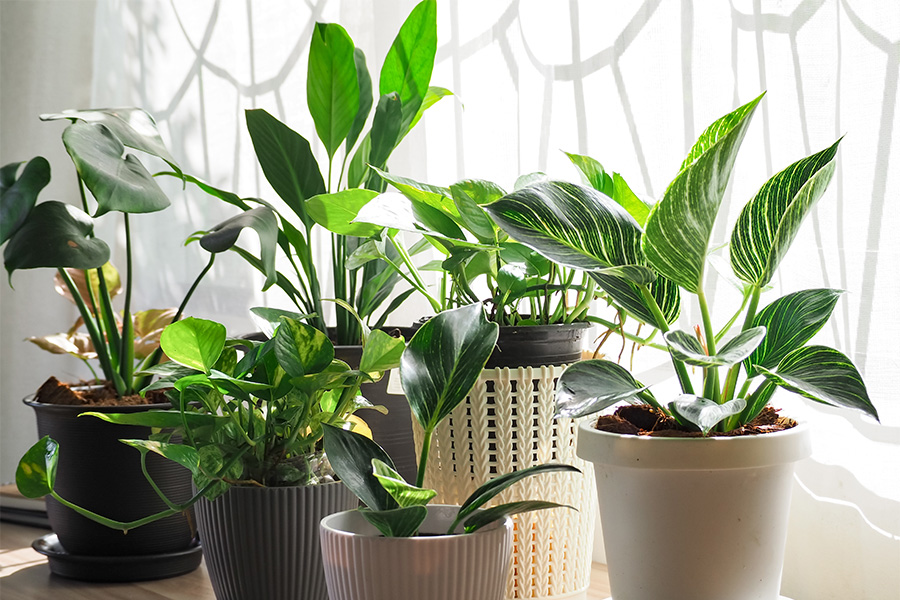
Interior plants are an ideal way to create attractive and restful settings while enhancing our sense of well being. In addition, houseplants can be a satisfying hobby and can help purify the air in our homes. To be a successful indoor gardener, you need to understand how the interior environment affects plant growth and how cultivation differs from growing plants outdoors.
|
-
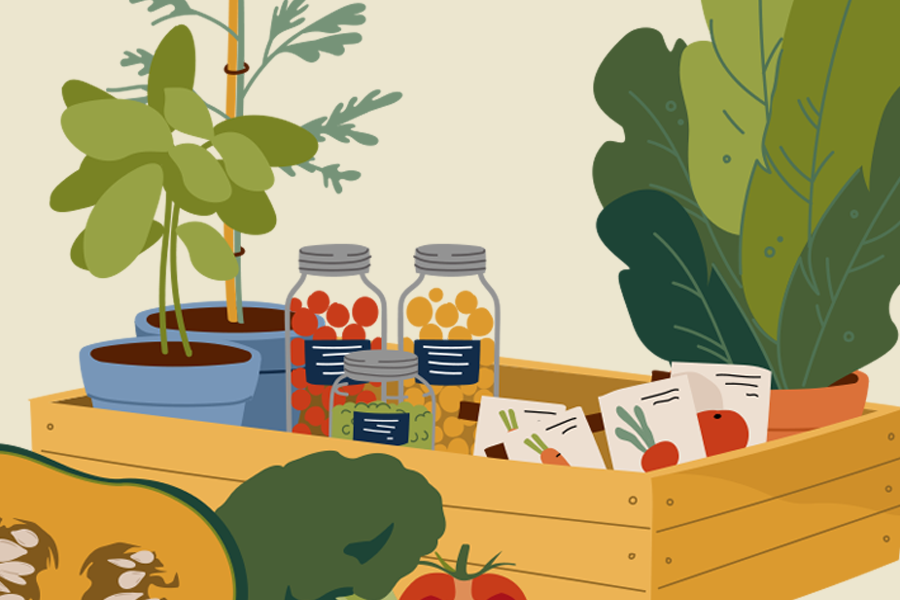
This resource describes the process of saving seeds, particularly for heirloom varieties in the Georgia garden. This guide is useful for both home gardens and school or community gardens.
|
-

People spend an average of 90 percent of their time indoors. Studies conducted by the Environmental Protection Agency (EPA) show levels of several common organic pollutants to be two to five times higher inside homes than outside. Many of these pollutants come from the volatile organic compounds (VOCs) released from household cleaning products. Indoor pollutants can be reduced by limiting the number of chemicals used indoors. By following three basic guidelines you can improve your indoor environment, save money, and help conserve natural resources.
|
-

With recent droughts and increased emphasis on water conservation, rainwater harvesting (RWH) has become an important alternative source for outdoor irrigation. RWH is the collection of runoff from roofs during a rainfall event. The water is conveyed through a gutter system, filtered and stored in a tank for later use. In Georgia, non-potable harvested rainwater can be an alternative water supply for uses such as washing vehicles, landscape irrigation, livestock and wildlife watering, cooling towers and toilet flushing.
|