UGA College of Agricultural & Environmental Sciences Field Report
  • Stories
    Almanac

    Science in service of humanity and the environment

    Read our annual magazine here

    READ


    Dive into engaging stories that showcase our statewide, national and global impact.

    Check out our written stories here

    LOOK


    Browse curated photo galleries capturing the people, places and programs that bring CAES to life.

    Check out our photo galleries here

    WATCH


    Experience our stories through videos that highlight our people, projects and passions in action.

    Check out our video library here

    LISTEN


    Tune in to “Cultivating Curiosity,” our podcast featuring in-depth conversations with CAES experts.

    Check out our podcast here
  • Expert Resources

    Expert Resources


    From farms and gardens to families and finances, our expert resources empower Georgians with trustworthy, practical science.

    Gardening
    Invasive species
    Food and food safety
    Ants, termites and other pests
    Pollinators
    Livestock
    Emergency preparedness
    Home safety and maintenance
    Health, family and finances
    Nutrition
    Water quality
    Lawn maintenance and landscaping
    Turfgrass
    View all topics

    What is an Expert Resource?


    We publish unbiased, research-backed expert advice to empower Georgians with practical, trustworthy information they can trust.

    These resources are written and reviewed by experts in the UGA College of Agricultural and Environmental Sciences and the UGA College of Family and Consumer Sciences.

    Learn how we produce science you can trust
  • People
  • Events
  • Contact
  • Read
  • Look
  • Watch
  • Listen
Subscribe
  • LinkedIn
  • Facebook
  • Instagram
  • Stories
    Almanac

    Science in service of humanity and the environment

    Read our annual magazine here

    READ


    Dive into engaging stories that showcase our statewide, national and global impact.

    Check out our written stories here

    LOOK


    Browse curated photo galleries capturing the people, places and programs that bring CAES to life.

    Check out our photo galleries here

    WATCH


    Experience our stories through videos that highlight our people, projects and passions in action.

    Check out our video library here

    LISTEN


    Tune in to “Cultivating Curiosity,” our podcast featuring in-depth conversations with CAES experts.

    Check out our podcast here
  • Expert Resources

    Expert Resources


    From farms and gardens to families and finances, our expert resources empower Georgians with trustworthy, practical science.

    Gardening
    Invasive species
    Food and food safety
    Ants, termites and other pests
    Pollinators
    Livestock
    Emergency preparedness
    Home safety and maintenance
    Health, family and finances
    Nutrition
    Water quality
    Lawn maintenance and landscaping
    Turfgrass
    View all topics

    What is an Expert Resource?


    We publish unbiased, research-backed expert advice to empower Georgians with practical, trustworthy information they can trust.

    These resources are written and reviewed by experts in the UGA College of Agricultural and Environmental Sciences and the UGA College of Family and Consumer Sciences.

    Learn how we produce science you can trust
  • People
  • Events
  • Contact
  • Read
  • Look
  • Watch
  • Listen
Subscribe
  • LinkedIn
  • Facebook
  • Instagram
Subscribe
  • LinkedIn
  • Facebook
  • Instagram
  1. Home
  2. Expert Resources
  3. Topics
  4. Food
  5. Handling and Preparing

Handling and Preparing Resources

Use the Advanced Search
  • C 1323-07

    Modifying Recipes for Healthier Results

    Eating healthier doesn’t have to mean giving up your favorite recipes. Some special recipes served only on occasion may be better left alone, like your grandmother’s special coconut cake. Recipes you make more often might be worth modifying to make them healthier and aligned with your current health goals.

    Christa Anderson Campbell, Beth Kindamo, and Ali Berg

    |

    May 7, 2025
  • C 1323-10

    Cooking and Baking with Sugar Substitutes

    All carbohydrates are broken down into simple sugars, like glucose, during digestion. Controlling blood glucose is one of the primary goals in diabetes management. People with diabetes may desire to lower their carbohydrate, added sugar, and calorie intake by using sugar substitutes, including low-calorie or no-calorie sweeteners. These can come from natural sources, like stevia and monk fruit, or be synthesized in a laboratory, like sucralose, aspartame, and saccharin.

    Beth Kindamo and Ali Berg

    |

    May 7, 2025
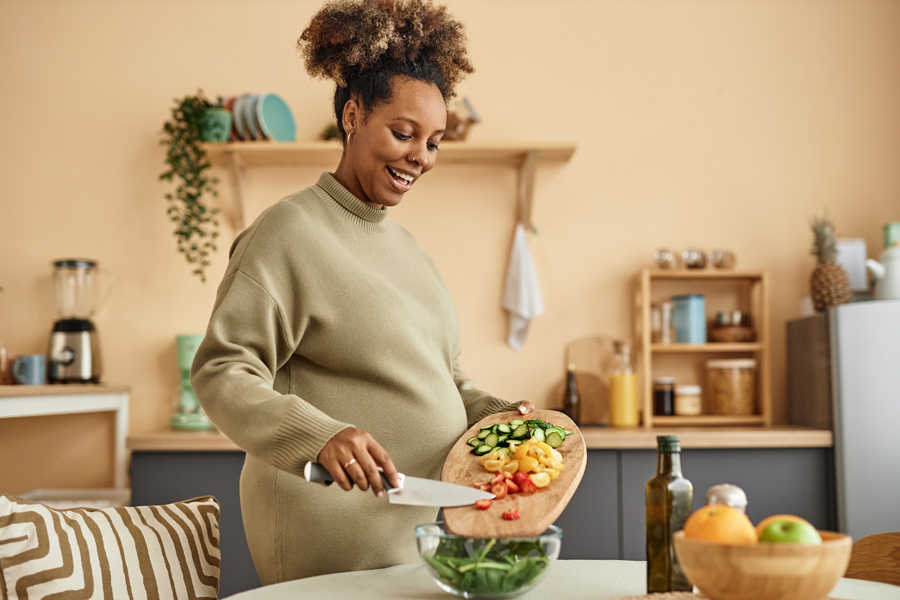
  • A woman holds a cutting board and a knife and is moving vegetables from the cutting board into a bowl.

    C 1321

    Food Safety During Pregnancy: 4 Essential Steps to Protect Mom and Baby From Foodborne Illness

    Pregnancy is a time of change, and moms-to-be have a lot to think about, for themselves and for their babies. Food safety and preventing foodborne illness (sickness caused by contaminated foods) is very important during this time. There are four easy steps that pregnant women and their families can take to protect themselves and their babies and prevent foodborne illness.

    Sarah Henes

    |

    Jan. 7, 2025
  • C 1334

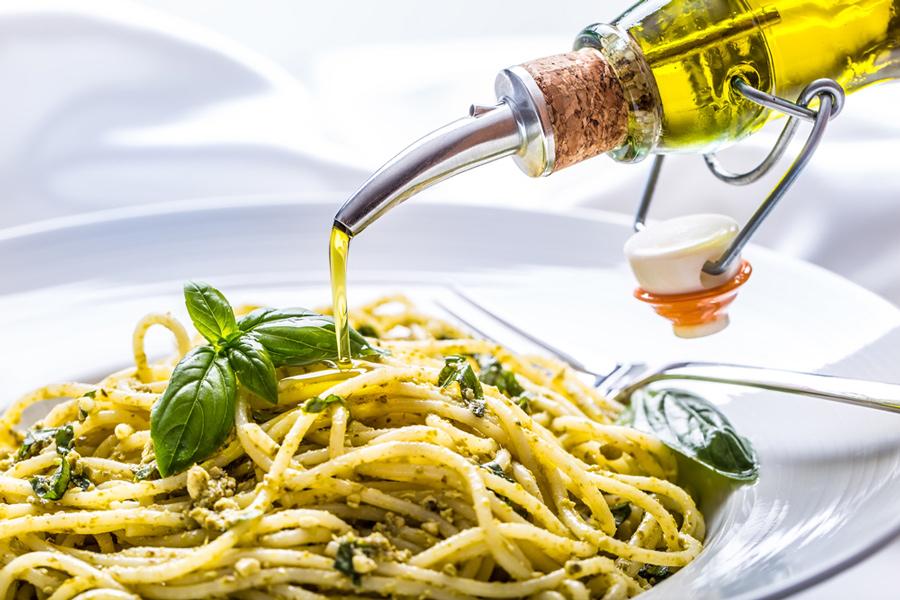
    How to Safely Make Infused Oils: Best Practices for Food Safety

    Making homemade infused cooking oils comes with food safety risks, particularly for those infused with garlic and herbs. Infused oils can enhance flavor and food presentation, but the combination of oil, garlic, and herbs creates an anaerobic (low-oxygen) environment, which is ideal for the growth of the bacteria that causes botulism, which can produce a deadly neurotoxin. The publication provides essential safety tips, such as sterilizing containers and thoroughly washing and drying ingredients, to prevent contamination and ensure safe oil infusion. By following these guidelines, home food preservers can create flavorful infused oils without compromising safety.

    Carla Luisa Schwan

    |

    Dec. 17, 2024
  • C 1309

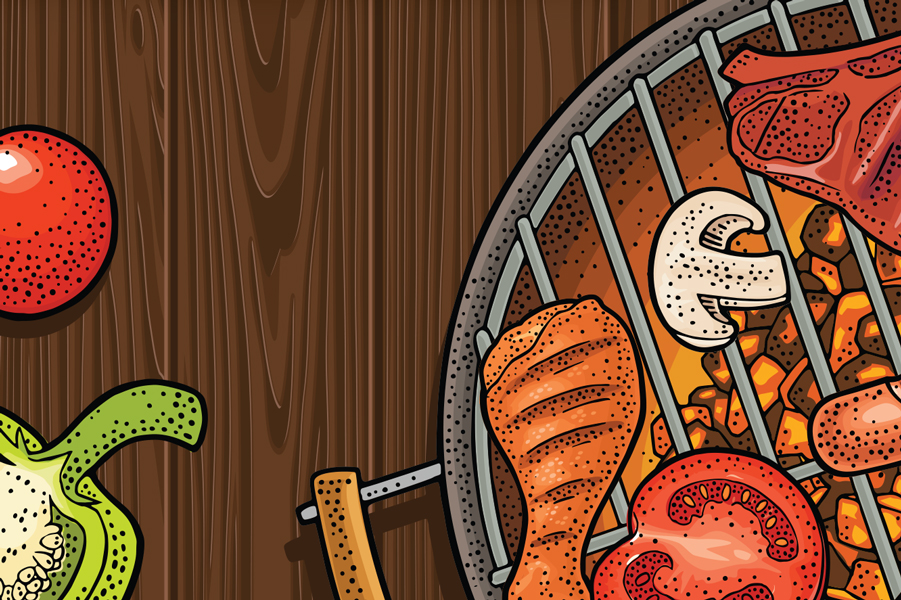
    Grill & Chill: Unleash Flavor Safely with Outdoor Cooking and Grilling

    Whether you are a seasoned griller or a beginner, this guide has you covered with the top 10 tips for a safe and delicious experience. Learn how to prevent foodborne illnesses, reduce food waste, and enhance your outdoor cooking experiences. This publication will show you how to keep your friends and family safe, promote sustainability, and ensure a worry-free and enjoyable time while grilling and chilling outdoors. Happy grilling!

    Carla Luisa Schwan, Ines Beltran, and Kris Ingmundson

    |

    June 14, 2024
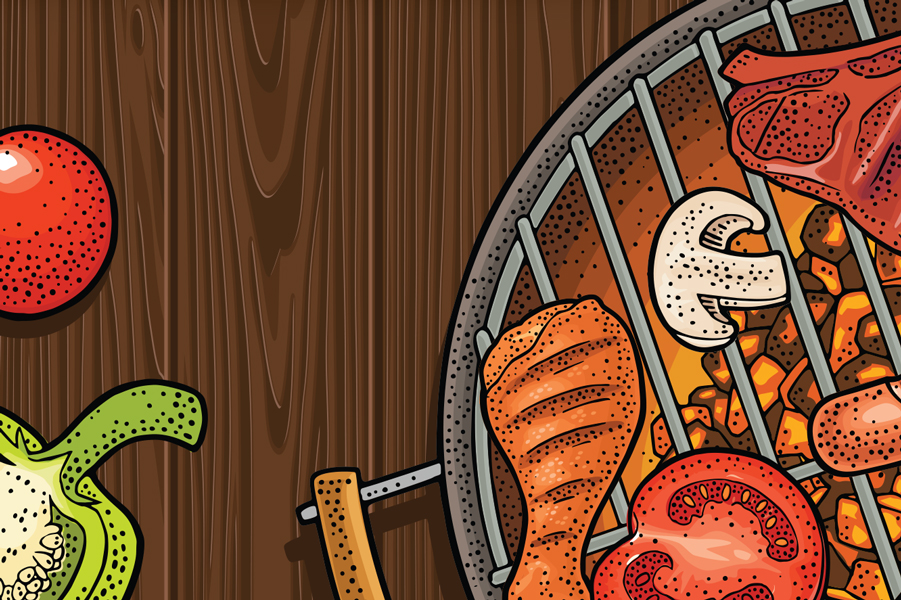
  • C 1309-SP

    Asar y enfriar: ¡Libere el sabor de las comidas de forma segura al cocinar y asar al aire libre!

    Garantice la seguridad alimentaria durante sus aventuras culinarias al aire libre este verano. Ya sea que sea un asador experimentado o un principiante, esta guía lo cubre con los 10 mejores consejos para una experiencia segura y deliciosa. Desde planificar su menú y comprar ingredientes frescos hasta manipular, cocinar, servir y manejar las sobras, la publicación brinda orientación paso a paso. Aprenda cómo prevenir enfermedades transmitidas por los alimentos, reducir el desperdicio de alimentos y mejorar sus experiencias de cocina al aire libre. Esta publicación le mostrará cómo mantener seguros a sus amigos y familiares, promover la sostenibilidad y garantizar un momento agradable y sin preocupaciones mientras hace parrilladas y se relaja al aire libre. ¡Feliz parrillada! [Spanish-language version of C 1309 Grill & Chill]

    Carla Luisa Schwan, Ines Beltran, and Kris Ingmundson

    |

    June 14, 2024
  • C 1226

    Food Safety Tips for Preparing a Holiday Turkey

    Read about safe thawing, cooking, and storing a turkey, including current estimates of the time needed for safe thawing and cooking. Because bacteria can multiply rapidly at room temperature, never defrost a turkey on the counter! The cold water and microwave methods may be used when you don’t have time to thaw your turkey in the refrigerator. Whole poultry is safe when the meat is cooked to a minimum internal temperature of 165 °F as measured with a food thermometer. All turkey meat, including any that remains pink, is safe to eat as long as all parts reach at least 165 °F.

    Carla Luisa Schwan

    |

    Nov. 11, 2022
  • Developing a Food Safety Plan for Acid / Acidified Foods

    B 1541

    Developing a Food Safety Plan for Acid / Acidified Foods

    This bulletin provides the scientific basis and food-safety framework for developing a food safety plan for acid/acidified foods. This includes practical food-safety examples for the acidified foods, including foundational support of a recordkeeping system and forms. Learning how to develop a process-flow diagram, developing recordkeeping forms, and applying food-safety principles during acid/acidified-food production will provide a processor with a better understanding of how a systematic approach to food-safety principles should be applied during the production, processing, packaging, storage, and distribution of acid/acidified foods. This publication contains information on how to develop a plan, including FDA requirements for developing a food safety plan, and sample recordkeeping forms to guide an acid/acidified food processor to safely process, package, and distribute acidified foods in commerce.

    Anand Mohan

    |

    Feb. 17, 2022
Previous Page
1 2 3

About CAES

CAES Home

Overview

History

Administration

Jobs

Personnel Directory

Privacy Policy

Accessibility Policy

AI Guidelines

Affiliations

UGA Cooperative Extension

Tifton Campus

Griffin Campus

University of Georgia
  • Schools and Colleges
  • Directory
  • MyUGA
  • Employment Opportunities
  • Copyright and Trademarks
  • UGA Privacy Policy
  • Report an Accessibility Barrier
  • Submit a Student Complaint
#UGA on
© University of Georgia, Athens, GA 30602
706‑542‑3000