Handling and Preparing Resources
-
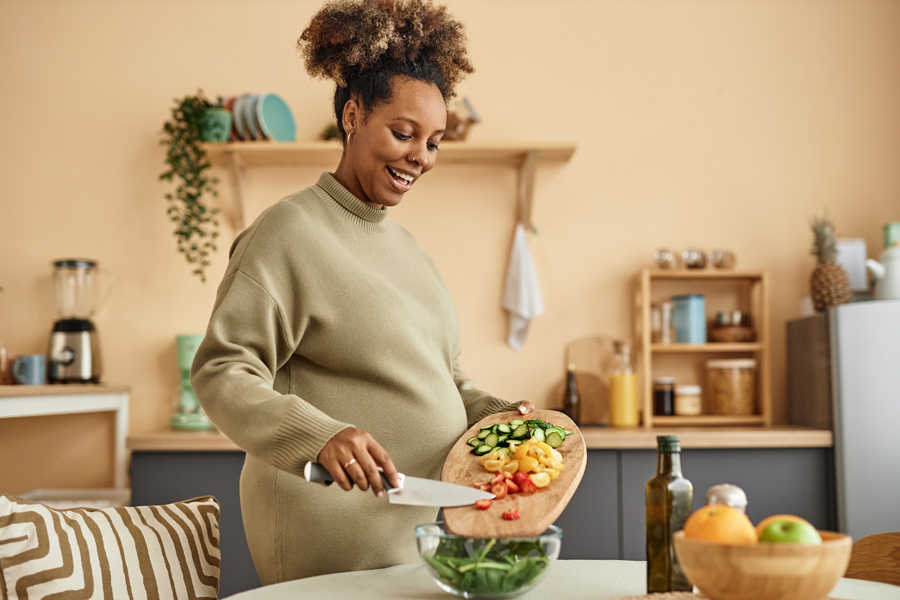
El embarazo es una época de cambios, y las futuras mamás tienen mucho en qué pensar, tanto por ellas mismas como por sus bebés. La seguridad alimentaria y la prevención de enfermedades transmitidas por alimentos (enfermedades causadas por alimentos contaminados) son muy importantes durante este período. Hay cuatro pasos sencillos que las mujeres embarazadas y sus familias pueden seguir para protegerse a sí mismas y a sus bebés, y prevenir las enfermedades transmitidas por alimentos.
|
-
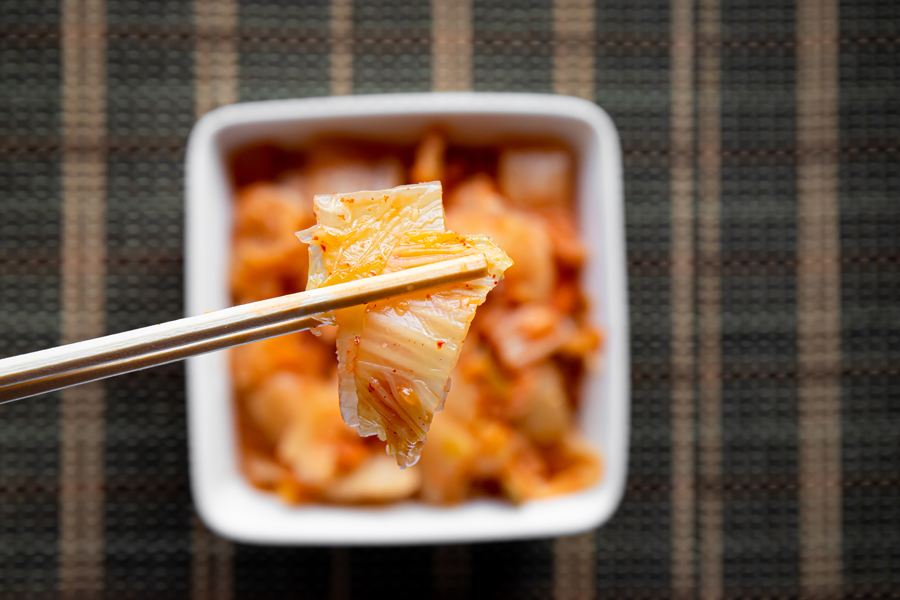
El kimchi es un plato tradicional coreano que se elabora por lo general con repollo napa (también conocida como repollo chino o de invierno), y se mezcla con diversos ingredientes como zanahorias, cebollas, cebolletas, rábanos, jengibre, ajo, salsa de pescado y gochugaru. Esta recurso proporciona orientación basada en la ciencia para ayudar a los consumidores a preparar kimchi de forma segura en casa.
|
-

This resource provides an overview of pectin, a key ingredient used to make jams and jellies. It explains how and why the different types of pectin work and why choosing the correct pectin is essential for safe, high-quality home-preserved products. Readers will find tips for use, common limitations, and science-based information to help them achieve consistent results using tested recipes.
|
-
C 1364-09
Enjoying the Holidays with Diabetes
For people managing diabetes, the holiday season can bring unique challenges. This resource will help you plan ahead and strategize so that you can enjoy parties and time with friends and family while keeping your blood sugar in control.
|
-

When you have diabetes, aside from meal planning, knowing how to cook your food can make a big difference in how enjoyable and sustainable your meals are. This resource covers planning and prepare delicious meals that meet the recommendations of the ADA’s Diabetes Plate method.
|
-

Believe it or not, a small tweak in your favorite recipe could help lower your risk of health problems. Start small, such as by reducing saturated fat, salt, or added sugar, or increasing fiber when cooking. These small changes can add up to big health benefits. This resource has tips on how to start revitalizing your recipes to fit your diabetes meal planning.
|
-
Kimchi is gaining popularity across the U.S. as part of a growing interest in international flavors, gut health, and home food preservation. This publication provides science-based guidance to help consumers safely prepare kimchi at home and offers nationally relevant, research-based information that can benefit Extension educators, health professionals, and consumers across the U.S.
|
-
C 1344-02
Using Pressure Canners
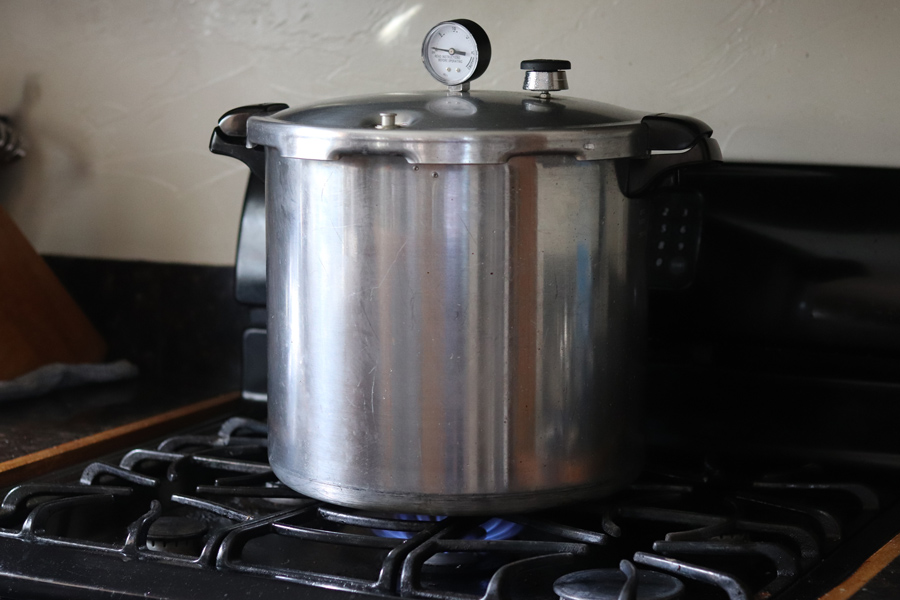
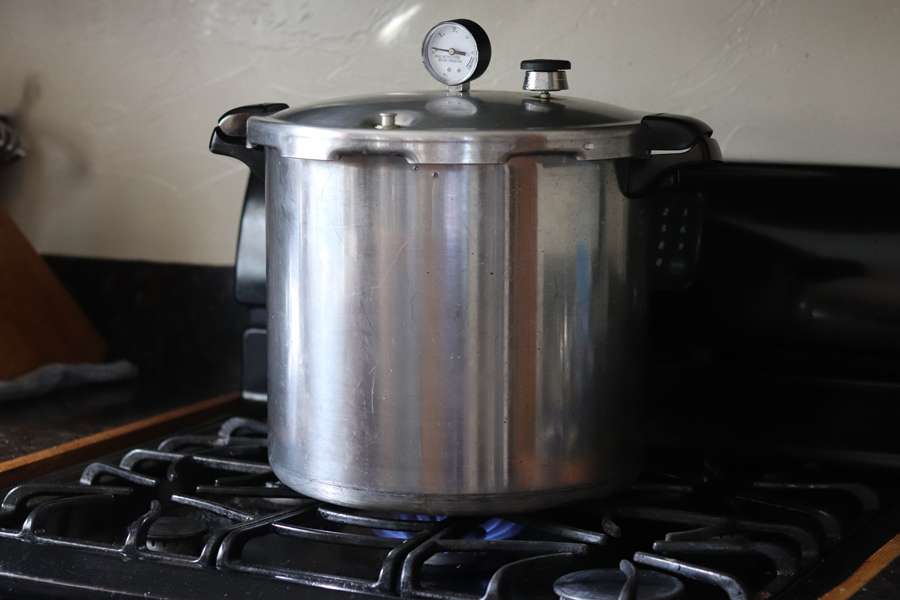
Most modern pressure canners are lightweight, thin-walled kettles; most have screw-on lids fitted with gaskets. Modern pressure canners have removable racks, an automatic vent/cover lock, a vent pipe, and a safety fuse. Use only canners that have the Underwriter’s Laboratory (UL) approval mark to ensure their safety. This publication covers steps to successful food preservation using pressure canners.
|
-
C 1344-02-SP
Uso de Envasadoras a Presión
La mayoría de las envasadoras a presión modernas son ollas ligeras de paredes delgadas; la mayoría tienen tapas de rosca con juntas. Cuentan con rejillas extraíbles, un cierre automático de ventilación/tapa, un tubo de ventilación y un fusible de seguridad. Utilice únicamente envasadoras con la marca de aprobación de Underwriter’s Laboratory (UL) para garantizar su seguridad. Esta publicación explica los pasos para una conservación exitosa de alimentos con envasadoras a presión.
|