Handling and Preparing Resources
-
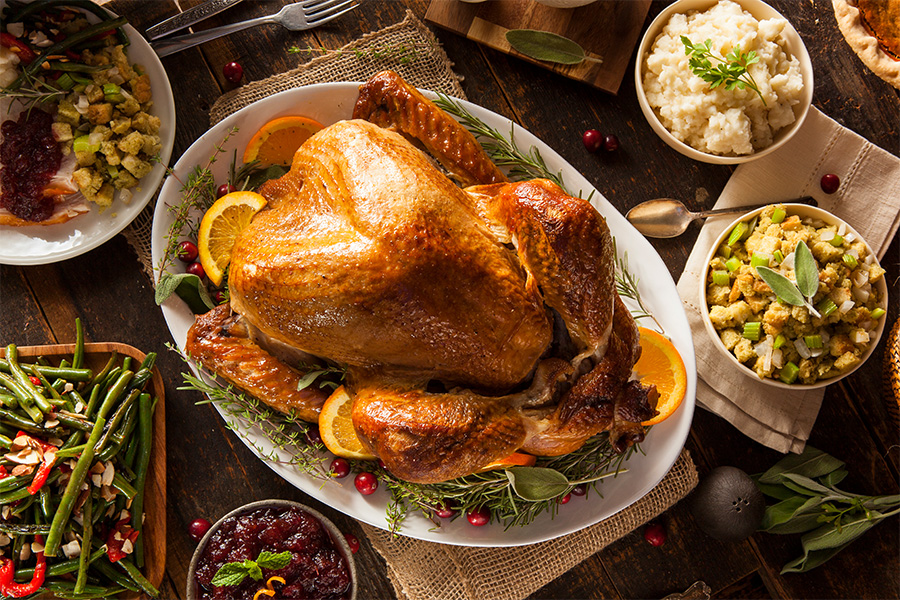
Read about safe thawing, cooking, and storing a turkey, including current estimates of the time needed for safe thawing and cooking. Because bacteria can multiply rapidly at room temperature, never defrost a turkey on the counter! The cold water and microwave methods may be used when you don’t have time to thaw your turkey in the refrigerator. Whole poultry is safe when the meat is cooked to a minimum internal temperature of 165 °F as measured with a food thermometer. All turkey meat, including any that remains pink, is safe to eat as long as all parts reach at least 165 °F.
|
-

C 1364-09-SP
Disfrute las fiestas con alegría y cuide su salud
Esta publicación ofrece orientación práctica para que las personas con diabetes puedan disfrutar de las celebraciones sin comprometer su salud. Reconoce que las fiestas, las reuniones familiares y los eventos religiosos son momentos importantes en la cultura, y que la comida tradicional suele ocupar un lugar central. Por ello, brinda estrategias sencillas y realistas organizadas en dos momentos clave: antes y durante las celebraciones. Antes de las fiestas, se recomienda planificar comidas y compras, utilizar el Método del Plato para la Diabetes, cocinar con anticipación, buscar recetas más saludables, mantenerse activo y establecer metas pequeñas y alcanzables. Durante las celebraciones, se sugiere mantener horarios regulares de comida, no saltarse las comidas, llevar un platillo saludable, elegir con inteligencia en el bufet, comer despacio, planificar el consumo de postres, seleccionar bebidas adecuadas, monitorear los niveles de glucosa y realizar actividad física ligera, como caminar después de comer. El objetivo es proporcionar herramientas prácticas que permitan disfrutar plenamente de las tradiciones mientras se mantienen niveles de glucosa bajo control y se protege la salud.
|
-

This resource provides some basic information required to make various types of sausage. It is for those who enjoy good homemade sausage and who wish to obtain the greatest satisfaction from the trimmings and variety meats generated from farm slaughtered livestock or the results of a good hunt. The recipes listed in this publication collected from various sources and have been prepared and tested. They are suitable for beginners and experts alike. Also included is information on the history of sausage making, sausage types and ingredients, sausage making equipment and procedures, and food safety concerns and procedures.
|
-

As a part of a packinghouse environmental monitoring program, adenosine triphosphate (ATP), protein, and allergen swabbing is used to ensure that packinghouse equipment and surfaces have been properly cleaned and prepared for sanitation. ATP, protein, and allergen swabbing is frequently incorporated to complement microbial swabbing practices or as an independent program. These swab types indicate the presence of soils and residues on equipment, determining the effectiveness of the cleaning portion of a sanitation program. Sample results can be read in minutes, unlike microbial swabs, which take days. For this reason, ATP, protein, and allergen swabs are used immediately after cleaning to rapidly confirm that cleaning procedures were thorough. Operations then sanitize and collect microbial swabs to verify the effectiveness of the sanitation process.
|
-
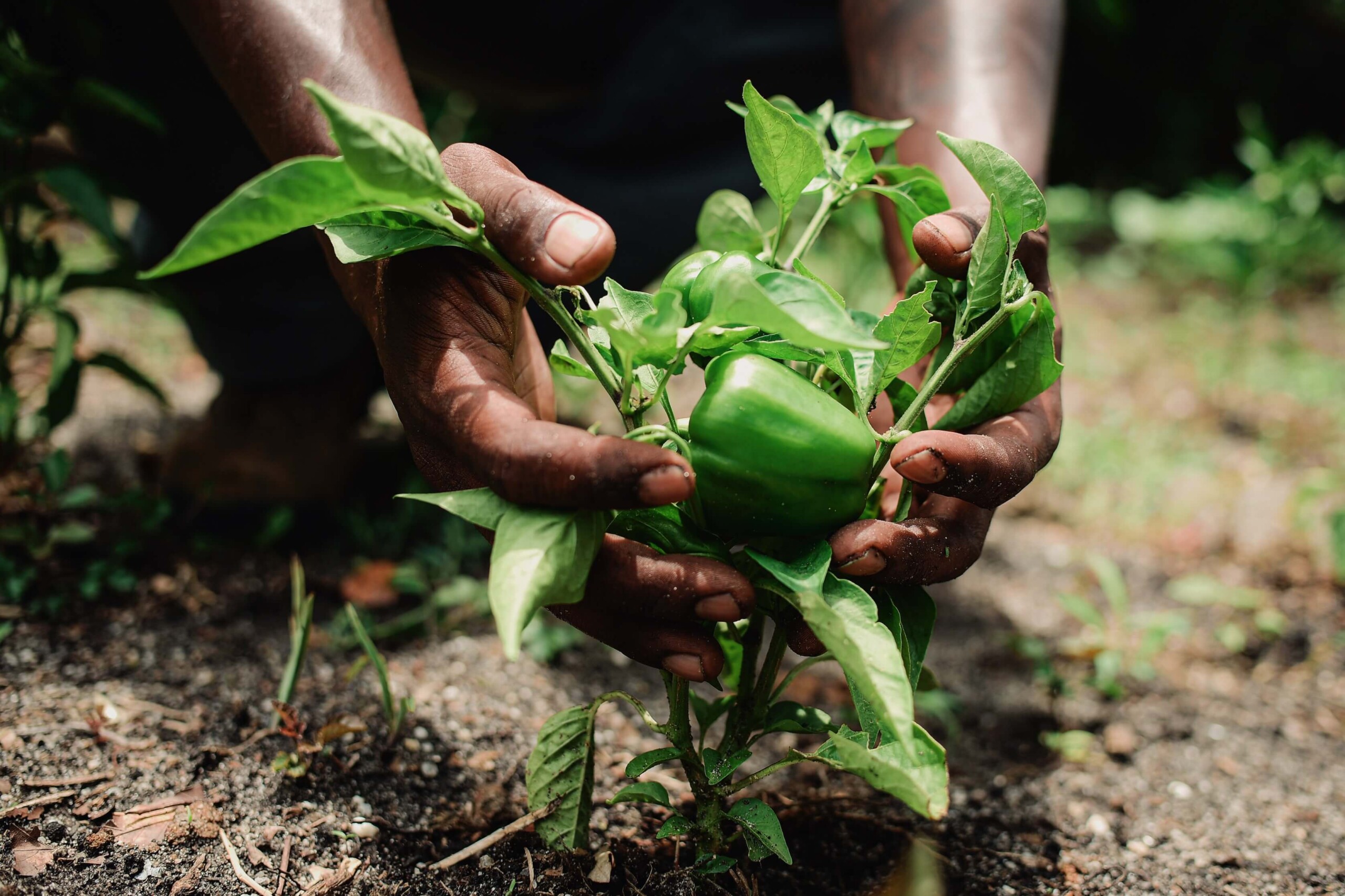
Under the Food Safety Modernization Act’s Produce Safety Rule, produce operations are mandated to provide training to their workers on the safe handling of produce in fields and in packing operations. Currently, there are few, if any, materials available for these operations to use. As we have conducted Produce Safety Alliance Grower Training across Georgia and throughout other areas, we have been requested to develop these much-needed materials. These materials provide food safety information, consistent with the Produce Safety Rule, for training workers on produce farms and/or farmer/growers of fresh produce and can also be used with low literacy audiences and Spanish speaking audiences as well.
|
-

Esta publicación ofrece una guía completa para mejorar la alimentación y el manejo nutricional en el contexto de la diabetes, comenzando por estrategias para reducir la sal (sodio) y consejos prácticos para hacerlo, así como recomendaciones para aumentar el consumo de fibra, la cantidad diaria sugerida y formas sencillas de incorporarla en las comidas. Además, incluye orientación para aprender a leer etiquetas nutricionales, explicando elementos clave como el número total de porciones del envase, el tamaño de la porción, las calorías por porción y la información sobre nutrientes relevantes: carbohidratos totales, azúcares y azúcares añadidos, alcoholes de azúcar, grasas totales, sodio, la lista de ingredientes y el porcentaje de valores diarios recomendados. En conjunto, este recurso ayuda a comprender mejor cómo los distintos componentes de los alimentos influyen en la salud y ofrece herramientas prácticas para mejorar la calidad de la dieta.
|
-

This resource covers recommendations for pregnant women and food safety, which is particularly important during pregnancy when the mother-to-be and her baby have a weakened immune system. In addition to the basics (clean, separate, cook, chill), pregnant women should be mindful of specific risks in different categories of foods.
|
-
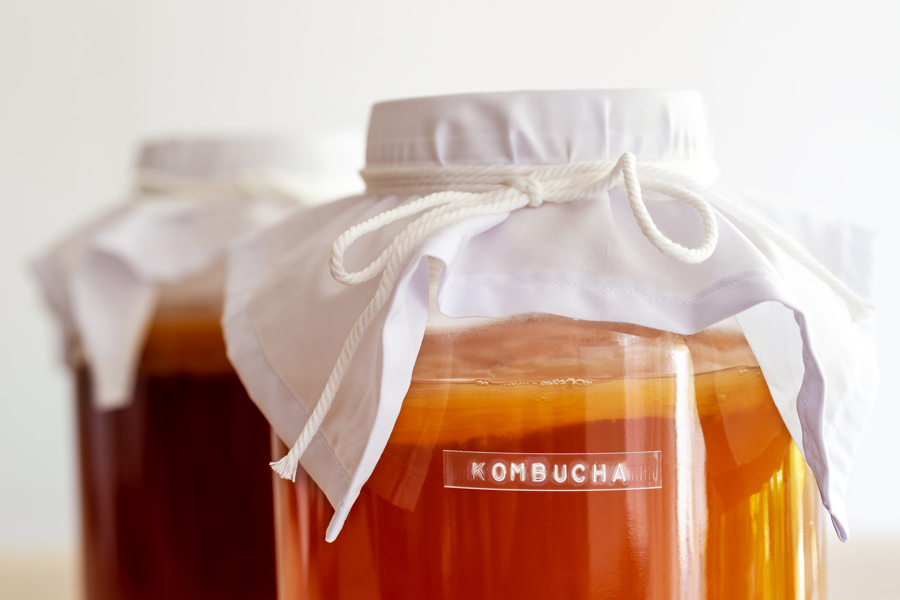
Do you want to learn more about brewing kombucha at home? Learn about the historical roots of this fermented tea beverage and explore its global popularity, driven by perceived health benefits. Food safety is crucial in homebrewing, and we provide guidelines on equipment selection, hygiene practices, and acidity monitoring to prevent contamination. We also cover regulatory considerations regarding alcohol content, providing insights into safe consumption levels for different individuals. Whether you are a seasoned kombucha enthusiast or a novice, this publication is your gateway to a holistic understanding of the beverage’s origins, health aspects, and essential practices for safe and enjoyable brewing.
|
-
C 1312-SP
¿Qué se dice sobre la Kombucha casera?
Do you want to learn more about brewing kombucha at home? Learn about the historical roots of this fermented tea beverage and explore its global popularity, driven by perceived health benefits. Food safety is crucial in homebrewing, and we provide guidelines on equipment selection, hygiene practices, and acidity monitoring to prevent contamination. We also cover regulatory considerations regarding alcohol content, providing insights into safe consumption levels for different individuals. Whether you are a seasoned kombucha enthusiast or a novice, this publication is your gateway to a holistic understanding of the beverage’s origins, health aspects, and essential practices for safe and enjoyable brewing.
|