Home Resources
-
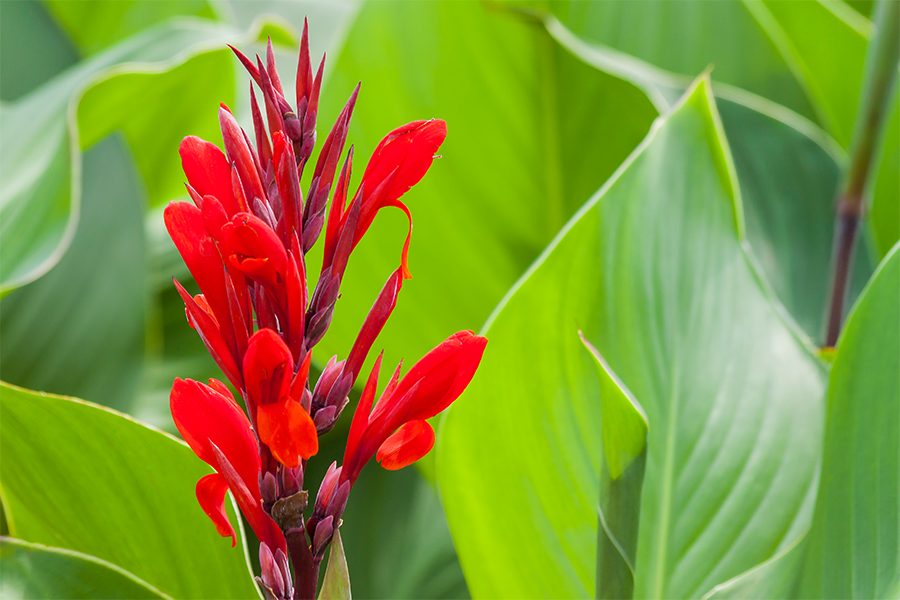
An introduction to the larger canna leafroller, plus information on biology and management.
|
-

People spend an average of 90 percent of their time indoors. Studies conducted by the Environmental Protection Agency (EPA) show levels of several common organic pollutants to be two to five times higher inside homes than outside. Many of these pollutants come from the volatile organic compounds (VOCs) released from household cleaning products. Indoor pollutants can be reduced by limiting the number of chemicals used indoors. By following three basic guidelines you can improve your indoor environment, save money, and help conserve natural resources.
|
-

This publication is designed to help people with average first-aid knowledge improve their ability to make decisions when they are the first person at the scene of a farm accident.
|
-

As tipping fees have risen, interest has increased in finding alternative uses for construction wastes. Many homebuyers are also looking for environmentally sensitive building practices. This includes the recycling and reuse of construction debris rather than disposal. One of the largest waste components in residential construction is gypsum wallboard. In many cases, scrap wallboard can be ground and beneficially applied on the construction site, rather than transported to the landfill.
|
-

Although rare, Formosan subterranean termite infestations have been found in Georgia. Formosan termites are not native to the U.S. They are commonly spread by movement of infested railroad crossties used in the construction of retaining walls and other landscape features.
|