UGA College of Agricultural & Environmental Sciences Field Report
  • Stories
    Almanac

    Science in service of humanity and the environment

    Read our annual magazine here

    READ


    Dive into engaging stories that showcase our statewide, national and global impact.

    Check out our written stories here

    LOOK


    Browse curated photo galleries capturing the people, places and programs that bring CAES to life.

    Check out our photo galleries here

    WATCH


    Experience our stories through videos that highlight our people, projects and passions in action.

    Check out our video library here

    LISTEN


    Tune in to “Cultivating Curiosity,” our podcast featuring in-depth conversations with CAES experts.

    Check out our podcast here
  • Expert Resources

    Expert Resources


    From farms and gardens to families and finances, our expert resources empower Georgians with trustworthy, practical science.

    Gardening
    Invasive species
    Food and food safety
    Ants, termites and other pests
    Pollinators
    Livestock
    Emergency preparedness
    Home safety and maintenance
    Health, family and finances
    Nutrition
    Water quality
    Lawn maintenance and landscaping
    Turfgrass
    View all topics

    What is an Expert Resource?


    We publish unbiased, research-backed expert advice to empower Georgians with practical, trustworthy information they can trust.

    These resources are written and reviewed by experts in the UGA College of Agricultural and Environmental Sciences and the UGA College of Family and Consumer Sciences.

    Learn how we produce science you can trust
  • Events
  • Contact
  • Read
  • Look
  • Watch
  • Listen
Subscribe
  • LinkedIn
  • Facebook
  • Instagram
  • Stories
    Almanac

    Science in service of humanity and the environment

    Read our annual magazine here

    READ


    Dive into engaging stories that showcase our statewide, national and global impact.

    Check out our written stories here

    LOOK


    Browse curated photo galleries capturing the people, places and programs that bring CAES to life.

    Check out our photo galleries here

    WATCH


    Experience our stories through videos that highlight our people, projects and passions in action.

    Check out our video library here

    LISTEN


    Tune in to “Cultivating Curiosity,” our podcast featuring in-depth conversations with CAES experts.

    Check out our podcast here
  • Expert Resources

    Expert Resources


    From farms and gardens to families and finances, our expert resources empower Georgians with trustworthy, practical science.

    Gardening
    Invasive species
    Food and food safety
    Ants, termites and other pests
    Pollinators
    Livestock
    Emergency preparedness
    Home safety and maintenance
    Health, family and finances
    Nutrition
    Water quality
    Lawn maintenance and landscaping
    Turfgrass
    View all topics

    What is an Expert Resource?


    We publish unbiased, research-backed expert advice to empower Georgians with practical, trustworthy information they can trust.

    These resources are written and reviewed by experts in the UGA College of Agricultural and Environmental Sciences and the UGA College of Family and Consumer Sciences.

    Learn how we produce science you can trust
  • Events
  • Contact
  • Read
  • Look
  • Watch
  • Listen
Subscribe
  • LinkedIn
  • Facebook
  • Instagram
Subscribe
  • LinkedIn
  • Facebook
  • Instagram
  1. Home
  2. Expert Resources
  3. Topics
  4. Home

Home Resources

Use the Advanced Search
  • A handheld showerhead is stained from iron in the water

    C 858-11

    Iron and Manganese

    Elevated levels of iron (Fe) and manganese (Mn) are two of the most common water quality problems in Georgia’s groundwater. This circular addresses problems associated with high levels of these two elements, levels considered to be a problem, and treatment options to remove the iron or manganese.

    Uttam K. Saha

    |

    Oct. 21, 2022
  • C 1248

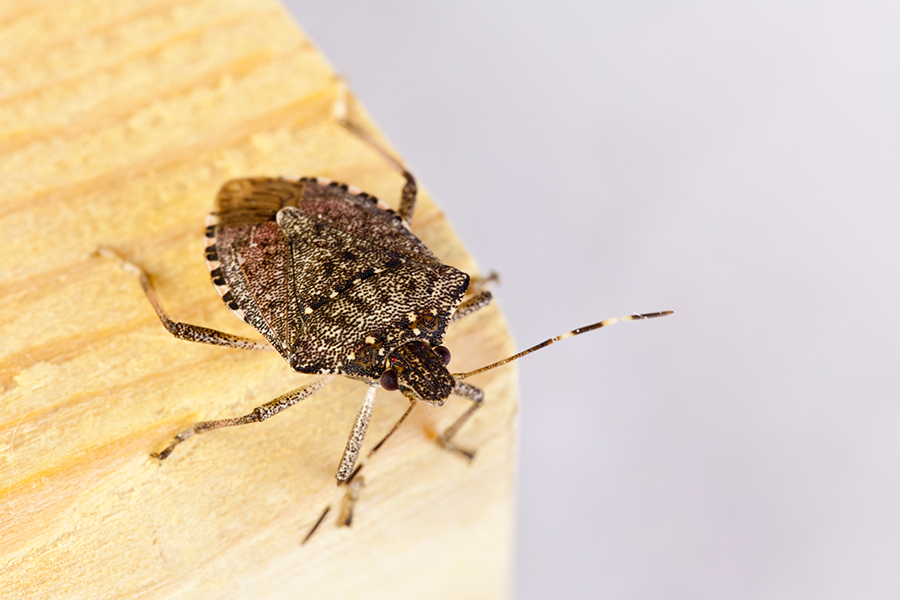
    Biology and Management of the Brown Marmorated Stink Bug in Ornamental Landscapes

    The brown marmorated stink bug is a landscape and agricultural pest in the United States. They seek dark and dry sites—such as a vehicle parked near trees—in the fall in which to overwinter. This pest is reported to feed on more than 170 plant species, including fruits, vegetables, and ornamental plants. This stink bug also is a nuisance pest as they aggregate and overwinter in man-made structures beginning in late fall.

    Shimat V. Joseph, William G. Hudson, and Fawad Khan

    |

    Oct. 19, 2022
  • C 1246

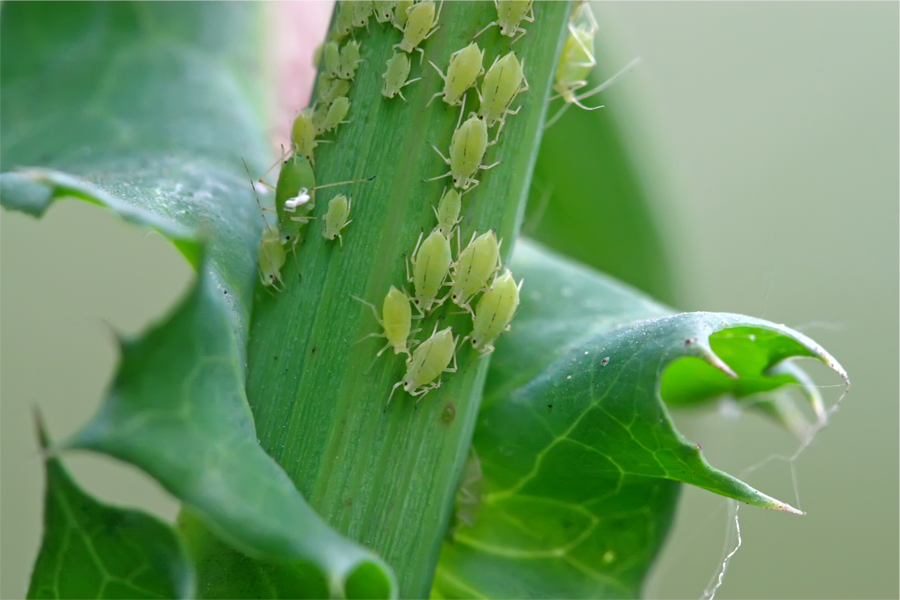
    Aphids on Flowering Ornamental Plants in the Landscape

    An introduction to and information on the biology, damage, and management of aphids in the ornamental landscape.

    William G. Hudson and Shimat V. Joseph

    |

    Oct. 7, 2022
  • C 1250

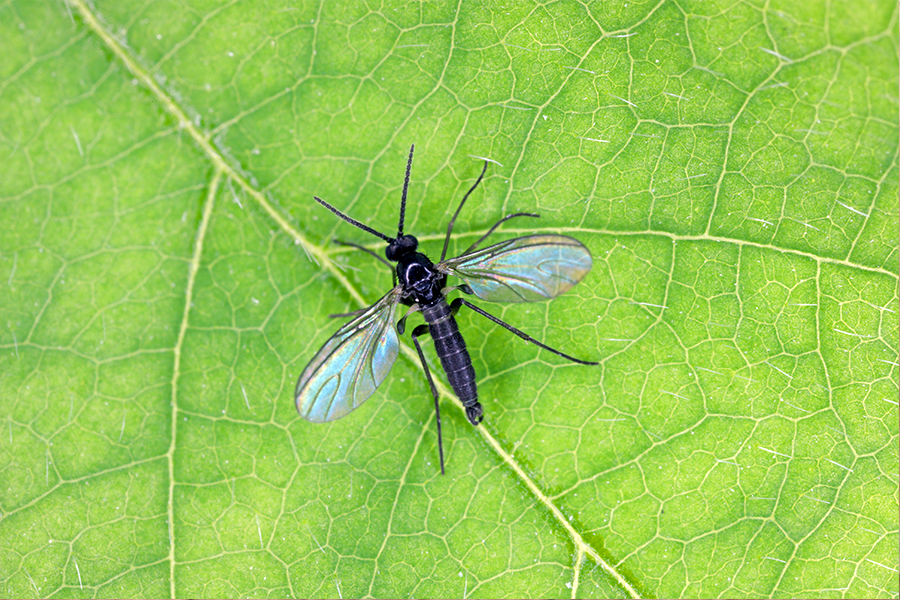
    Fungus Gnats: A Tiny Nuisance of Houseplants

    Nothing is more welcoming in the home, office, waiting room, or conference room than lush greenery. The benefits of plants in the home and workplace are well-documented. They remove pollutants, help workers relax and refocus, increase productivity, and make the room look better. Unfortunately, plants often come with the nuisance pest fungus gnats. Learn how to what they are, how they live, and how to control them.

    James Morgan and Dan Suiter

    |

    Aug. 17, 2022
  • A mounted tawny crazy ant in the side view with a size marker below the ant

    C 1064

    The Tawny Crazy Ant, Nylanderia fulva, in Georgia

    This resource helps readers identify and manage tawny crazy ants, a highly invasive species from South America. The ant somewhat resembles invasive Argentine ants (also known as sugar ants).

    Dan Suiter

    |

    July 28, 2022
  • carpenter ants are attracted to a green bait product in a small bowl or dish

    C 929

    Carpenter Ants

    This resource discusses the most effective methods to prevent and control carpenter ants in and around your home.

    Dan Suiter and Brian T. Forschler

    |

    July 13, 2022
  • C 1083-SP

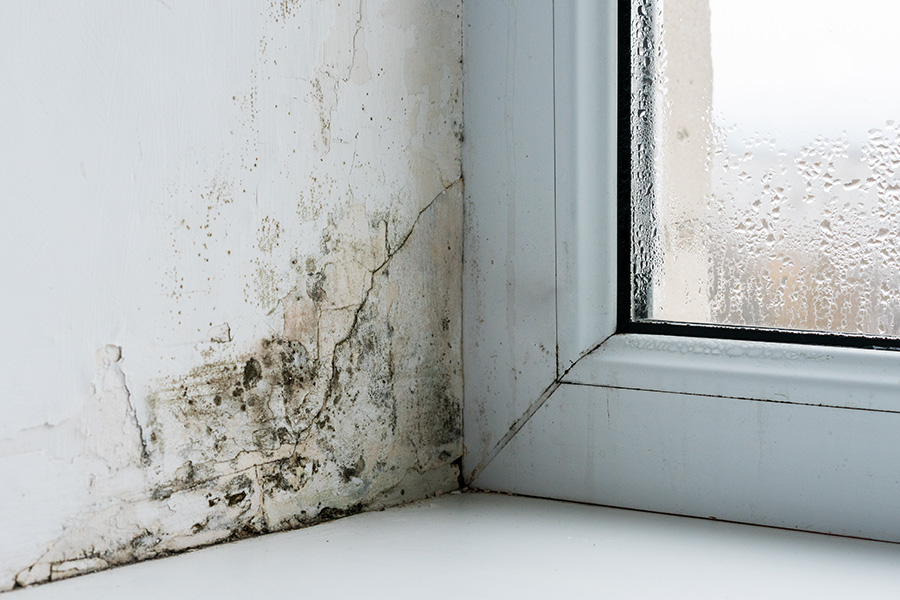
    Lista de Verificación para Moho y Humedad

    Las esporas del moho solo necesitan un ambiente favorable, alimentos (madera, papel, alfombra, etc.) y humedad para crecer. Si no se detecta o se trata, el moho puede provocar efectos negativos para la salud, como reacciones alérgicas, infecciones respiratorias y más. Use esta lista de verificación como una guía básica para inspeccionar su hogar en busca de señales de exceso de humedad y crecimiento de moho.

    PRECAUCIÓN: Al investigar posibles problemas con el moho, puede alterar las áreas contaminadas al hacerlo, extenderá la contaminación al resto de la casa. Esto representa un grave riesgo para la salud de las personas con sistemas inmunes débiles, asma o alergias; por lo tanto, antes de realizar una investigación exhaustiva del moho, es mejor consultar a su médico o contratar a un profesional. Si decide realizar esta búsqueda por sí mismo, utilice el equipo de seguridad adecuado según lo recomendado por la Agencia de Protección del Medio Ambiente (EPA por sus siglas en inglés; www.epa.gov/mold).

    Ines Beltran and Pamela R. Turner

    |

    July 11, 2022
  • C 1082-SP

    Lista de Verificación para el Mantenimiento del Hogar

    Al igual que su salud personal, la salud de su hogar se deteriorará sin un cuidado y mantenimiento regular. Mantener un ambiente interior saludable ayuda a aumentar su calidad de vida y la vida de su casa. Con unos sencillos pasos puede mantener su hogar saludable. Utilice esta lista de verificación como guía para sus evaluaciones periódicas de mantenimiento del hogar en primavera y otoño. Tenga en cuenta que las frecuencias de mantenimiento pueden variar según el clima local y las recomendaciones de fabricación de electrodomésticos.

    Ines Beltran and Pamela R. Turner

    |

    July 11, 2022
  • C 1047-2-SP

    Hogares Saludables: Cómo Eliminar el Moho en su Hugar

    El moho crece a partir de las esporas, que se encuentran naturalmente en el aire y no se pueden ver a simple vista. Las esporas de moho actúan como semillas, haciendo que el moho crezca si las condiciones son adecuadas. El moho suele ser fácil de detectar. Aunque es posible utilizar pruebas para determinar la presencia de moho, por lo general no es necesario o recomendado hacerlo, usted puede detectar el moho rápidamente usando su vista y olfato.

    Tenga en cuenta que las primeras señales de moho pueden ser el desarrollo de síntomas similares a los de una alergia. Si detecta un exceso de humedad o un olor a humedad, pero no ve moho, asegúrese de revisar detrás de los gabinetes y el papel tapiz, y debajo de las alfombras. Estos son escondites comunes para el moho. Realice una inspección completa de su hogar utilizando la Lista de Verificación de Humedad y Moho de UGA.

    La clave para controlar el moho es eliminar la fuente del problema de la humedad.

    (Translation provided by Ines Beltran)

    Pamela R. Turner

    |

    May 12, 2022
Previous Page
1 … 8 9 10 11 12
Next Page

About CAES

CAES Home

Overview

History

Administration

Jobs

Personnel Directory

Privacy Policy

Accessibility Policy

AI Guidelines

Affiliations

UGA Cooperative Extension

Tifton Campus

Griffin Campus

University of Georgia
  • Schools and Colleges
  • Directory
  • MyUGA
  • Employment Opportunities
  • Copyright and Trademarks
  • UGA Privacy Policy
  • Report an Accessibility Barrier
  • Submit a Student Complaint
#UGA on
© University of Georgia, Athens, GA 30602
706‑542‑3000